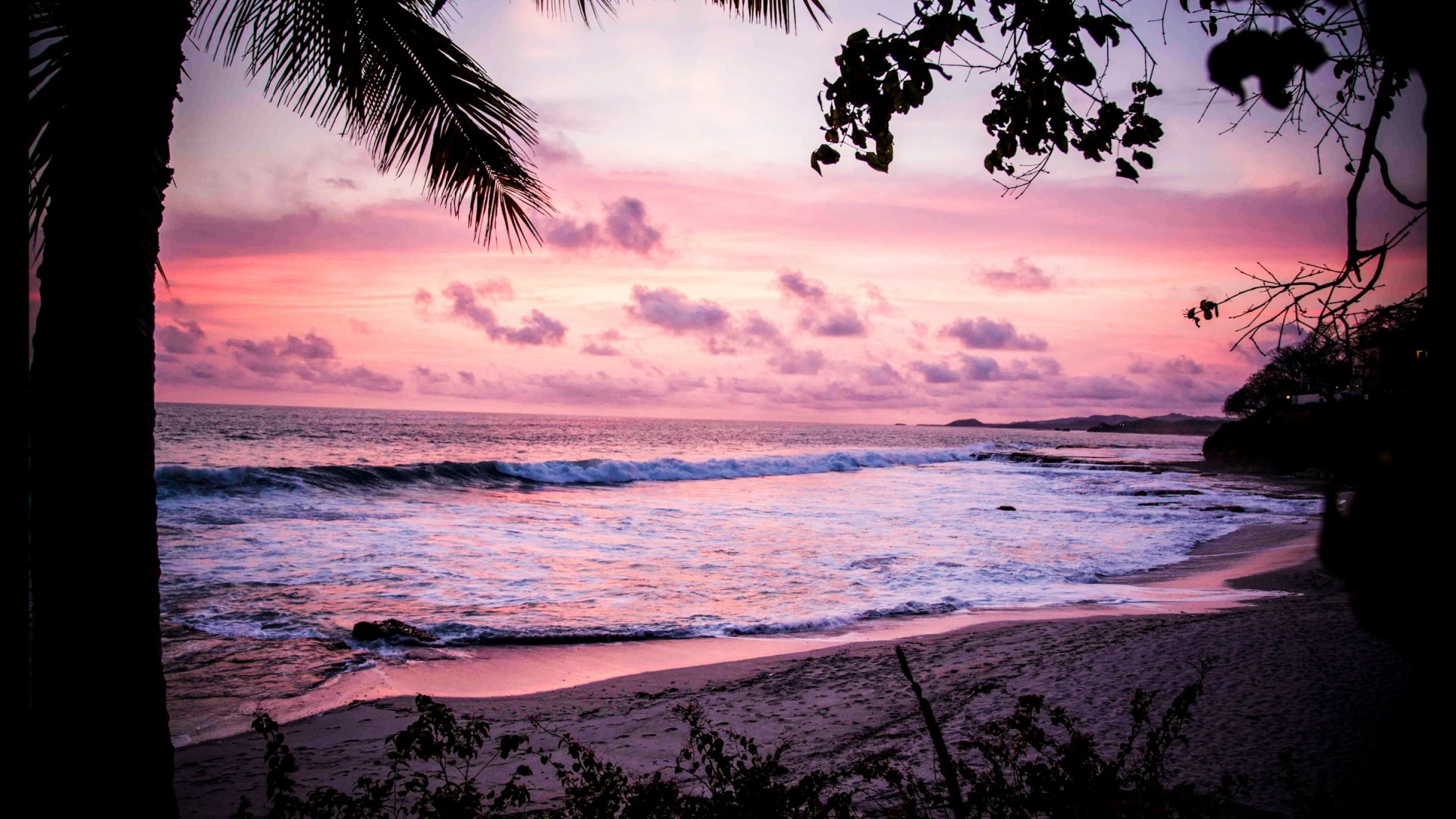
Tola is a coastal municipality in Nicaragua's Rivas department, extending along a long stretch of the country's southwestern Pacific shoreline. Its landscape combines sandy beaches, rocky headlands, tropical vegetation, farmland, and small rural communities. Tola is particularly known for its many beaches, including Playa Gigante, Playa Amarillo, Playa Colorado, Playa Guasacate, Playa Popoyo, and Playa Astillero.
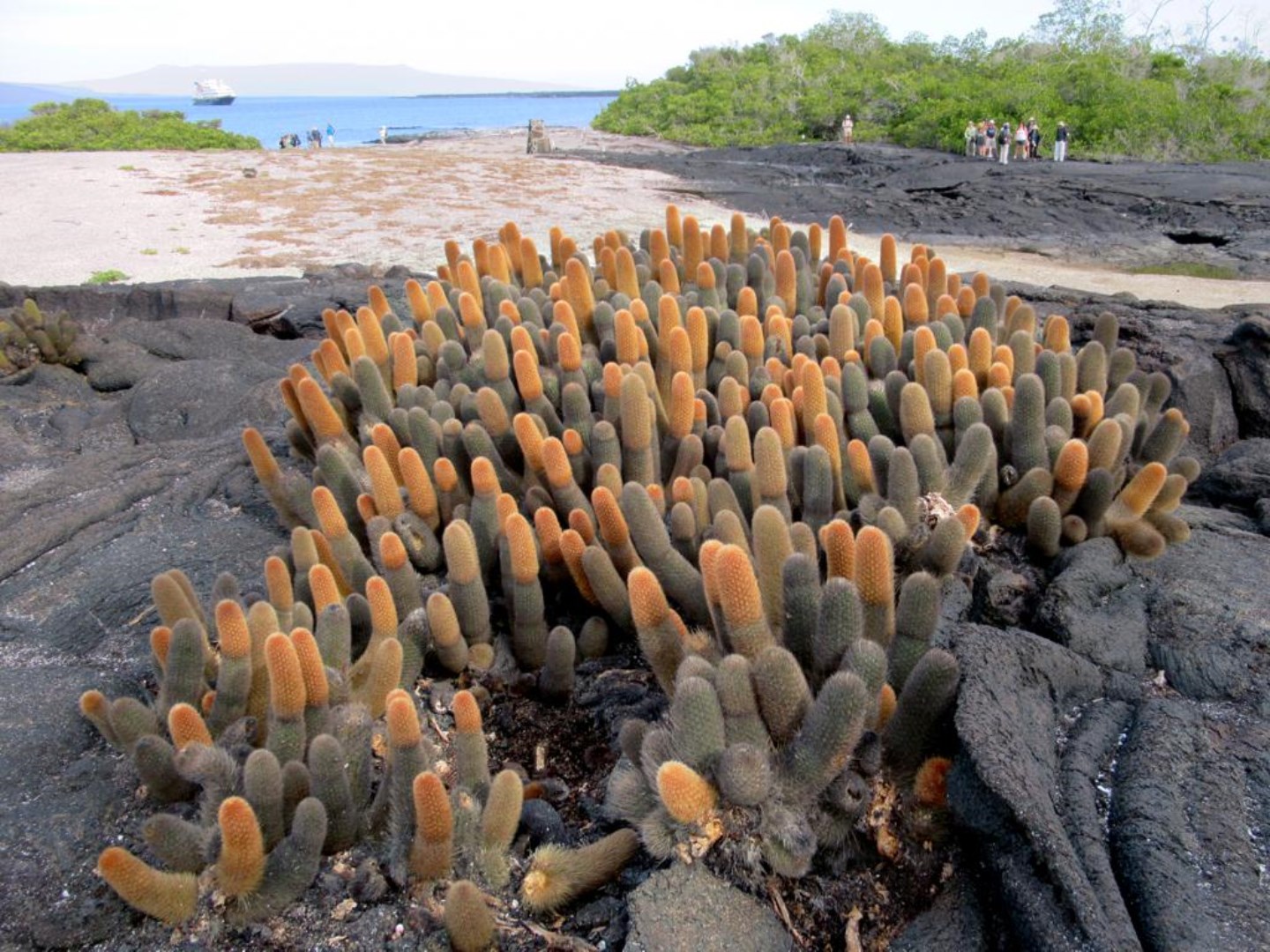
Punta Espinosa is located on Fernandina Island in Ecuador’s Galápagos archipelago, an island shaped by recent volcanic activity and isolated landscapes. The site is known for its dark lava fields, sparse vegetation, and large populations of marine iguanas resting along the shoreline.
Sarajevo, the capital of Bosnia and Herzegovina, is a city where history, culture, and resilience converge. Often called the "Jerusalem of Europe," Sarajevo is a place where East meets West, reflected in its diverse architecture, which seamlessly blends Ottoman, Austro-Hungarian, and modern influences.
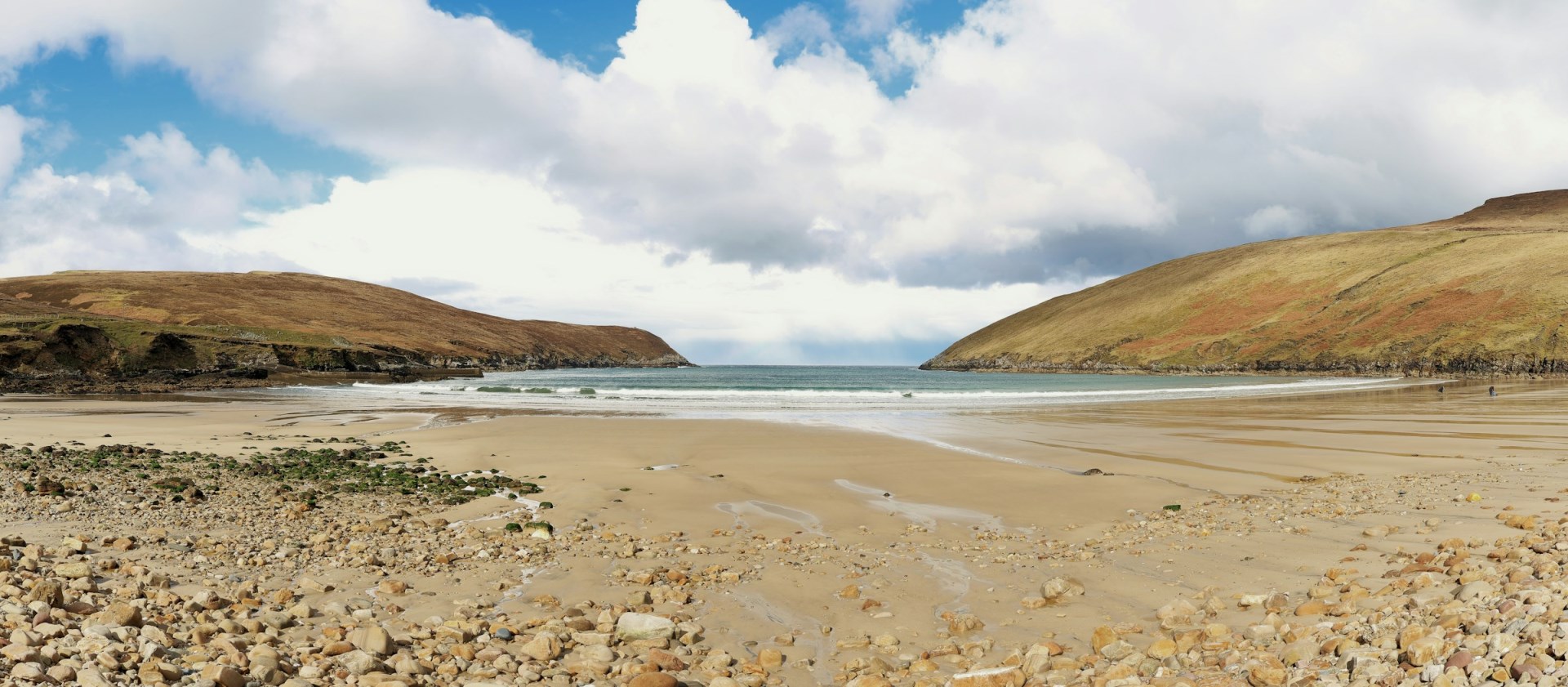
Mayo, located in the west of Ireland, is a region that encapsulates the natural beauty and historical depth of the Emerald Isle. Dominated by rugged landscapes and rolling hills, Mayo is a haven for those who love the great outdoors. The Croagh Patrick, Ireland's holy mountain, stands as a prominent feature, drawing pilgrims and hikers alike to its challenging ascent and breathtaking views.
Chefchaouen, a picturesque city nestled in the Rif Mountains of northern Morocco, is renowned for its stunning blue-painted streets and buildings. Founded in 1471, Chefchaouen's medina—a maze of narrow, winding streets—is one of its most enchanting features, where every corner reveals a splash of blue, creating a serene and photogenic atmosphere. T
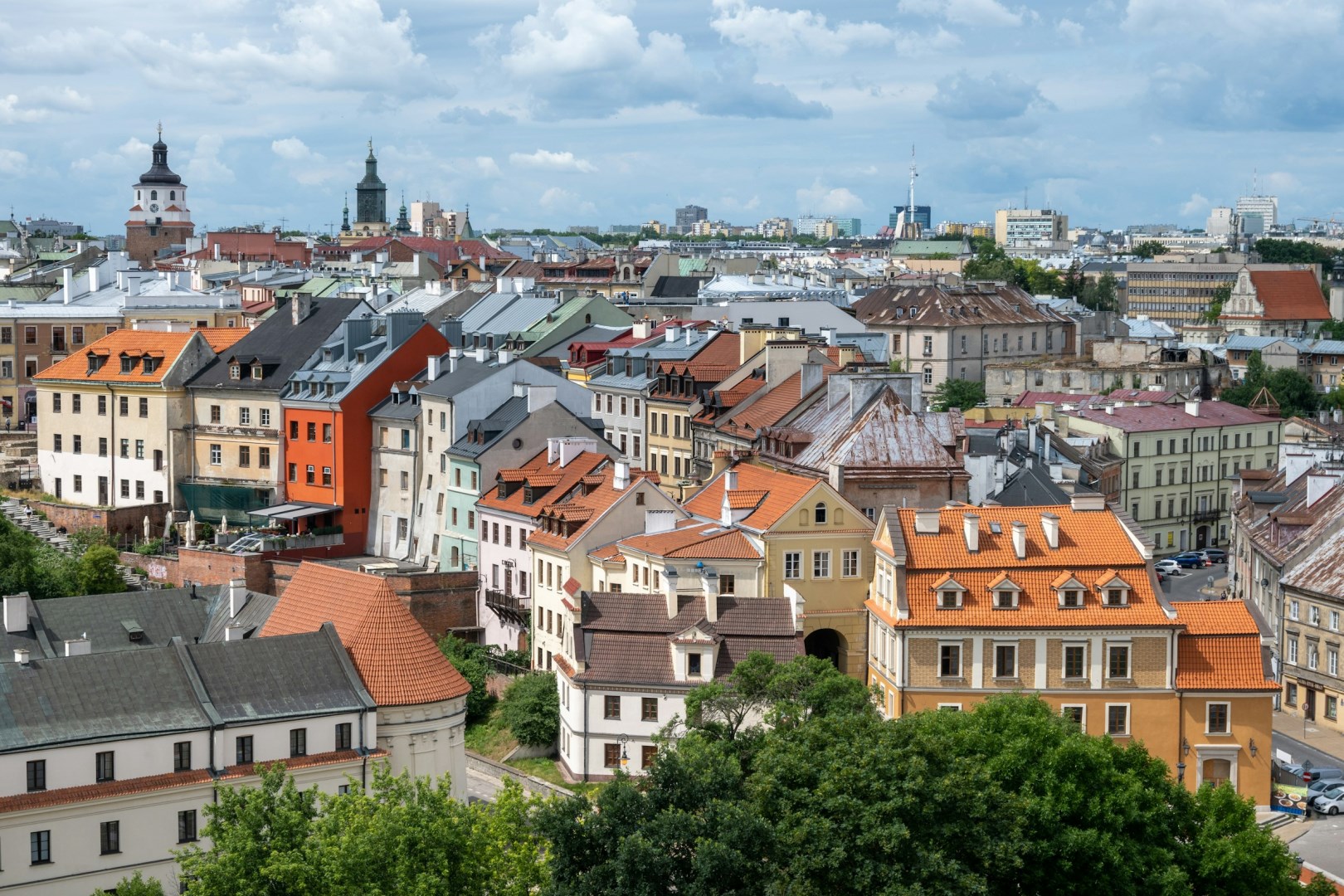
Photo Credit: Photo by Tomasz Zielonka on Unsplash
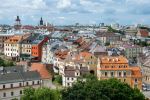
Located on a trade route to Lithuania and Russia, Lublin was already an important center by the time it received its municipal charter in 1317. The city still remains relatively unknown to foreign tourists. From the original defense walls and the Krakow Gate, the remnant of Lublin's medieval wall system to the town hall and the Renaissance burgher houses in the Market Square, Lublin offers numerous visual delights. The Dominican Church, with its exquisite Firlej Chapel, is a must-see for every visitor. The same stands true for the remains of the Gothic Royal Castle, with its late 14th century Holy Trinity Chapel housing one of the finest examples of medieval Byzantine-style polychromes in Europe.
Lublin is a renowned academic center with its Maria Curie-Sklodowska University and Academy of Medicine. Lublin Catholic University, where pope John Paul II once taught, was established in 1918 and operated continuously throughout the post-war era.
Areas outside of Lublin contain many points of interest as well. An ethnographic park offers a fascinaitng trip through time. Kazimierz Dolny is a picturesque town long favored by artists and writers, and Zamosc, a delightful Renaissance city, is a registered world class heritage location.
Other Popular Destinations in Poland
Kraków
Kraków lies in southern Poland along the Vistula River and serves as one of the country’s most recognized cultural centers. Its layout is shaped by a well-preserved historic core, with streets radiating from a large central square. The city retains a human scale, where daily life unfolds among historic buildings, universities, and markets. It stands apart for its continuity of urban life, where medieval structures coexist with modern institutions without dramatic contrast.
Gdansk
Gdańsk, a vibrant port city on Poland's Baltic coast, is a hidden gem that seamlessly blends rich history with modern charm. As the largest city in northern Poland, Gdańsk has a unique identity shaped by centuries of trade, political turmoil, and cultural exchange. The city's Old Town is a feast for the eyes, with its beautifully reconstructed buildings that harken back to its Hanseatic glory days.