Zambia
Zambia, a landlocked country in southern Africa, is celebrated for its dramatic landscapes, diverse wildlife, and warm hospitality. Known as the “real Africa” by many travelers, it is home to some of the continent’s most famous natural wonders and national parks.
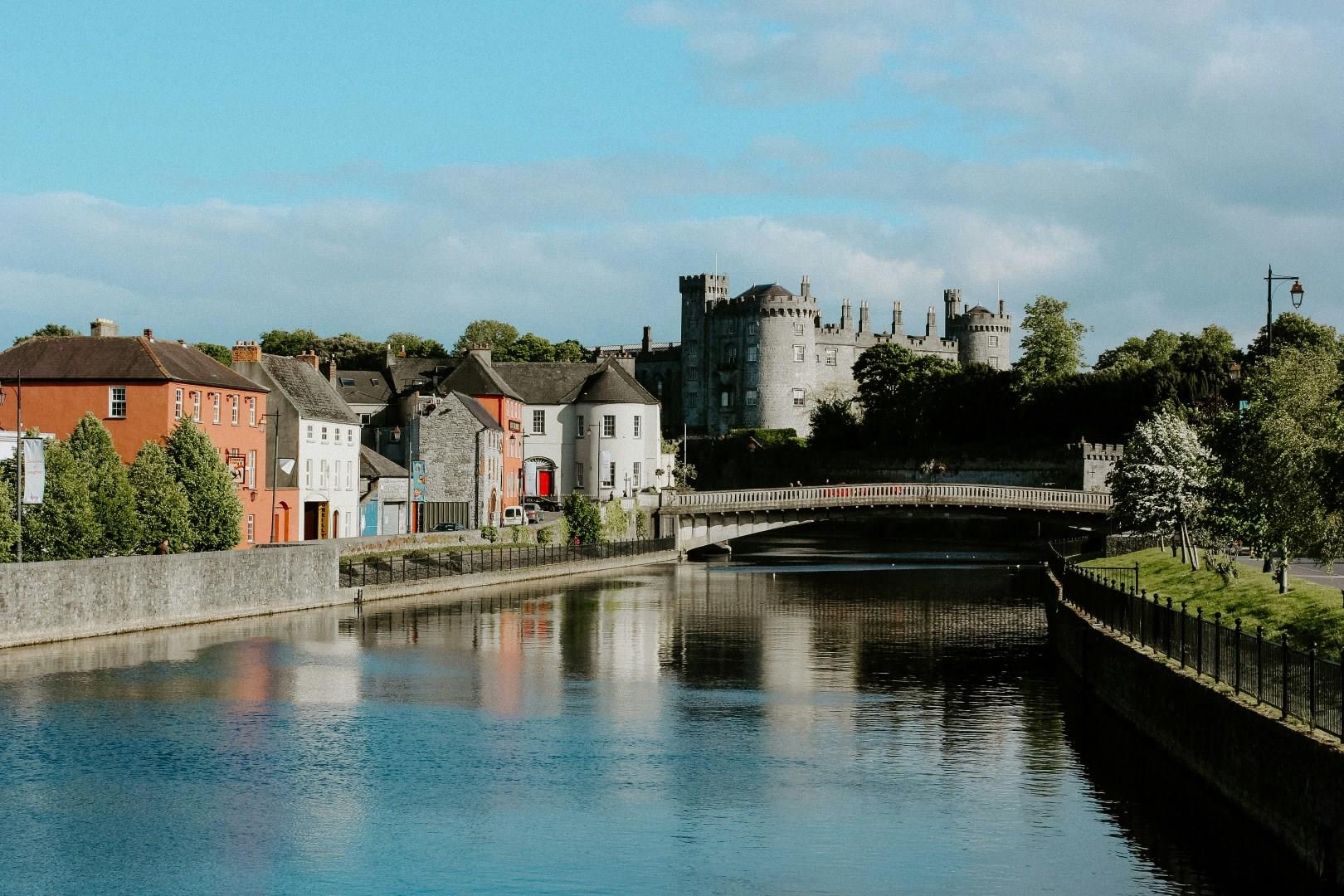
Kilkenny
Kilkenny is a city where history sits beside everyday life, and stories from centuries past shape the streets visitors walk today. At its heart stands Kilkenny Castle, first built in the 12th century and home to the Butler family for more than 600 years. From here, the Medieval Mile creates a natural path through the city, linking key sites such as St. Canice’s Cathedral. Its round tower, one of the few in Ireland still open to climb, rewards visitors with wide views across the rooftops.
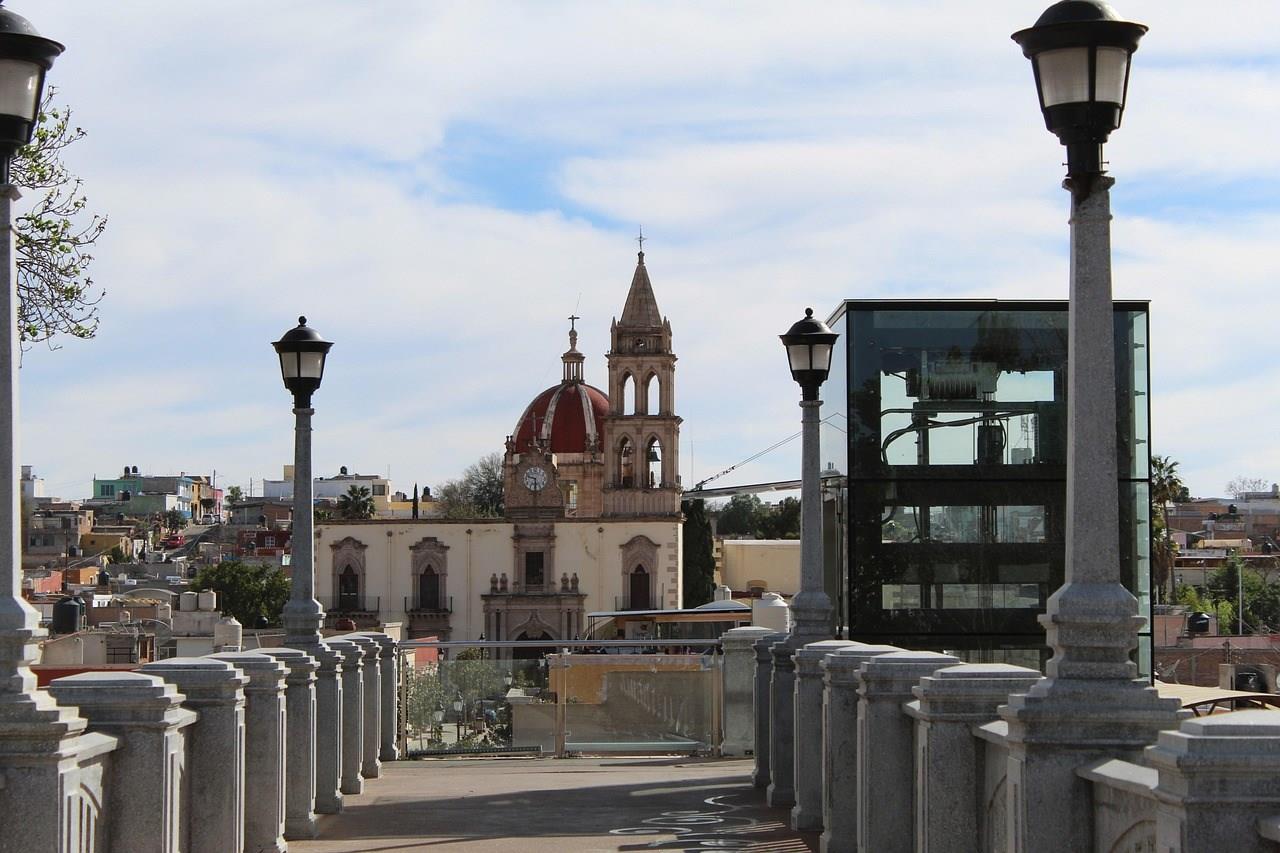
Durango
Victoria de Durango rises on a high plateau Mexico’s Sierra Madre Occidental, founded in 1563 by Francisco de Ibarra. Its streets trace layers of history: the historic center holds the most listed buildings in northern Mexico and remains a notable stop on the Camino Real de Tierra Adentro, now a UNESCO World Heritage route.
Kentucky
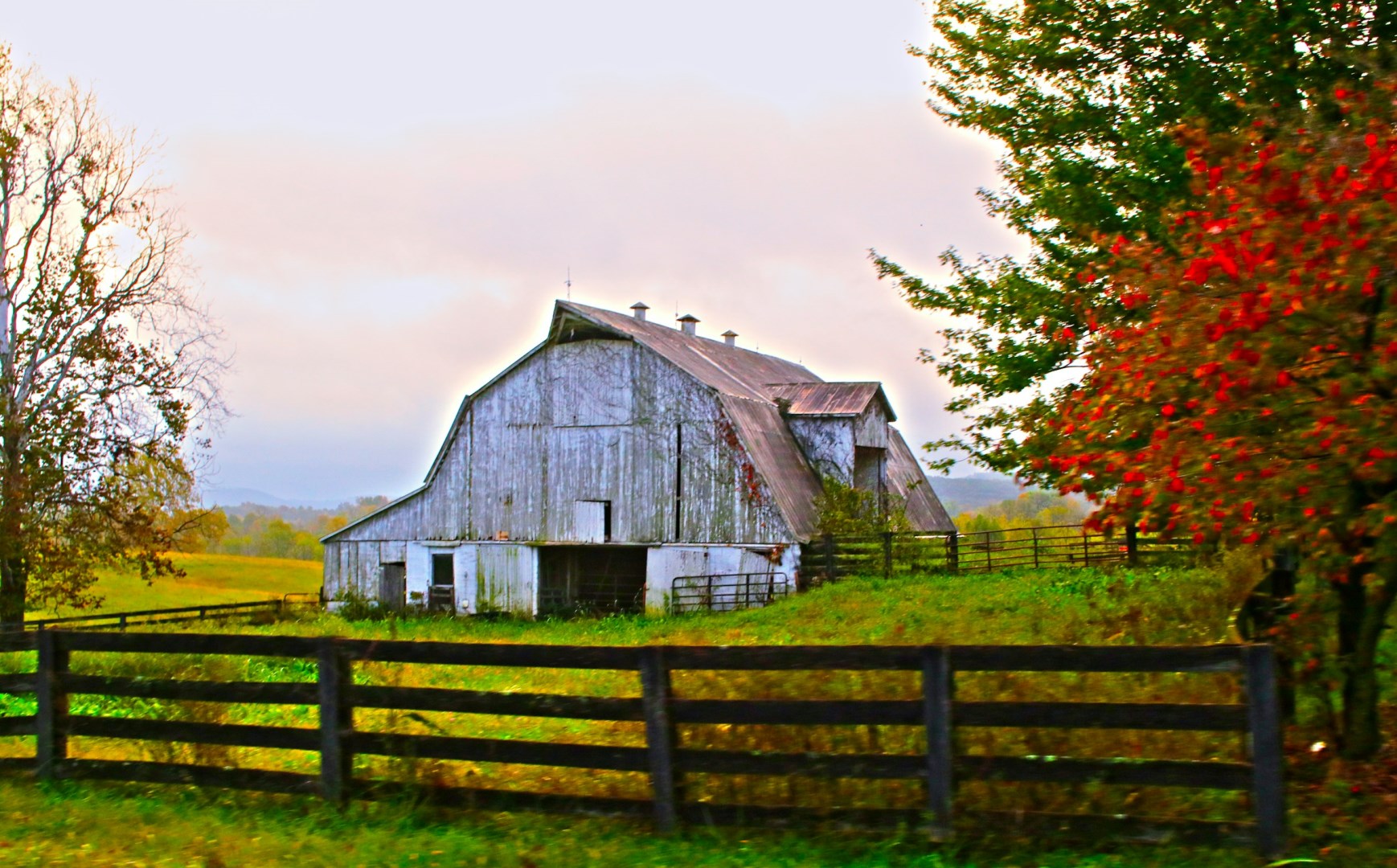
Kentucky is known worldwide for the Kentucky Derby, but there’s far more to this southern state than fast horses and fancy hats. Louisville, the largest city, pairs old-world charm with modern energy. Visitors can stroll along Museum Row on Main to explore the Louisville Slugger Museum & Factory or dive into boxing history at the Muhammad Ali Center, dedicated to the life and legacy of the Louisville-born champion.

Linz
Midway between Salzburg and Vienna, Linz boasts beautiful Baroque buildings, including Old Town Hall and the Old Cathedral, Alter Dom. Lentos Kunstmuseum Linz has a major modern art collection and across the river, the striking Ars Electronica Center focuses on society, technology, and the future. Some of Austria's most iconic figures, including Adalbert Stifter, composers Wolfgang Mozart and Anton Bruckner, and the famous scientist Johannes Kepler, once called Linz home.