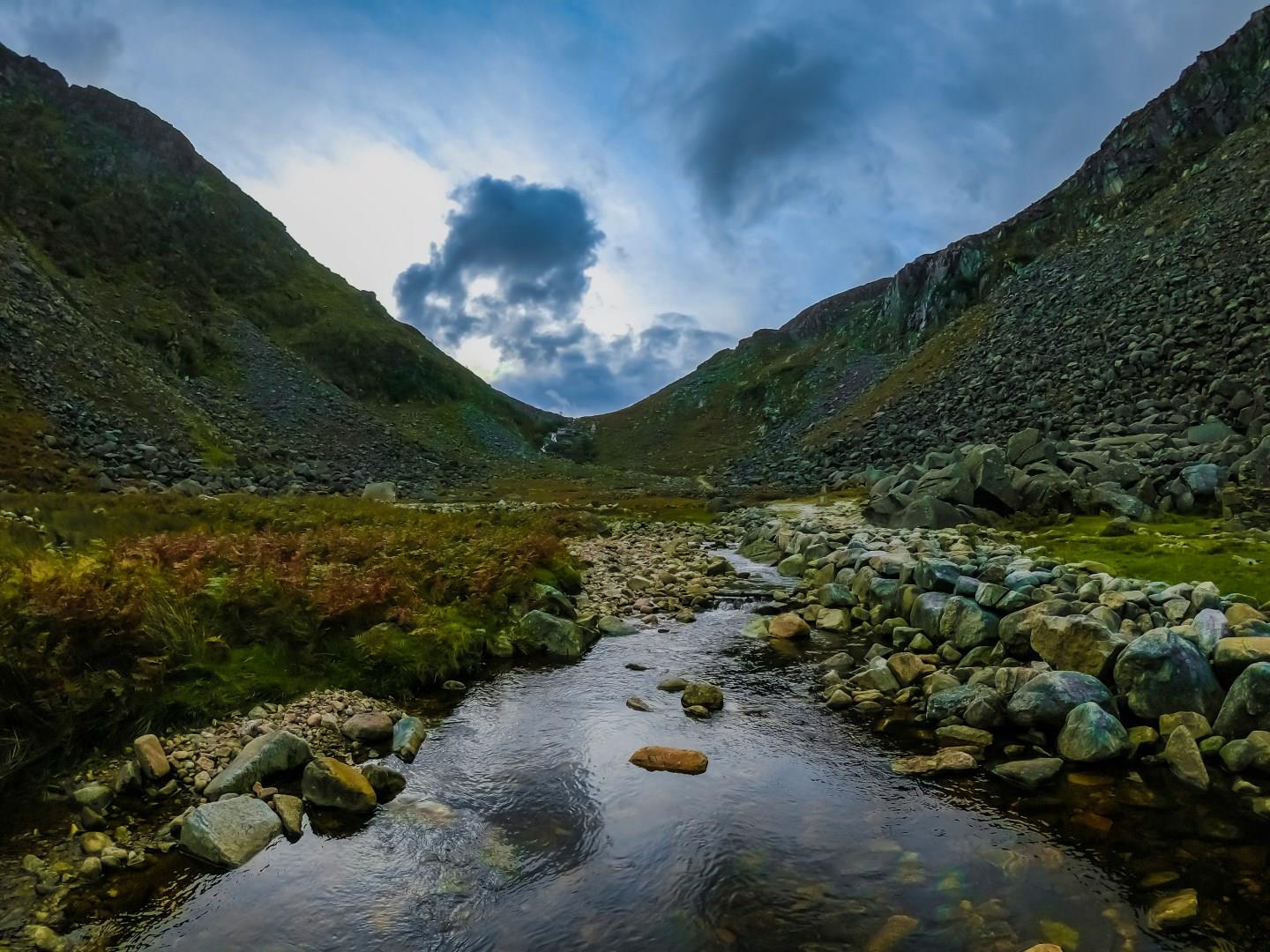
Glendalough, located in County Wicklow, is one of Ireland’s most historically significant and visually striking valleys. It’s best known for its early medieval monastic site, founded by St. Kevin in the 6th century. The round tower, cathedral ruins, and stone churches that remain today are surrounded by forests, lakes, and mountain trails, creating a setting that feels both ancient and untouched.
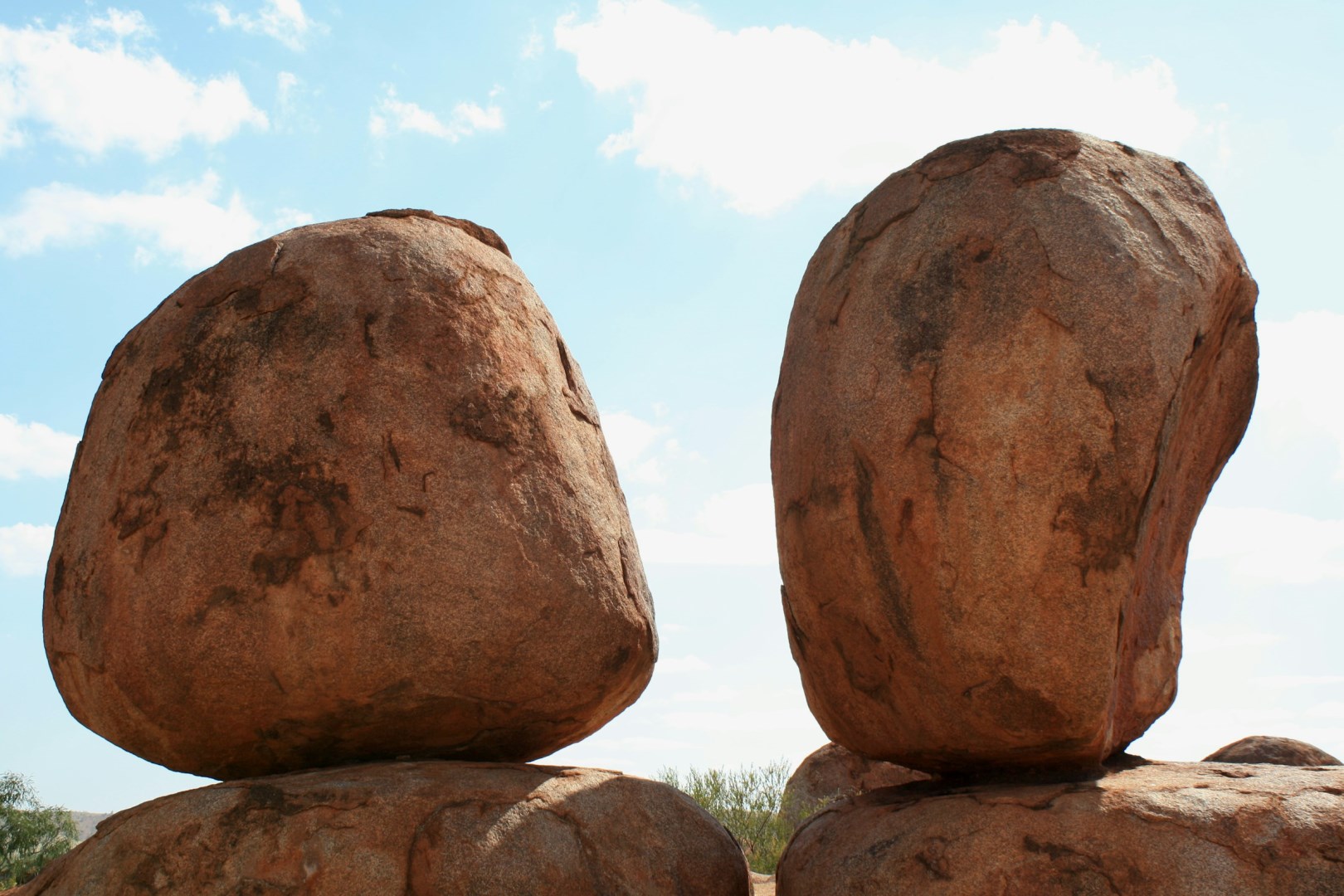
Located in Australia's Northern Territory, Uluru is an iconic sandstone formation and UNESCO World Heritage site. This red rock monolith, believed to be over 500 million years old, has been considered sacred by Australia's indigenous peoples for thousands of years and is one of the country's most well-known natural landmarks. This spiritual destination will astound you at sunrise and sunset, when the warm sunlight turns Uluru to deep hues of red and orange.
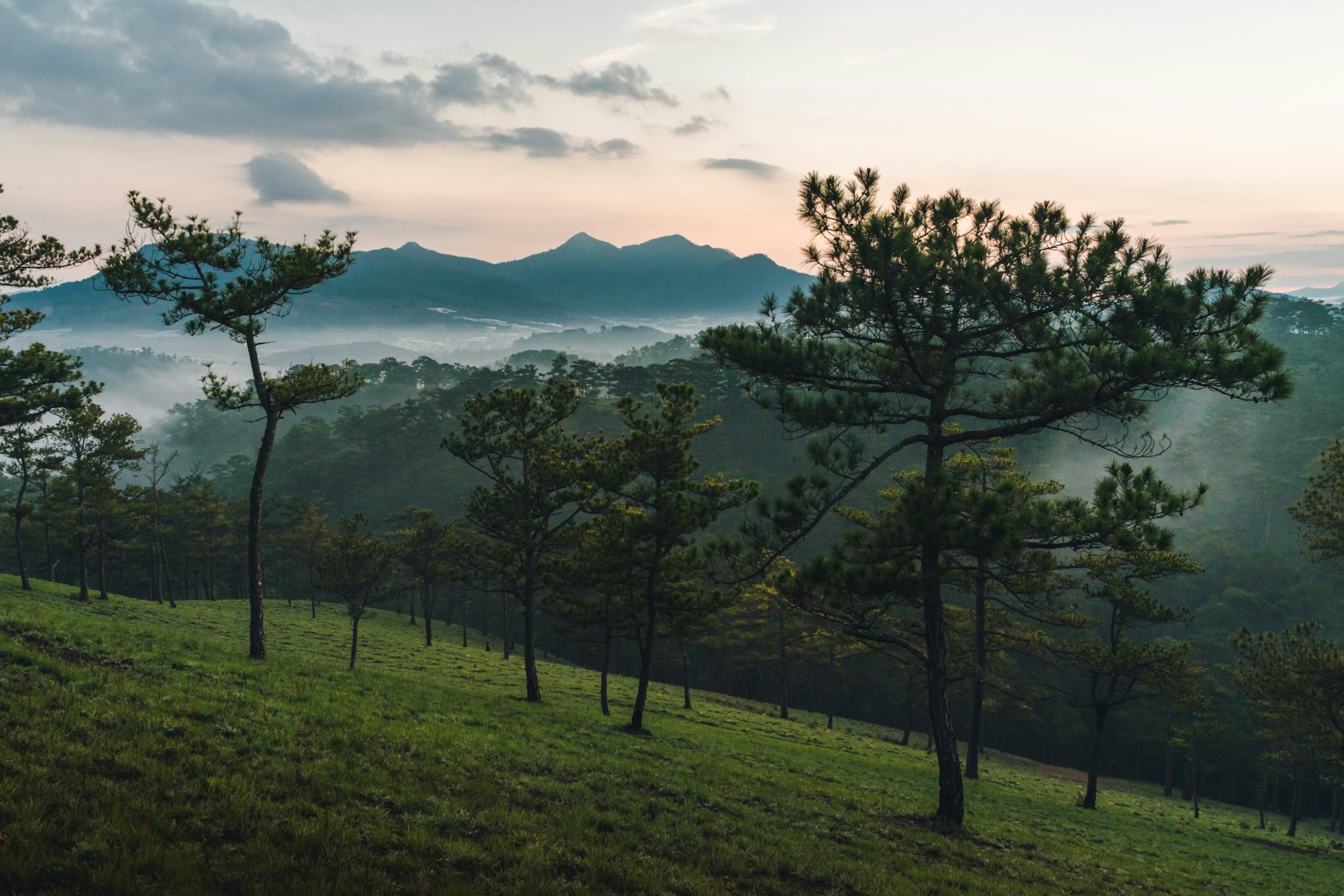
Da Lat is a highland city in Lam Dong Province, central Vietnam, situated on the Lang Biang Plateau. Its elevated setting gives the city a cooler climate than much of southern Vietnam, while pine forests, hills, lakes, and agricultural valleys surround the urban area. Da Lat is known for flower cultivation, vegetable farms, coffee plantations, and distinctive French-influenced architecture.
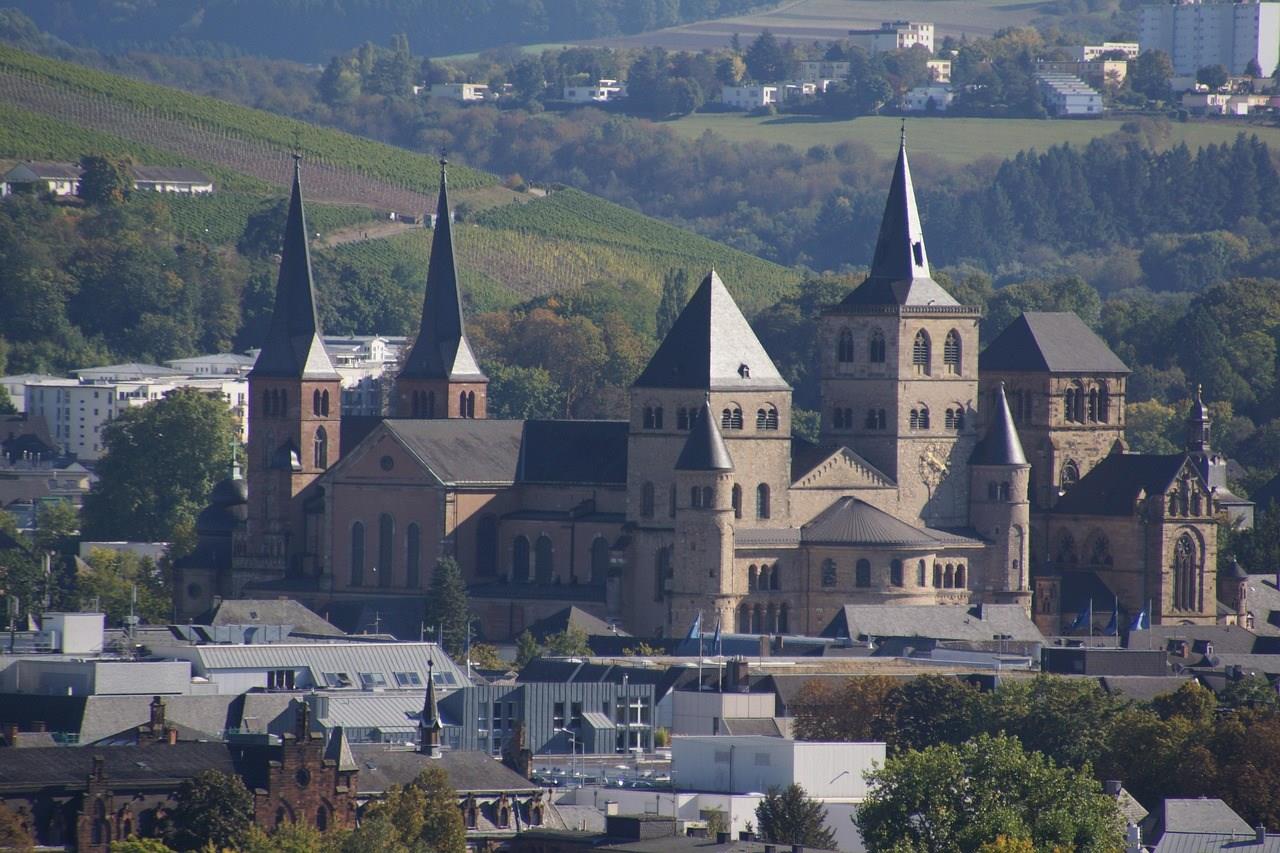
Trier, Germany’s oldest city, is a living museum nestled in the Moselle Valley, where Roman ruins rise beside medieval churches and bustling market squares. Founded by the Romans in 16 BCE, Trier was once known as “Roma Secunda,” the second Rome, and still boasts the largest collection of Roman architecture north of the Alps. The Trier Cathedral (Dom St. Peter), which is a UNESCO World Heritage Site, is the oldest church in Germany and houses a relic said to be the Holy Robe of Christ.
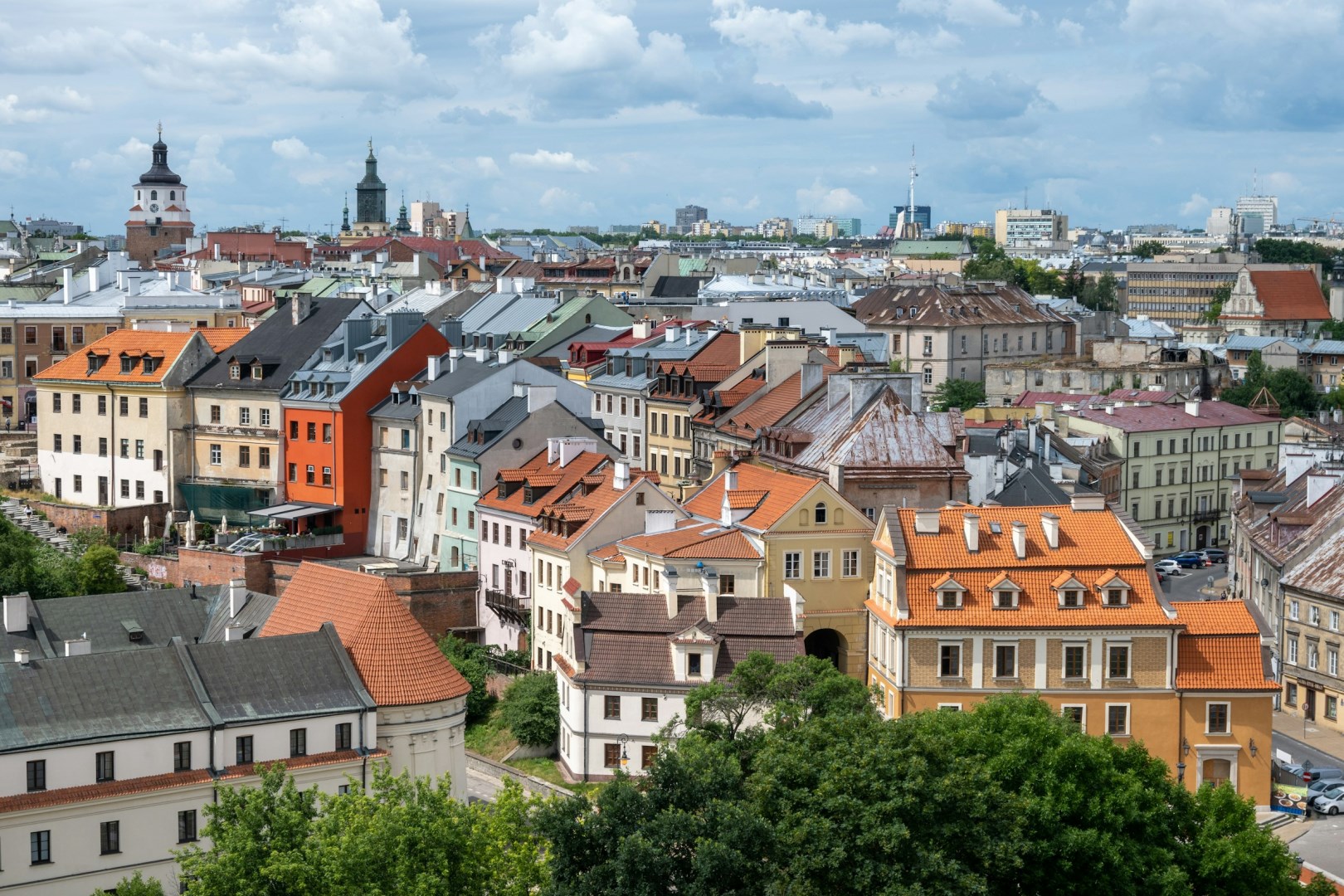
Photo Credit: Photo by Tomasz Zielonka on Unsplash
Located on a trade route to Lithuania and Russia, Lublin was already an important center by the time it received its municipal charter in 1317. The city still remains relatively unknown to foreign tourists. From the original defense walls and the Krakow Gate, the remnant of Lublin's medieval wall system to the town hall and the Renaissance burgher houses in the Market Square, Lublin offers numerous visual delights. The Dominican Church, with its exquisite Firlej Chapel, is a must-see for every visitor. The same stands true for the remains of the Gothic Royal Castle, with its late 14th century Holy Trinity Chapel housing one of the finest examples of medieval Byzantine-style polychromes in Europe.
Lublin is a renowned academic center with its Maria Curie-Sklodowska University and Academy of Medicine. Lublin Catholic University, where pope John Paul II once taught, was established in 1918 and operated continuously throughout the post-war era.
Areas outside of Lublin contain many points of interest as well. An ethnographic park offers a fascinaitng trip through time. Kazimierz Dolny is a picturesque town long favored by artists and writers, and Zamosc, a delightful Renaissance city, is a registered world class heritage location.
Other Popular Destinations in Poland
Kraków
Kraków lies in southern Poland along the Vistula River and serves as one of the country’s most recognized cultural centers. Its layout is shaped by a well-preserved historic core, with streets radiating from a large central square. The city retains a human scale, where daily life unfolds among historic buildings, universities, and markets. It stands apart for its continuity of urban life, where medieval structures coexist with modern institutions without dramatic contrast.
Wroclaw
Wrocław, a captivating gem in southwestern Poland, enchants visitors with its rich history, vibrant culture, and stunning architecture. The city’s picturesque Old Town is centered around the magnificent Market Square (Rynek), where colorful facades and historic buildings like the Gothic Wrocław Town Hall create a fairy-tale atmosphere.