Athens
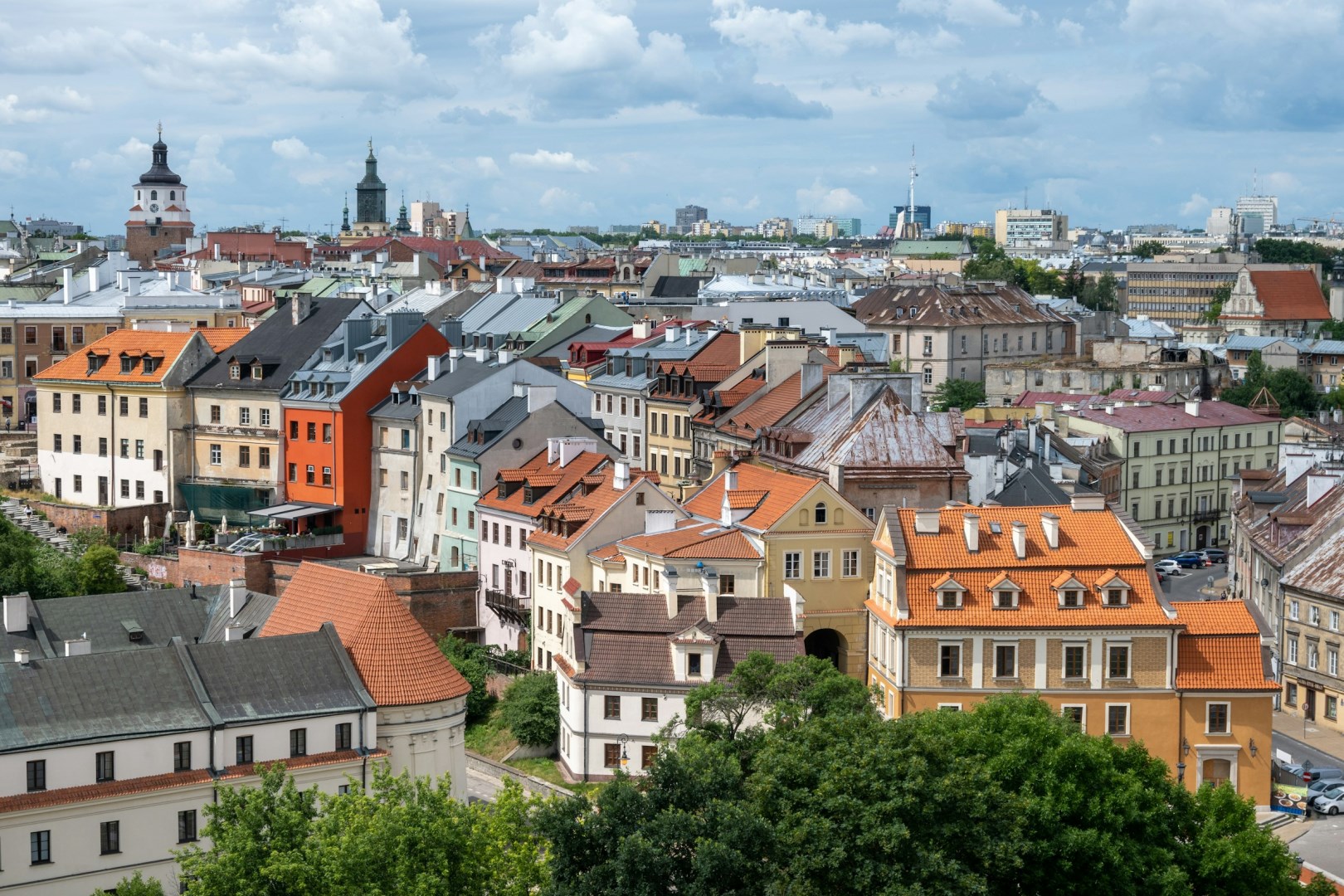
Nestled in the rolling hills of northeast Georgia, Athens is a vibrant city known for its rich history, thriving arts scene, and quintessential Southern charm. Home to the University of Georgia, the birthplace of public higher education in America, Athens brims with youthful energy and intellectual curiosity.

Georgia
Georgia, a state rich in history and natural beauty, offers a captivating blend of cultural experiences and outdoor adventures. In the heart of Atlanta, the Martin Luther King Jr. National Historic Site invites visitors to explore the life and legacy of the civil rights leader through his childhood home and the Ebenezer Baptist Church where he preached.
Porto Torres
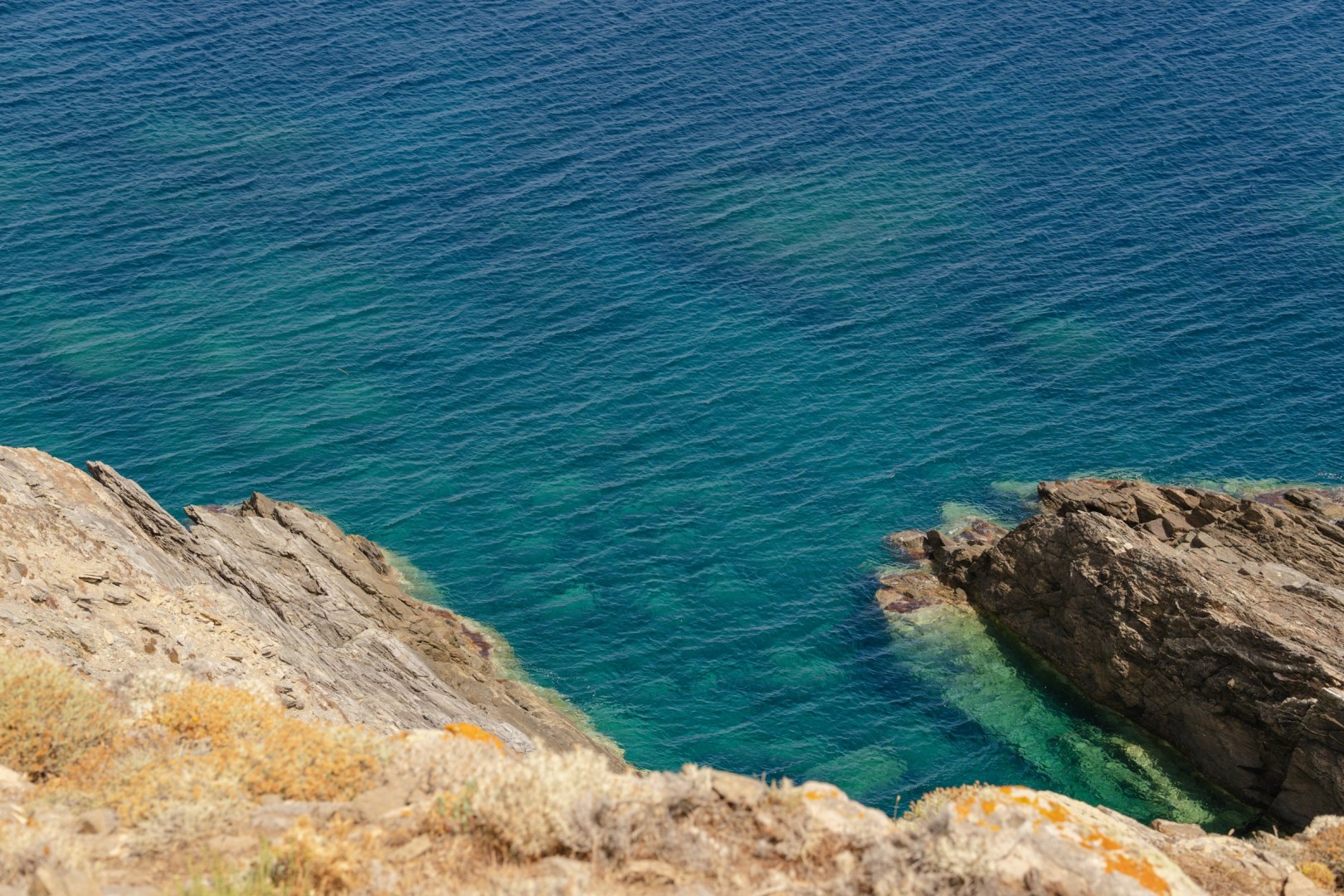
Porto Torres is a city in northern Sardinia, situated on the bay of the Gulf of Asinara. It is home to a number of historical sights: the Basilica of San Gavino, an 11th-century Romanesque church, the largest in Sardinia; the necropolis of Su Crucifissu Mannu, an archaeological site from the Neolithic age; the remains of the Roman bridge on the Rio Mannu; and the ancient megalithic edifices known as nuraghi which have become a symbol of the Sardinian region.
Bled
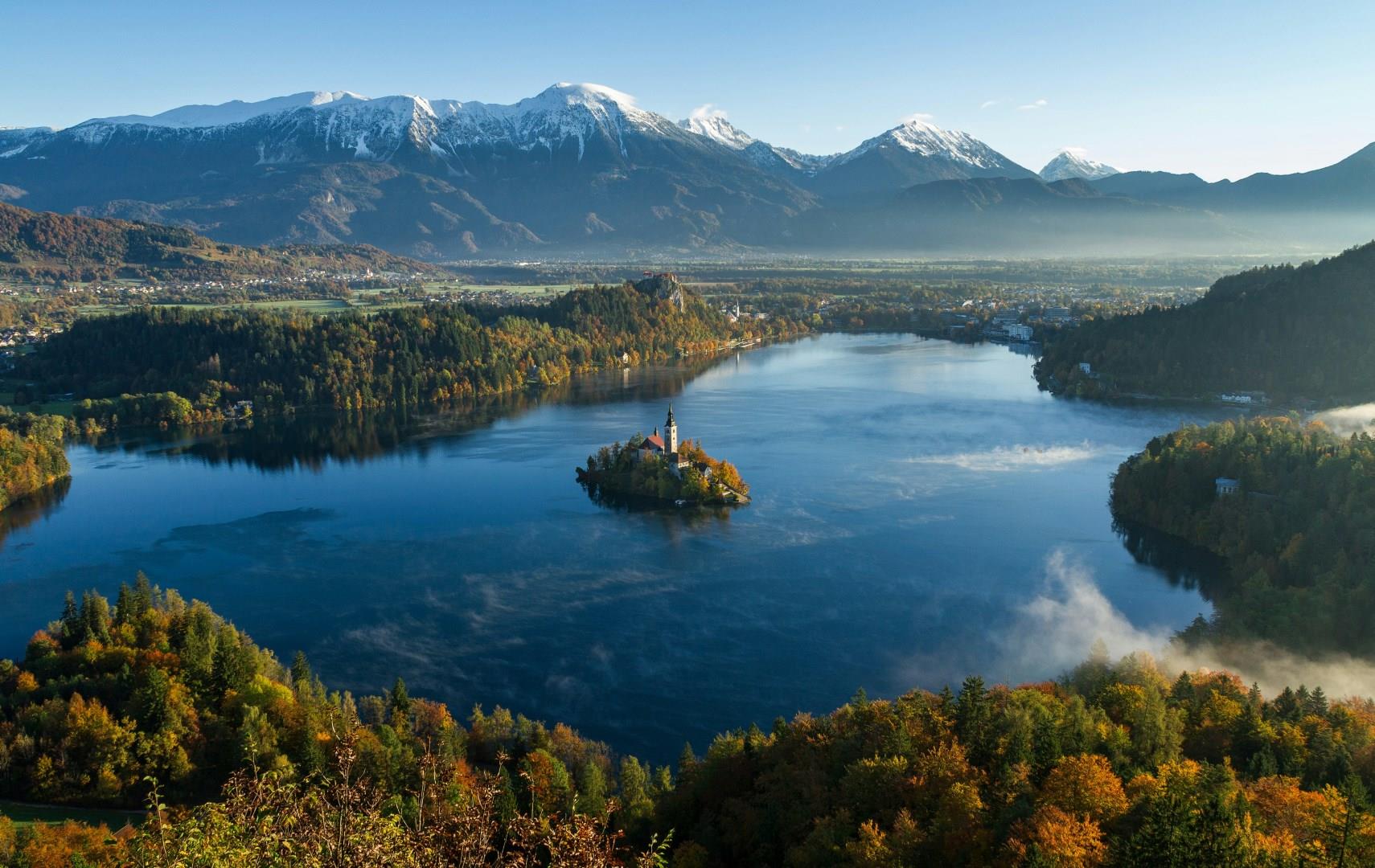
Bled, a small town in northwestern Slovenia, has gained international attention thanks to its lake, which features a lone island topped with a baroque church. Visitors often take traditional wooden boats called pletna to reach the island, where it's customary to ring the church bell and make a wish. According to local legend, the bell was originally cast in memory of a young widow’s lost husband, and today, its chime echoes across the lake as a symbol of devotion and hope.

Menton
Menton, known as the "Pearl of France," is a sun-soaked gem nestled along the French Riviera, bordering Italy. With its charming pastel-colored facades cascading down the hillside and its deep blue Mediterranean backdrop, Menton exudes an irresistible allure. The city's unique microclimate, warmer than the surrounding area, has earned it a reputation as a haven for lush gardens.