Yamoussoukro
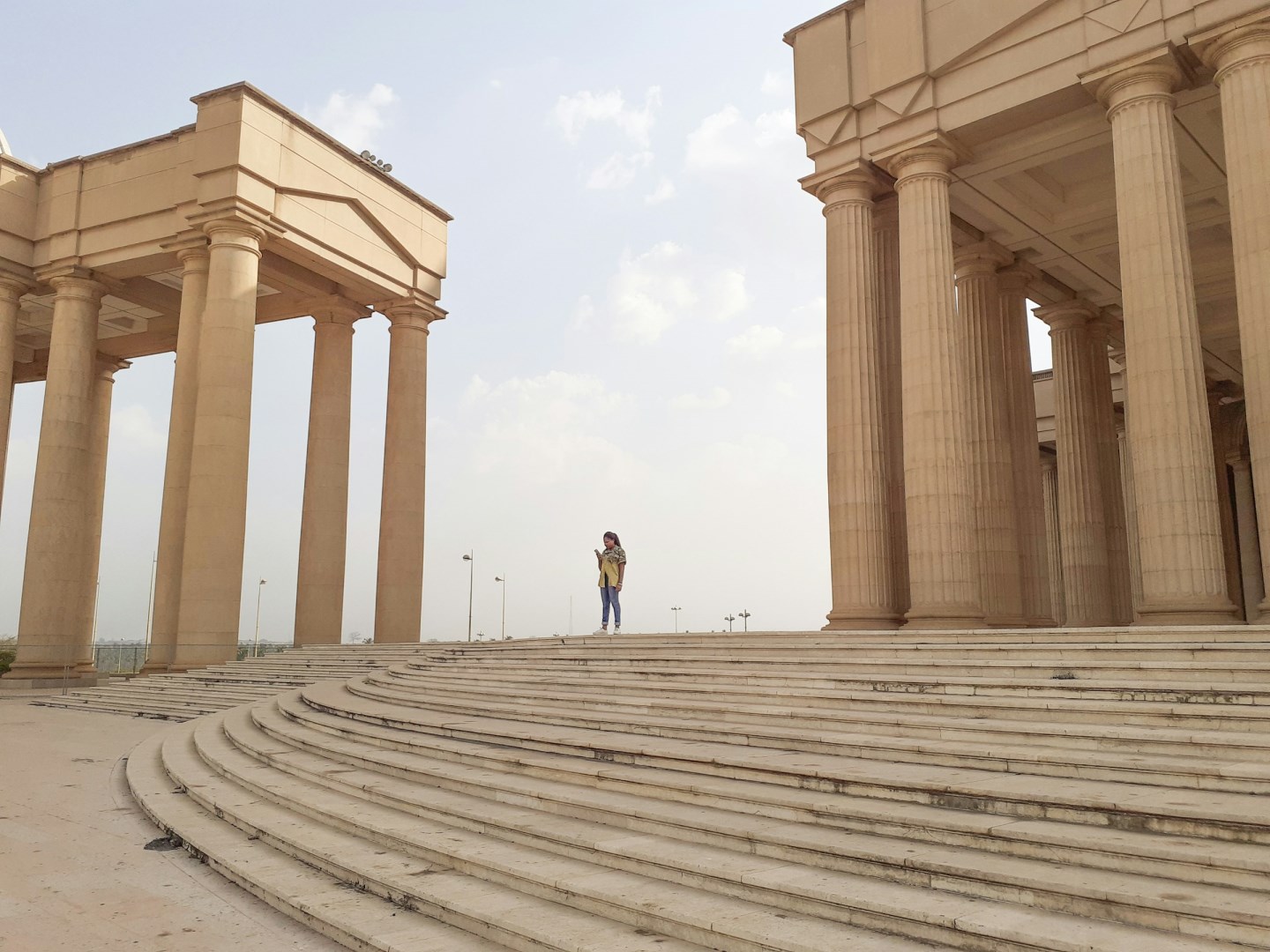
Yamoussoukro is the political and administrative capital of Côte d’Ivoire, located in the country’s central region amid gently rolling land, cultivated fields and patches of forest.
Tongariro National Park
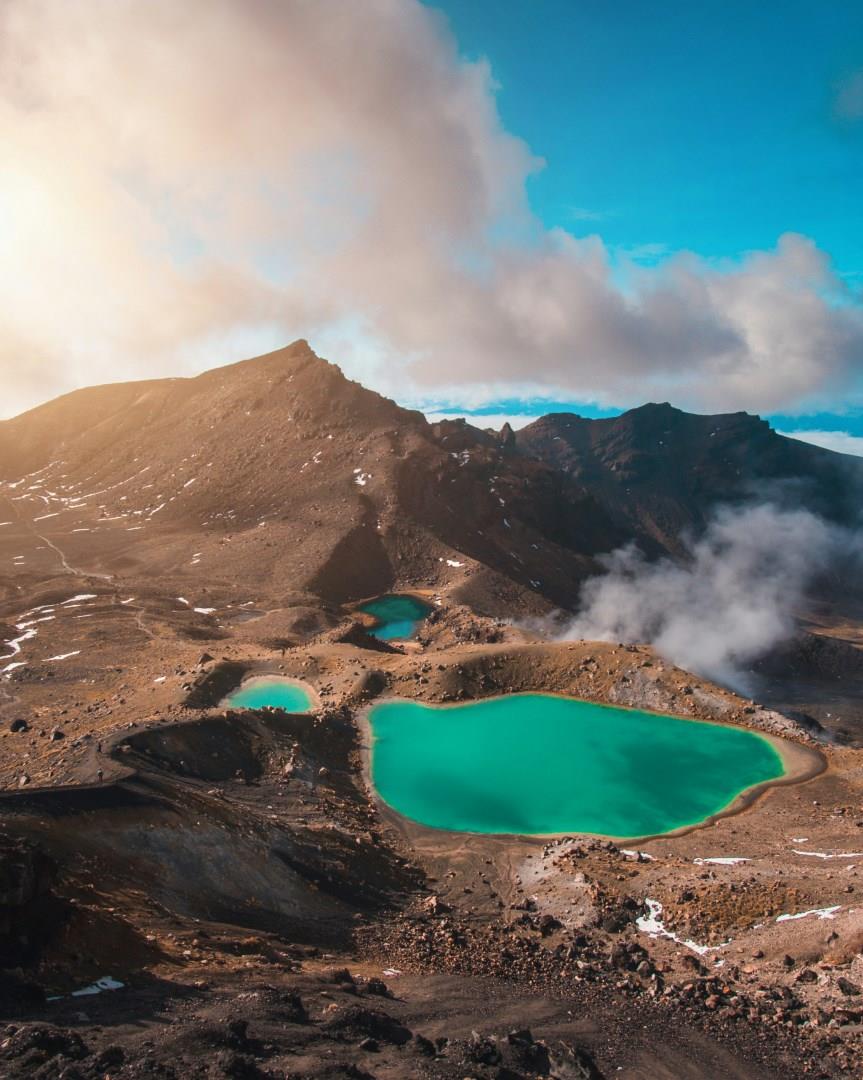
Tongariro National Park, on New Zealand’s North Island, holds deep cultural meaning as well as striking geological presence. It was the country’s first national park, gifted to the nation by Ngāti Tūwharetoa chiefs in the 19th century, establishing a model that tied conservation to Māori guardianship. The volcanic peaks of Tongariro, Ngāuruhoe, and Ruapehu are considered ancestors, giving the landscape a living cultural identity rather than a purely scenic one.

Tata
Set along the edge of the Anti-Atlas and the northern reaches of the desert, Tata offers a landscape shaped by sun, stone, and water. The town sits within a wide oasis valley, where palm groves stretch across the land in sharp contrast to the surrounding dry hills. Life here depends on careful use of water, and visitors quickly notice how every field and garden is planned with purpose. The result is a setting that feels both remote and deeply connected to the land.
St. Louis
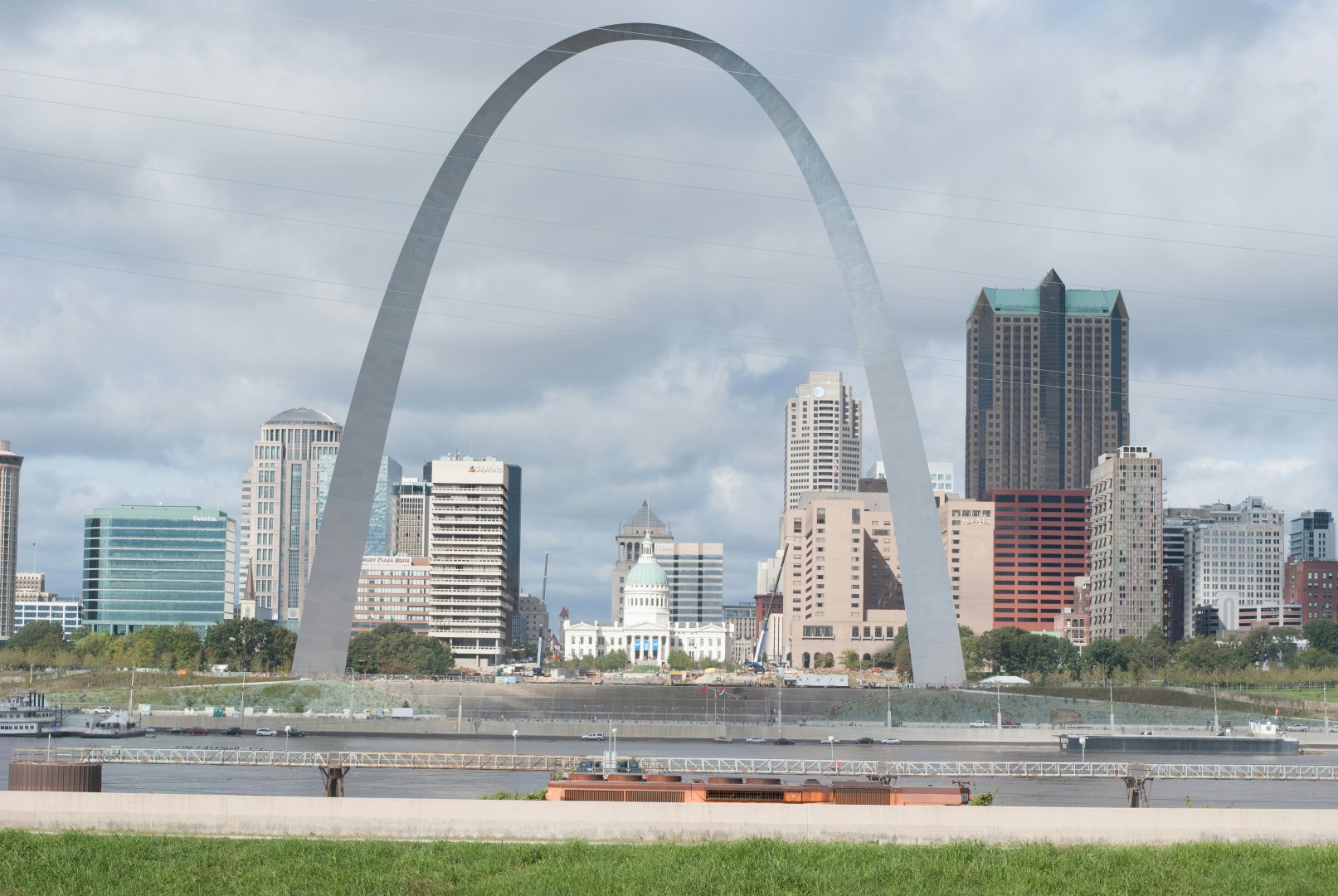
St. Louis is a major city in the state of Missouri, United States, located along the western bank of the Mississippi River. It is widely recognized for the Gateway Arch, which defines its skyline and reflects its historical role as a point of movement toward the western parts of the country.
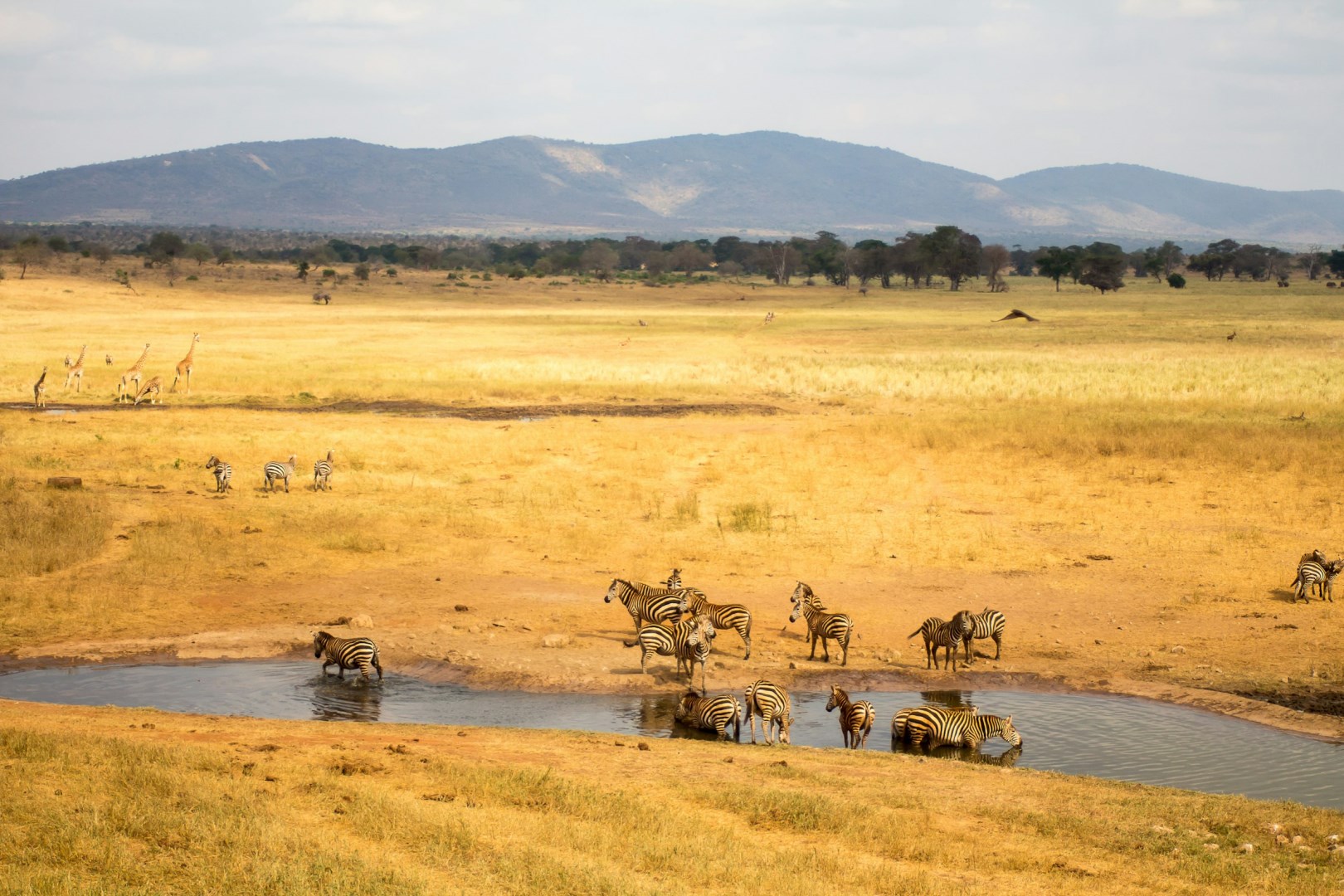
Taita Hills
Taita Hills rise above the dry plains of southeastern Kenya in Taita-Taveta County, forming a mountainous landscape between the Tsavo plains and the coastal region. The hills are part of the northern Eastern Arc Mountains and include steep slopes, cultivated valleys, and remaining patches of indigenous forest. Their cooler and wetter conditions contrast with the surrounding semi-arid lowlands, creating a range of habitats within a relatively small area.