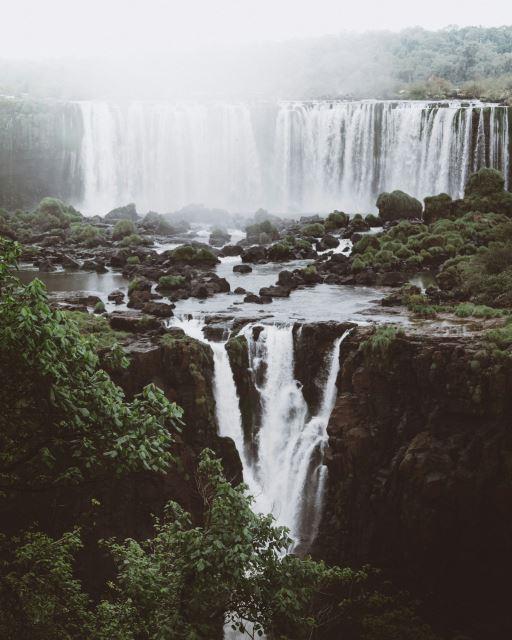
Fiordland National Park, located on the southwestern tip of New Zealand's South Island, is a breathtaking wilderness that captivates visitors with its dramatic landscapes of towering fjords, cascading waterfalls, and lush rainforests. Established in 1952, Fiordland is part of the Te Wahipounamu UNESCO World Heritage site, recognized for its stunning natural beauty and unique biodiversity.
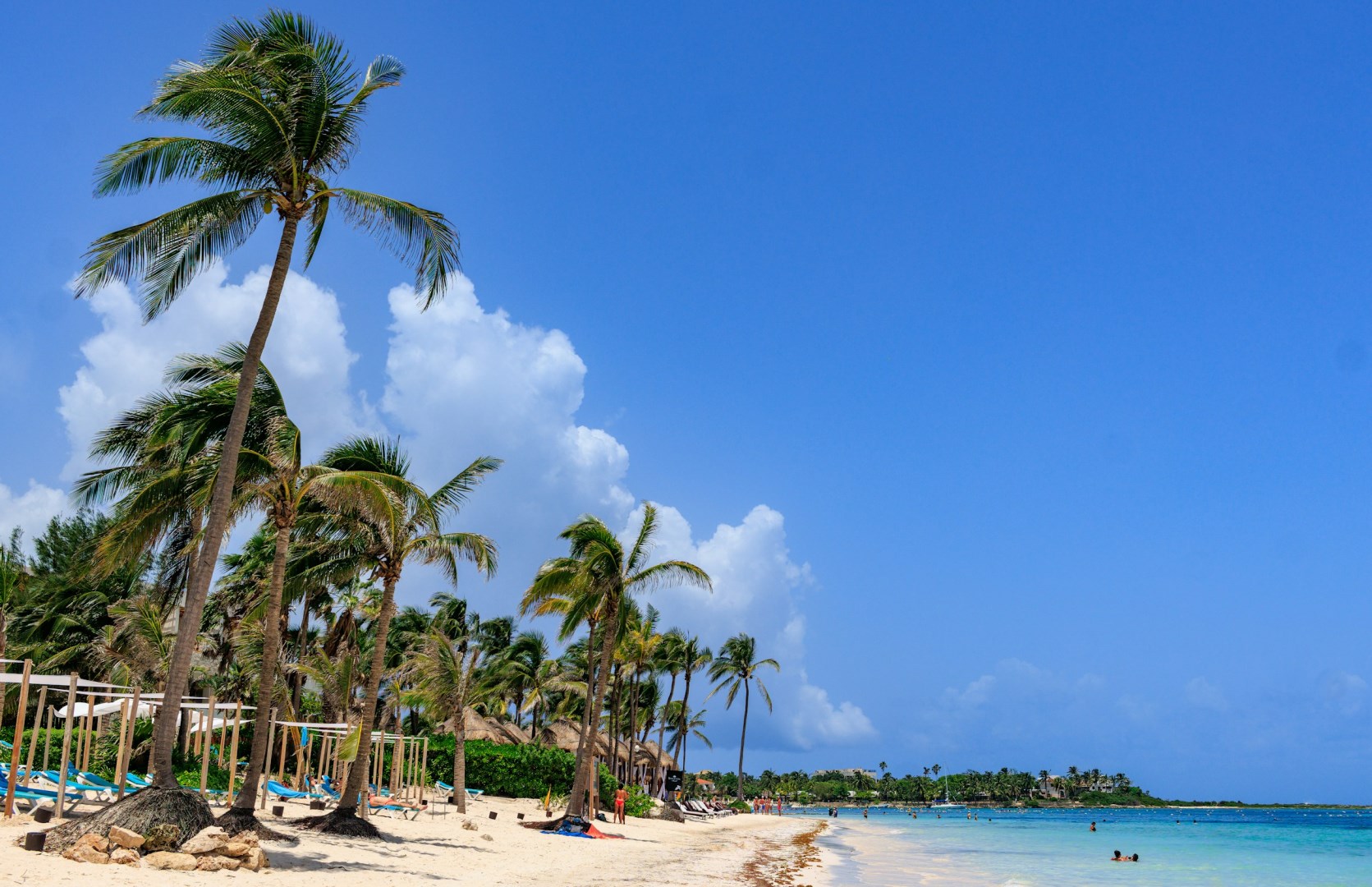
The Coral Coast stretches along the southern edge of Fiji’s main island of Viti Levu, beginning around 15 km south of Nadi and continuing toward Suva. This 80 km shoreline is dotted with beaches that widen at low tide, bays set against green hills, and a series of small townships that feel welcoming and down to earth. Sigatoka, often called the gateway to the Coral Coast, sits beside the winding Sigatoka River, where local markets brim with fresh tropical fruit and handmade crafts.
Dominica, known as the “Nature Island of the Caribbean,” is a haven for eco-tourists and adventure seekers. Nestled between the French islands of Guadeloupe and Martinique, this lush island boasts a remarkable landscape of volcanic mountains, dense rainforests, and stunning waterfalls. Dominica’s most iconic natural wonder is the Boiling Lake, the second-largest hot spring in the world.
With its blend of natural beauty, historic charm, and artistic flair, Nice offers an unforgettable experience on the French Riviera. Whether wandering through its picturesque streets, enjoying a day at the beach, or savoring its regional cuisine, visitors will fall in love with this enchanting city.
Manama pulses with stories from long ago and today. Just beyond the modern skyline lies Qal’at al‑Bahrain, a layered mound once the capital of Dilmun, used by societies from the Kassites to the Portuguese. Visitors can climb its crumbling stairways and imagine life across centuries there. Nearby, the Bahrain National Museum, opened in 1988 in a stately waterside building, displays archaeological finds from ancient Dilmun to modern-day artifacts and is one of the Gulf's first modern museums.
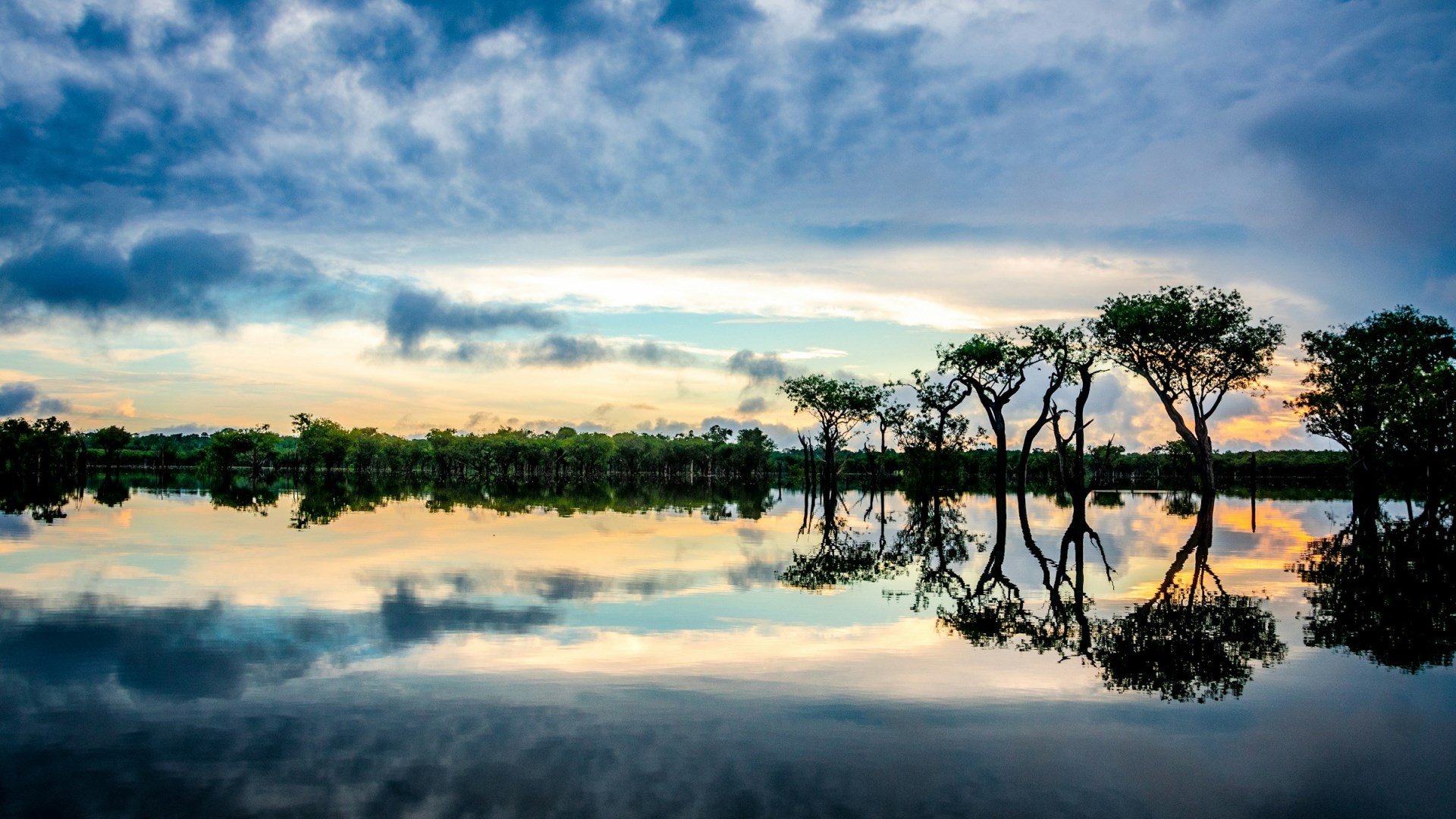
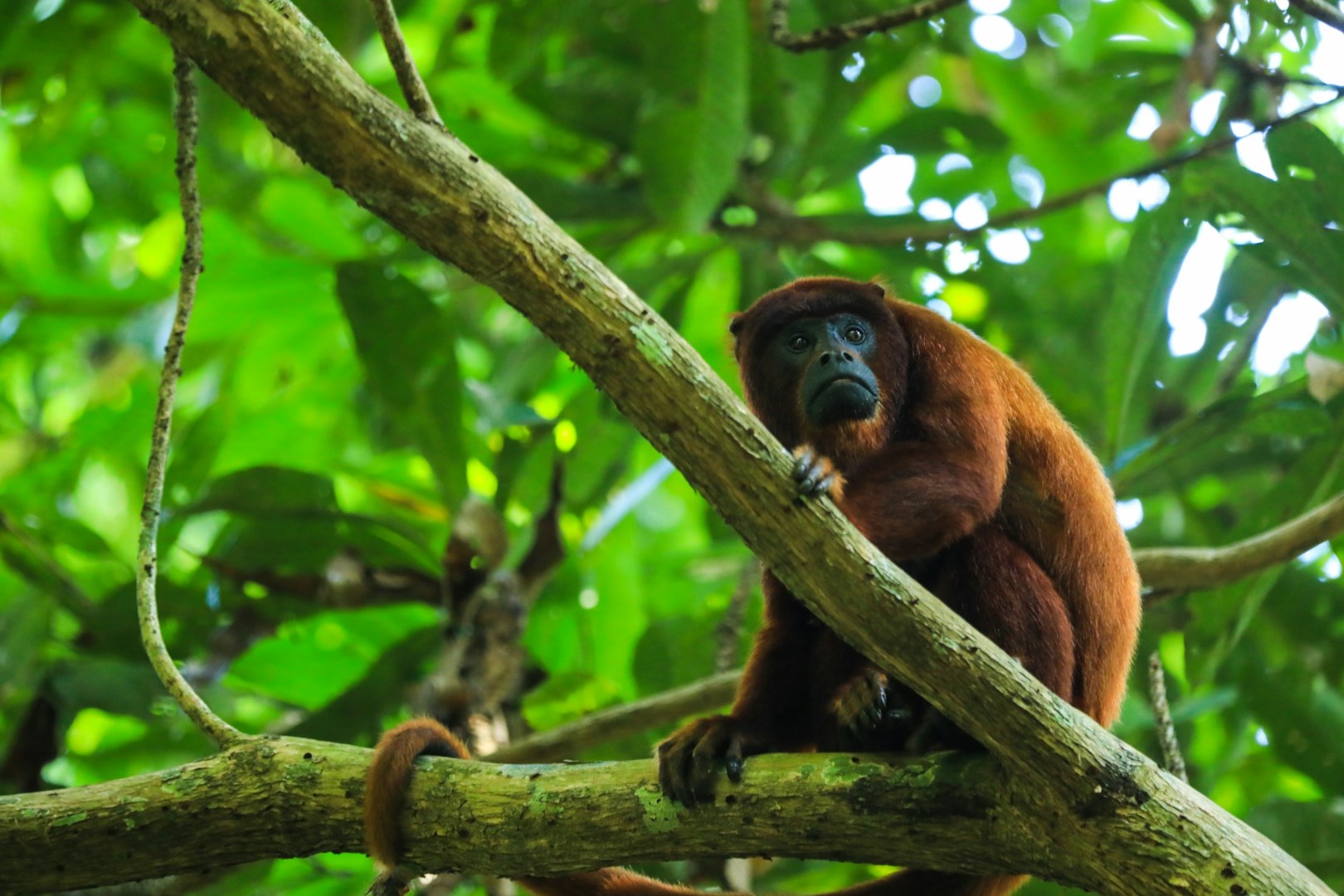
Exploring the Amazon Jungle in Brazil is like venturing into the heart of a living, breathing world. The Amazon Rainforest, often referred to as the "lungs of the Earth," is a lush, sprawling expanse that teems with extraordinary biodiversity. Located primarily in northern Brazil, this vast jungle covers over 5.5 million square kilometers and is home to an estimated 10% of the known species on the planet.
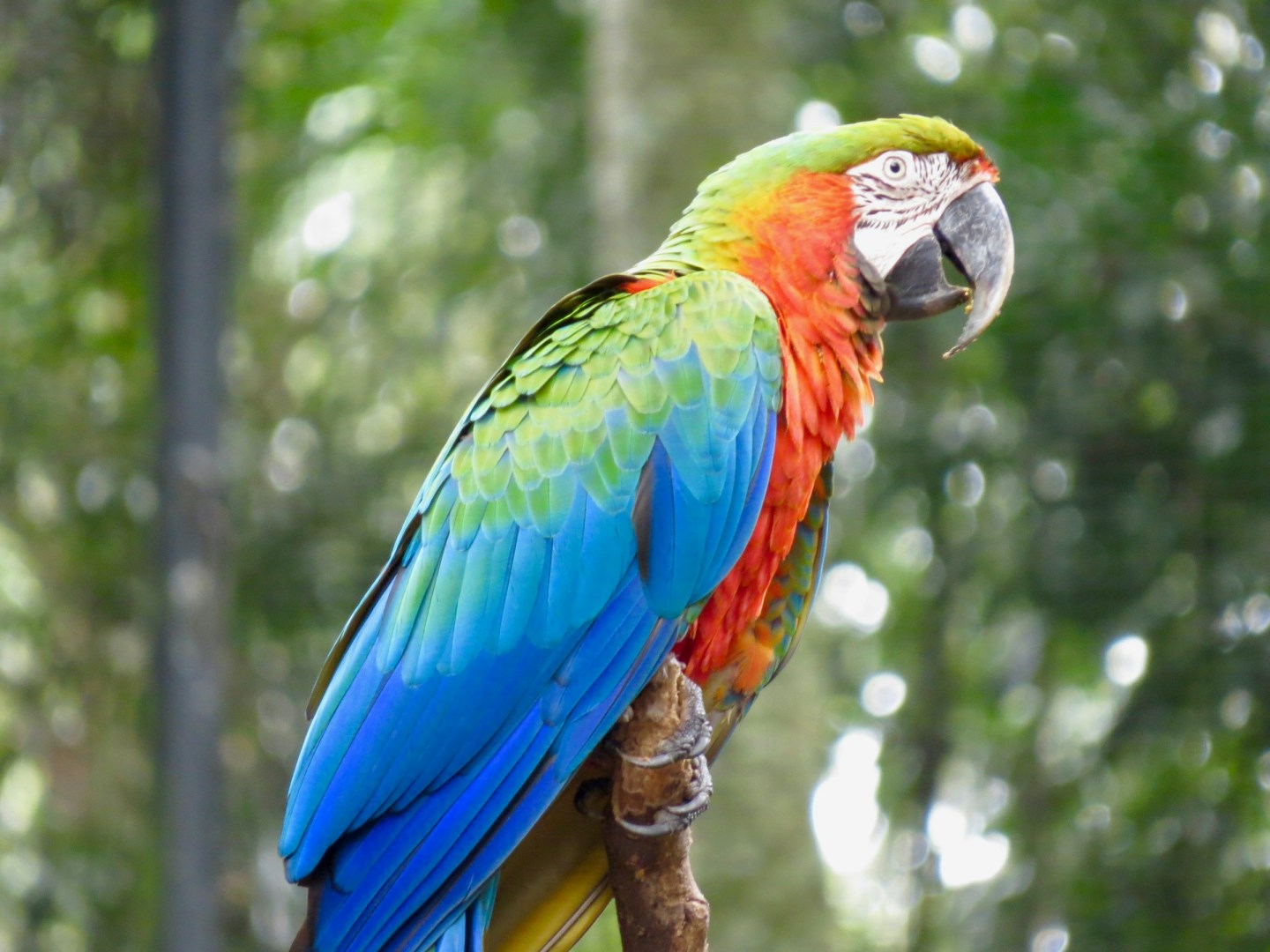
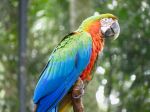
One of the highlights of visiting the Amazon Jungle is immersing yourself in its rich ecosystem. From guided boat tours along the meandering Amazon River to treks through dense jungle trails, the region offers unparalleled opportunities for wildlife spotting. Expect to encounter vibrant toucans, elusive jaguars, and playful pink river dolphins. For an in-depth exploration, you might consider a stay at an eco-lodge, where you can experience the forest's serenity while supporting sustainable tourism.
In addition to its natural splendor, the Amazon is a cultural treasure trove. Indigenous communities, such as the Yanomami and Kayapo, live in harmony with their environment and offer visitors unique insights into traditional practices and crafts. Engaging with these communities through responsible tourism initiatives helps preserve their heritage and fosters a deeper understanding of their way of life.
Fun Fact: The Amazon Rainforest is so vast that it influences global weather patterns. Its dense vegetation releases moisture into the atmosphere, which helps regulate the Earth's climate. So, by visiting the Amazon, you're not only experiencing its natural beauty but also contributing to the health of the planet.
Whether you're an adventure seeker or a nature enthusiast, the Amazon Jungle offers an unparalleled journey into one of the world's most vital and vibrant ecosystems.