Lucca
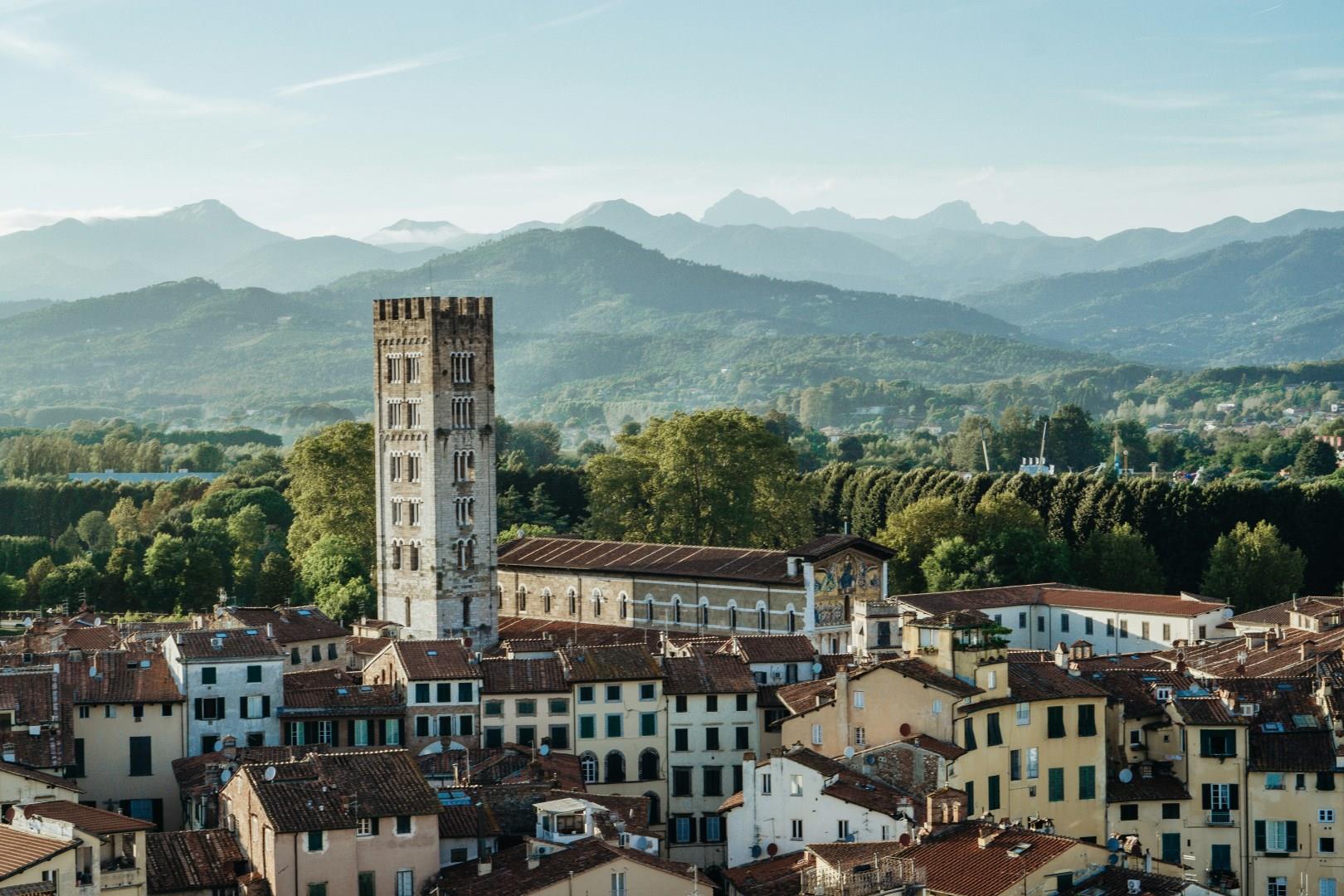
Lucca, a Tuscan city surrounded by remarkably intact Renaissance walls, offers more than just postcard views. Known for its quiet streets and grand piazzas, Lucca stands apart with its circular street layout, still following the lines of a Roman amphitheater from centuries ago. The walls, now repurposed as a 4-kilometer tree-lined park, are a favorite route for locals and visitors who explore them on foot or by bike, passing old bastions and panoramic viewpoints along the way.
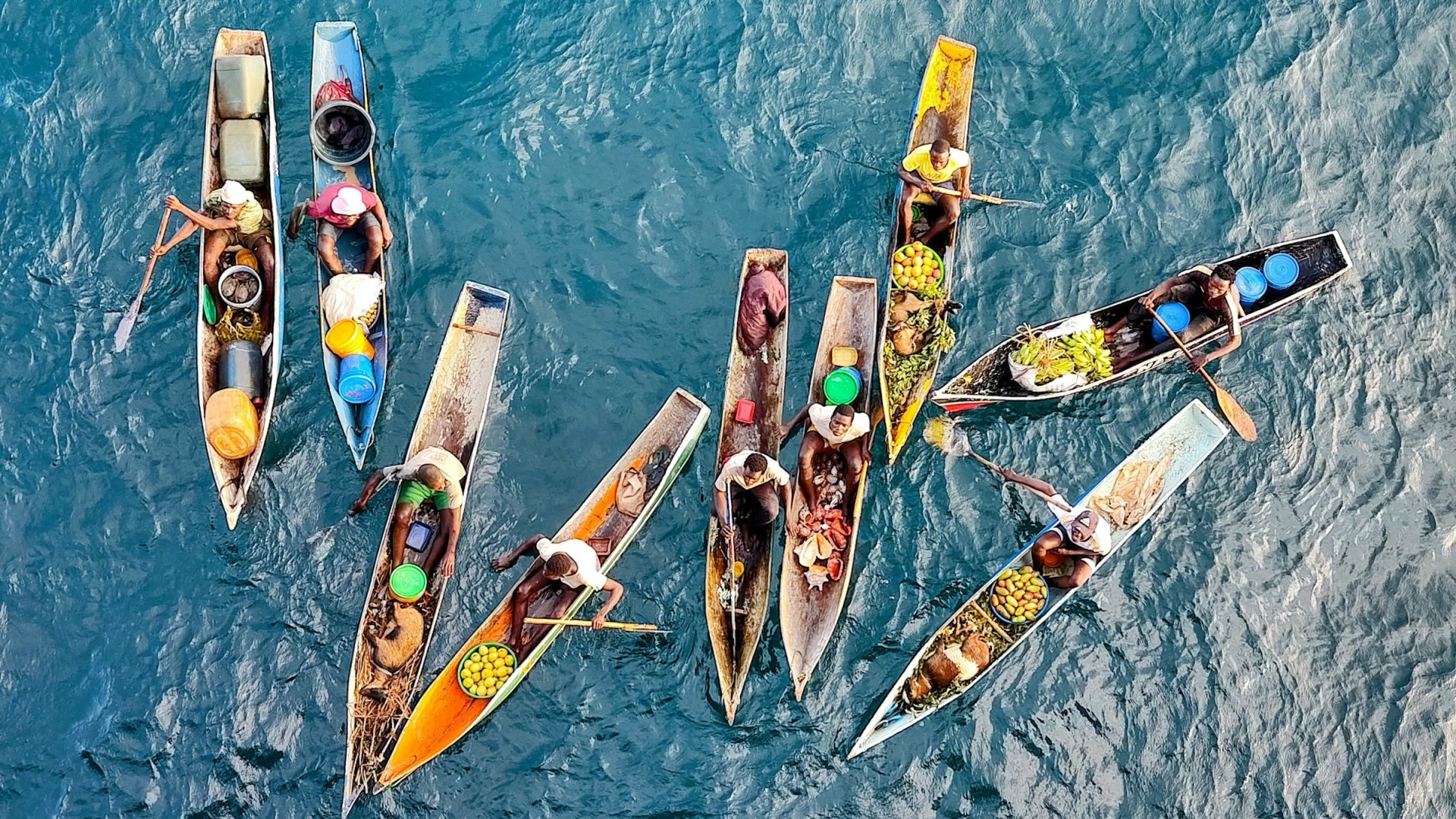
Nacala
Nacala is a port city on the northern coast of Mozambique, in Nampula Province, overlooking the Indian Ocean.

Medellín
Nestled in the Aburrá Valley and surrounded by the Andes mountains, Medellín offers a stunning backdrop for visitors and boasts a pleasant climate year-round, earning it the nickname "City of Eternal Spring."
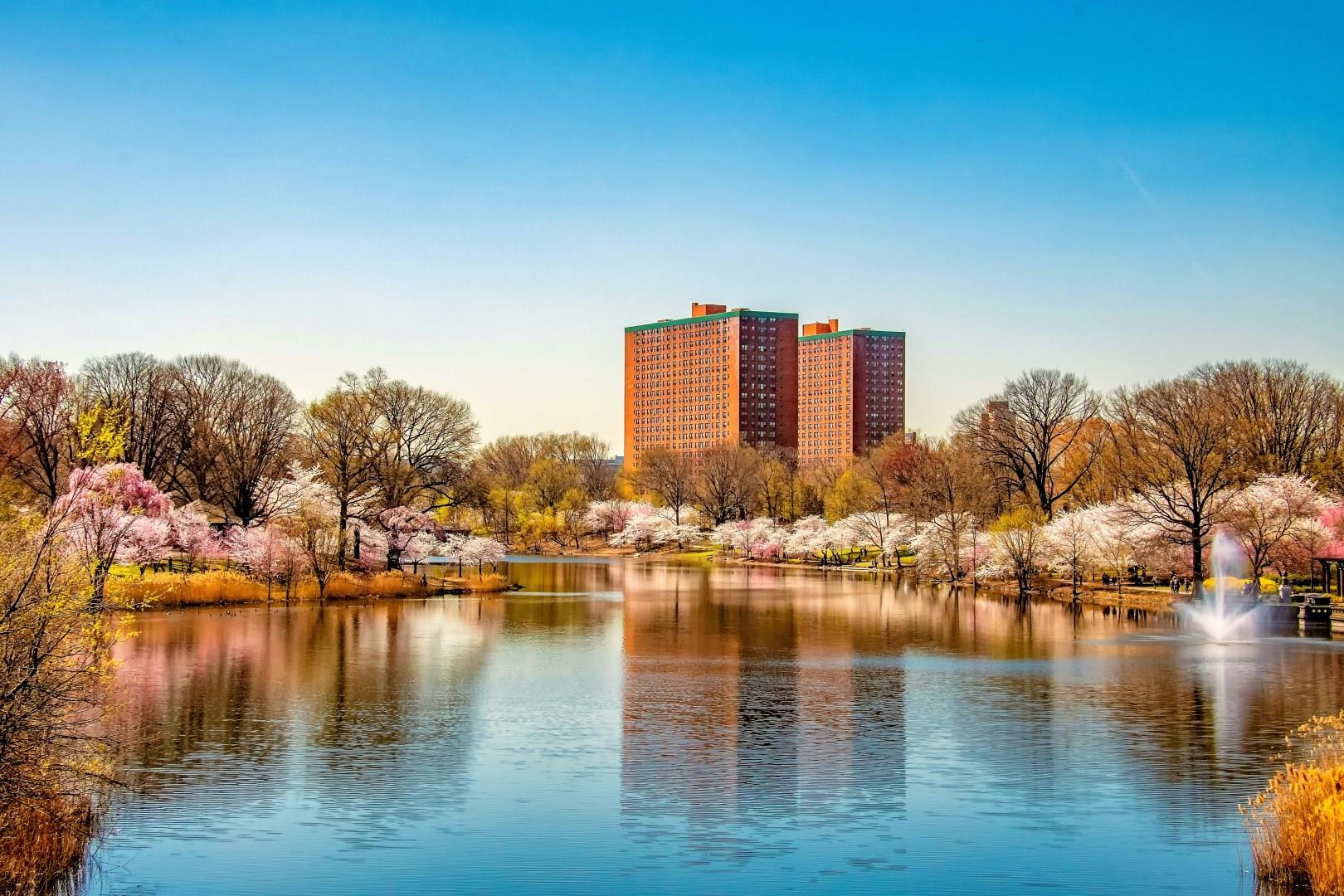
Newark
Newark, New Jersey is often overshadowed by its proximity to New York City but still has a strong identity rooted in history, art, and global culture. As one of the oldest cities in the United States, founded in 1666, Newark’s rich past is visible in landmarks like the Old First Presbyterian Church and Military Park, where George Washington once camped. The city’s architecture reflects its legacy, from the Beaux-Arts Newark Museum building to the art deco facade of the historic Hahne & Co. depar

Seward
Seward is a coastal city at the head of Resurrection Bay on Alaska’s Kenai Peninsula. Mountains rise around the community, while its harbor opens toward the Gulf of Alaska. The city is an important gateway to Kenai Fjords National Park and a center for commercial fishing, marine transportation, and outdoor recreation. Seward also marks the southern terminus of the historic Iditarod Trail.