Beppu
Beppu boasts the largest volume of hot water and number of hot spring sources in Japan. The city is divided into eight distinct hot spring areas.
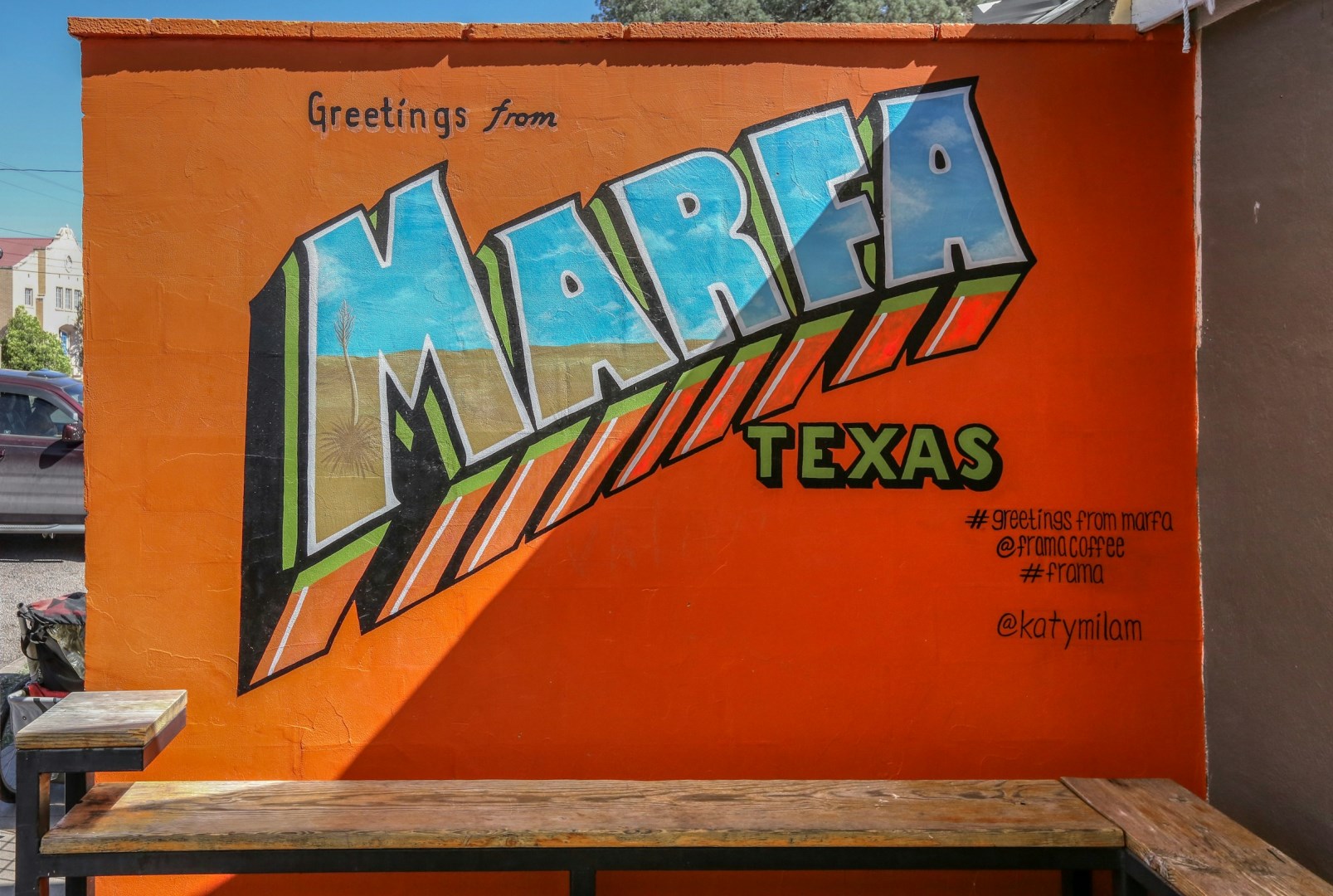
Marfa
This desert city in west Texas might be small in size, but it is big in arts! As an arts hub, founded by artist Donald Judd, it features both huge outdoor, and indoor, installations on an old army base. Whether you are looking for traditional, or quirky, in your art, Marfa has it.
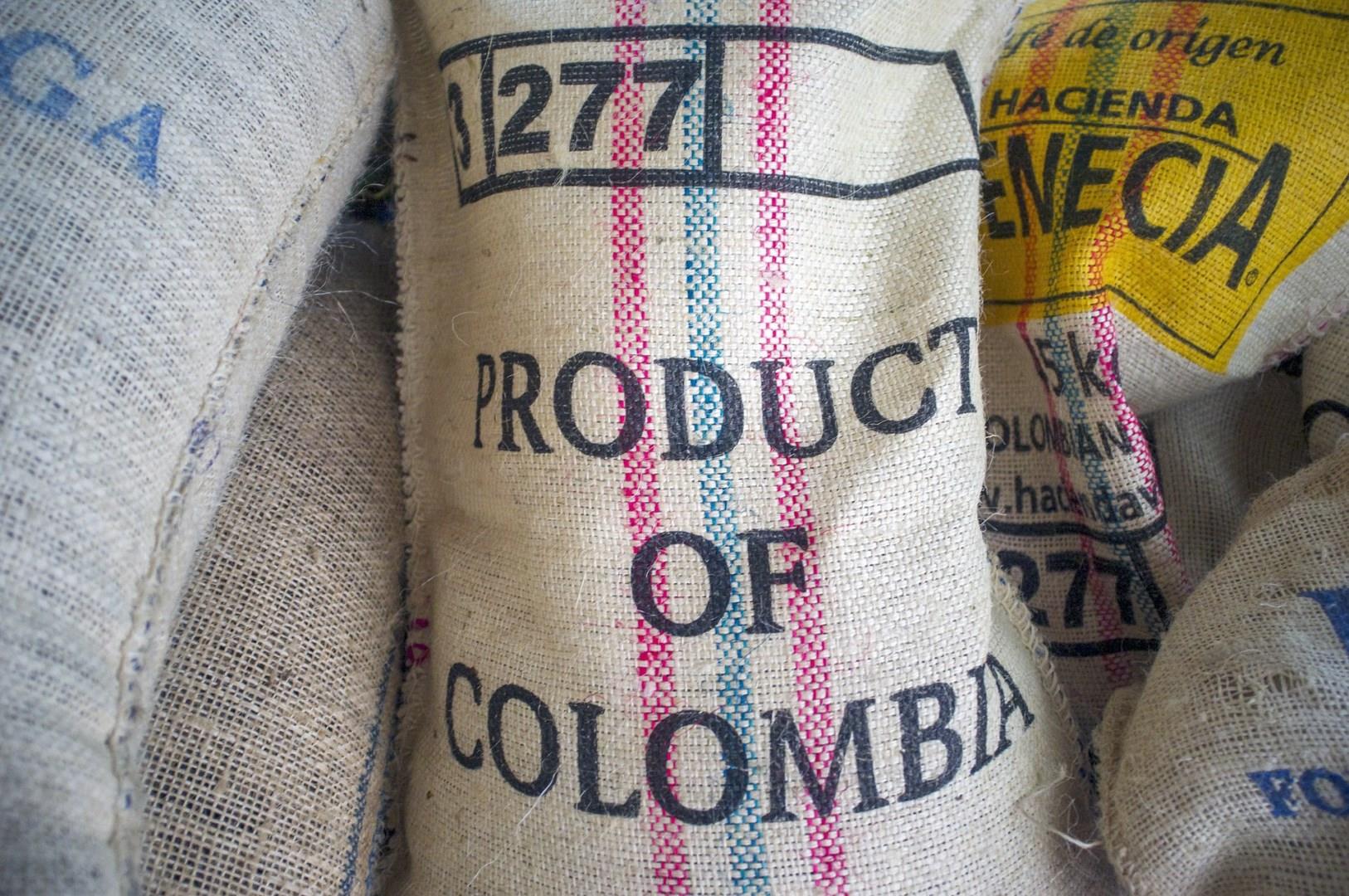
Colombia
Colombia, a country where the Andes meet the Amazon, and vibrant cities lie amidst lush rainforests, is a destination that captivates travelers with its rich culture, history, and natural beauty. From the bustling streets of Bogotá to the colorful, colonial architecture of Cartagena and the coffee-scented mountains of the Coffee Triangle, Colombia offers diverse experiences for every type of visitor.

Cobh
Cobh, a colorful harbor town in County Cork, holds a unique place in Irish history and maritime heritage. Once known as Queenstown, it was the final port of call for the Titanic in 1912. Today, the Titanic Experience Cobh offers visitors a chance to step into the footsteps of the 123 passengers who boarded that day. Located in the original White Star Line ticket office, the museum tells personal stories of those who left from this very spot, blending interactive exhibits with original artifacts.

Prizren
Prizren, nestled in the picturesque valley of the Sharr Mountains in Kosovo, is a city where history and culture converge in a remarkably scenic setting. Known for its well-preserved Ottoman architecture, Prizren offers a rich tapestry of historical sites, including the iconic Sinan Pasha Mosque and the ancient Kaljaja Fortress, which overlooks the city from its commanding hilltop.