Chitre
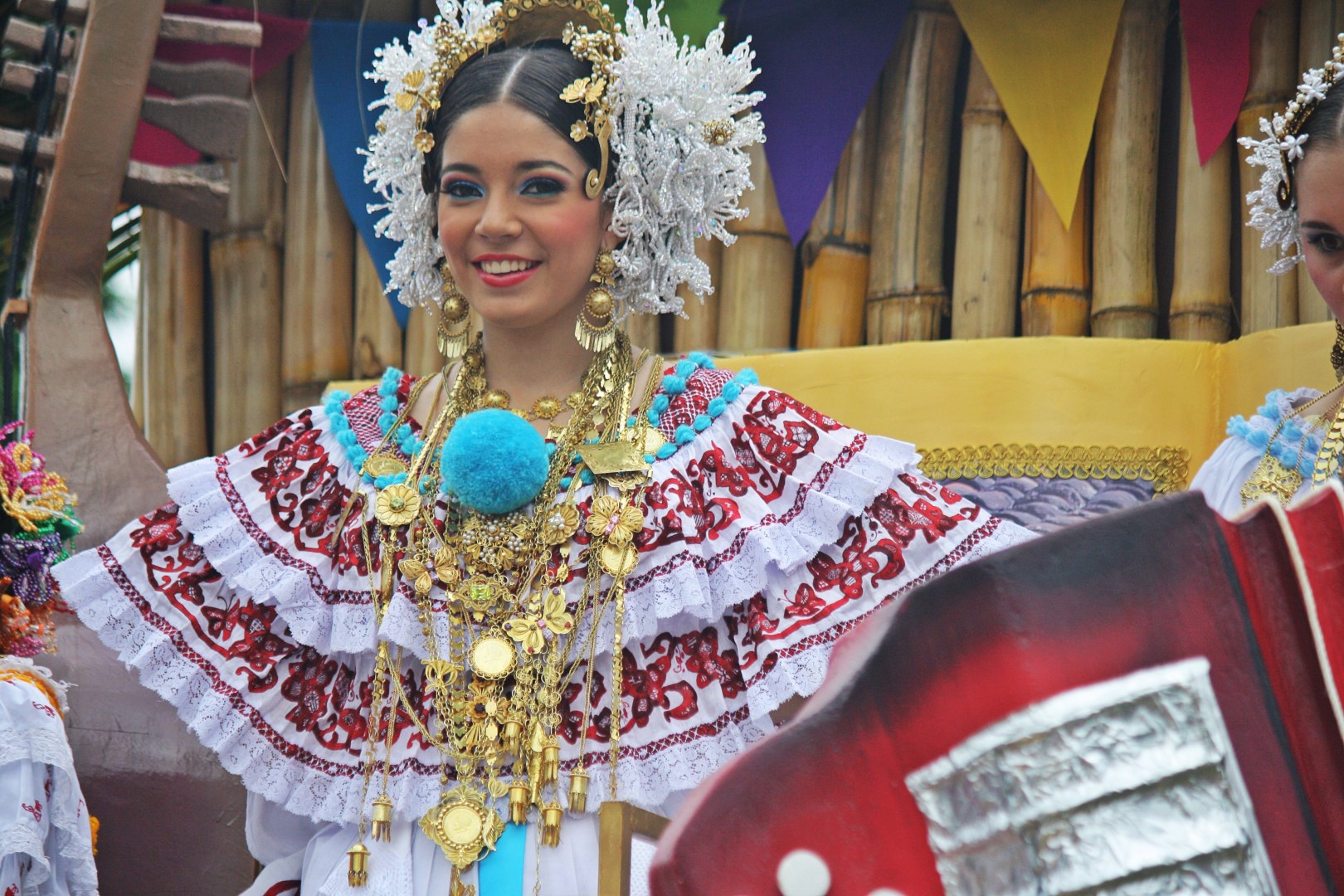
Chitré is a city in central Panama, located on the Azuero Peninsula and serving as the capital of Herrera Province. The cultural identity of Chitré is closely tied to folkloric traditions that remain visible in clothing, music, and public celebrations.
Pacific Harbour
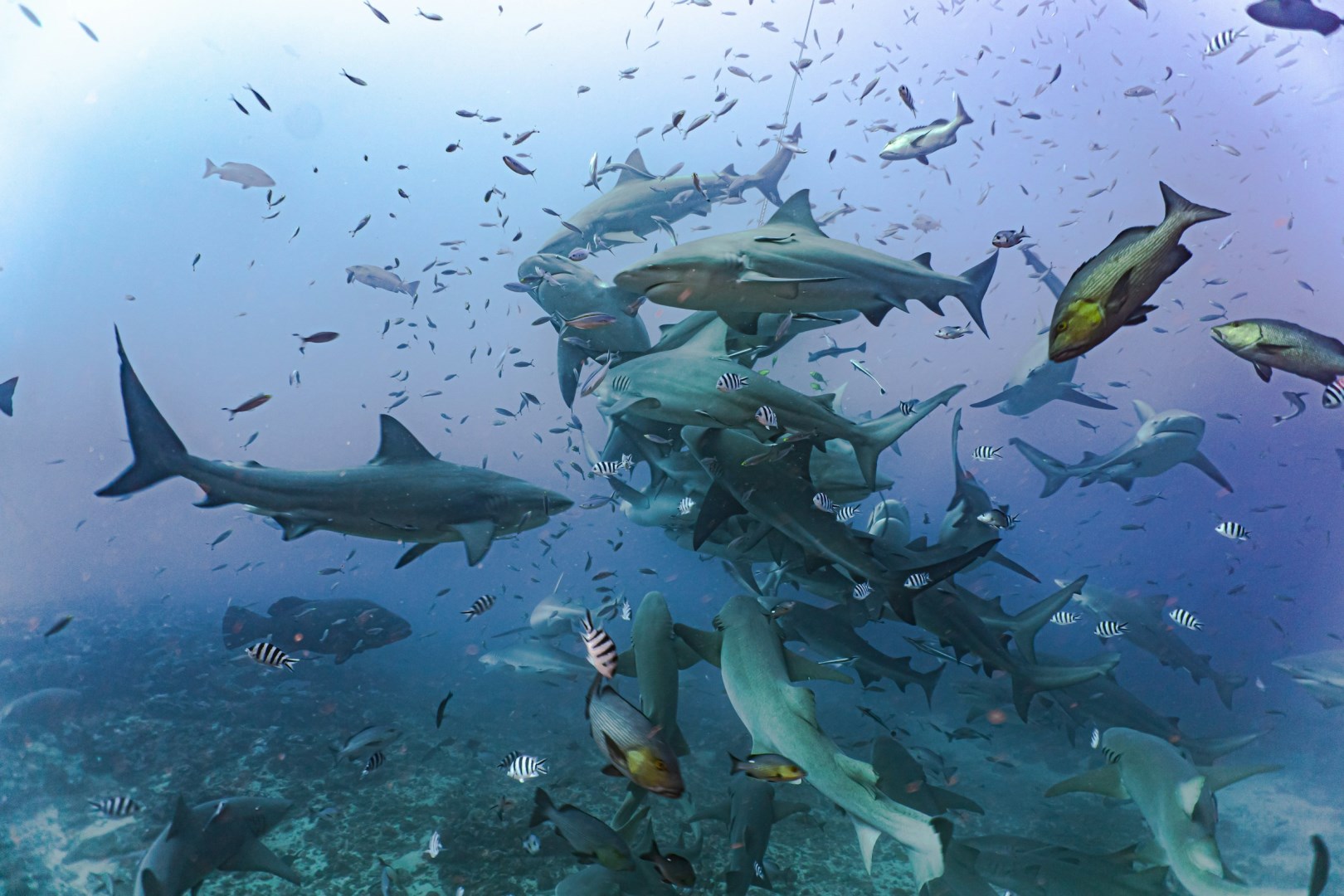
Pacific Harbour, located on the southern coast of Viti Levu in Fiji, is known as the country’s “Adventure Capital.” Once envisioned as a luxury resort community, it has evolved into a dynamic destination that blends tropical relaxation with outdoor excitement.

St. Maarten
St. Maarten, a dazzling island in the Caribbean, is renowned for its unique blend of Dutch and French cultures, reflecting its dual governance. The capital, Philipsburg, on the Dutch side, invites visitors with its vibrant Front Street, lined with duty-free shops, colorful markets, and charming eateries. The island’s cultural tapestry is further showcased in the Museum of Sint Maarten, where artifacts and exhibits illustrate the island's rich history and heritage.
Ittoqqortoormiit
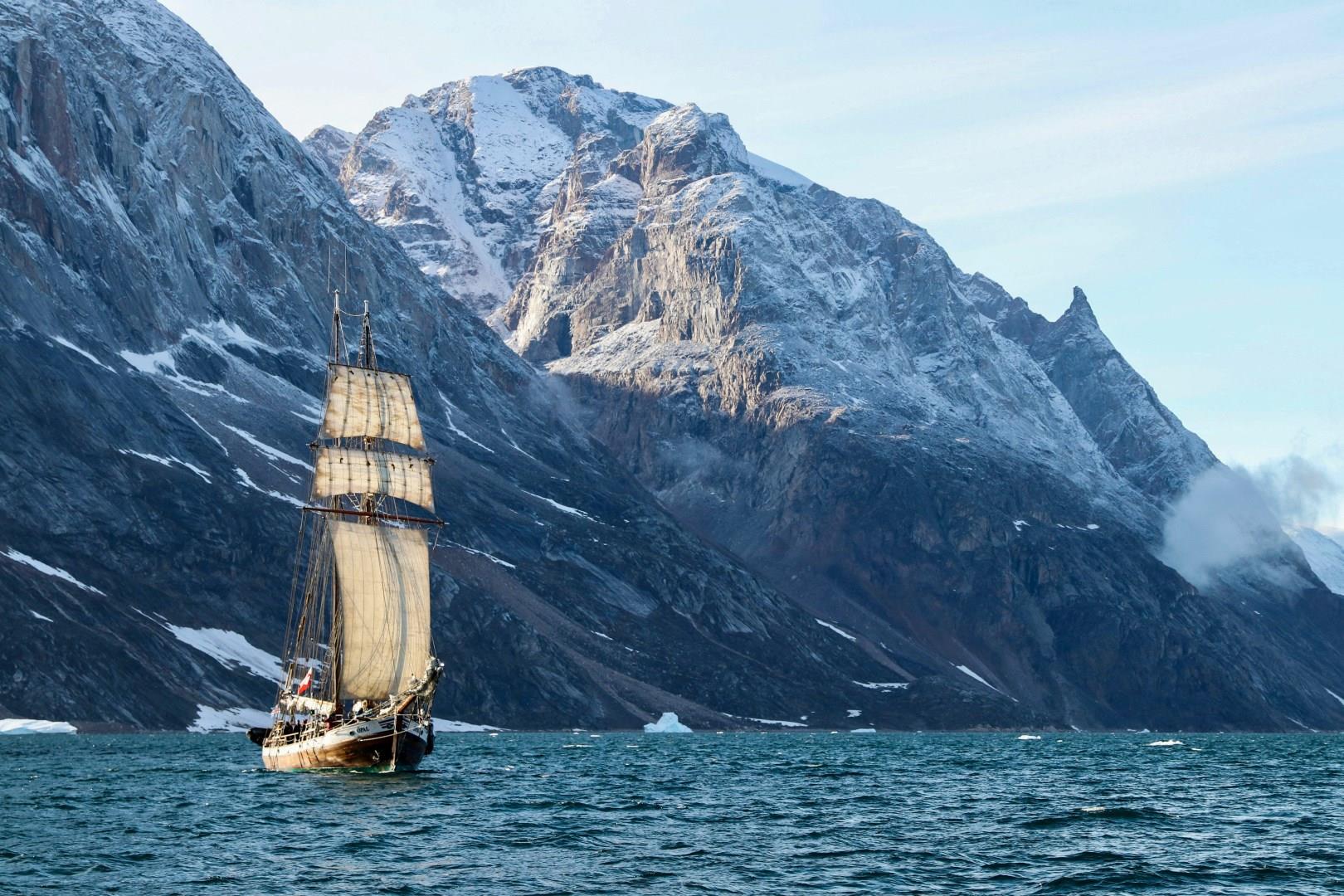
Welcome to Ittoqqortoormiit, where the stark beauty of the Arctic landscape meets a rich Inuit heritage. Located at the edge of the Scoresby Sound fjord system, this remote town offers a rare glimpse into life above the Arctic Circle. With a population of around 350 residents, Ittoqqortoormiit is a haven for those seeking solitude and adventure. Visit the Scoresby Sound to marvel at its spectacular fjords and towering cliffs, a natural wonder that’s a must-see for nature enthusiasts.
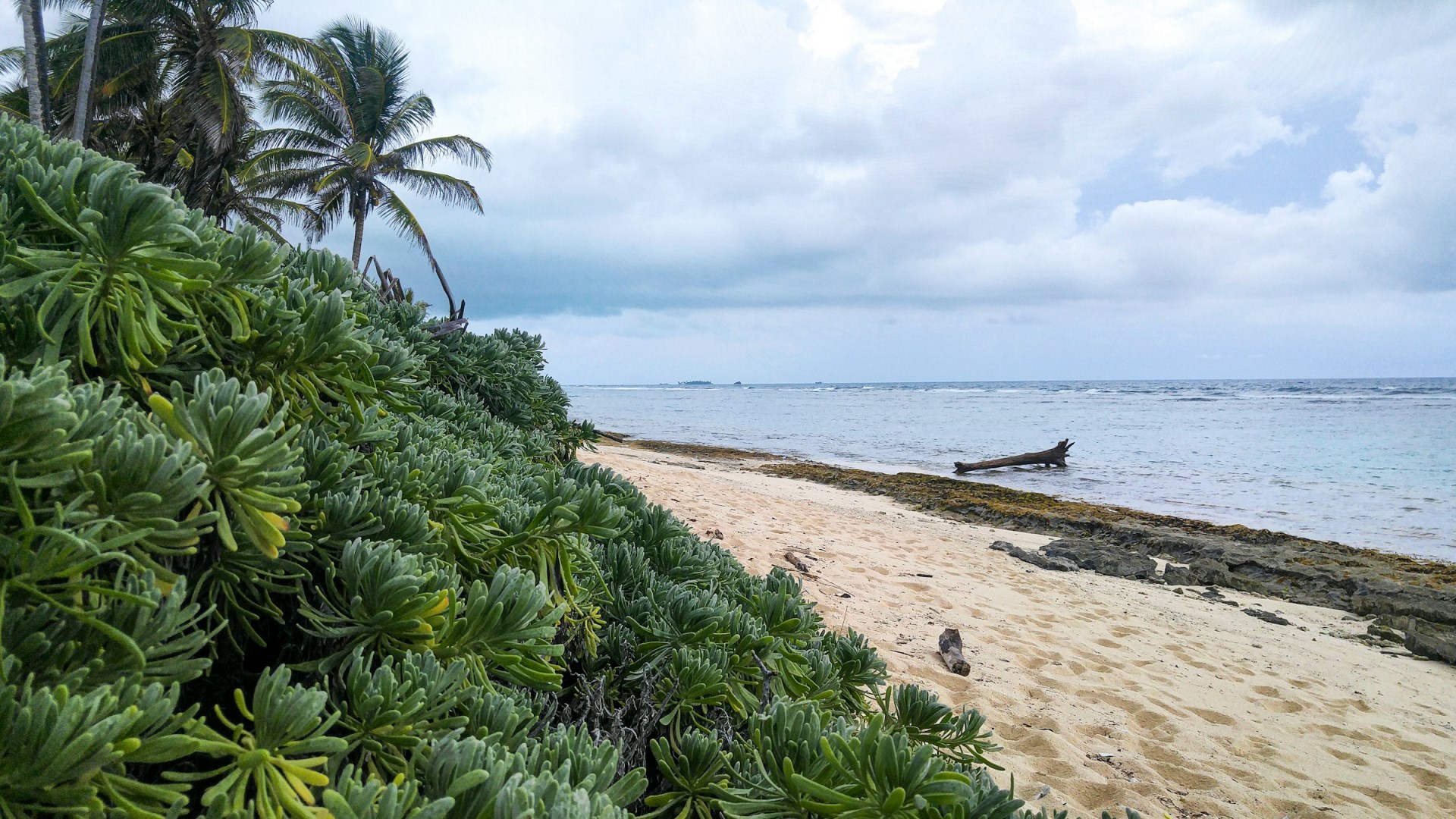
San Andrés
Eight-mile-long island, where a variety of water sports is available. Stroll the bustling port area, where hundreds of stores sell goods ranging from Columbian emeralds to imported fine china and porcelain.