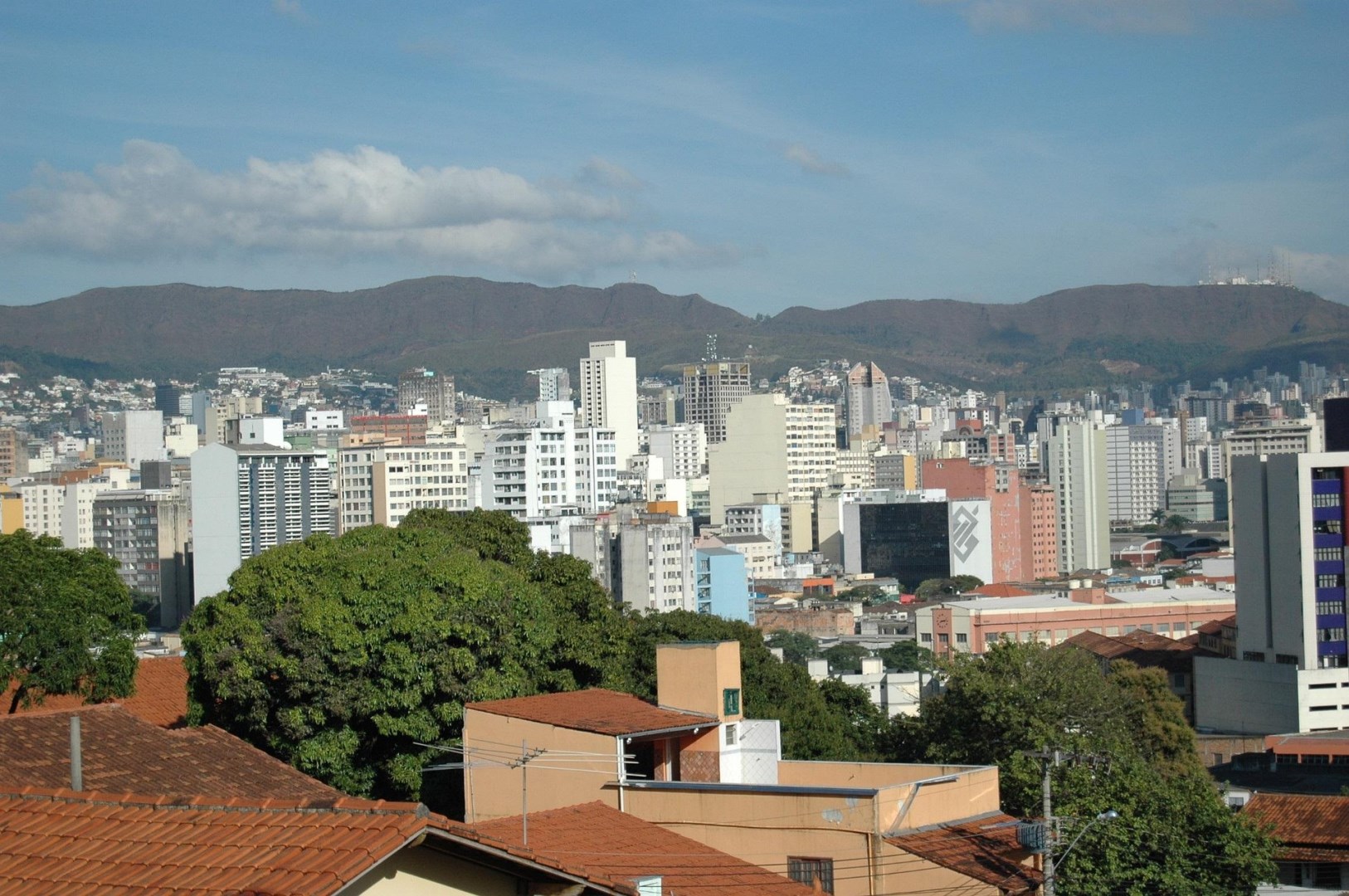
Brazil's third largest city, Belo Horizonte was founded in 1897. Most of Brazil's gems and semi-precious stones are mined in this area and it is where you can find the best bargains, from aquamarines to imperial topaz. It is just 59 miles from Brazil's most historic colonial city, Ouro Preto.

Kasane sits at Botswana’s northeastern edge, where the Chobe River meets the borders of Namibia, Zambia, and Zimbabwe. Its development is closely tied to river transport, regional trade, and wildlife management.
Luxembourg City, the capital of the Grand Duchy of Luxembourg, is a stunning blend of medieval charm and modern sophistication. Perched atop dramatic cliffs and surrounded by deep gorges, this city offers a unique and breathtaking landscape. The UNESCO-listed Old Town is an essential starting point for visitors, with its ancient fortifications, narrow cobblestone streets, and grand squares.
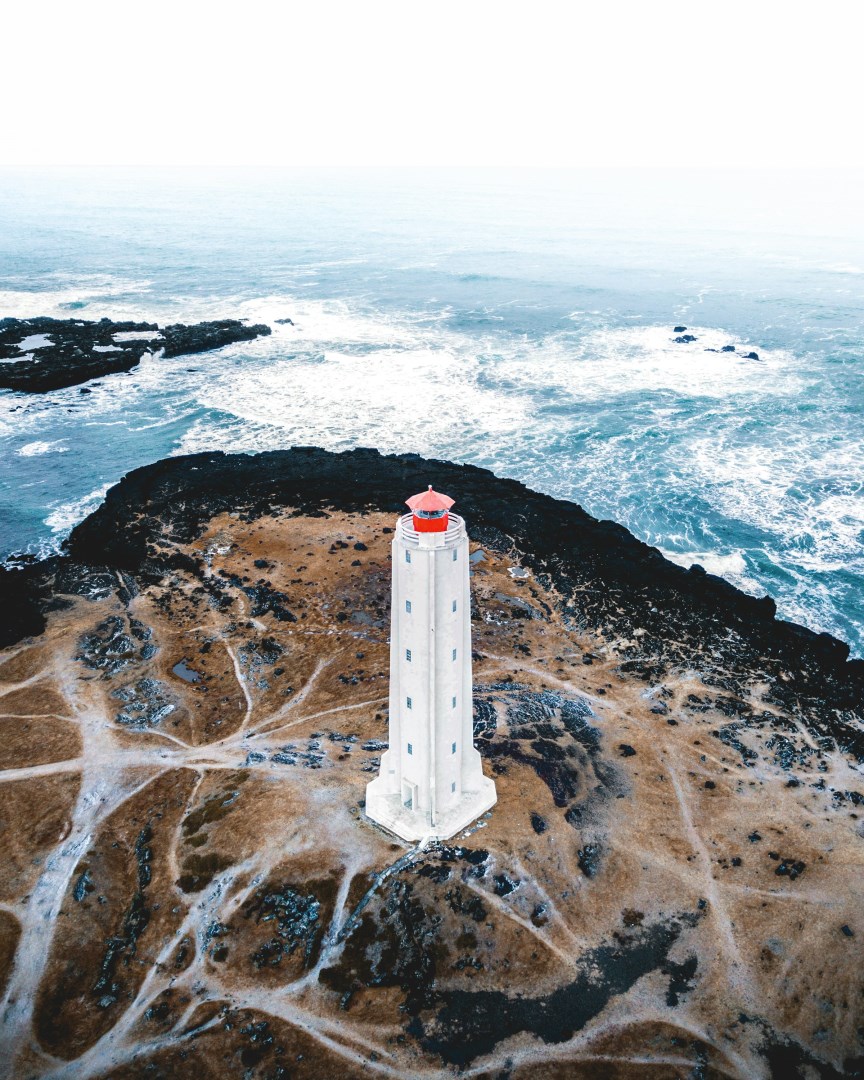
The Snæfellsnes peninsula in western Iceland is sometimes referred to as "Iceland in Miniature" thanks to the many national sights found in the nearby area. The diverse landscape includes fascinating vistas of glistening fjords, dramatic volcanoes, and rugged seascapes.
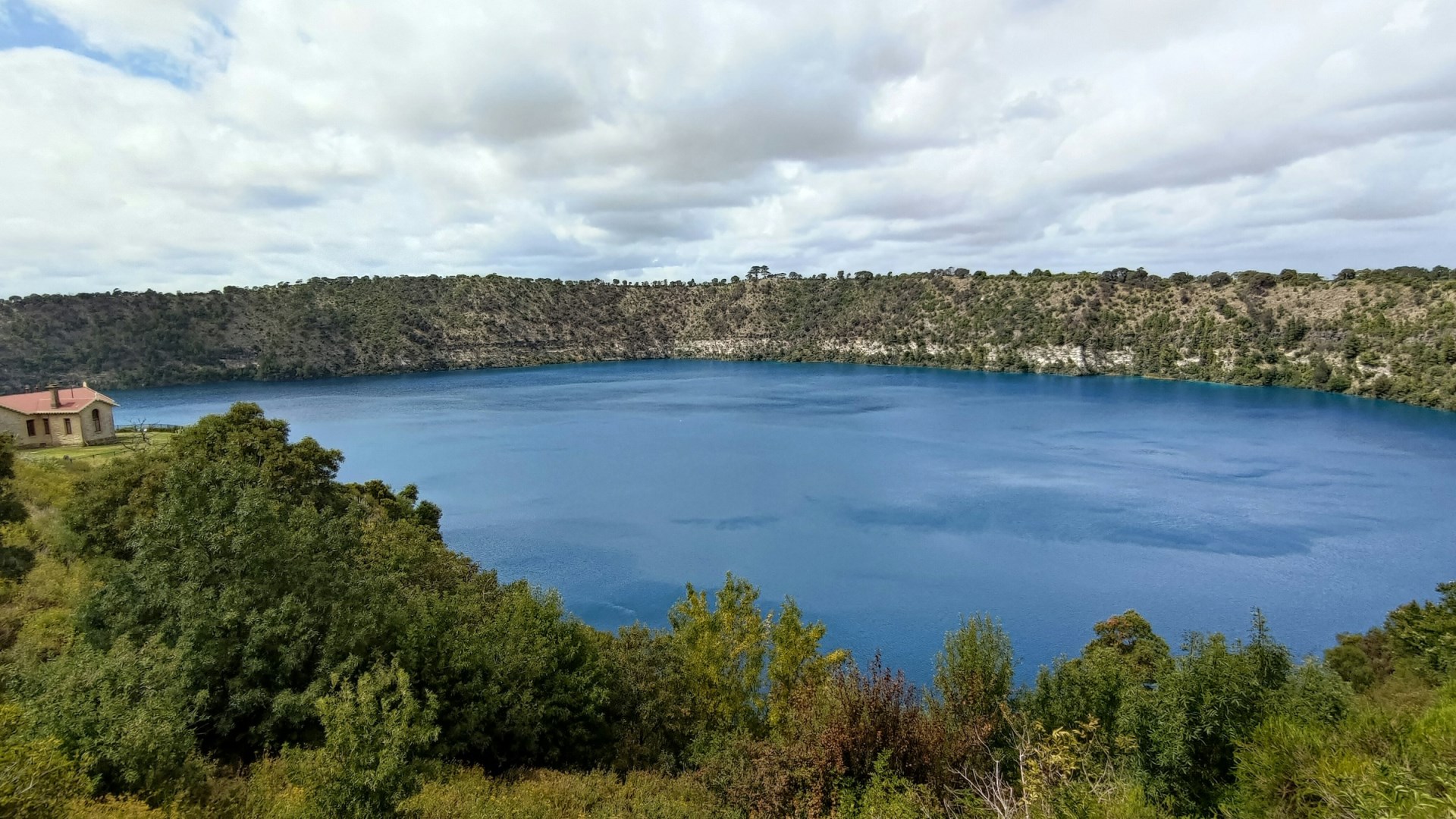
Mount Gambier is located midway between Adelaide and Melbourne. The city is built on its slopes, in the center of the largest pine plantation in Australia.
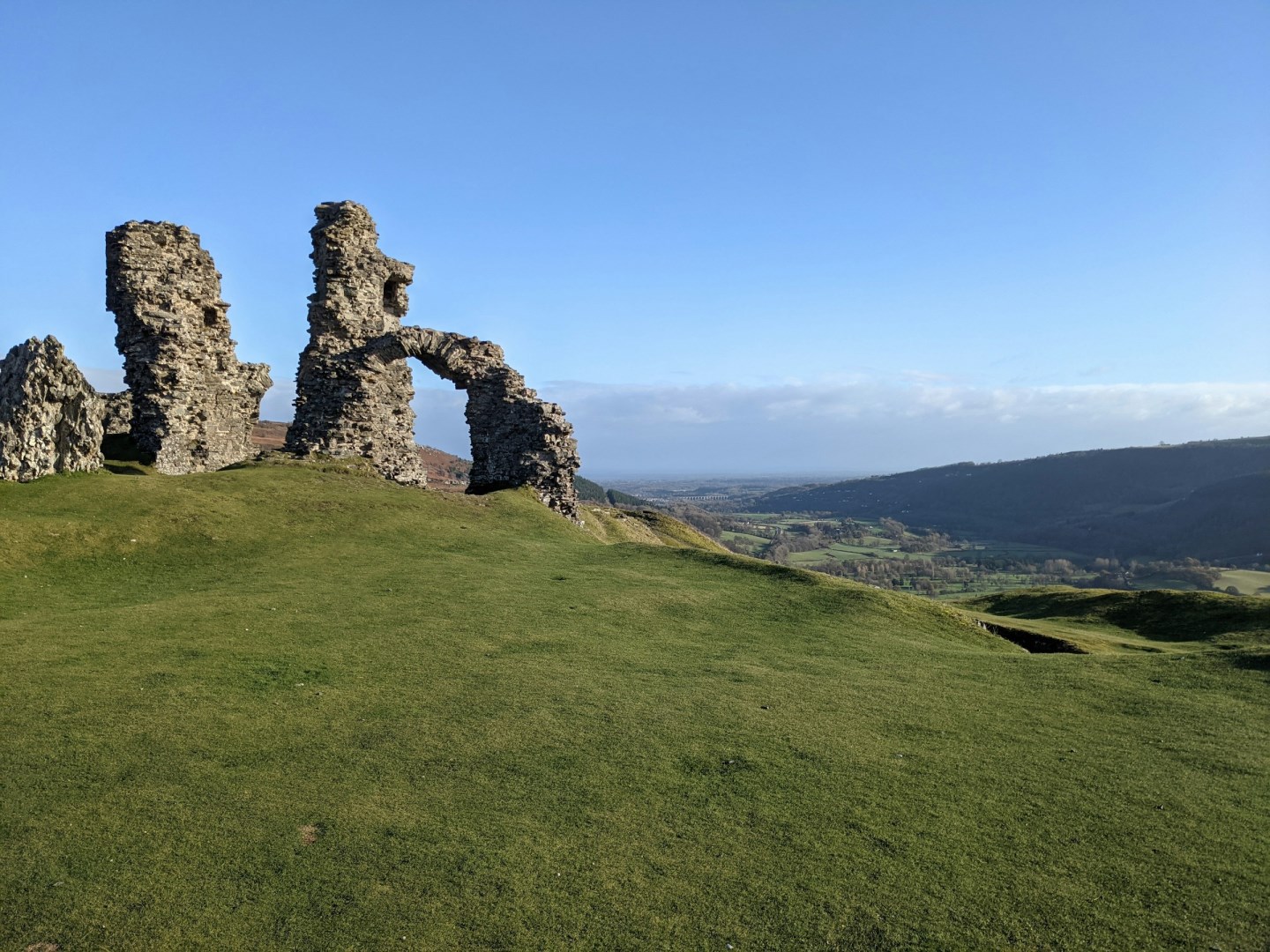
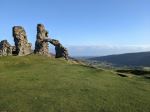
In common with so many ancient Welsh towns, Llangollen takes its name from its founding Saint; Collen, a seventh century saint, who chose this place to build his hermitage or cell in the custom of the times, with tiny church, hospice and outhouses all enclosed within a wall.
The Welsh word Llan means an enclosure - not church as so often wrongly translated - hence the town name Llangollen -'Collen's Enclosure. Eventually the original wooden church building was rebuilt in stone but the tower remained of wooden construction until 1749, by 1863/4 the church had grown into the building we see today and the town developed around it. The famous Dee Bridge, was built by Bishop Trevor of Trevor Hall in I345. Llangollen was 'literally' put on the
map because of its prominent position on the very important London to Holyhead coaching road, much improved by Thomas Telford in 1815 and now perhaps best known as the 'A5'. His full programme of ímprovements continued for 15 years and this, together with the construction of his newly completed canal brought about considerable immigration into
Llangollen during the early part of the 19th century.
Improved communications and natural resources made the town a splendid location for newly developing industries. The old Water Mill opposite the Railway Station had already functioned for hundreds of years when a new Flannel Mill was erected at the north end of Church Street on a site later to be occupied by a tannery after the business had expanded
and moved across the river to Lower Dee Mills.