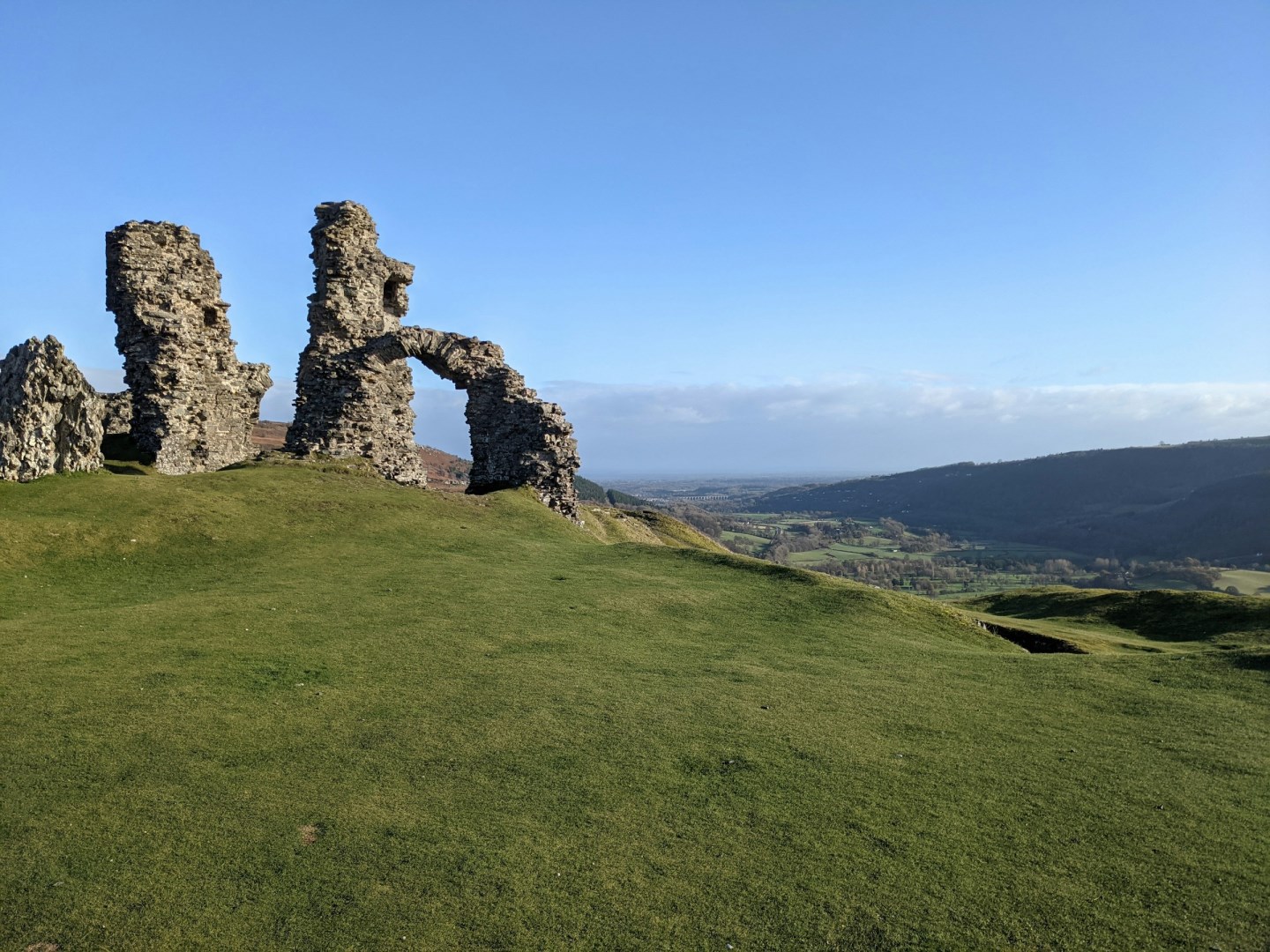
Kampot
Kampot is a riverside town in southern Cambodia with a story that stretches from a bustling 19th-century seaport to a calm center for travelers seeking real local experiences. Wandering these streets reveals faded pastel facades, shuttered balconies, and hints of a past where merchants from China, Malaysia, and Europe met on this quiet stretch of the Cambodian coast.
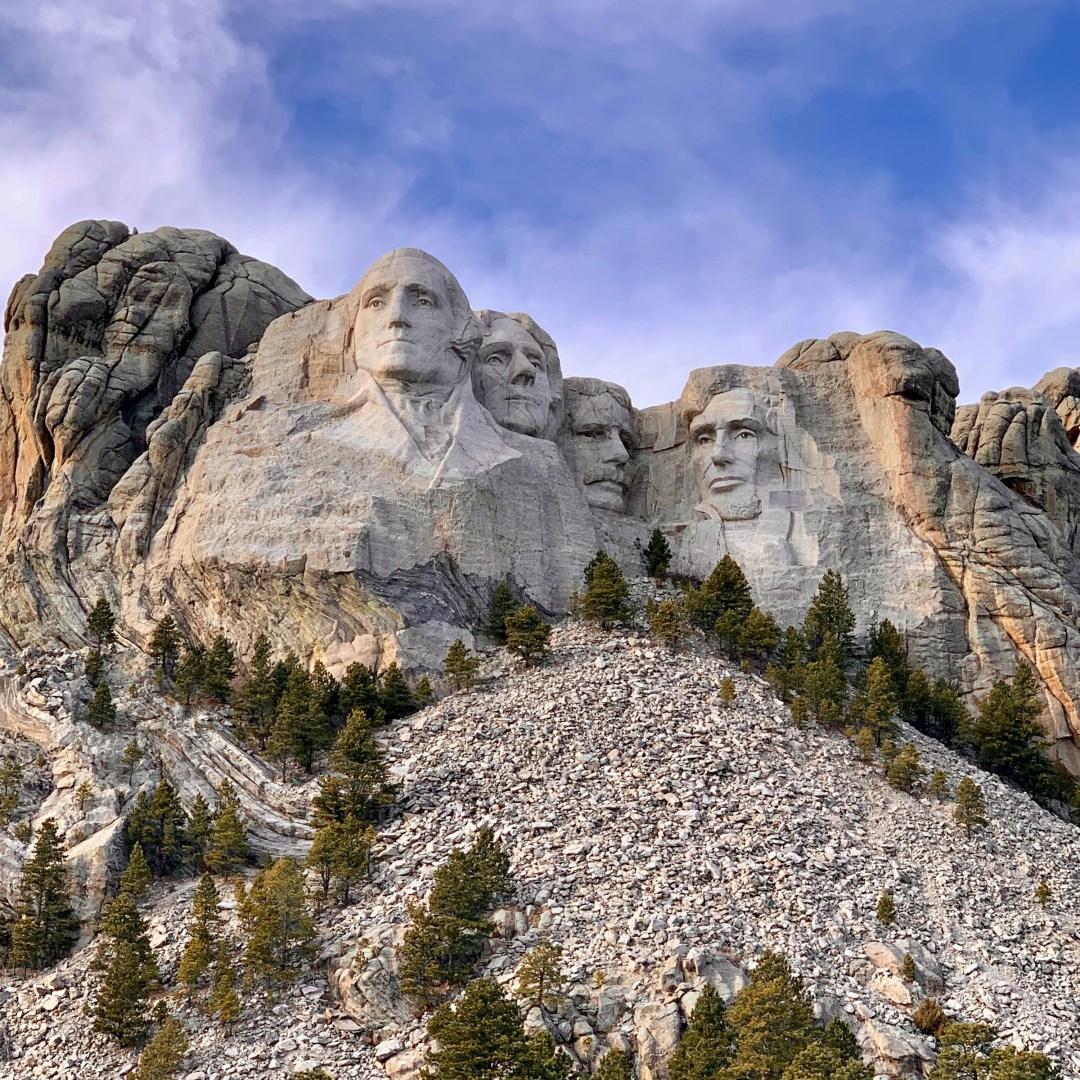
Mt. Rushmore
Located about twenty-five miles southwest of Rapid City, South Dakota, lies Mount Rushmore. Following Highway 244 from the west leads to the orientation center. There exhibits tell how sculptor Gutzon Borglum carved away twice the rock needed to construct Egypt's Great Sphinx (which isn't even as tall as Washington's nose).
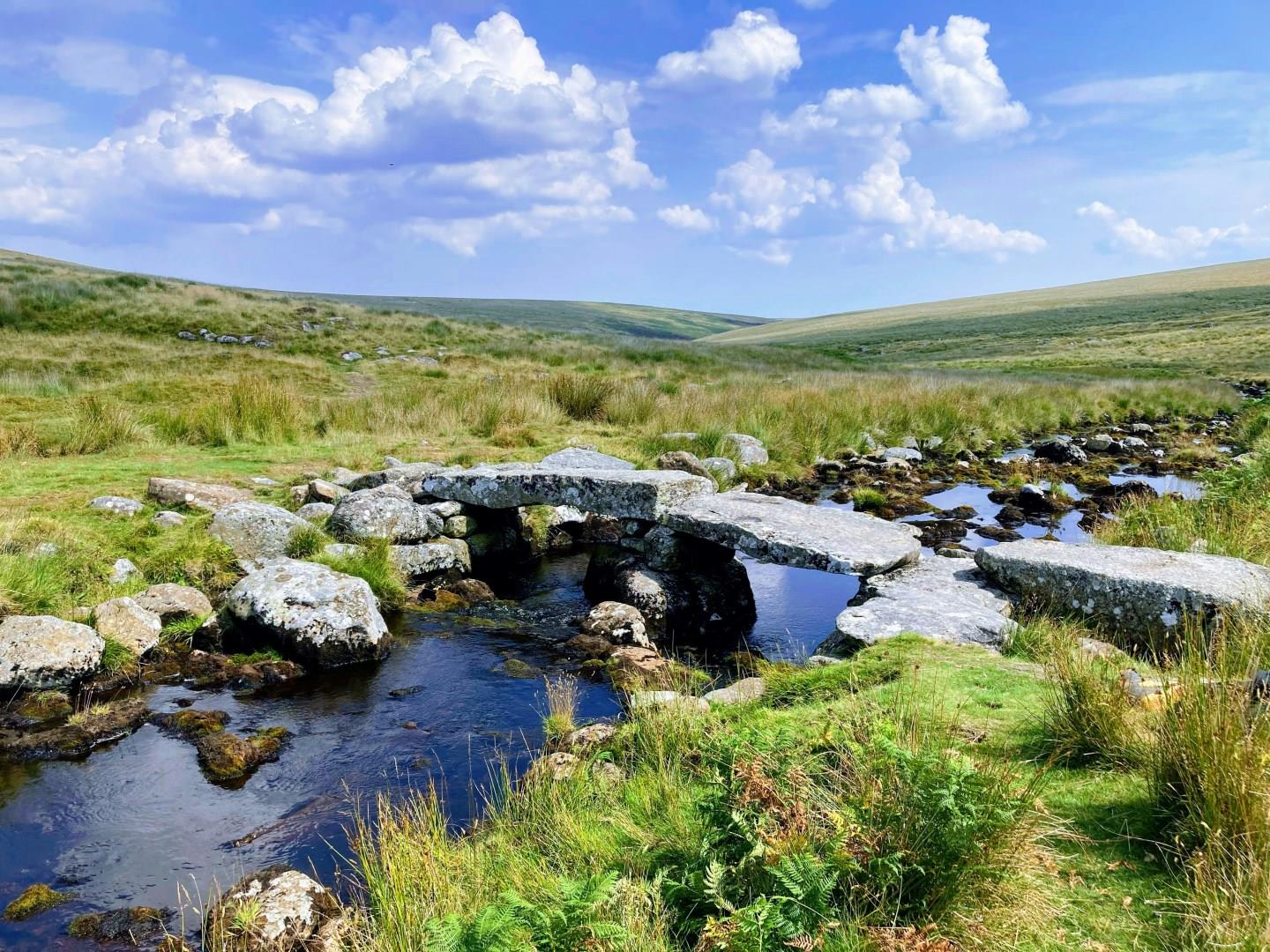
Dartmoor National Park
Dartmoor National Park sits in the heart of Devon, England, and invites travelers to step into a landscape that has changed little over thousands of years. Rolling moorland, deep river valleys, and more than 450 miles of paths give visitors space to explore at their own pace. Ancient stone rows, circular dwellings, and burial cairns spread across the moorland are reminders of people who lived here as far back as the Bronze Age.
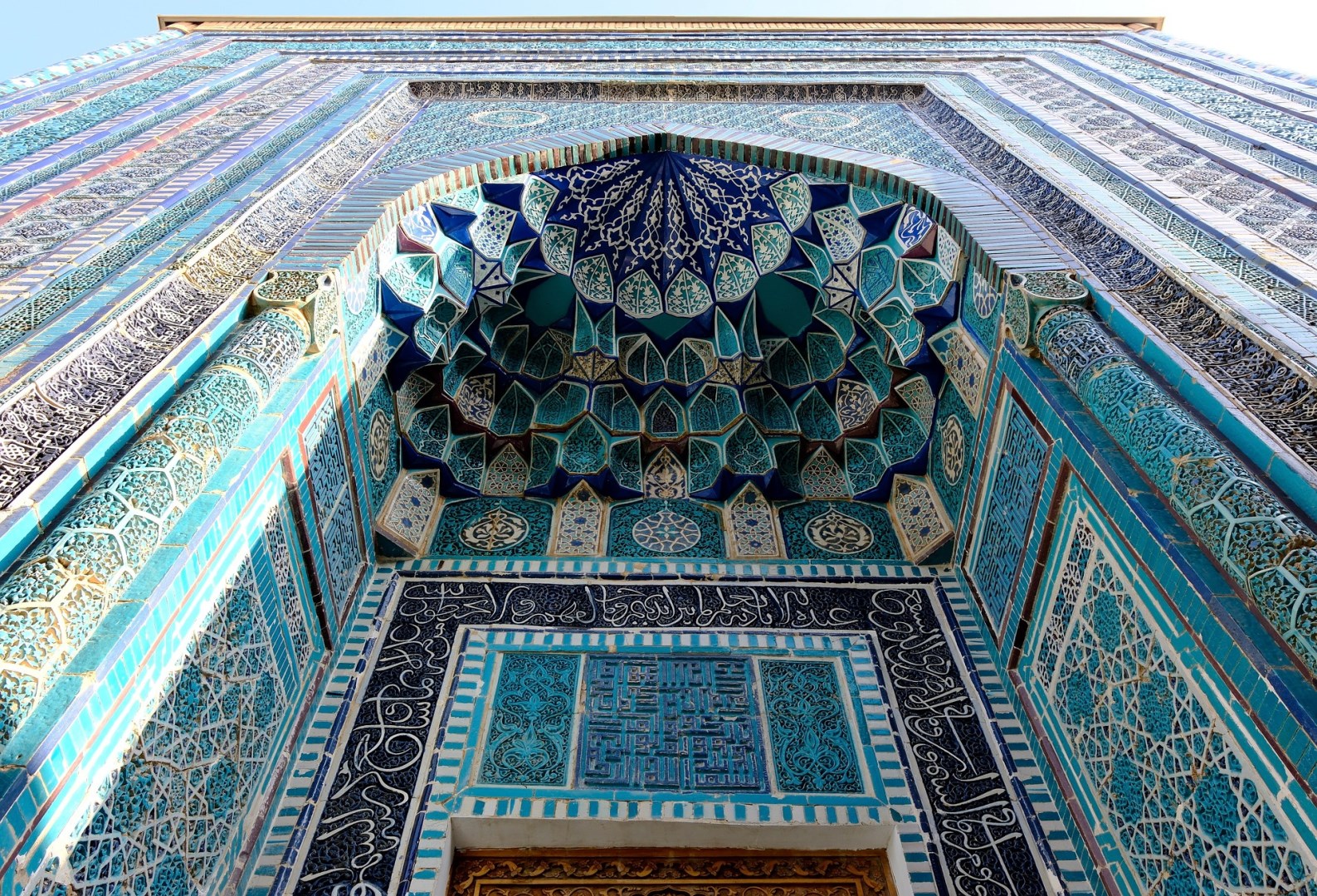
Tashkent
Tashkent, the capital of Uzbekistan, lies at the crossroads of Central Asia and has long been a hub of culture, trade, and political life. Its history stretches back over two millennia, shaped by Persian, Mongol, and Russian influences.
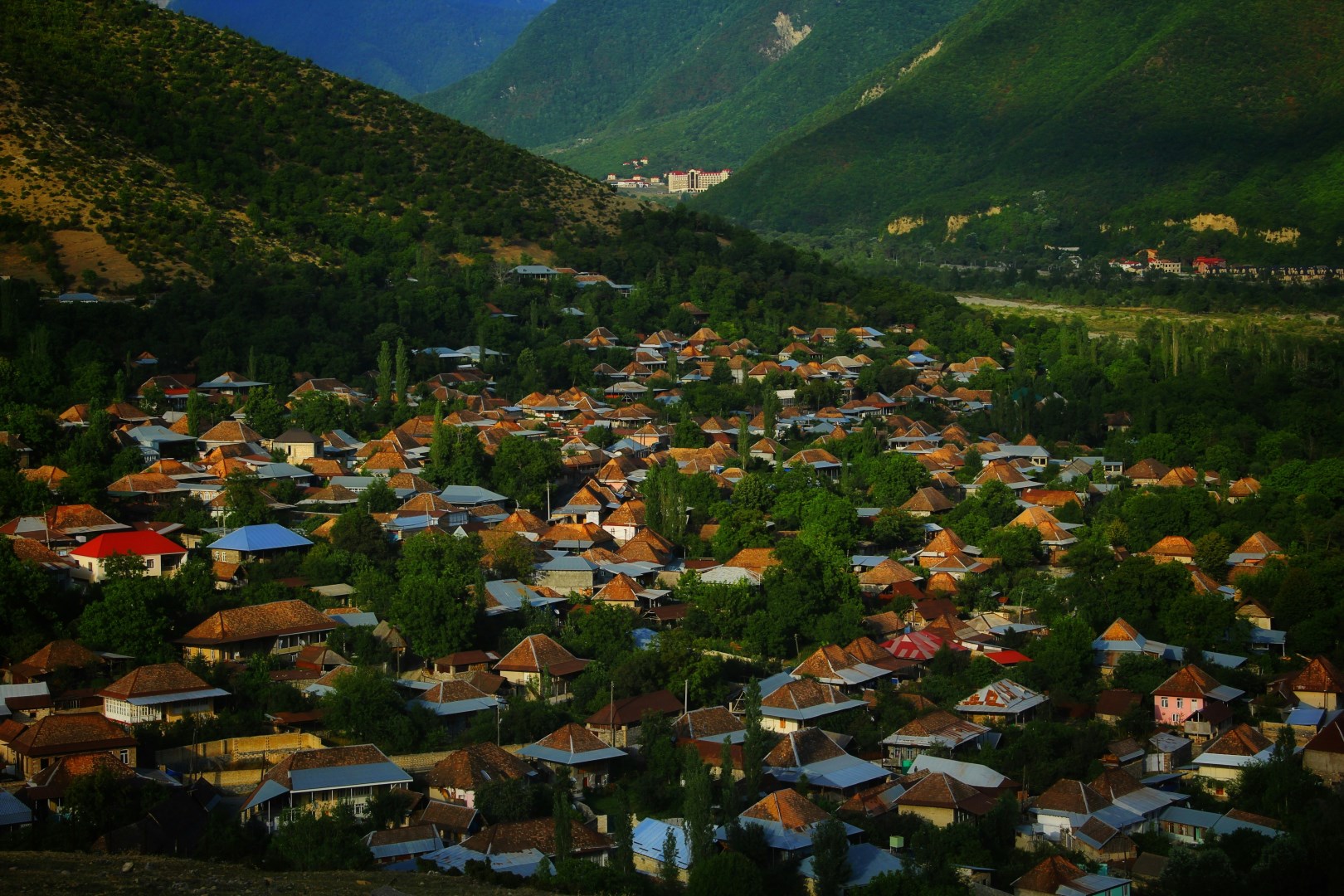
Sheki
Sheki is a historic city in northwestern Azerbaijan, located near the forested foothills of the Greater Caucasus Mountains. It developed as an important trading center along Silk Road routes connecting the Caucasus with Persia and Central Asia.