Sakkara
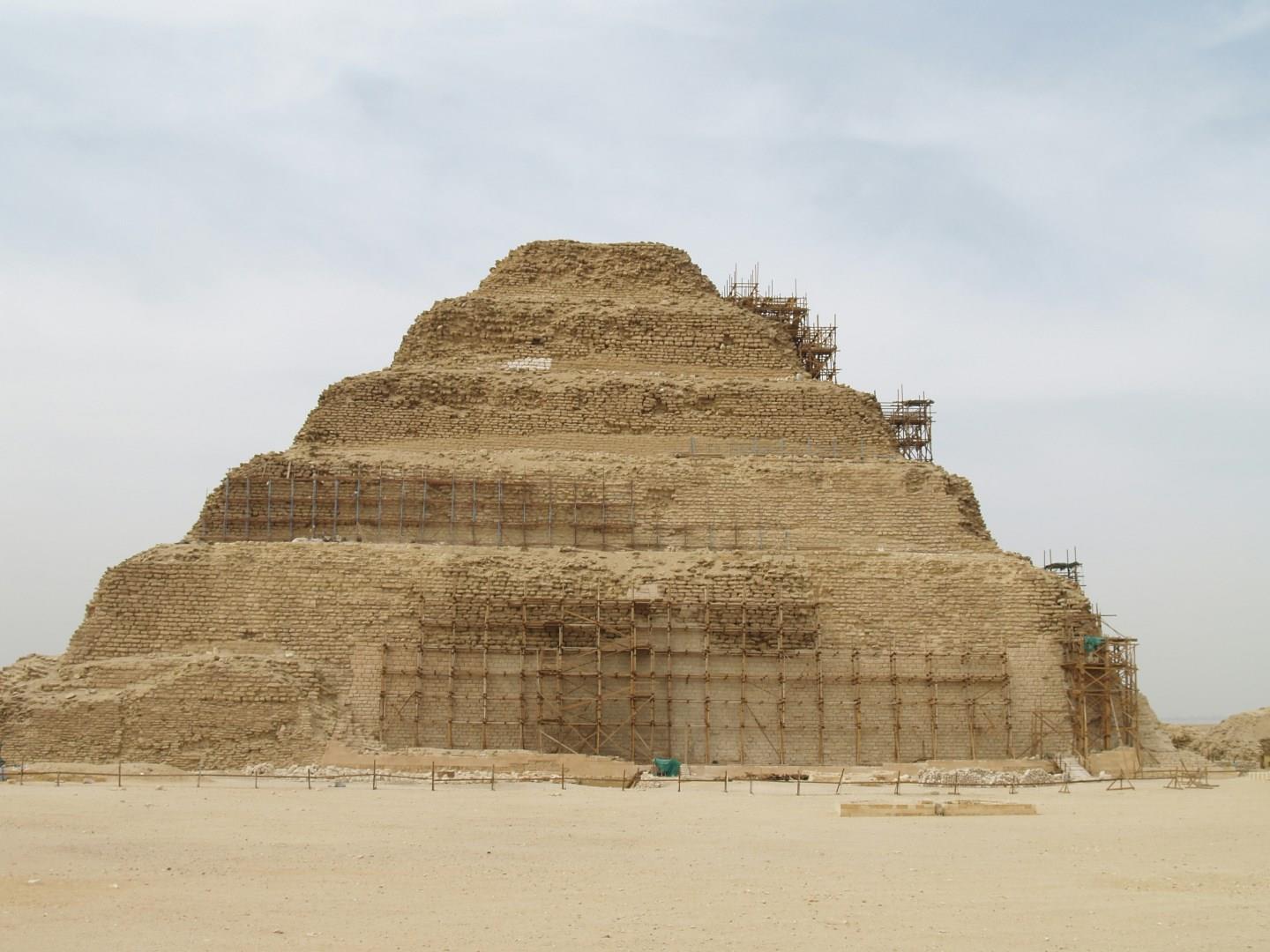
Sakkara, located just south of Cairo, is one of Egypt’s most important archaeological sites and the vast necropolis of the ancient capital of Memphis. Stretching over seven kilometers, it served as a burial ground for pharaohs, nobles, and high officials across multiple dynasties.

New Zealand
New Zealand is a land of breathtaking landscapes and memorable cultural experiences. Located in the South Pacific, this island nation is famed for its dramatic mountain ranges, pristine beaches, and rolling farmlands. With its beauty, welcoming culture, and endless opportunities for adventure, New Zealand is sure to captivate travelers from around the globe.
Eden Islet
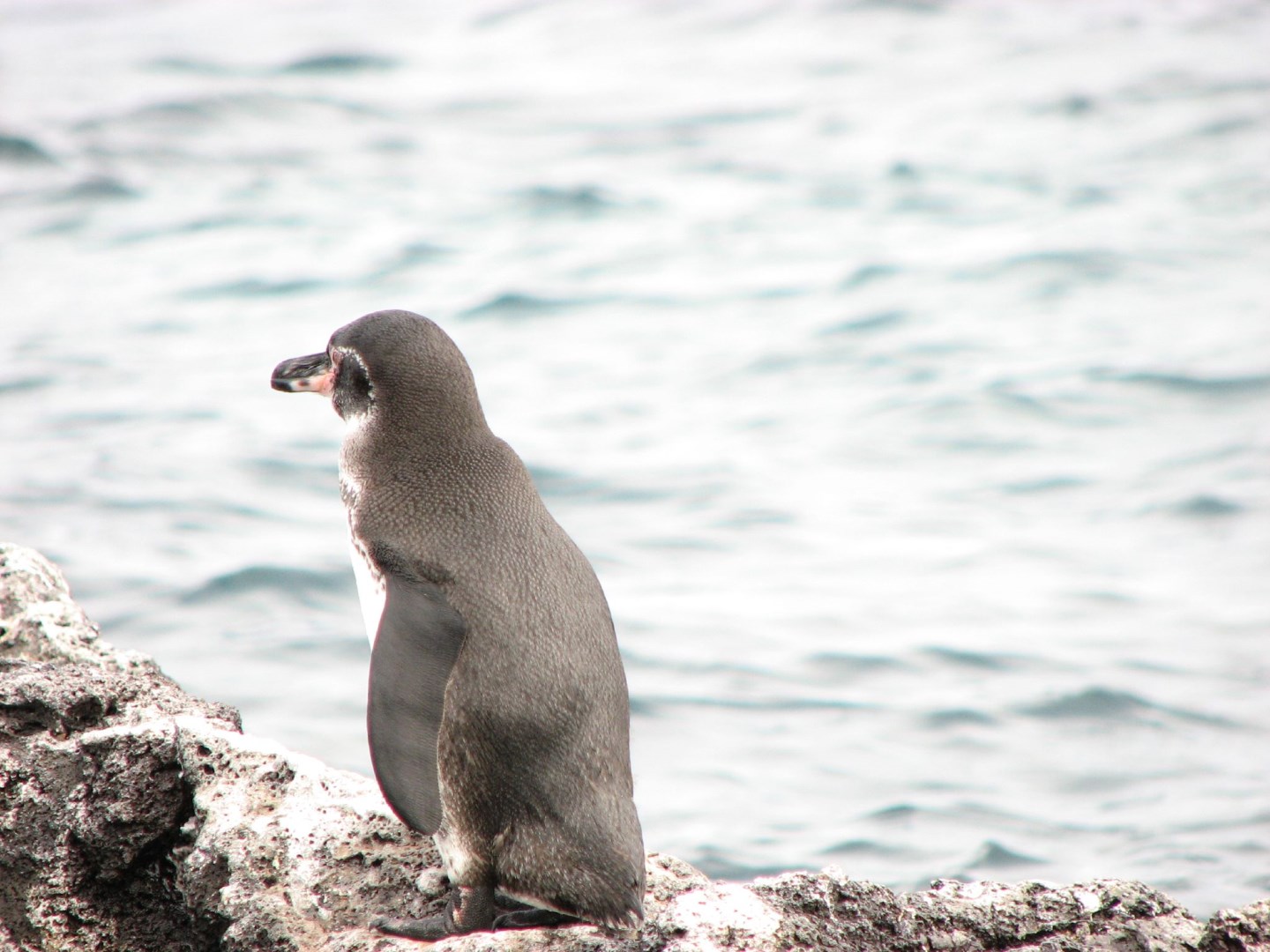
Eden Islet is a small volcanic tuff cone rising from the clear waters off the northwest coast of Santa Cruz Island. Though visitors cannot set foot on the rocks, the islet’s dramatic shapes and steep cliffs offer striking views as boats circle its perimeter. Guides often point out coastal mangroves and lava formations that hint at the volcanic forces that shaped this part of the archipelago.

Cape Horn
Located off the southern coast of Chile, Cape Horn is a coastal headland on Isla Hornos, the southernmost island in the Tierra del Fuego archipelago. The Cape Horn Monument provides a spectacular panoramic view of the Pacific and Atlantic Oceans. This rocky cliffside is a popular stop for Antarctic and South American cruises.

Tennessee
Tennessee welcomes visitors with a rhythm that shifts from Appalachian mountain towns to Memphis blues clubs, all while telling stories that have shaped the American experience. In East Tennessee, the Great Smoky Mountains National Park is the most visited national park in the country, known for its mist-covered peaks, preserved log cabins, and seasonal displays of wildflowers and fireflies.