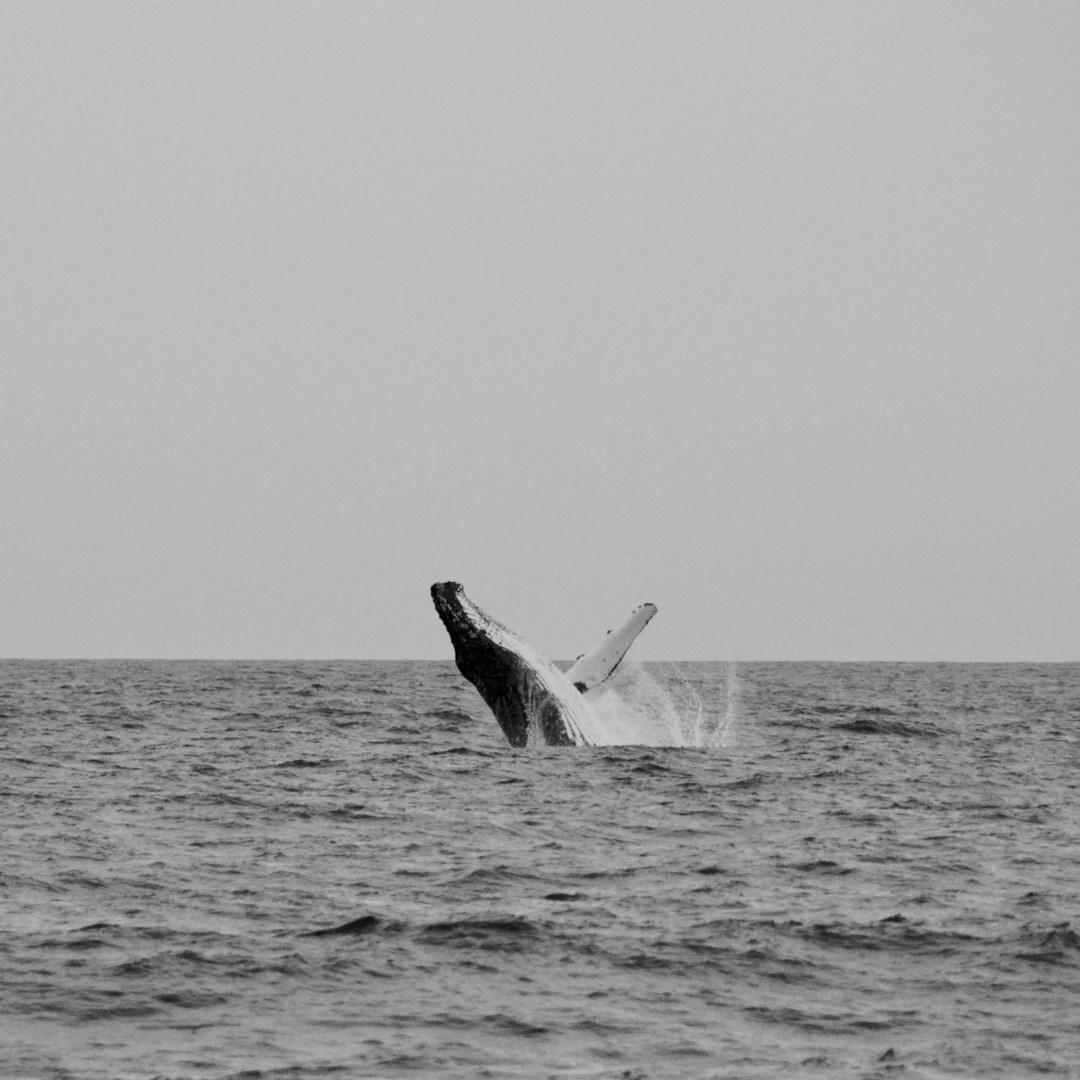
From its natural wonders to its historic charm, the St. Lawrence River invites visitors to explore its endless possibilities. Whether by land or water, this iconic river promises a journey filled with discovery and unforgettable moments.
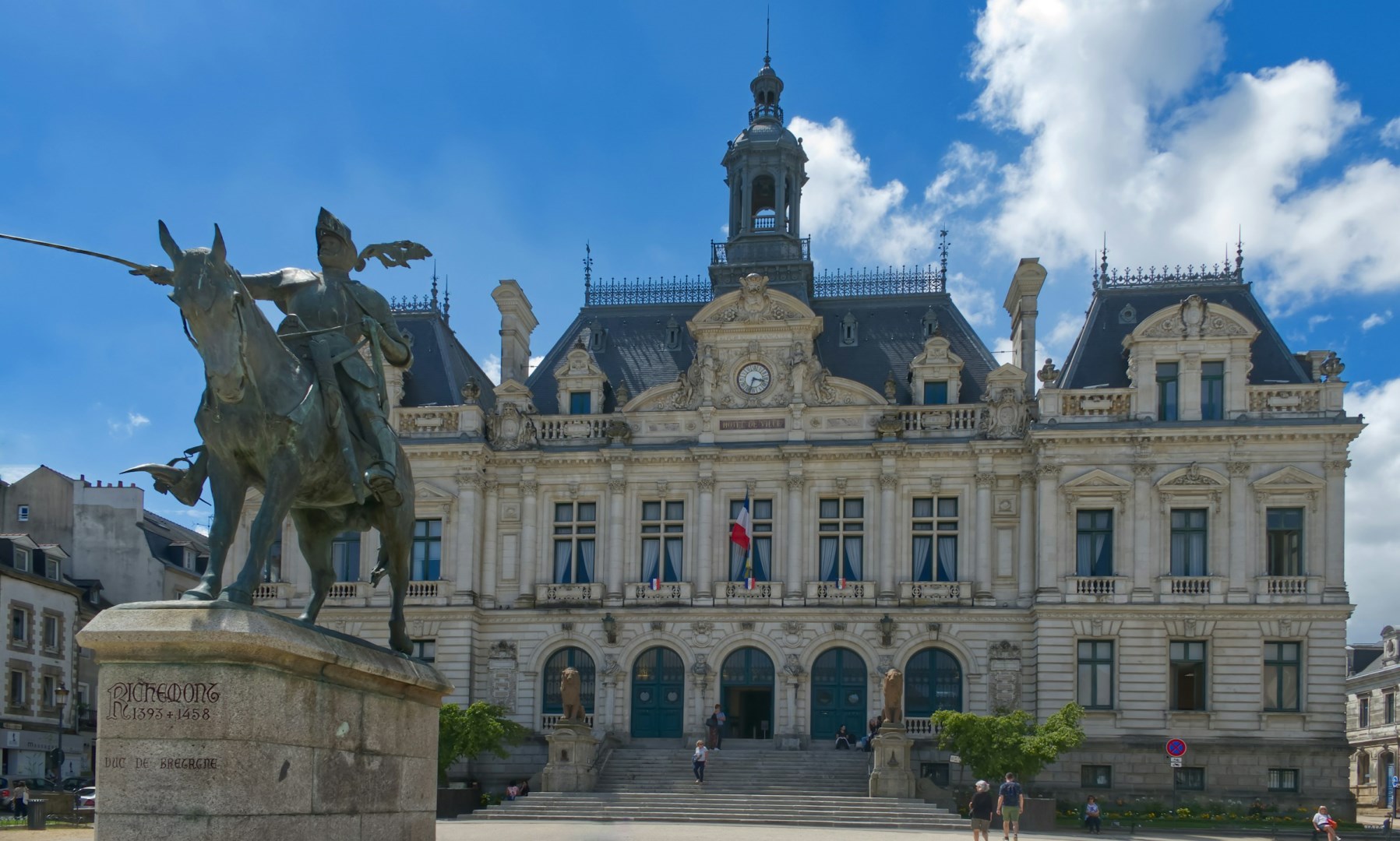
Vannes is a historic port city in Brittany, set at the northern end of the Golfe du Morbihan. Its compact old center is enclosed by medieval fortifications and combines cobbled lanes, half-timbered houses, private mansions, and small squares. The harbor extends the city toward the gulf, making Vannes an important gateway to the islands and coastal landscapes of southern Brittany.
Antananarivo, Madagascar’s vibrant capital, offers a unique blend of cultural richness and historical depth. Perched on a series of hills, the city’s layout is characterized by its steep streets and traditional architecture. The Royal Palace, or Rova of Antananarivo, is a central landmark, offering a glimpse into Madagascar's royal past. Although much of the palace was destroyed by fire in 1995, the site remains a significant cultural and historical monument.
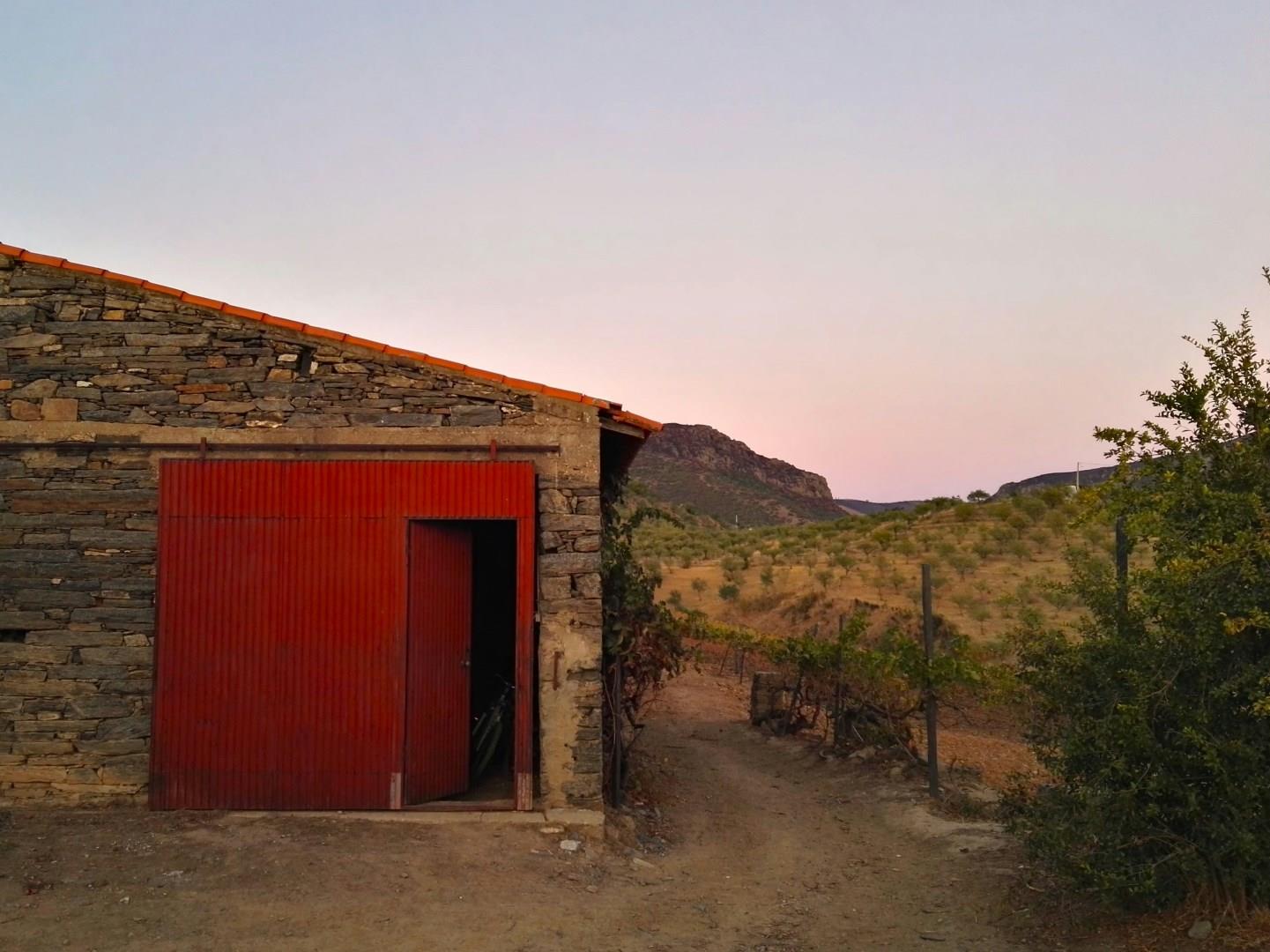
Barca d'Alva sits quietly along the Douro River, right at Portugal’s eastern border with Spain. Once the final stop on the historic Douro railway line, this riverside village remains relatively untouched by mass tourism. The surrounding landscape filled with terraced vineyards, olive groves, and almond trees form part of the UNESCO-listed Alto Douro Wine Region.
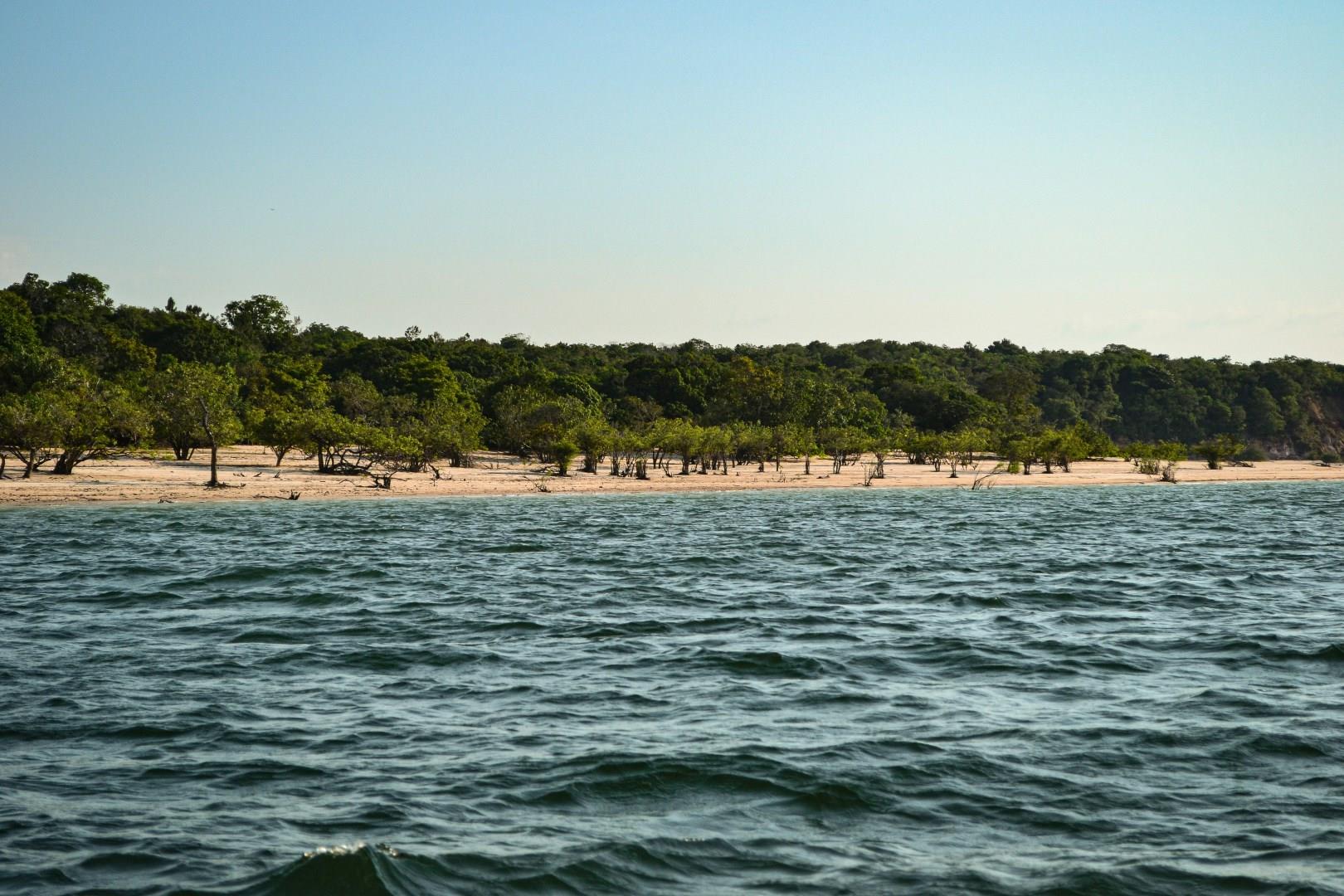
Alter do Chão is a riverside village in the Brazilian state of Pará, on the banks of the clear Tapajós River. Though part of the larger municipality of Santarém, Alter do Chão has its own rhythm and identity, known far beyond Brazil for the white-sand beaches that appear when river levels drop between July and December. One of the most famous spots is Ilha do Amor (Love Island), a sandbar just off the village shore that feels almost like a hidden world of warm water and bright sky.
Newcastle is the capital of the Hunter Valley Region, in New South Wales. Located on the east coast of Australia, the Hunter Region encompasses a land area of approximately 31,000 square kilometers and a resident population of around 544,000 people. Newcastle's population is estimated at 132,000 people. Getting to and from Newcastle is simple. From Sydney, it is a comfortable 2 hour drive (Sydney is 171 kilometers to the south); 30 minutes by air and two hours by passenger train (there is a regular hourly service). There are also direct flights from Brisbane and Canberra. Newcastle is the gateway to the Hunter Valley and is now a very different place to the time when steel and coal industries were the main source of employment. Long gone are the smoky grey industrial images - they have been replaced with elegantly restored historic buildings; picturesque parks and gardens; an extensive selection of restaurants boasting cuisine from around the world; and the natural beauty of its white sandy beaches and harbor. There is a wide selection of magnificent art galleries and museums; nightclubs and eateries; and extensive shopping facilities. The long list of natural attractions
within easy access of the city includes everything from wilderness areas, rainforests and beaches to world famous vineyards. The green rolling hills of Australia's oldest winemaking region are studded with restaurants, guest houses, and of course, the vineyards where more than twenty varieties of grape ripen slowly in the warm summer sunshine to produce some of Australia's finest wines. Lakes, beaches, rivers and bays, combine with lush countryside to make the Hunter
region surrounding Newcastle almost unlimited in its appeal.
Other Popular Destinations in Australia
Sydney
Sydney, Australia, is a vibrant city where iconic landmarks, diverse neighborhoods, and natural beauty converge. The Sydney Opera House, with its striking sail-like design, and the Sydney Harbour Bridge are symbols recognized around the world, yet the city offers much more beyond its famous skyline.
Cairns
Cairns is the majestic entrance to Australia's Great Barrier Reef. This warm, tropical destination is located in Far North Queensland. Must-see attractions in Cairns include the Tjapukai Aboriginal Cultural Park, which educates tourists about indigenous peoples, and restaurant and bar-dotted Cairns Esplanade, which has a lagoon for swimming.