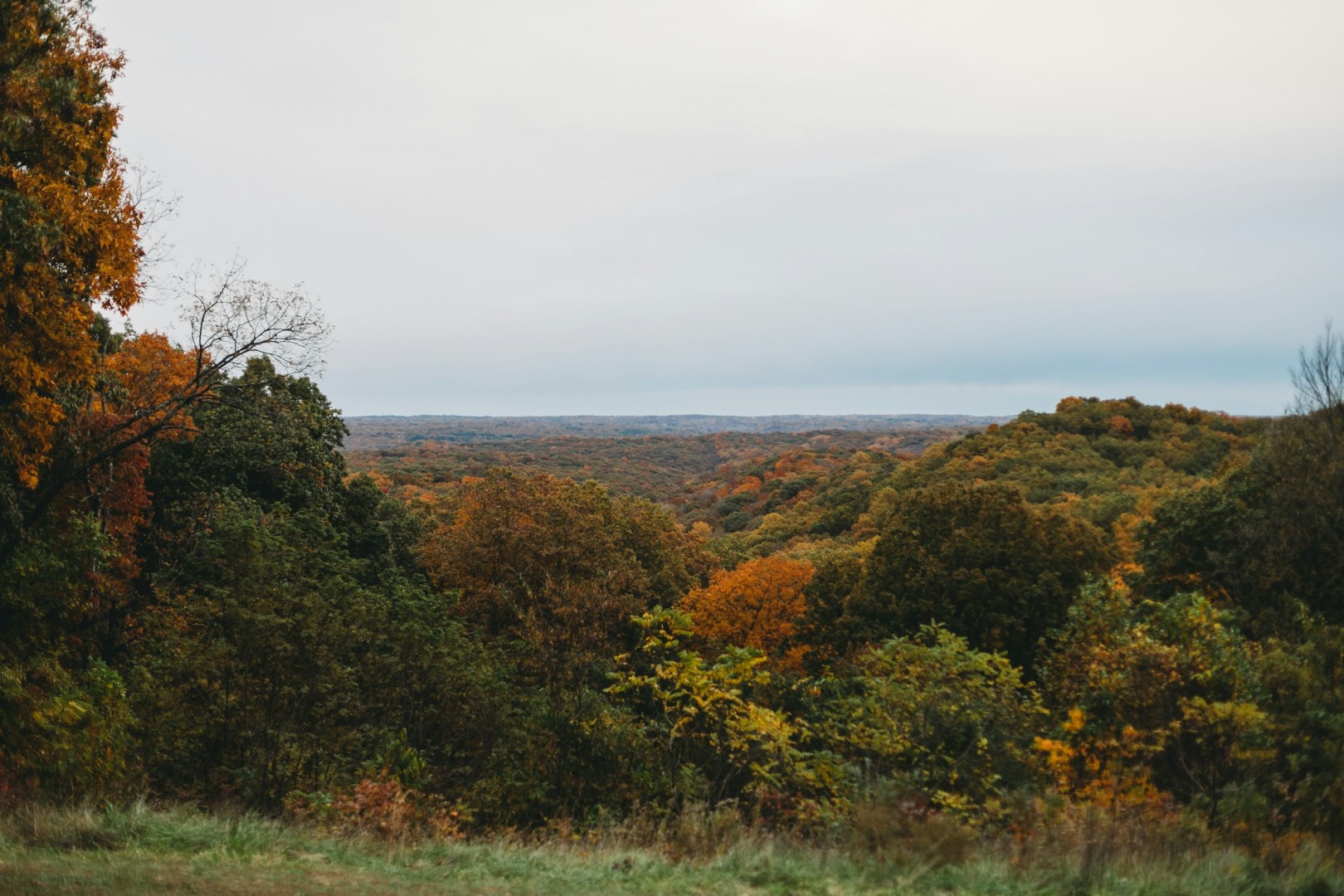
Nashville
Nashville is a small town in Brown County, southern Indiana, surrounded by the wooded hills and winding roads of the region. It is best known for its concentration of independent shops, art galleries, craft studios, restaurants, and locally made goods, with much of the commercial district located within a few blocks of the town center. The surrounding countryside is markedly different from Indiana’s flatter agricultural landscapes, with steep ridges, narrow valleys, and forested slopes.
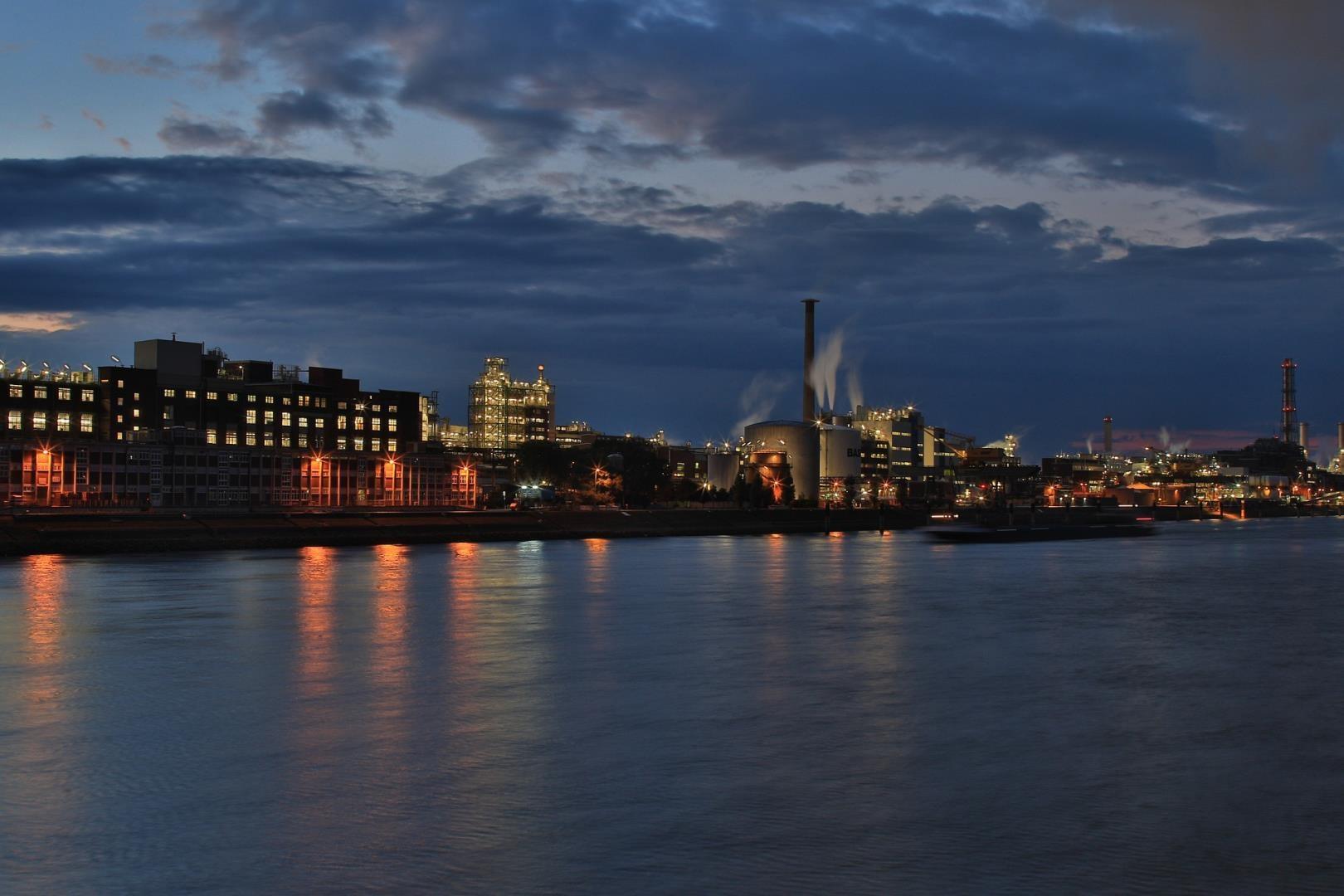
Ludwigshafen
Ludwigshafen am Rhein is an industrial city in southwestern Germany, located on the western bank of the Rhine River opposite Mannheim.

Simon's Town
Simon’s Town is a coastal town on the eastern side of the Cape Peninsula, overlooking False Bay and located about 35 kilometres from central Cape Town. The town is closely associated with the sea, with a working harbour, naval facilities, historic buildings, beaches, and a long maritime tradition. Its sheltered position on False Bay helped establish it as an important harbour, while its setting between the mountains and ocean gives it a distinctive landscape.
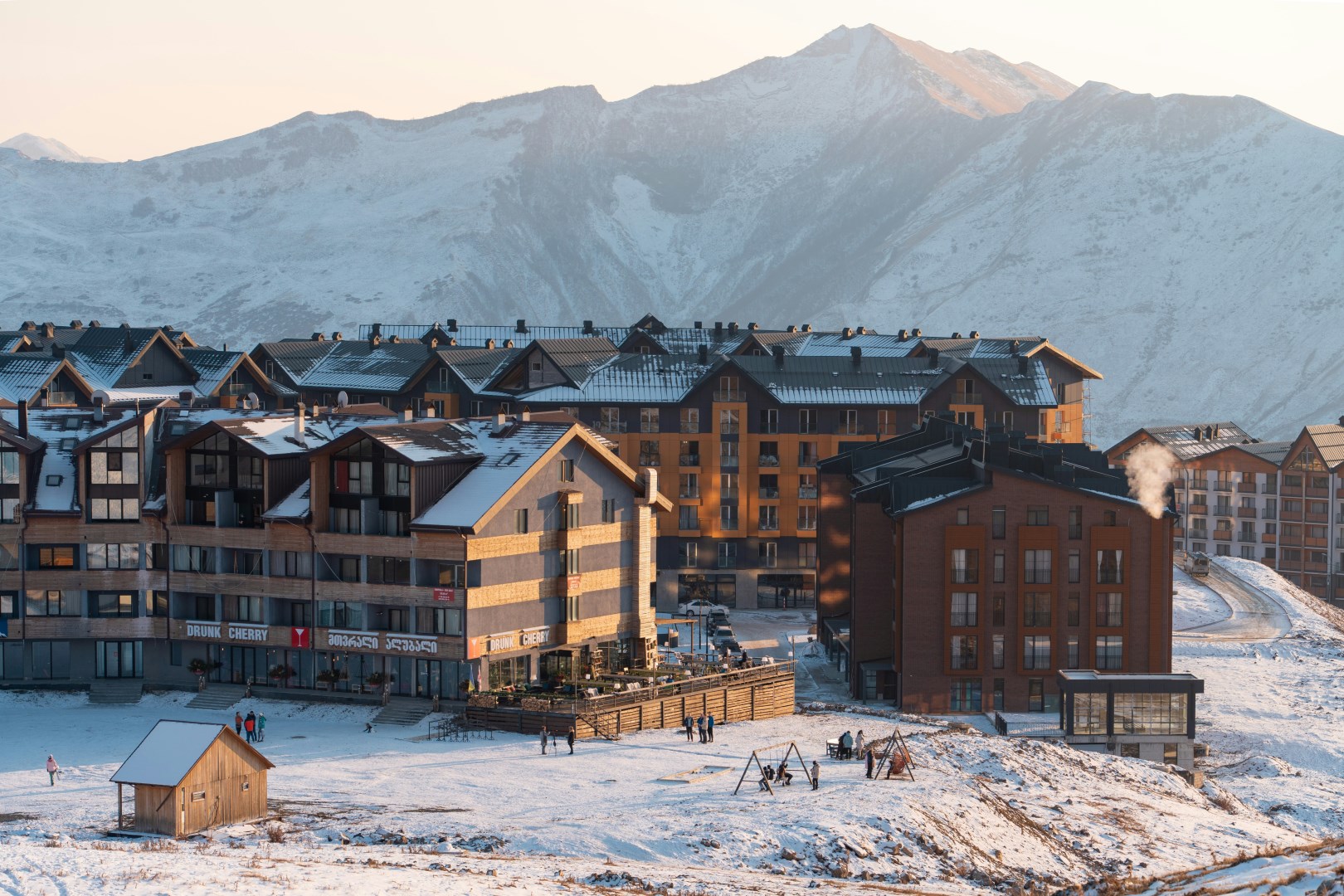
Gudauri
Gudauri is a mountain resort in northeastern Georgia, located along the Georgian Military Highway in the Greater Caucasus range. The settlement is known as one of the country’s main ski destinations, with long winter seasons and wide alpine slopes that attract skiers, snowboarders, and paragliders.
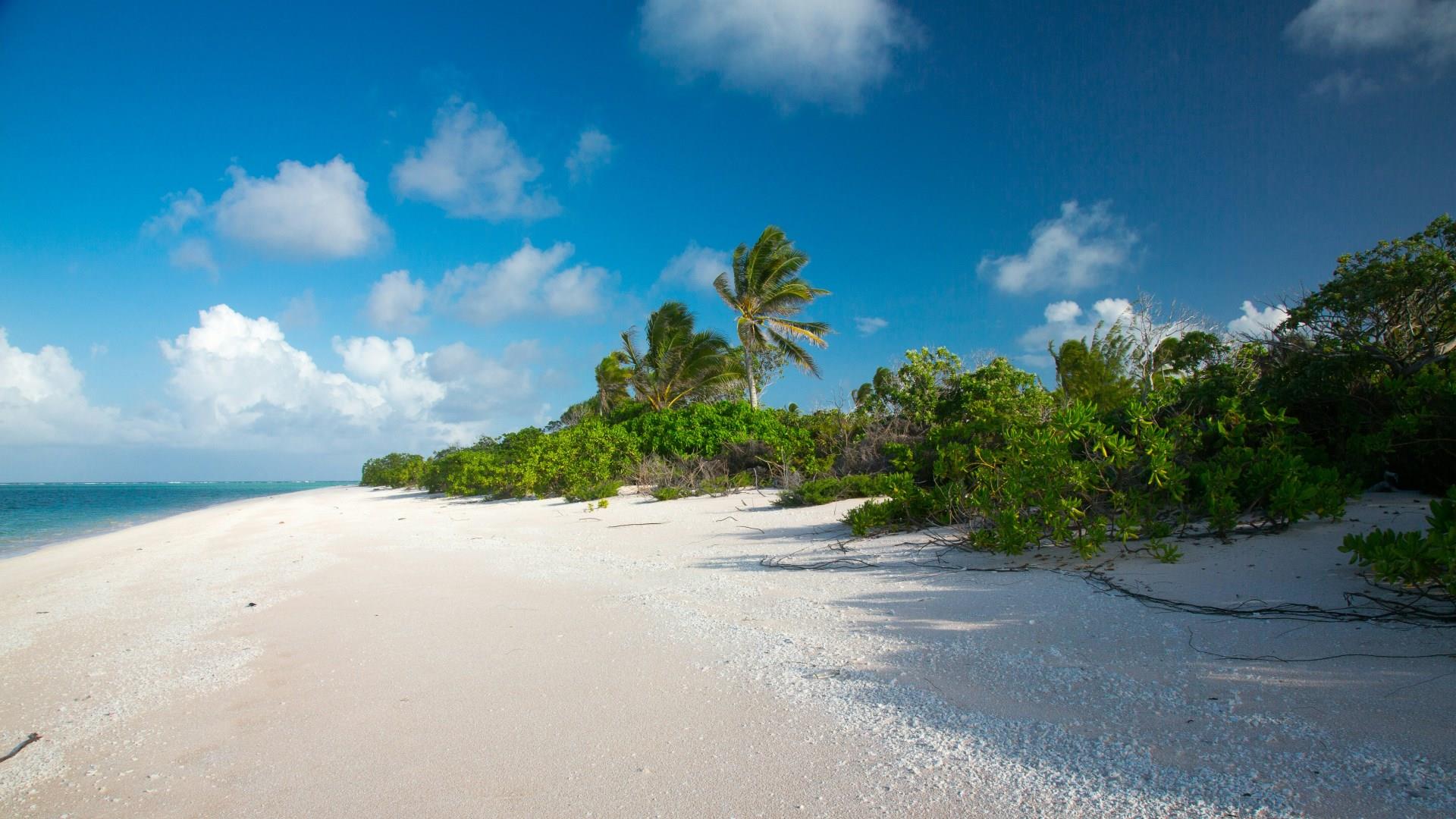
Bikini Atoll
Bikini Atoll, a remote ring of islands in the Marshall Islands, is one of the most sought-after wreck diving locations in the world. These underwater sites are preserved in a time capsule-like state, providing a rare look at history submerged in a silent world of coral and marine life.