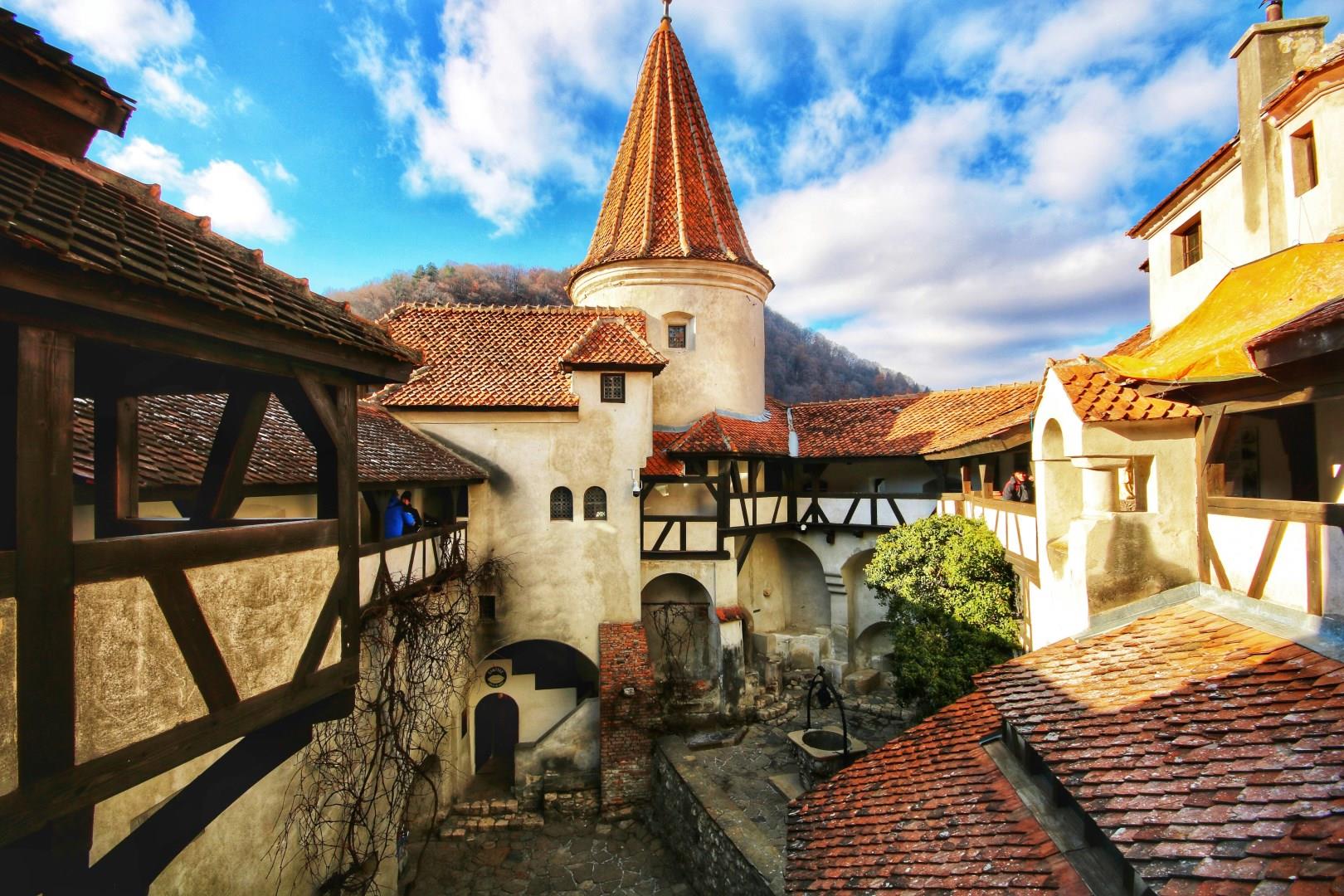
Bran
Bran, a small village nestled in the Carpathian Mountains of central Romania, is best known for its medieval fortress commonly referred to as “Dracula’s Castle.” While the connection to Bram Stoker’s fictional character is loose at best, Bran Castle continues to draw travelers with its striking towers, stone walls, and position on a rocky cliff. Originally built in the 14th century to defend against invading forces, the castle has passed through royal hands, most notably Queen Marie of Romania.
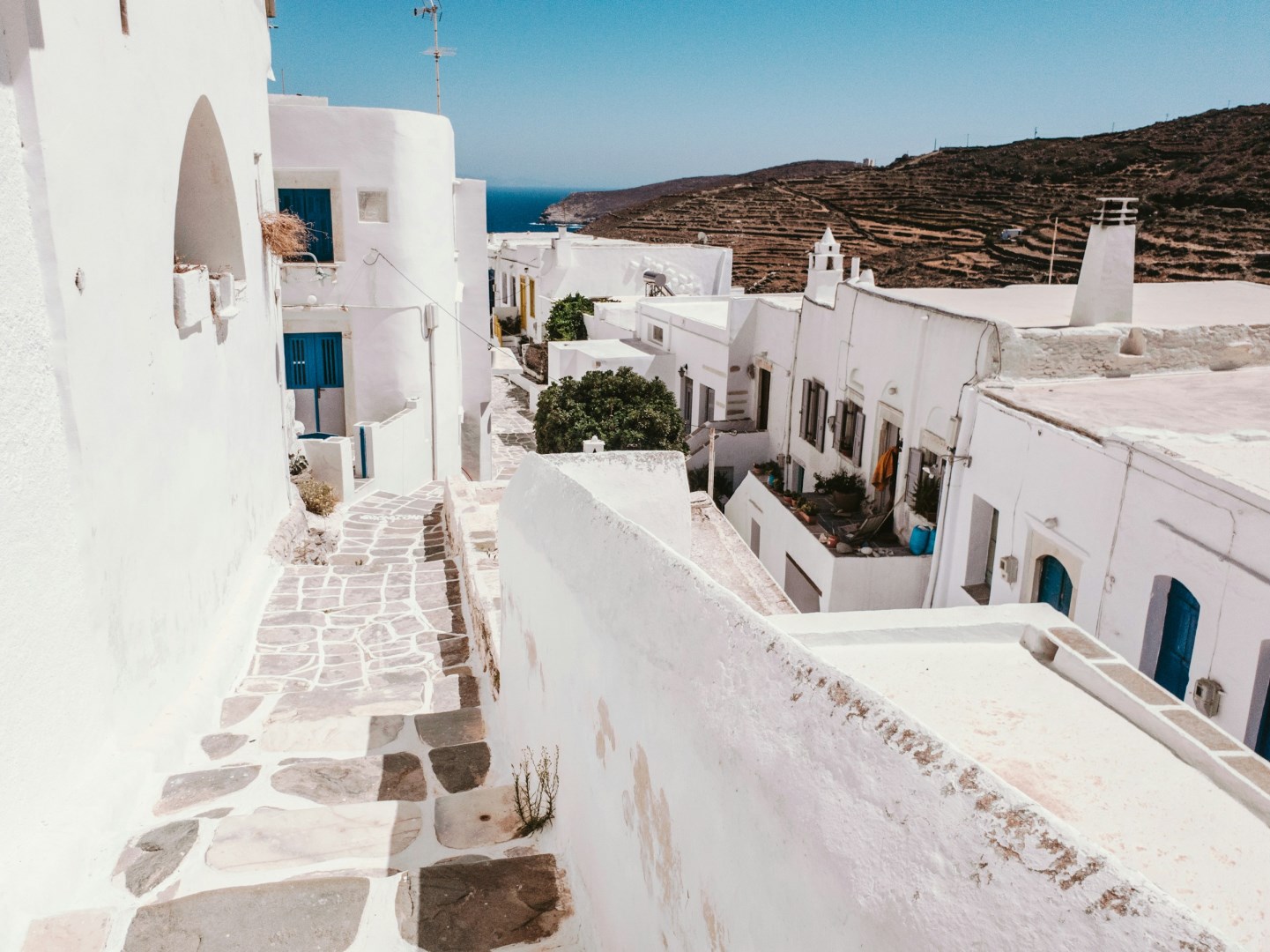
Sífnos
Sífnos is a Cycladic island in the southwestern Aegean, known for its whitewashed villages, stone-paved lanes, terraced hillsides, pottery workshops, and well-marked walking trails. Apollonia, the island’s main settlement, spreads across several hills at the center and serves as its cultural and social hub. Smaller villages such as Artemonas, Kastro, and Exambela retain traditional houses, churches, courtyards, and narrow alleys.
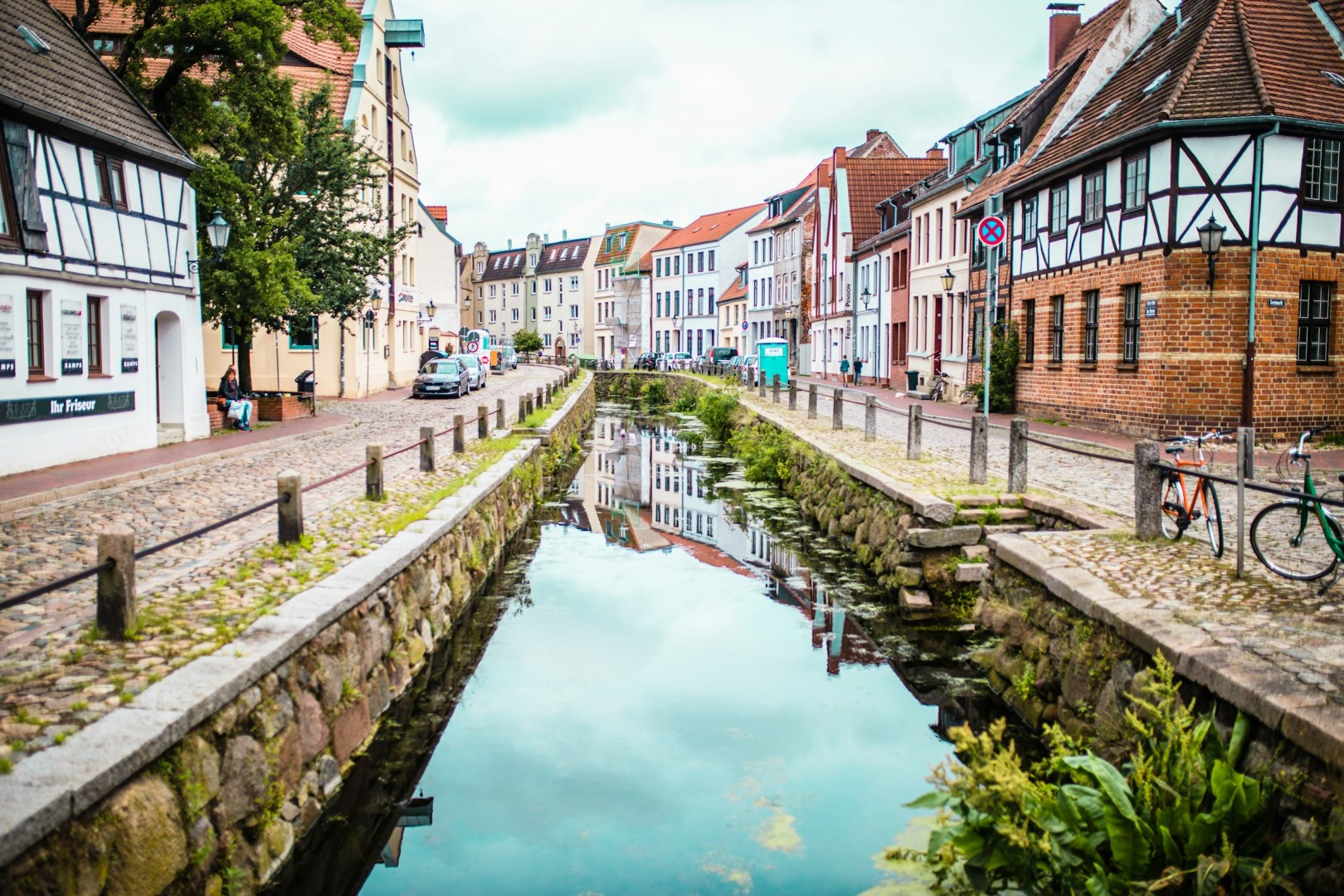
Wismar
Wismar is a historic port city on Germany’s Baltic coast in the state of Mecklenburg-Western Pomerania. Its old town is known for a remarkably well-preserved medieval street plan, large brick churches, merchant houses, and a harbor connected to the Baltic Sea. The city’s architecture reflects its former importance within the Hanseatic trading network, while the waterfront continues to support maritime activity.

Trogir
Nestled along Croatia’s stunning Dalmatian Coast, Trogir is a UNESCO World Heritage Site that offers an enchanting blend of history, architecture, and Mediterranean charm. Founded by Greek settlers in the 3rd century BC and later shaped by Roman, Venetian, and Croatian influences, Trogir’s Old Town is a labyrinth of narrow cobblestone streets, captivating medieval architecture, and vibrant piazzas. At its heart stands the Cathedral of St. Lawrence, a masterpiece of Romanesque and Gothic design w

Langkawi
Nestled in the Andaman Sea, Langkawi is an idyllic island escape renowned for its pristine beaches, lush landscapes, and vibrant culture. This Malaysian archipelago, comprising over 100 islands, boasts a range of natural wonders, including the Langkawi Sky Bridge, an architectural marvel suspended 700 meters above ground.