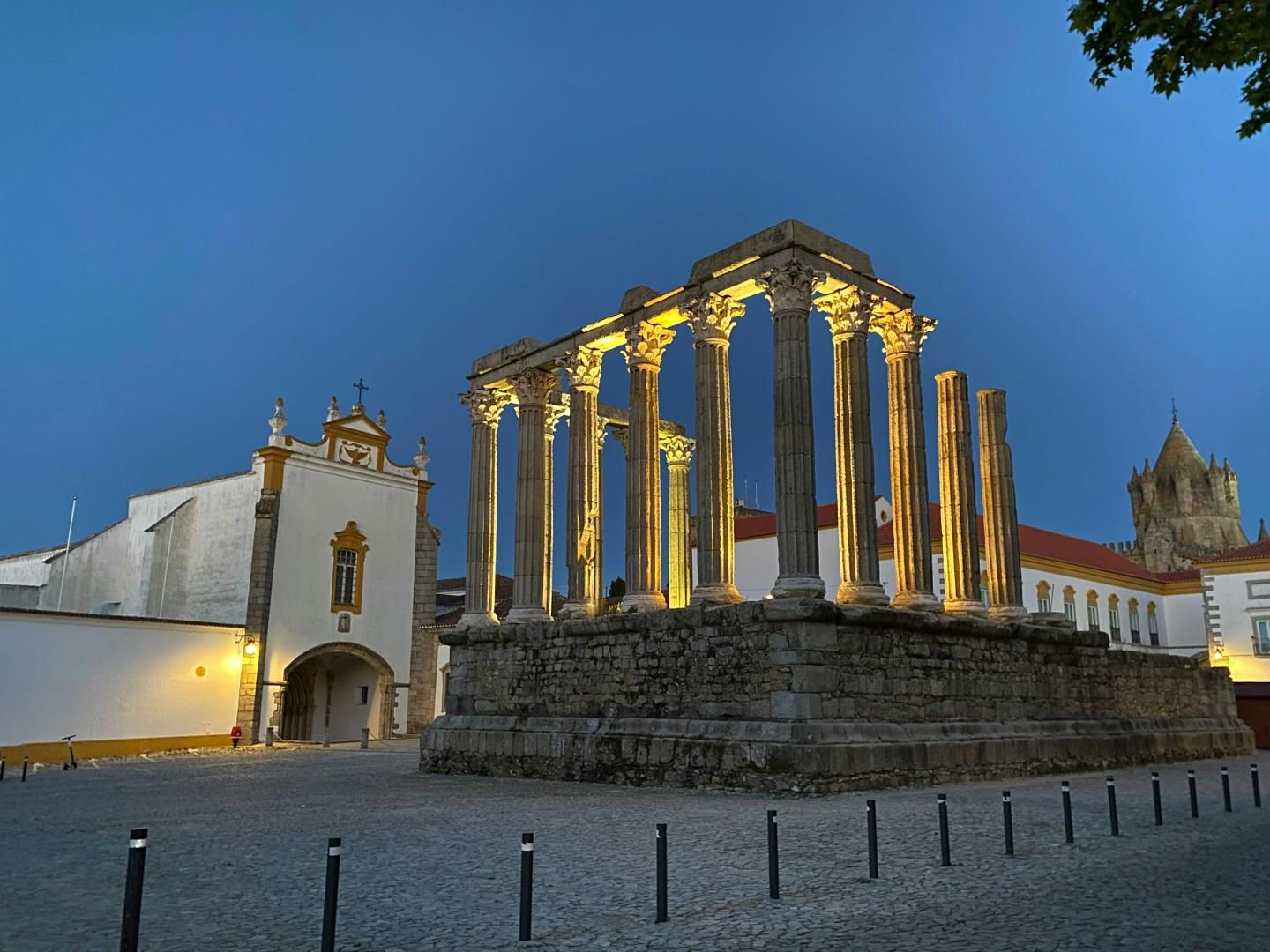
Evora
Évora, in Portugal’s Alentejo region, feels like stepping into a story that spans more than two thousand years. Its Historic Centre was named a UNESCO World Heritage Site for good reason with its ancient walls, homes with wrought-iron balconies, and narrow streets quietly preserve traces of Roman, Moorish, and medieval life. Beyond architecture and monuments, Évora reveals lesser-known treasures that reward exploration.

Las Vegas
Las Vegas, Nevada, is an electrifying city where glitz and glamour meet entertainment and excitement. Known as "The Entertainment Capital of the World," Las Vegas offers an unparalleled array of attractions, from its iconic casinos and luxurious hotels to its world-class dining and live shows. The city's entertainment scene is second to none, featuring legendary headliners, cutting-edge performances, and an array of themed attractions.
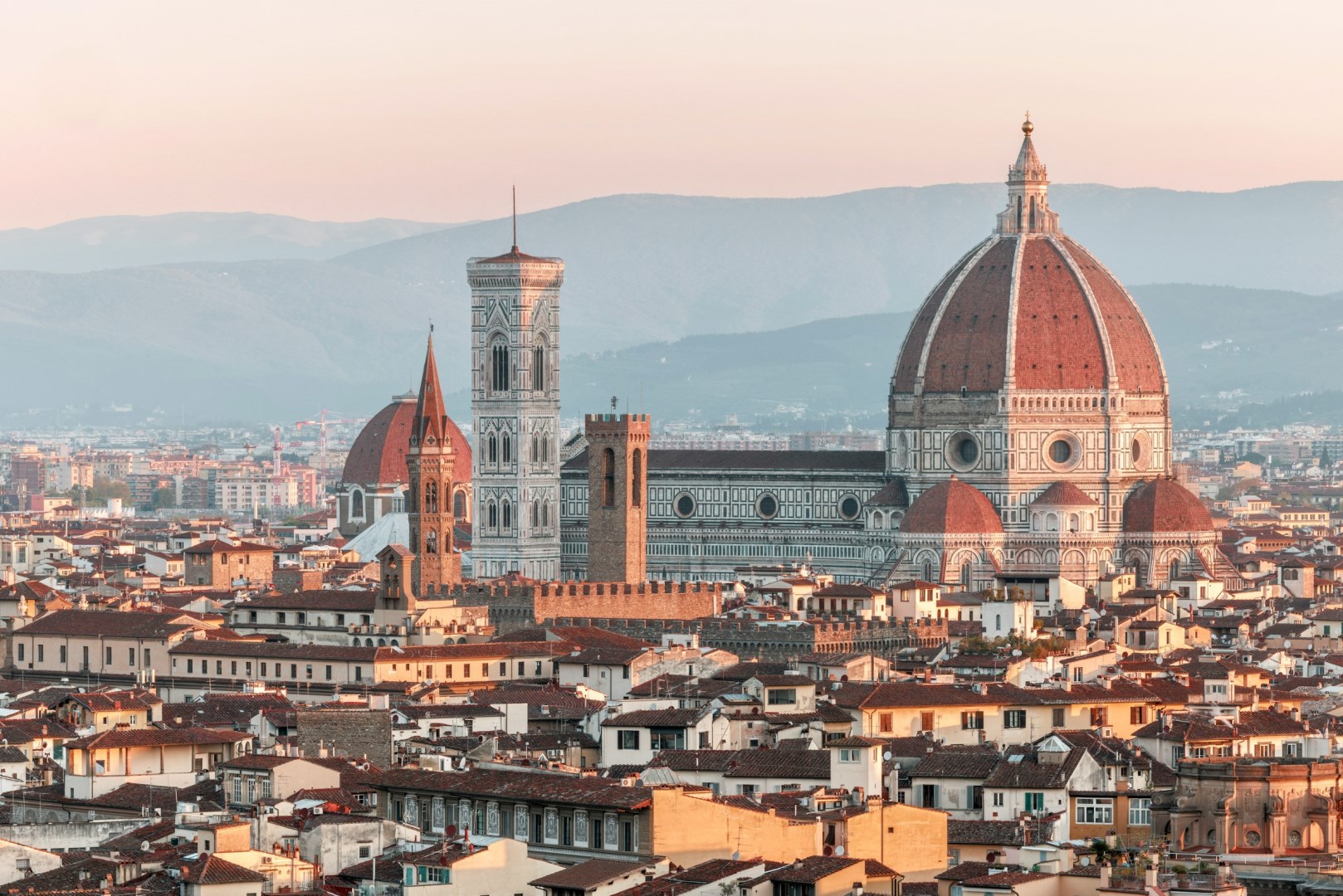
Florence
Florence (Firenze) is a compact city, but densely packed with spectacular art and architecture everywhere you look. The city center itself is a UNESCO World Heritage Site.
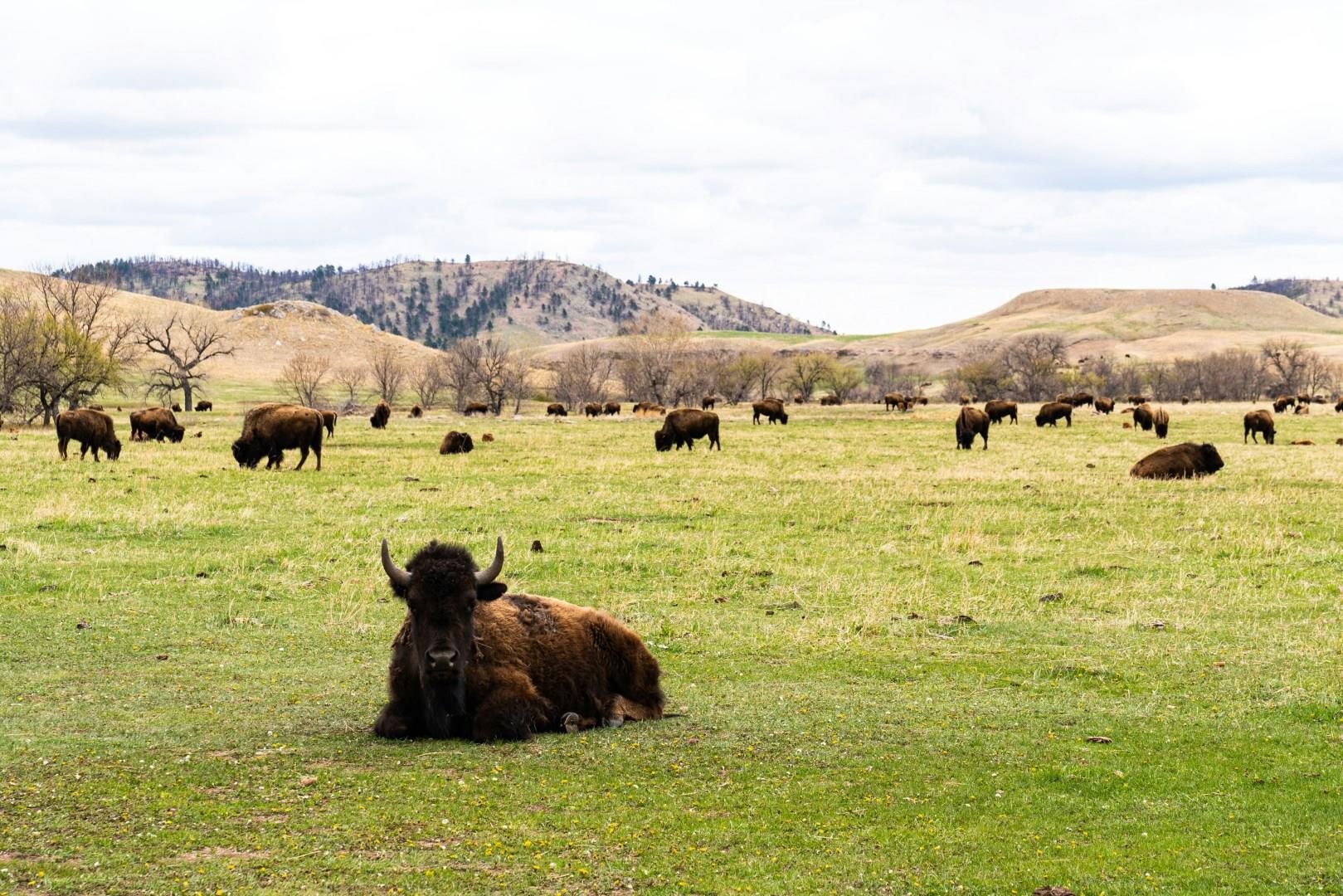
Custer
Nestled in the heart of the Black Hills, Custer, South Dakota is a small town with big stories. Established in 1875 during the Black Hills Gold Rush, Custer holds the distinction of being the oldest town in the region still in existence. Today, it serves as a gateway to some of South Dakota’s most iconic sights. With historic buildings, locally owned shops, and friendly diners lining Mount Rushmore Road, it offers a laid-back atmosphere that balances Old West charm with modern-day hospitality.

Leknes
Leknes sits in the heart of Norway’s Lofoten Islands, a small town shaped more by geography than by long urban history. It developed as a regional hub for farming, fishing, and transport, serving surrounding villages spread across Vestvågøy. Rather than presenting a preserved past, Leknes reflects contemporary life in the north, practical and closely tied to seasonal rhythms.