Sheki is a historic city in northwestern Azerbaijan, located near the forested foothills of the Greater Caucasus Mountains. It developed as an important trading center along Silk Road routes connecting the Caucasus with Persia and Central Asia.
Norway offers a landscape shaped by glaciers, framed by fjords, and steeped in Viking history. The country's coastline stretches for over 100,000 kilometers if you count every inlet and island, which makes it one of the longest in the world. Travelers can take a ferry through the Geirangerfjord or cruise along the Lofoten Islands, where steep mountain peaks rise dramatically from the sea. These routes aren’t just scenic; they’ve been lifelines for coastal communities for centuries.
Namibia, in southwestern Africa, is a land of dramatic landscapes and striking contrasts. From the towering sand dunes of the Namib Desert to the rugged mountains and deep canyons of Damaraland, the country offers some of the continent’s most unique scenery.
French Guiana, tucked between Brazil and Suriname on the northeast coast of South America, offers an unexpected blend of Amazonian wilderness, colonial intrigue, and French flair. As an overseas department of France, it uses the euro, speaks French, and has croissants alongside cassava bread at breakfast. Yet just beyond the cafés of Cayenne, vast rainforest stretches for hundreds of kilometers, home to rare wildlife, remote rivers, and Indigenous communities.
Lesbos, an enchanting island in the northern Aegean Sea, is a destination that seamlessly blends rich history with natural beauty. Known for its picturesque landscapes, Lesbos is also famous for its ancient sites and vibrant cultural scene. One of its key historical attractions is the ancient city of Mithymna, also known as Molivos, where you can explore the ruins of a Byzantine castle and enjoy stunning views of the surrounding sea and hills.
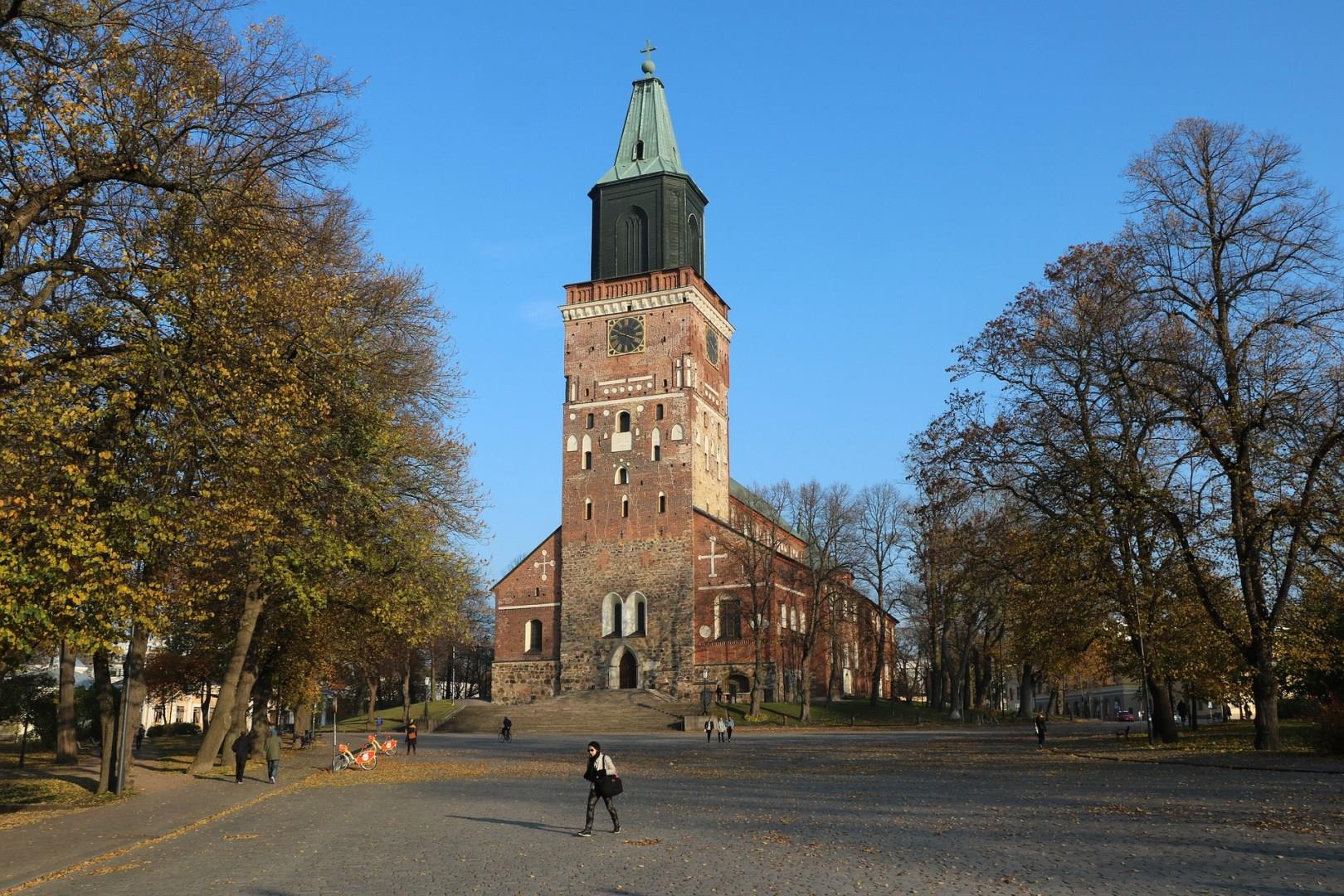
Turku, Finland’s oldest city, is a captivating blend of rich history and contemporary charm. Established in the early 13th century, Turku is renowned for its medieval architecture, including the majestic Turku Castle. Overlooking the Aura River, this fortress-turned-museum offers an immersive glimpse into Finnish history with its extensive exhibits on medieval life, weaponry, and art.
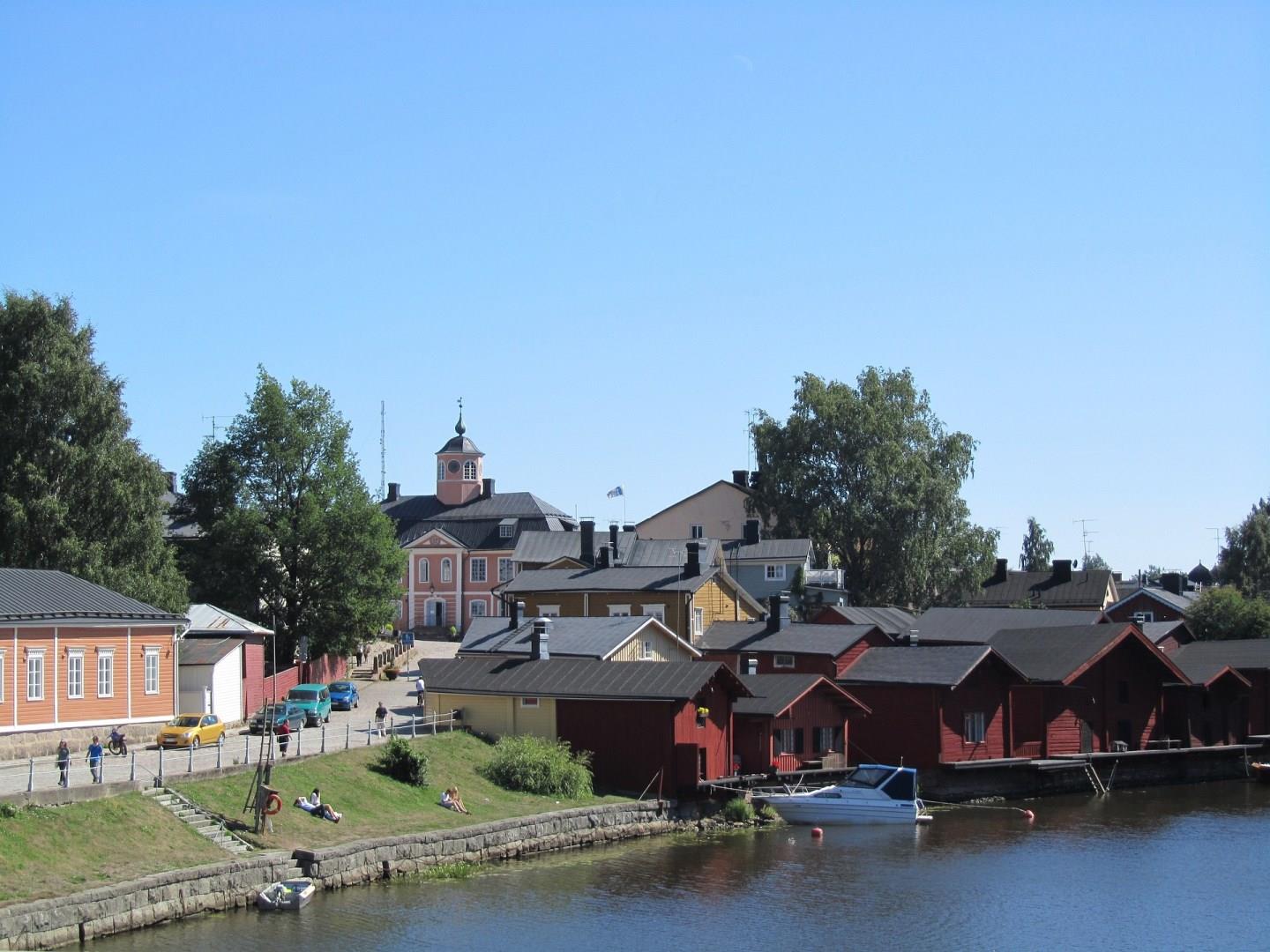
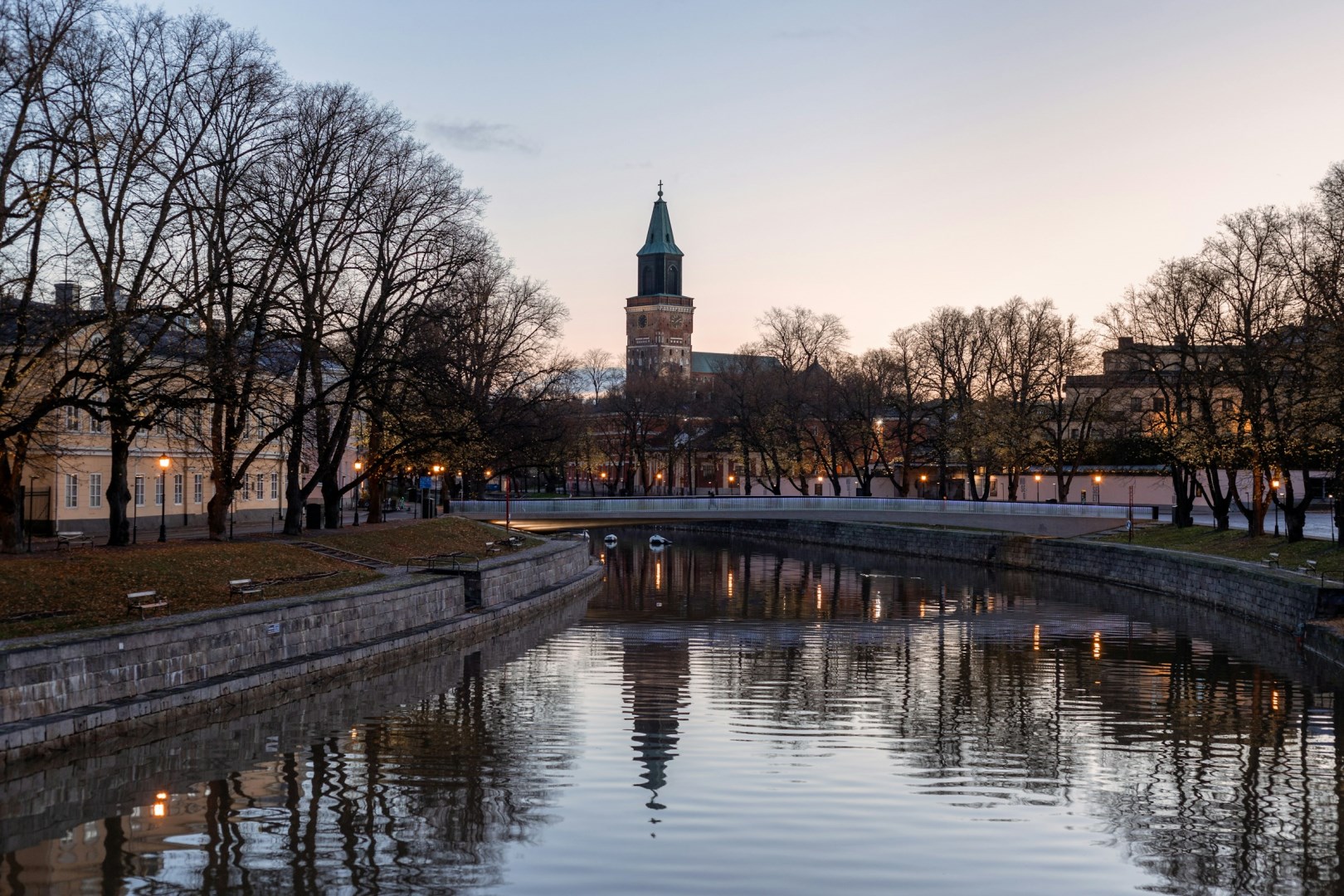
The city’s historic heart beats strongly in the Old Town and its charming wooden houses. A leisurely stroll along the Aura River, which runs through the city, reveals the scenic beauty of Turku’s riverside parks and lively café culture. The riverbanks come alive during the summer months with outdoor markets, festivals, and an abundance of food and drink options, perfect for savoring Finnish delicacies while enjoying the views.
Turku is also known for its vibrant cultural scene. The Turku Art Museum and the Turku Philharmonic Orchestra offer enriching cultural experiences, while the city’s Christmas Market is a festive highlight, attracting visitors with its cozy atmosphere and unique Finnish crafts. A fun fact about Turku is that it was the European Capital of Culture in 2011, which spotlighted its cultural and historical significance on the global stage.
For the best experience, visit Turku from May to September when the weather is pleasant and the city’s outdoor events are in full swing. Whether exploring medieval castles or enjoying modern festivals, Turku offers a compelling blend of the old and the new that promises a memorable visit.