Syracuse
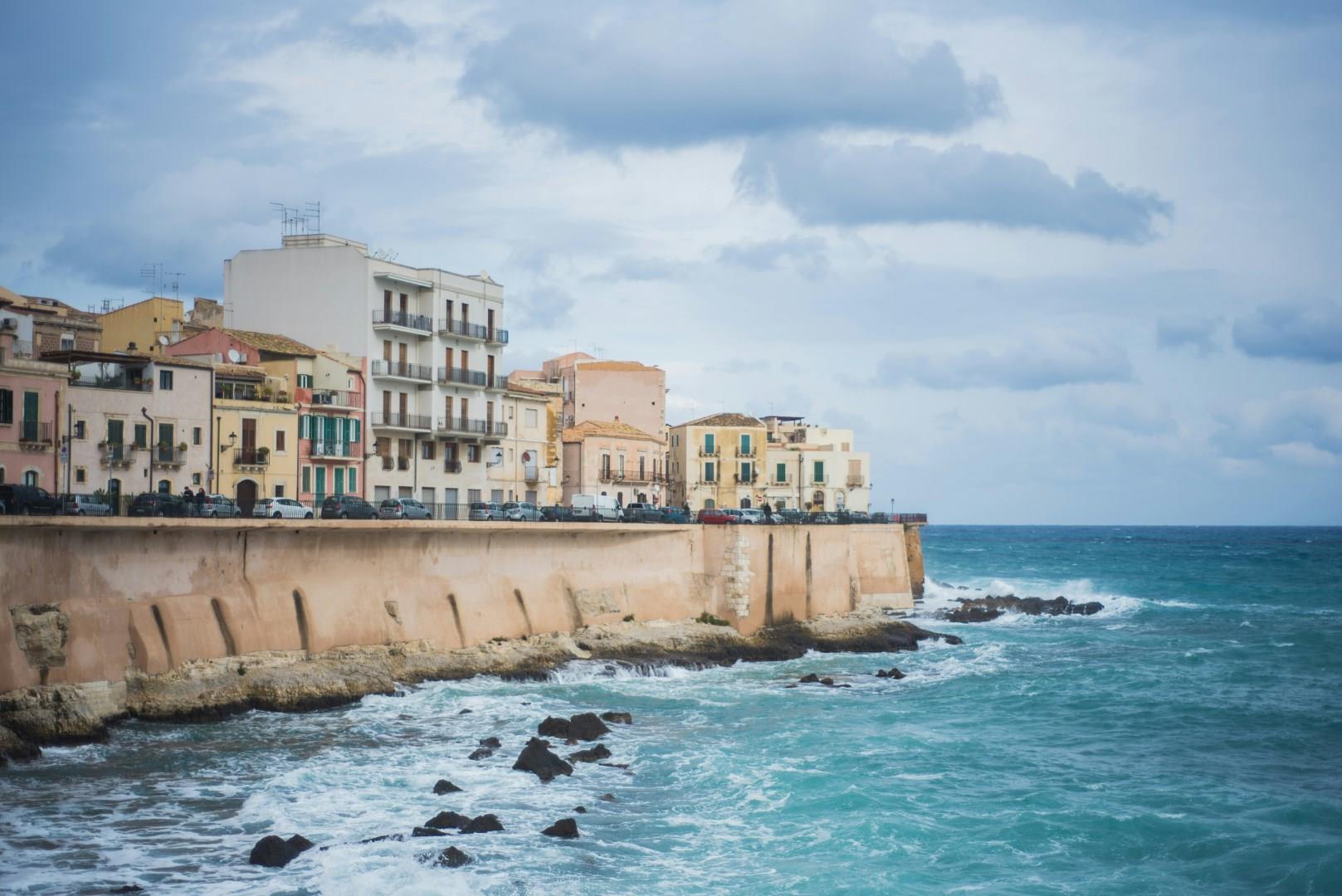
Syracuse, located on the eastern coast of Sicily, is a city where history and the sea converge in unforgettable ways. Founded by ancient Greeks in the 8th century BC, it became one of the most powerful city-states of its time. Today, visitors can explore the impressive archaeological park of Neapolis, which features a vast Greek theatre, Roman amphitheater, and the Ear of Dionysius, a limestone cave known for its remarkable acoustics.

Florence
Florence (Firenze) is a compact city, but densely packed with spectacular art and architecture everywhere you look. The city center itself is a UNESCO World Heritage Site.

New York
New York is more than a state, it’s a collection of vivid contrasts where small-town traditions meet global icons. Beyond the skyscrapers of Manhattan, visitors discover everything from glacier-carved lakes in the Finger Lakes region to quiet mountain villages in the Adirondacks. In upstate towns like Saratoga Springs and Hudson, restored main streets are lined with galleries, cafés, and antique shops, offering a slower pace steeped in local pride.
Nyungwe Forest National Park
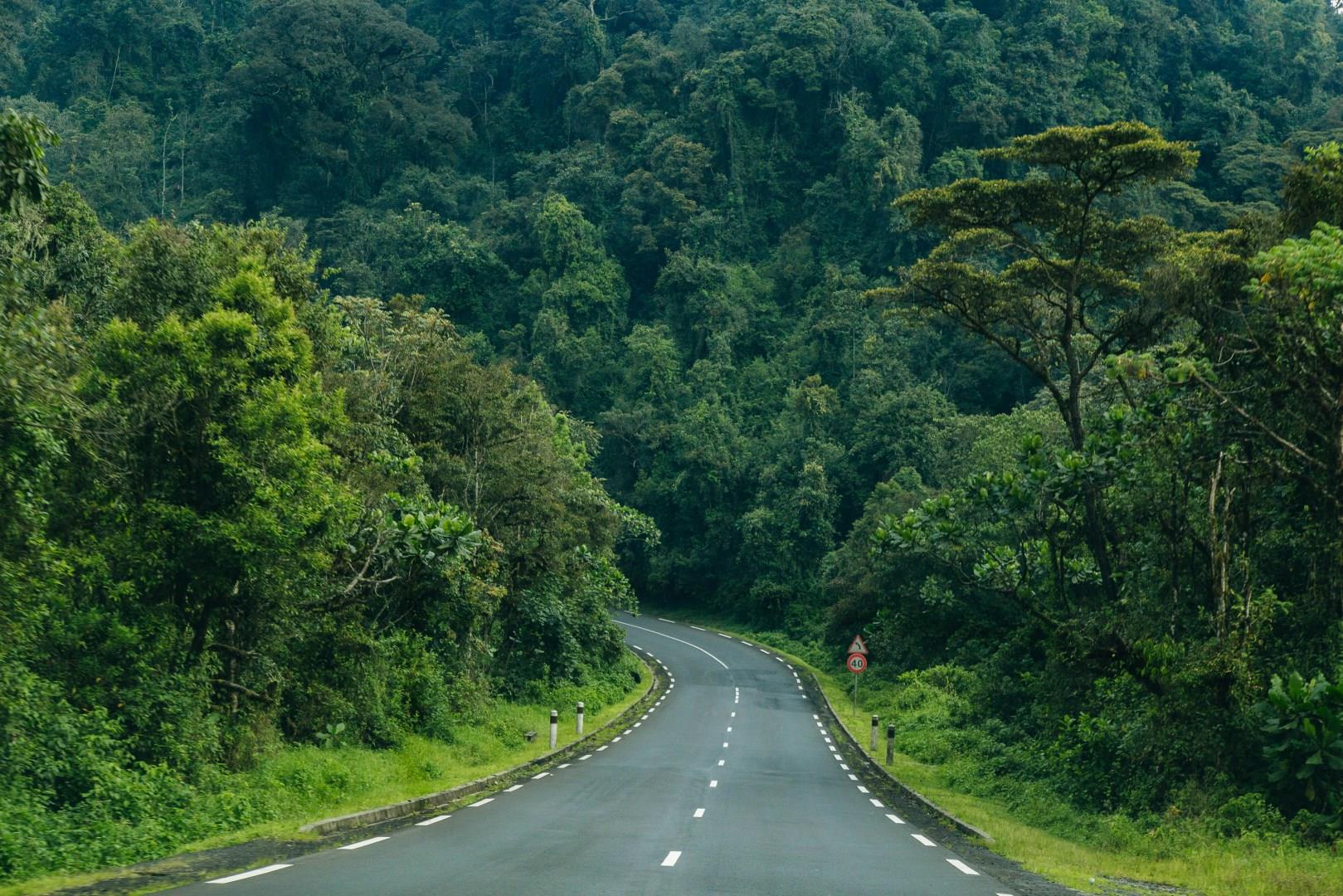
Nyungwe Forest National Park, in southwestern Rwanda, is one of Africa’s oldest rainforests and a sanctuary of biodiversity. Spanning more than 1,000 square kilometers, the park shelters a wealth of wildlife, including over 300 bird species, 1,000 plant species, and an impressive 13 primate species.
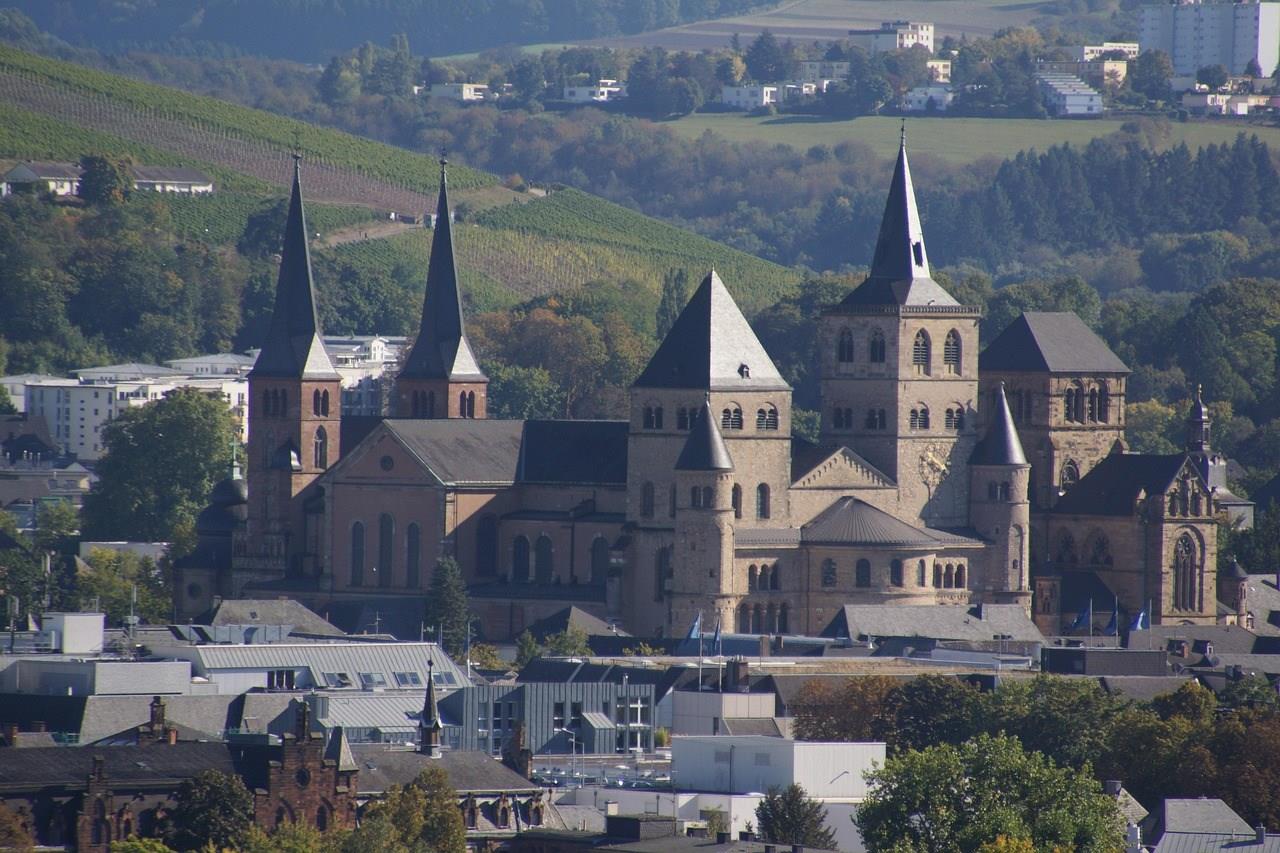
Trier
Trier, Germany’s oldest city, is a living museum nestled in the Moselle Valley, where Roman ruins rise beside medieval churches and bustling market squares. Founded by the Romans in 16 BCE, Trier was once known as “Roma Secunda,” the second Rome, and still boasts the largest collection of Roman architecture north of the Alps. The Trier Cathedral (Dom St. Peter), which is a UNESCO World Heritage Site, is the oldest church in Germany and houses a relic said to be the Holy Robe of Christ.