Chobe National Park, located in the far northeastern corner of Botswana, is a haven for wildlife enthusiasts and one of Africa's premier safari destinations. Known for its immense elephant population—estimated at over 120,000—the park offers an unparalleled opportunity to witness these majestic creatures in their natural habitat
Tayrona National Natural Park, located on Colombia’s northern Caribbean coast, is where the Sierra Nevada mountains plunge into the sea, creating a landscape of wild beaches, dense rainforest, and ancient archaeological sites. Just an hour from Santa Marta, this protected area stretches over 150 square kilometers of land and marine territory. Its coastline is dotted with hidden coves, palm-fringed bays, and massive boulders sculpted by wind and time.
The Loire Valley stretches along the gentle curves of France’s longest river, a place where riverside towns, historic estates and vineyards have shaped daily life for centuries. This long stretch of landscape was recognized as a UNESCO World Heritage Site because of its remarkable cultural landscape, which includes towns like Tours, Blois, Amboise and Saumur and a tapestry of castles standing beside the river banks.
Kingstown, the vibrant capital of St. Vincent and the Grenadines, is a captivating blend of Caribbean charm and historical intrigue. Located on the southwestern coast of the island of St. Vincent, this bustling port city offers a gateway to explore both its colonial past and vibrant present. Start your exploration at the Fort Charlotte which overlooks Kingstown Harbor.
Cobh, a colorful harbor town in County Cork, holds a unique place in Irish history and maritime heritage. Once known as Queenstown, it was the final port of call for the Titanic in 1912. Today, the Titanic Experience Cobh offers visitors a chance to step into the footsteps of the 123 passengers who boarded that day. Located in the original White Star Line ticket office, the museum tells personal stories of those who left from this very spot, blending interactive exhibits with original artifacts.
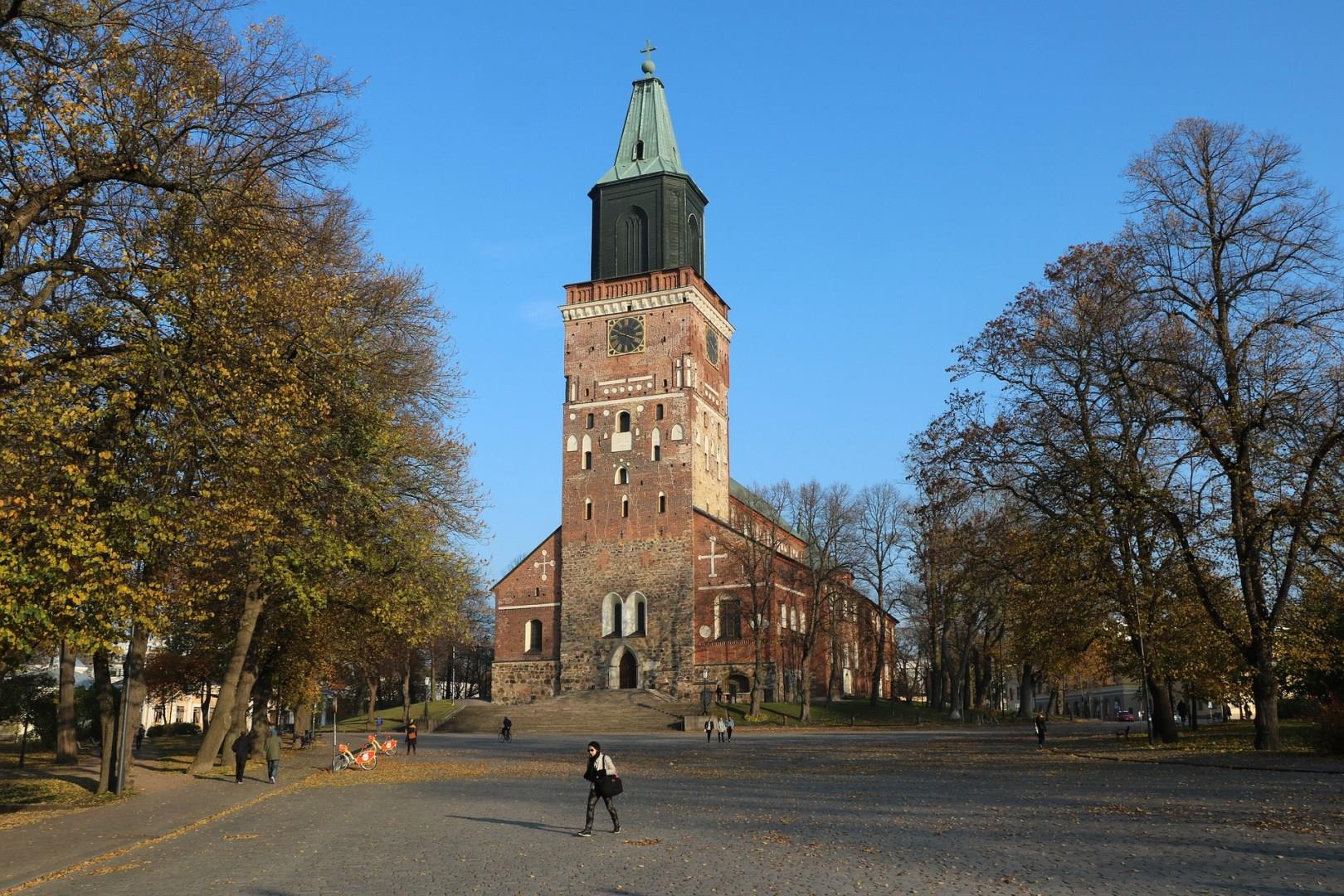
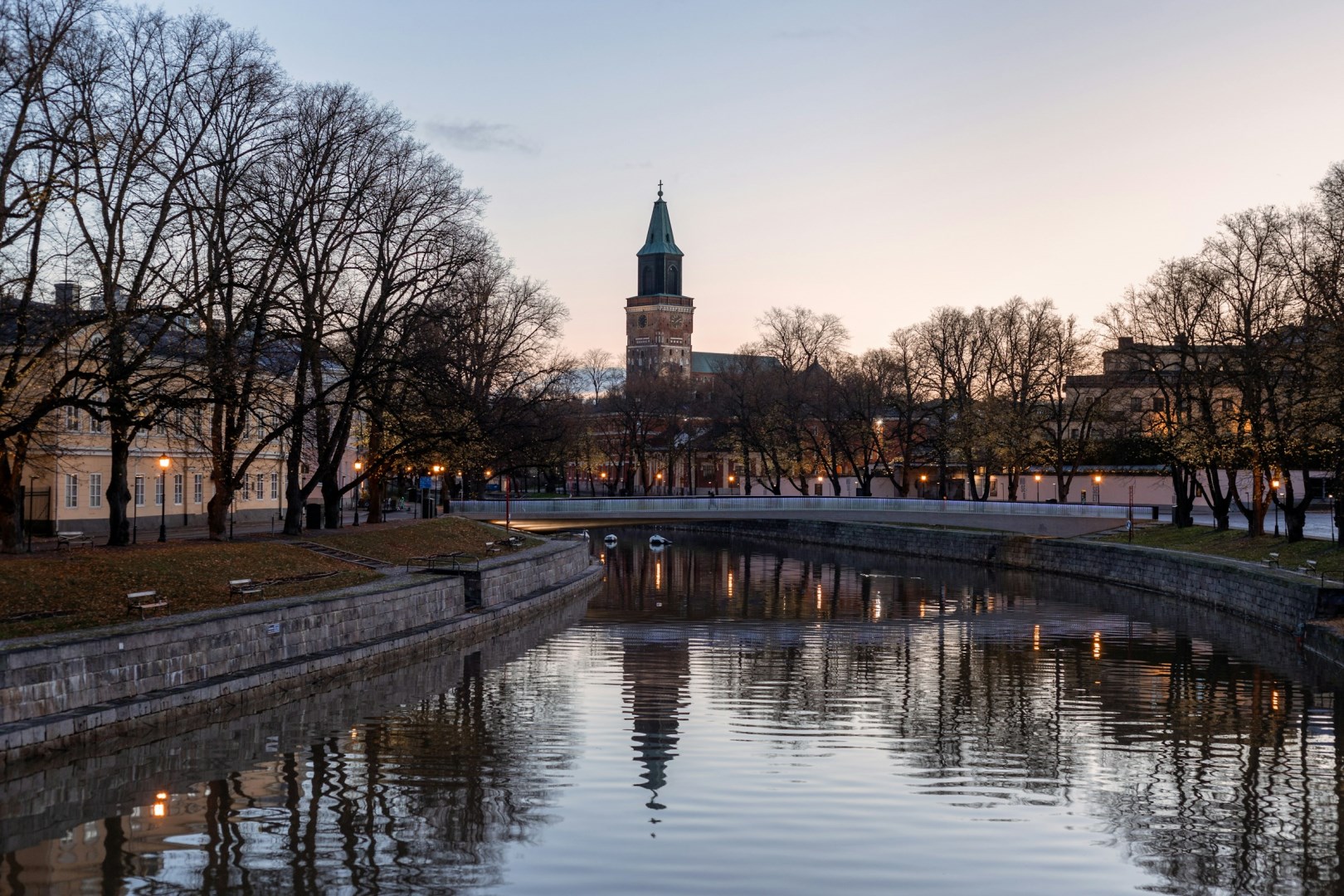
Turku, Finland’s oldest city, is a captivating blend of rich history and contemporary charm. Established in the early 13th century, Turku is renowned for its medieval architecture, including the majestic Turku Castle. Overlooking the Aura River, this fortress-turned-museum offers an immersive glimpse into Finnish history with its extensive exhibits on medieval life, weaponry, and art.
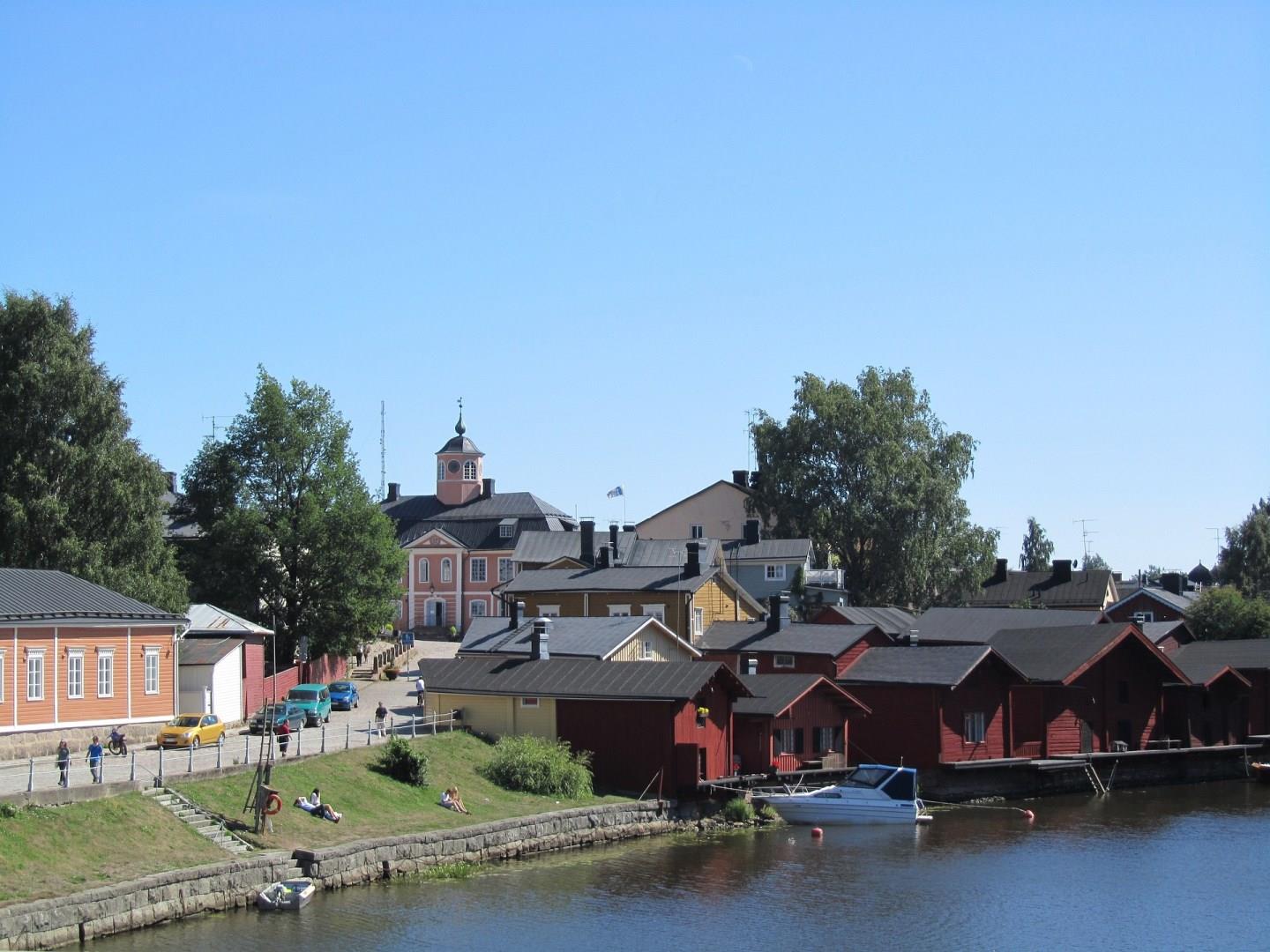
The city’s historic heart beats strongly in the Old Town and its charming wooden houses. A leisurely stroll along the Aura River, which runs through the city, reveals the scenic beauty of Turku’s riverside parks and lively café culture. The riverbanks come alive during the summer months with outdoor markets, festivals, and an abundance of food and drink options, perfect for savoring Finnish delicacies while enjoying the views.
Turku is also known for its vibrant cultural scene. The Turku Art Museum and the Turku Philharmonic Orchestra offer enriching cultural experiences, while the city’s Christmas Market is a festive highlight, attracting visitors with its cozy atmosphere and unique Finnish crafts. A fun fact about Turku is that it was the European Capital of Culture in 2011, which spotlighted its cultural and historical significance on the global stage.
For the best experience, visit Turku from May to September when the weather is pleasant and the city’s outdoor events are in full swing. Whether exploring medieval castles or enjoying modern festivals, Turku offers a compelling blend of the old and the new that promises a memorable visit.