Kalsoy
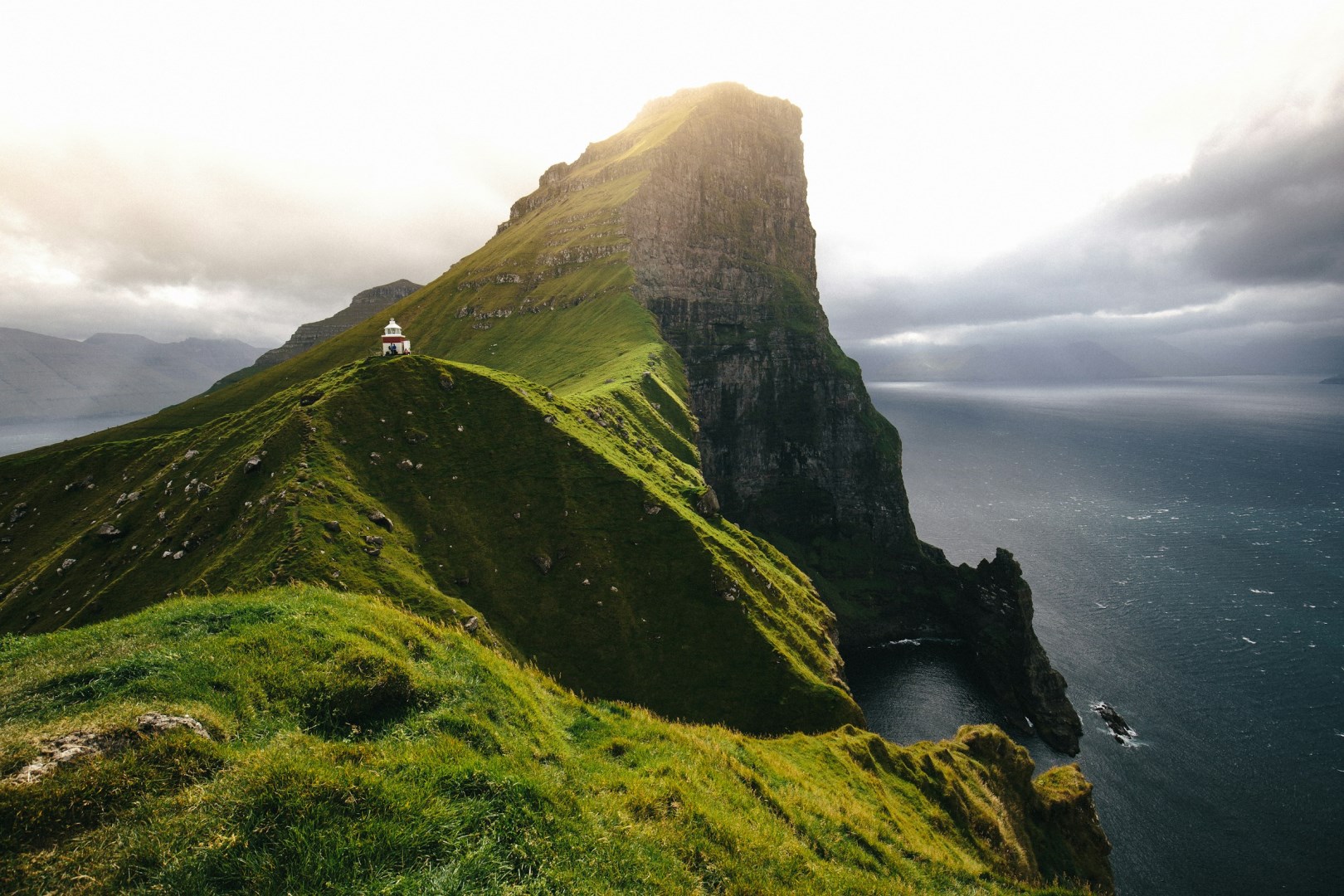
Kalsoy is a narrow, mountainous island in the northern Faroe Islands, known for its steep eastern cliffs, deep valleys, and small settlements along the western side. The island is reached by ferry from Klaksvík, and its road passes through several short tunnels as it connects the villages of Húsar, Mikladalur, and Trøllanes. Much of Kalsoy remains open pasture and rugged mountain terrain, with the sea visible from almost every part of the island.
Elephanta Caves
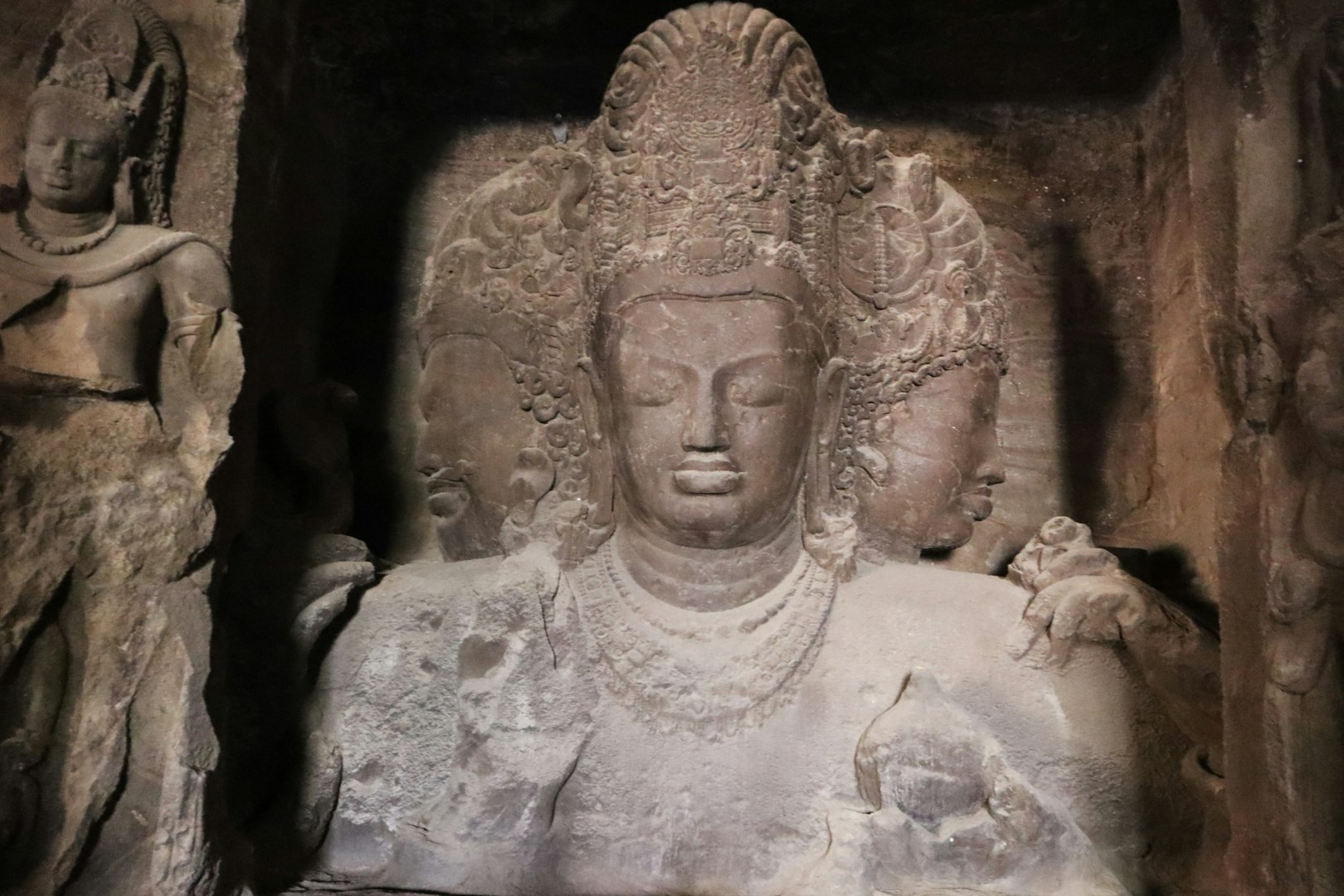
Elephanta Caves are a group of rock-cut temples on Elephanta Island in Mumbai Harbour, Maharashtra, reached by ferry from Mumbai. Carved into basalt cliffs, the caves contain sculptures and architectural features dedicated mainly to Shiva, along with smaller Buddhist remains. The island is covered by forest and rises above the surrounding waters, creating a marked contrast with the dense urban landscape of Mumbai. The cave complex is recognized as an important example of Indian rock-cut architec
Okene
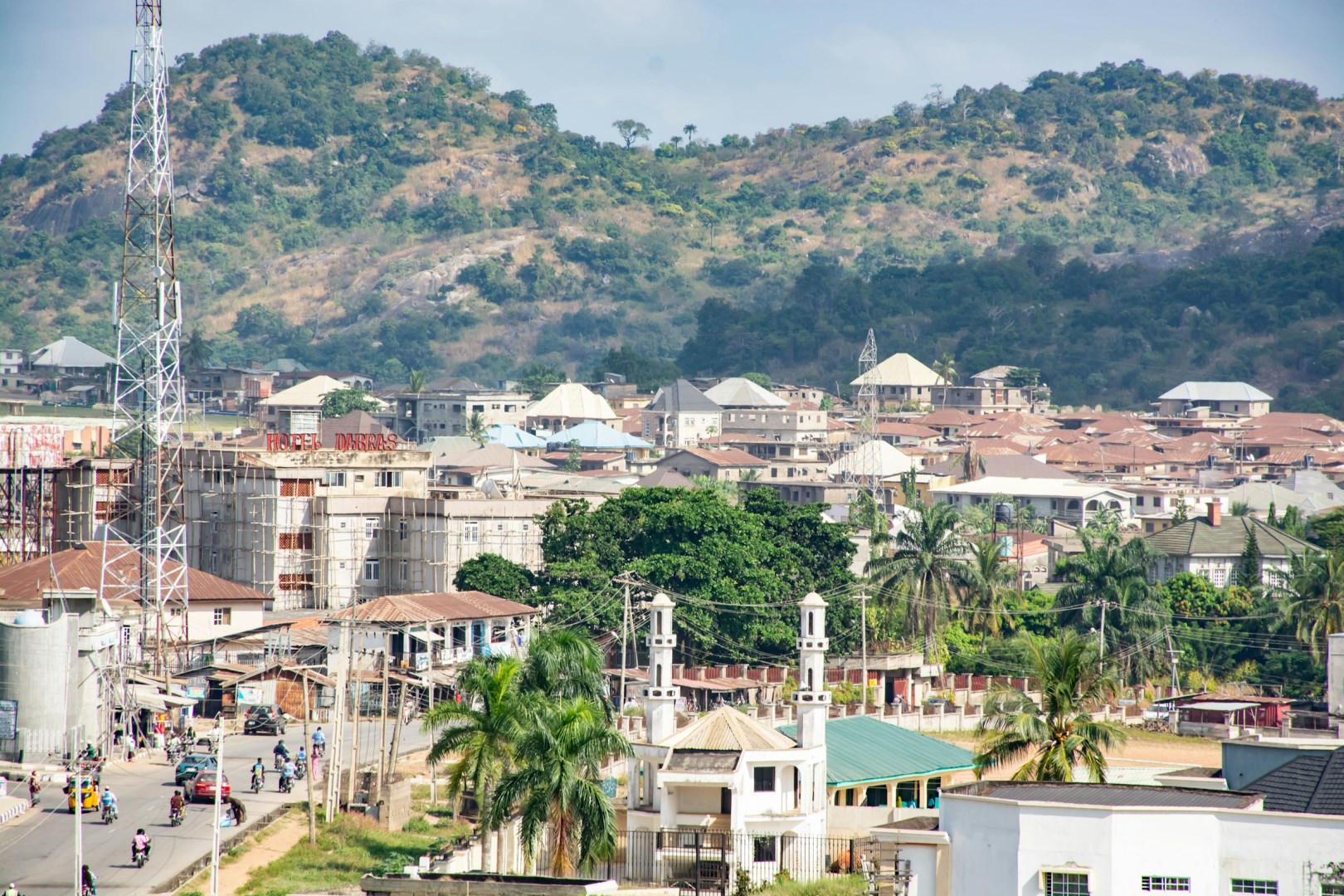
Okene is a town in Kogi State in north-central Nigeria, set among the hills of the central Nigerian landscape.
Apia
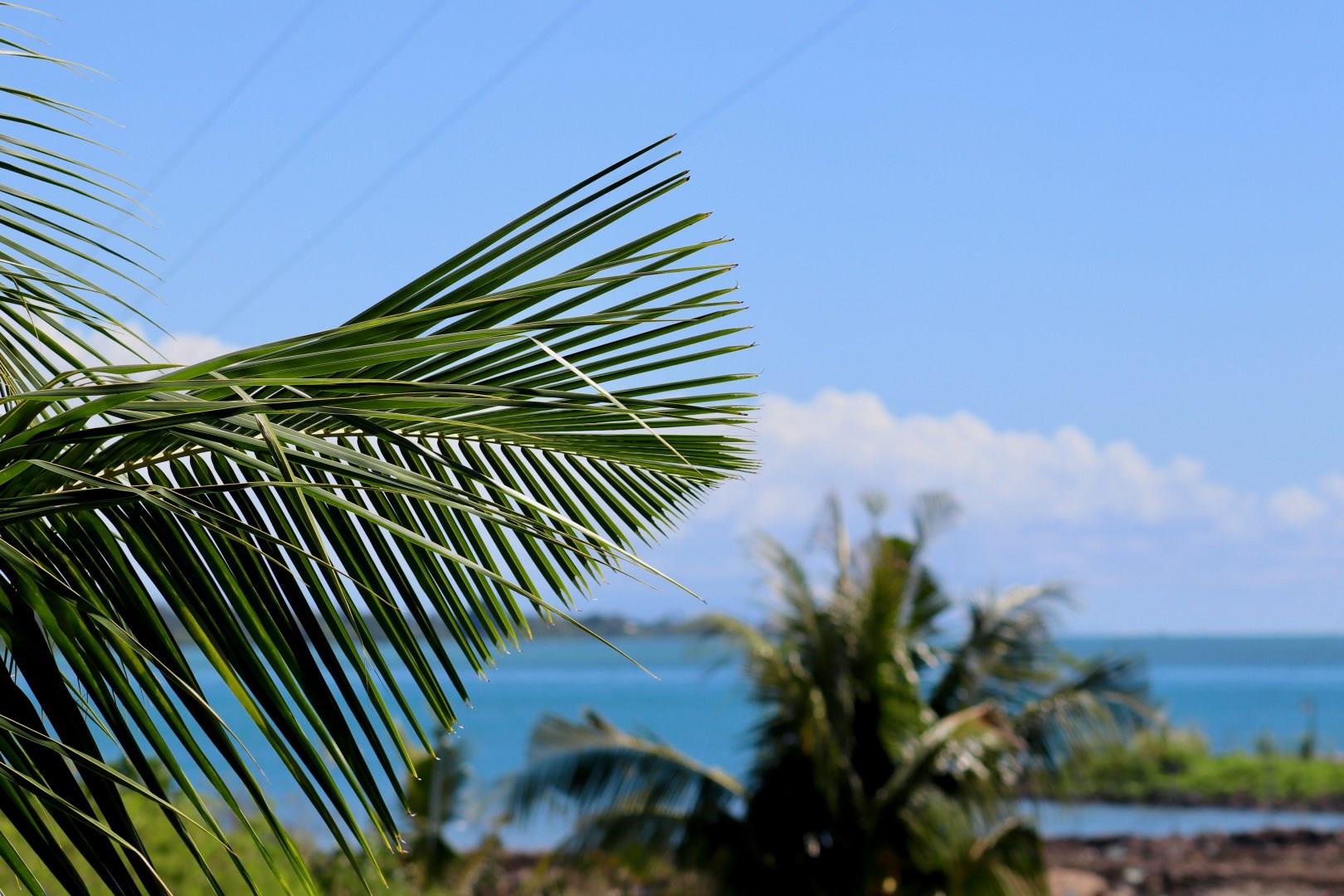
Apia, the lively capital of Samoa, sits on the north coast of Upolu island and blends the island’s rich traditions with a laid-back charm that’s hard to miss. Once a small village, Apia has grown into a central hub where local culture, commerce, and history meet. From bustling markets to quiet waterfronts, Apia offers visitors a chance to experience Samoa’s rhythm at their own pace.

Glenwood Springs
Glenwood Springs, Colorado, is a picturesque resort town famous for its geothermal springs. Nestled in a scenic canyon of the Rocky Mountains where the Colorado and Roaring Fork Rivers meet, Glenwood Springs will enthrall you with its natural beauty, including towering red sandstone cliffs, snow-capped mountains, and lush forests.