Amiens
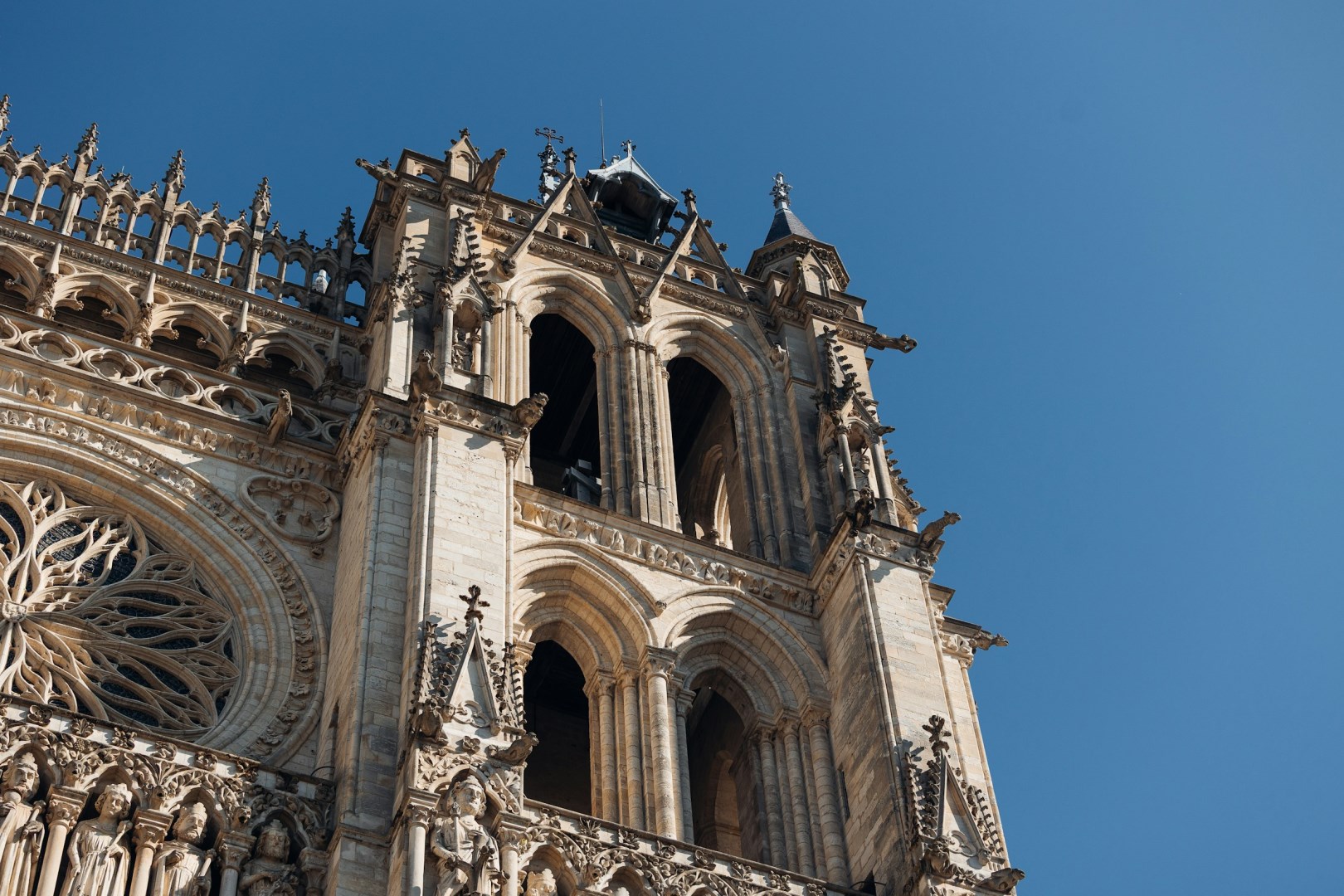
Amiens is a city in northern France and the capital of the Somme department, set along the Somme River amid the Picardy countryside. Its historic centre is dominated by Amiens Cathedral, one of the largest Gothic cathedrals in France and a UNESCO World Heritage Site. Waterways are also central to the city's character, particularly in the Hortillonnages, a network of gardens and canals on former marshland.
Belo Horizonte
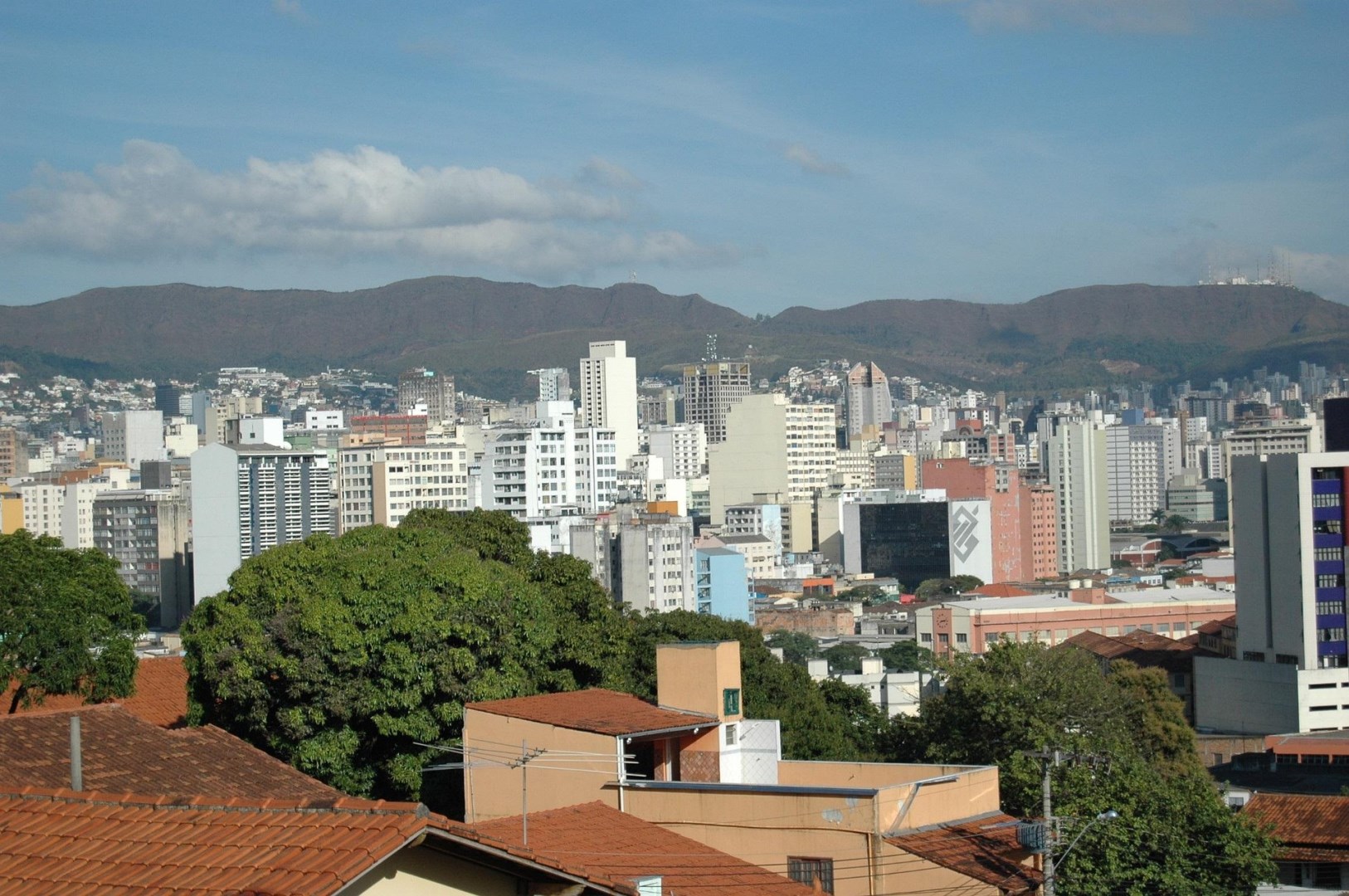
Brazil's third largest city, Belo Horizonte was founded in 1897. Most of Brazil's gems and semi-precious stones are mined in this area and it is where you can find the best bargains, from aquamarines to imperial topaz. It is just 59 miles from Brazil's most historic colonial city, Ouro Preto.
Cambridge
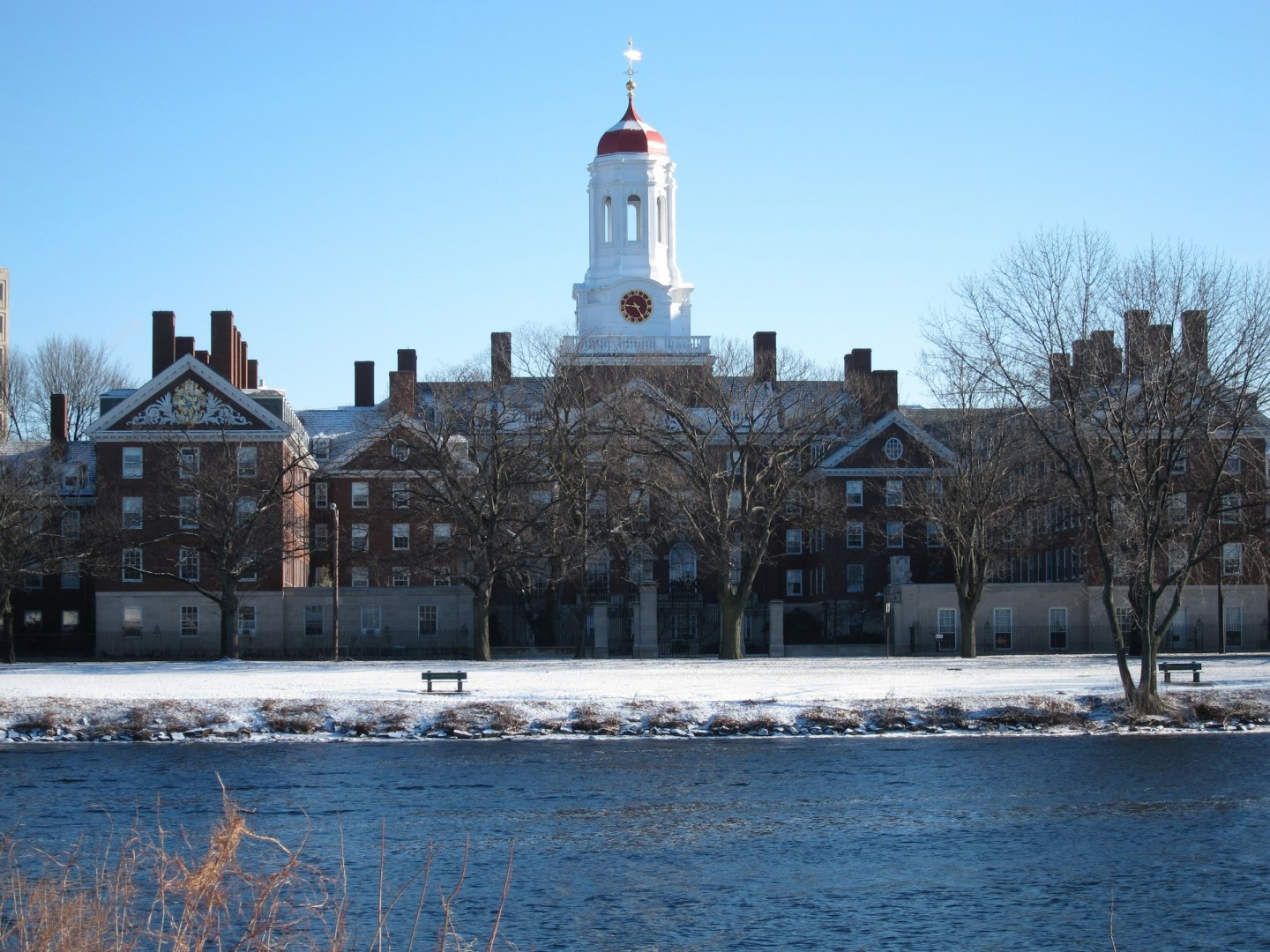
Cambridge, Massachusetts, sits across the Charles River from Boston and is known for its universities, historic neighborhoods, research institutions, and distinctive network of public squares. Harvard University and the Massachusetts Institute of Technology give the city an international academic profile, while areas such as Harvard Square, Central Square, Kendall Square, and Inman Square each have their own mix of shops, restaurants, cultural venues, and businesses.

Salzburg
Nestled in the foothills of the Eastern Alps, Salzburg, Austria, exudes a timeless charm that combines Baroque splendor, musical heritage, and breathtaking natural beauty. The city is famously known as the birthplace of Wolfgang Amadeus Mozart, one of the world's greatest composers. Visitors can immerse themselves in the life and works of Mozart by visiting his birthplace, now a museum, on Getreidegasse, a picturesque street lined with wrought-iron signs and colorful facades.

Lexington
Lexington lies in Kentucky’s Bluegrass Region, surrounded by rolling pastureland, limestone-rich soil and hundreds of horse farms. Known as the “Horse Capital of the World,” the city is closely associated with Thoroughbred breeding and racing, yet it also has a busy downtown shaped by universities, restaurants, arts venues and bourbon production.