Panama City
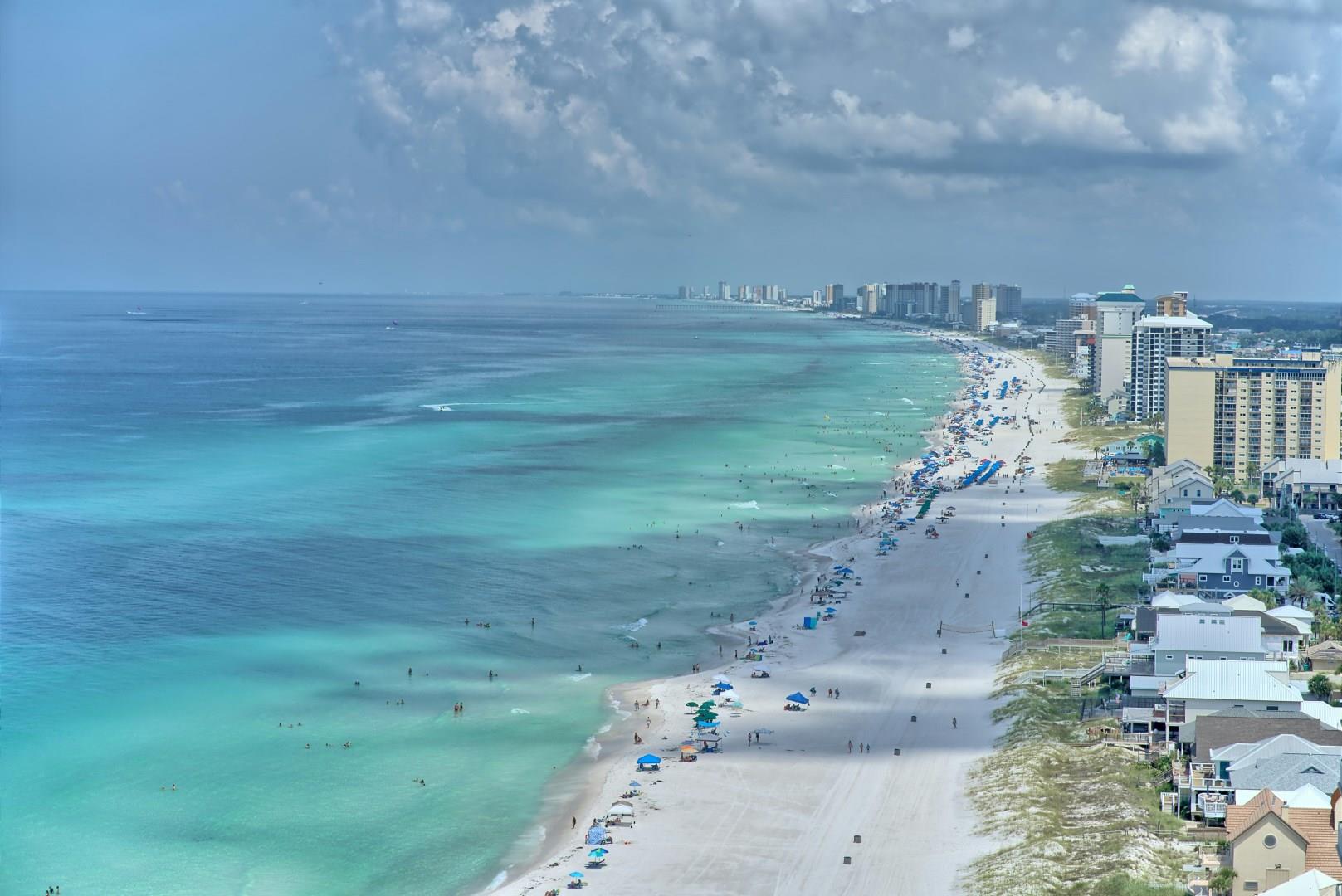
Panama City, Florida, sits along the Gulf Coast where maritime history and modern beach culture intersect. Originally tied to shipbuilding and fishing, the city developed around St. Andrews Bay, which still anchors local identity through working marinas and long-established neighborhoods.

Valencia
Valencia, located on the Balearic coastline of eastern Spain, is a Mediterranean haven replete with stunning art, striking architecture, immersive museums, and inviting beaches. The heart of Valencia is the perfect place to explore the best that the city has to offer.
Mauritania
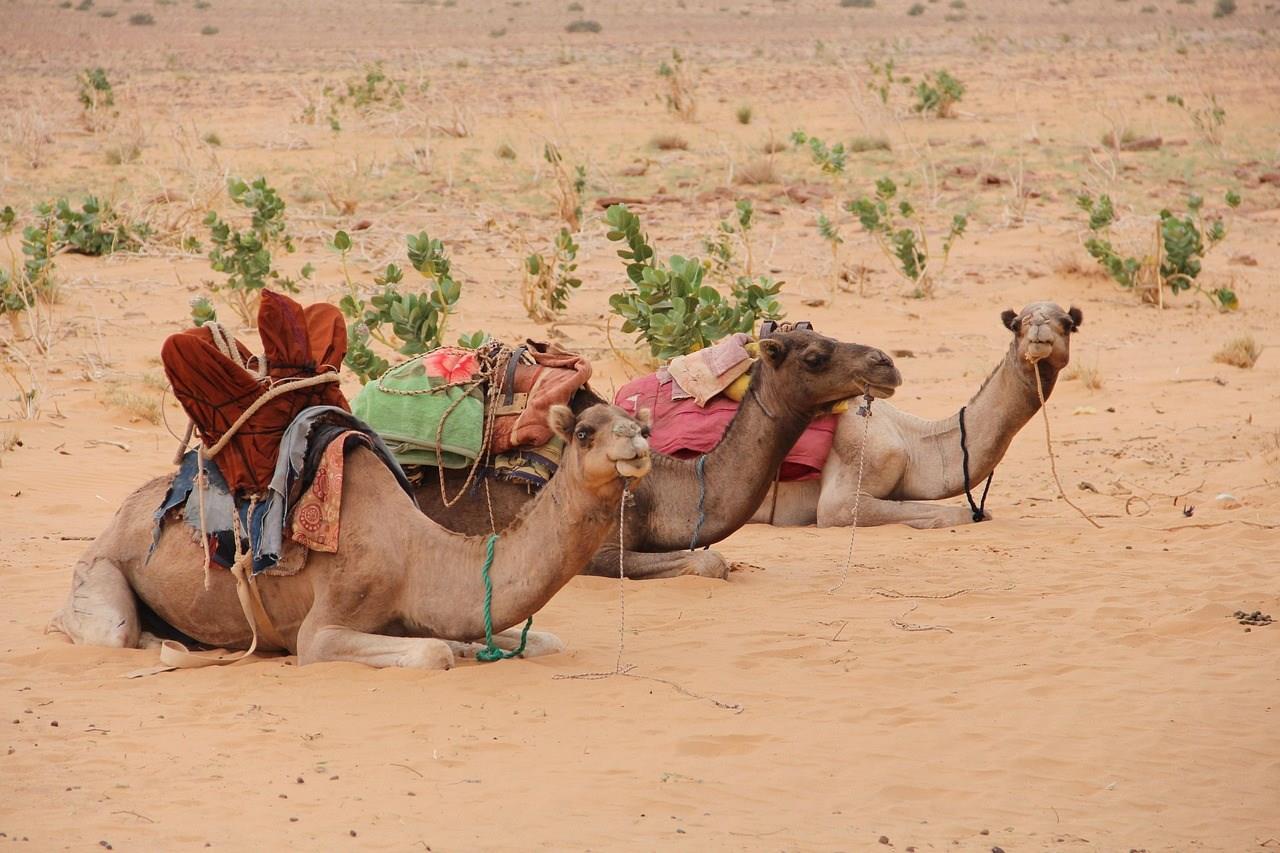
Mauritania, stretching between the Atlantic Ocean and the Sahara Desert, offers travelers a journey through wide-open landscapes and centuries of history. Its terrain is marked by shifting sand dunes, ancient caravan towns, and stretches of untouched coastline.

Lake Atitlán
Lake Atitlán, nestled in the Guatemalan Highlands, is a breathtaking destination that offers a unique blend of natural beauty, indigenous culture, and adventure. Formed in a massive volcanic crater, this lake is often touted as the most beautiful in the world, surrounded by dramatic cliffs, verdant hills, and three towering volcanoes: San Pedro, Tolimán, and Atitlán.

Sidi Bou Said
Perched on a clifftop overlooking the Mediterranean Sea, Sidi Bou Said is a postcard-perfect village in Tunisia that enchants visitors with its striking white and blue architecture. Known for its iconic Andalusian-style buildings, Sidi Bou Said is a haven for artists, poets, and those seeking tranquility. Strolling through its narrow cobblestone streets, you’ll be greeted by the scent of jasmine and the vibrant colors of bougainvillea cascading from balconies.