One of Japan's 60 core cities, Aomori is well-known for its beautiful landscapes. Favorite landscapes include the Hakkoda Mountains and Lake Towada. Another of the city's highlights is the Nebuta Matsuri, an annual festival known for its daily parade of giant, colorful lantern floats.

Set along the edge of the Anti-Atlas and the northern reaches of the desert, Tata offers a landscape shaped by sun, stone, and water. The town sits within a wide oasis valley, where palm groves stretch across the land in sharp contrast to the surrounding dry hills. Life here depends on careful use of water, and visitors quickly notice how every field and garden is planned with purpose. The result is a setting that feels both remote and deeply connected to the land.
This is a wild and beautiful area unlike anywhere else in the world. Torres del Paine lies between the central spine of the Andes, nearly buried under a massive ice cap and the steppes of Southern Patagonia.
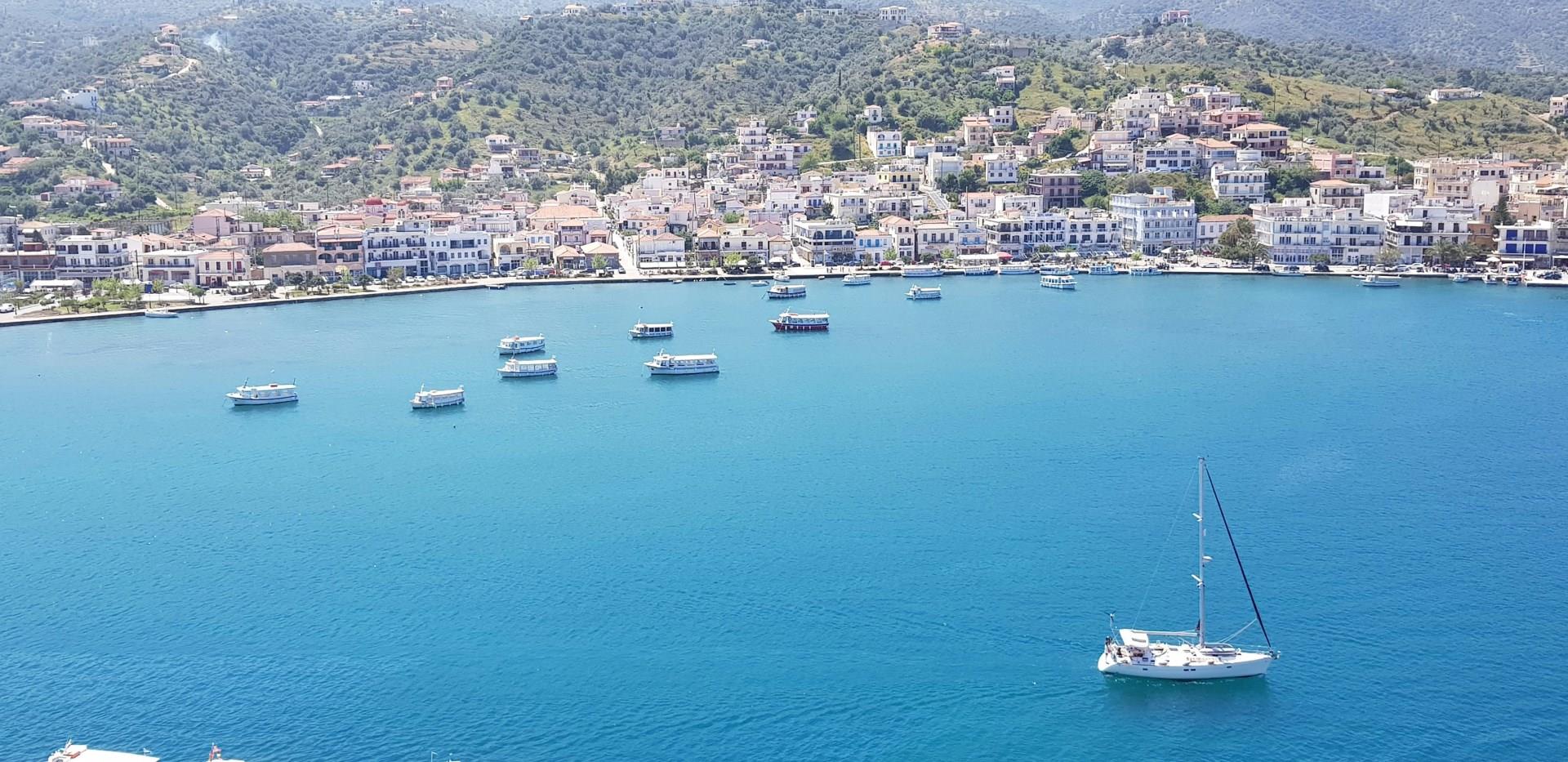
Poros, a small island in the Saronic Gulf of Greece, is known for its pine-covered hills, neoclassical architecture, and laid-back charm. Just an hour by ferry from Athens, it feels worlds away from the bustle of the capital, offering a slower pace and picturesque scenery.
Nestled in the northeastern corner of France, Alsace is a region that enchants with its picturesque villages, half-timbered houses, and vibrant blend of French and German cultures. Renowned for its scenic vineyards, Alsace's Route des Vins (Wine Route) stretches over 170 kilometers, winding through charming medieval towns like Riquewihr, Colmar, and Eguisheim.
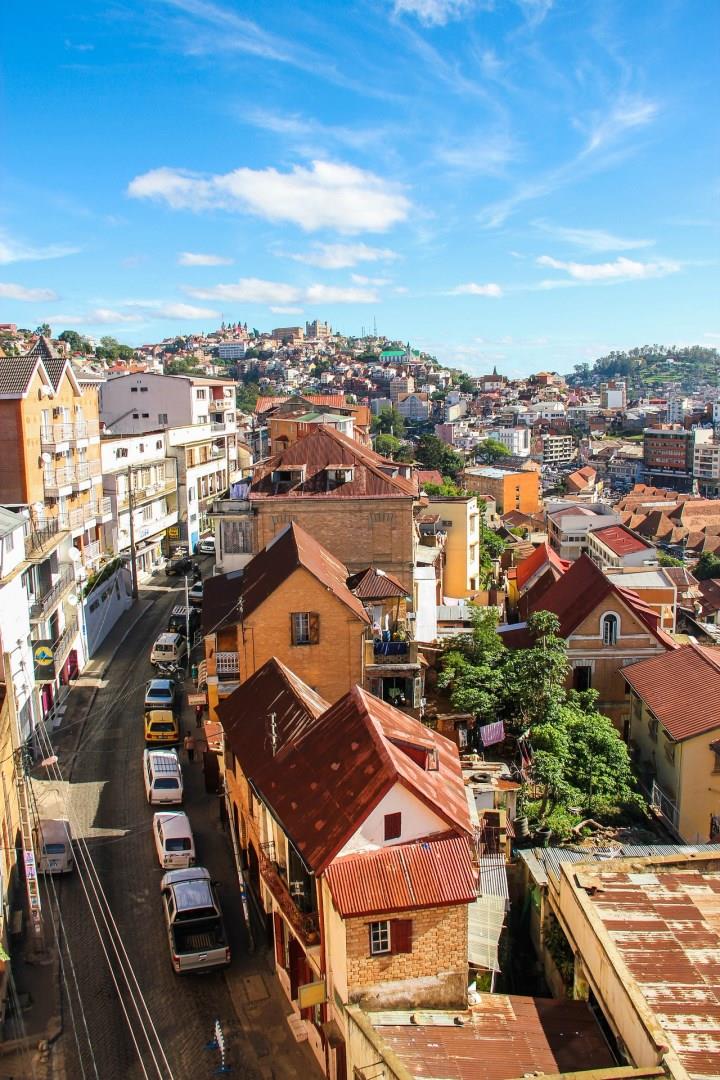
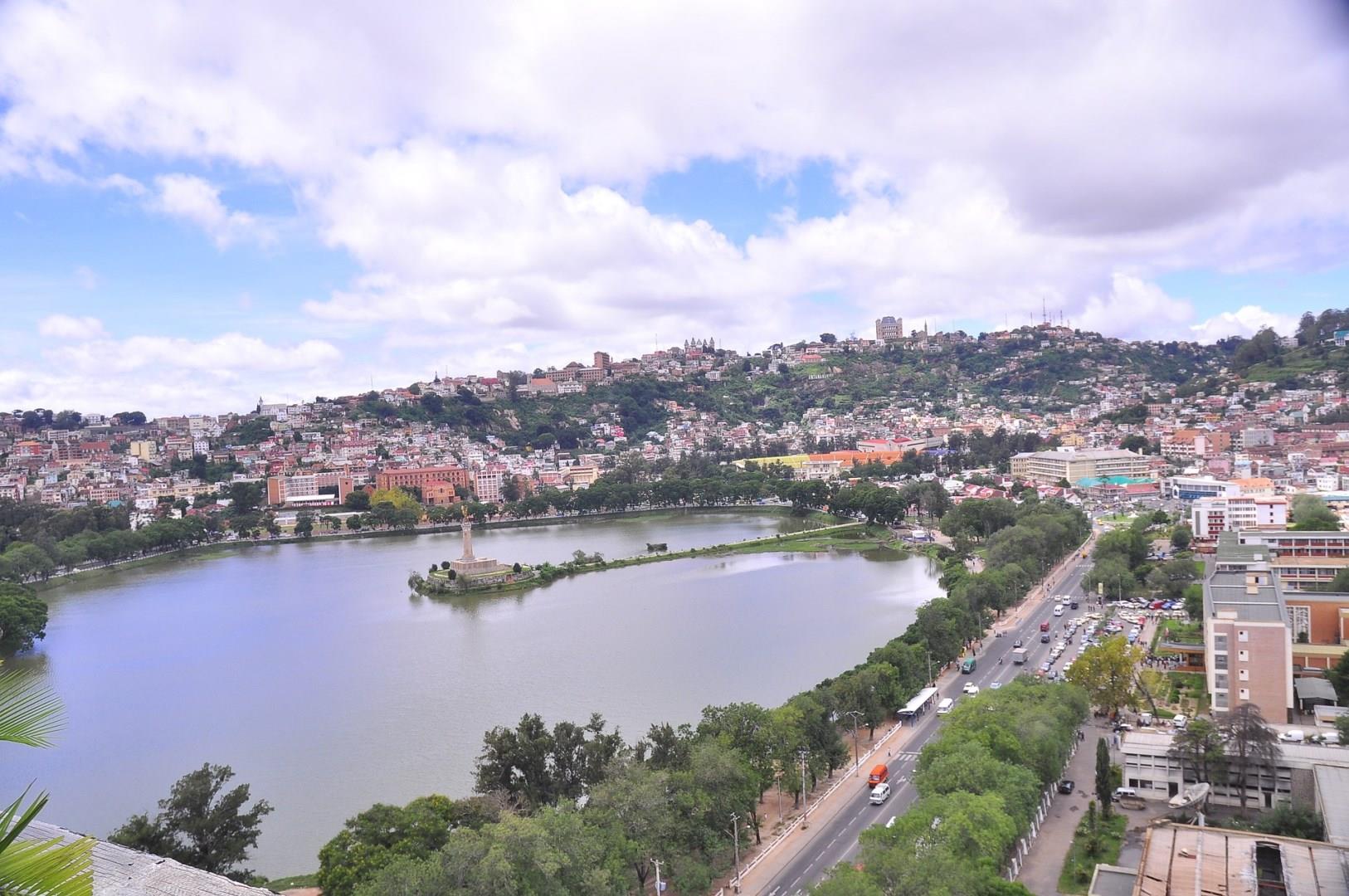
Antananarivo, Madagascar’s vibrant capital, offers a unique blend of cultural richness and historical depth. Perched on a series of hills, the city’s layout is characterized by its steep streets and traditional architecture. The Royal Palace, or Rova of Antananarivo, is a central landmark, offering a glimpse into Madagascar's royal past. Although much of the palace was destroyed by fire in 1995, the site remains a significant cultural and historical monument.
Antananarivo’s markets are bustling with life and offer a feast for the senses. The Analakely Market is a kaleidoscope of colors and sounds where you can sample local street food, buy handcrafted goods, and experience the daily hustle of Malagasy life. For a taste of the city’s colonial past, a stroll through the Avenue of Independence reveals charming buildings and vibrant local cafes
Cultural enthusiasts will enjoy exploring the city’s museums, such as the Musée d'Art et d'Archéologie, which houses a collection of artifacts from Madagascar’s past, including ancient tools and sculptures. The Andafiavaratra Palace, now a museum, was once the residence of Prime Minister Rainilaiarivony and offers insights into the political history of Madagascar.
Fun fact: Antananarivo is named after a 17th-century Merina king, Andrianjaka, who established the city as the center of his kingdom. The name "Antananarivo" translates to "City of a Thousand" or "City of the Thousand," referring to the number of soldiers he maintained in his capital.
Other Popular Destinations in Madagascar
Isalo National Park
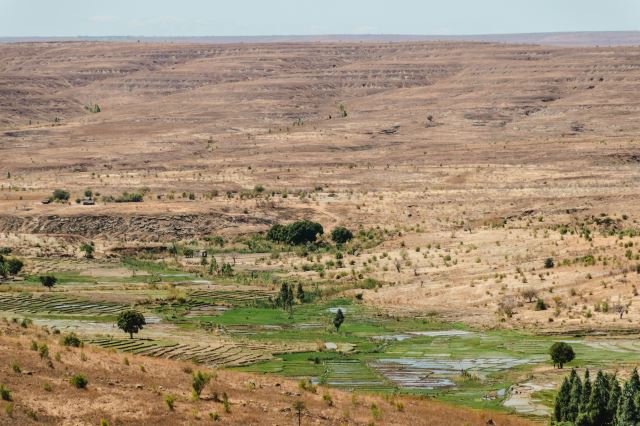
Isalo National Park lies in southern Madagascar near the town of Ranohira, protecting about 81,540 hectares of sandstone massifs, deep canyons, grasslands, forests, and rocky plateaus. Its landscape has been shaped by erosion into unusual cliffs, ridges, gorges, and isolated rock formations. The park's semi-arid climate creates strong contrasts between dry open slopes and greener canyon floors, where streams support pockets of vegetation.
Ifaty
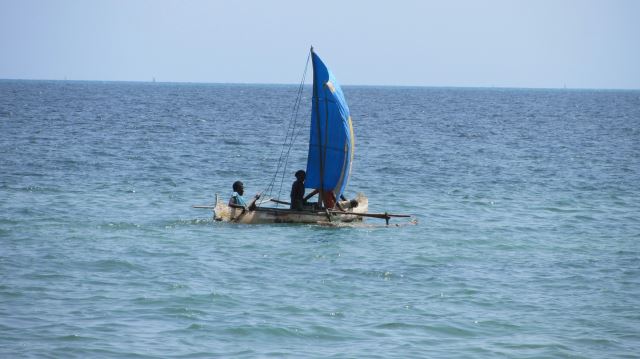
Ifaty is a coastal destination in southwestern Madagascar, located north of Toliara along the Mozambique Channel. The area is known for sandy beaches, shallow turquoise waters, dry forests, and a landscape shaped by the region’s hot, semi-arid climate