Alberobello
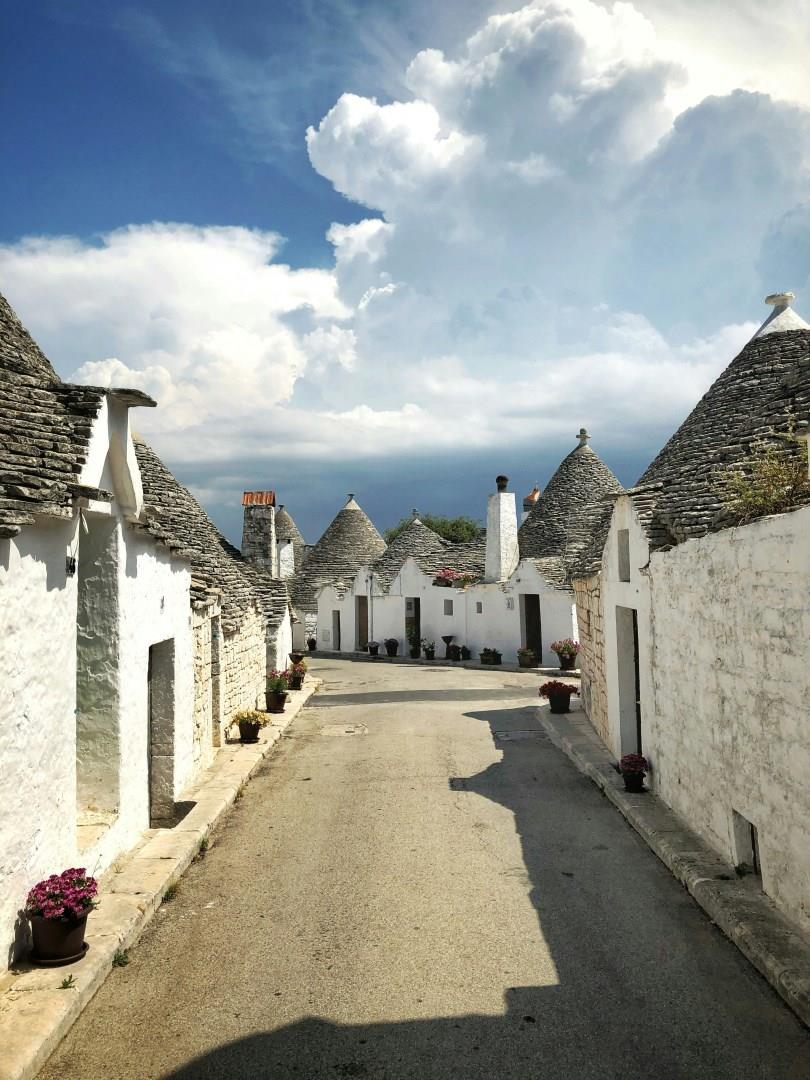
Alberobello in southern Italy’s Puglia region captures the imagination with its distinctive trulli houses. These structures were built using a dry-stone technique passed down over centuries, without mortar or cement, and their unique form comes from layer upon layer of limestone nestled from nearby fields. Alberobello’s trulli are so remarkable that in 1996 the historic center was inscribed as a UNESCO World Heritage Site, where more than 1,600 of these buildings still stand.

Bora Bora
Bora Bora, often referred to as the "Jewel of the South Seas," is the epitome of tropical luxury. Nestled in the Society Islands of French Polynesia, this idyllic island is famed for its stunning turquoise lagoon, ringed by a barrier reef and dotted with overwater bungalows.

Edinburgh
In Edinburgh, an ancient fortress looms, the hills are steep, and travelers delight in the hidden charms of the Old Town and New Town. Hike to find spectacular views on Arthur's Seat, shop the downhill streets of the Royal Mile, and visit Edinburgh Castle, an imposing royal fortress that defines this city's skyline.

Goa
Goa, the sun-soaked paradise on India's western coast, is a destination where history, culture, and natural beauty converge in a spectacular way. Known for its golden beaches and vibrant nightlife, Goa is also rich in heritage, reflecting its unique blend of Indian and Portuguese influences. The old quarters of Panaji and Margao are dotted with charming colonial-era buildings, quaint churches, and lively markets that beckon travelers to explore the region’s storied past.

Geiranger
Nestled in the heart of Norway's spectacular fjord region, Geiranger is a village where nature takes center stage. Set against the breathtaking Geirangerfjord, this charming destination captivates visitors with its towering cliffs, shimmering emerald waters, and dramatic waterfalls. Whether exploring by boat along the fjord’s serene waters or hiking to viewpoints like Dalsnibba, visitors are treated to unforgettable panoramic vistas that showcase the area’s raw beauty from every angle.