Děčín
Děčín, a picturesque city in the Czech Republic, is nestled on the banks of the Elbe River and surrounded by lush landscapes and dramatic rock formations. This charming destination is renowned for its rich history and stunning natural beauty. The centerpiece of Děčín’s architectural heritage is the Děčín Castle, which towers above the city and offers breathtaking views of the Elbe Valley.
Durango
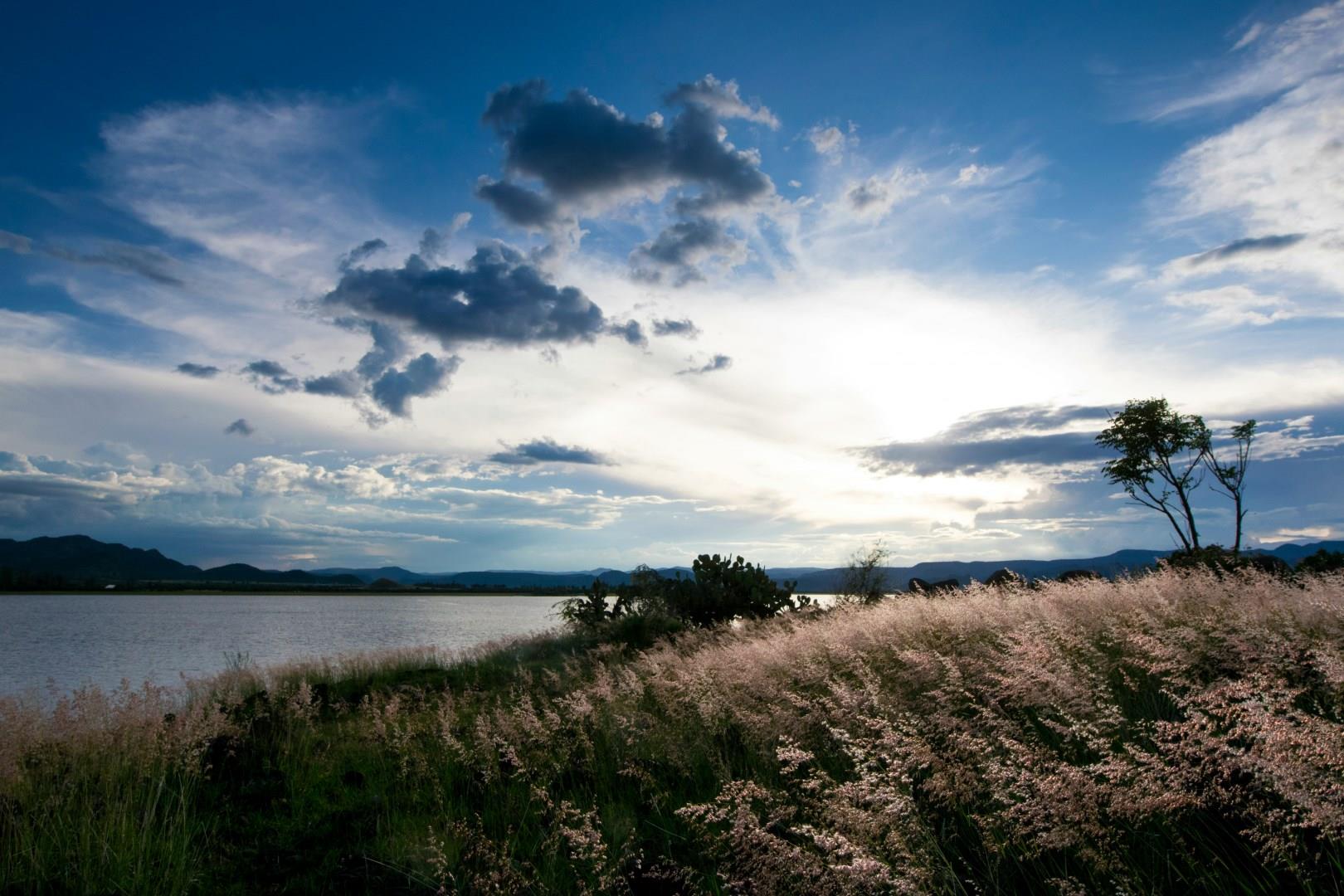
Durango, located in north-central Mexico, is a destination rich in history, dramatic landscapes, and cultural traditions that date back centuries. Once a key outpost during Spanish colonization, Durango played an important role in the development of northern Mexico. The city of Victoria de Durango, the state capital, features cobblestone streets and more than 1,000 officially registered historical structures.

Vidin
Nestled on the banks of the Danube River, Vidin, Bulgaria, is a city where history and scenic beauty converge. This ancient city, known for its well-preserved medieval fortress, the Baba Vida Castle, offers a unique glimpse into Bulgaria's past. The fortress, dating back to the 10th century, stands as one of the best-preserved medieval fortifications in the country.

Saguenay
Nestled in the heart of Quebec, Saguenay is a city that invites travelers to experience the perfect blend of natural beauty and vibrant culture. Set along the picturesque Saguenay River, this city is a gateway to the Saguenay Fjord, one of the longest fjords in the world, where steep cliffs rise dramatically from the deep waters.

Queenstown
This beautiful resort town has a little something for everyone! Whether you are into skiing and snowboarding, jet boating, whitewater rafting, bungy jumping, or mountain biking there is no end to the year around adventure sports you can take advantage of. If you love wine, Queenstown lies close to the center of a small wine producing region, including The Two Paddocks vineyard which is owned by actor Sam Neill.