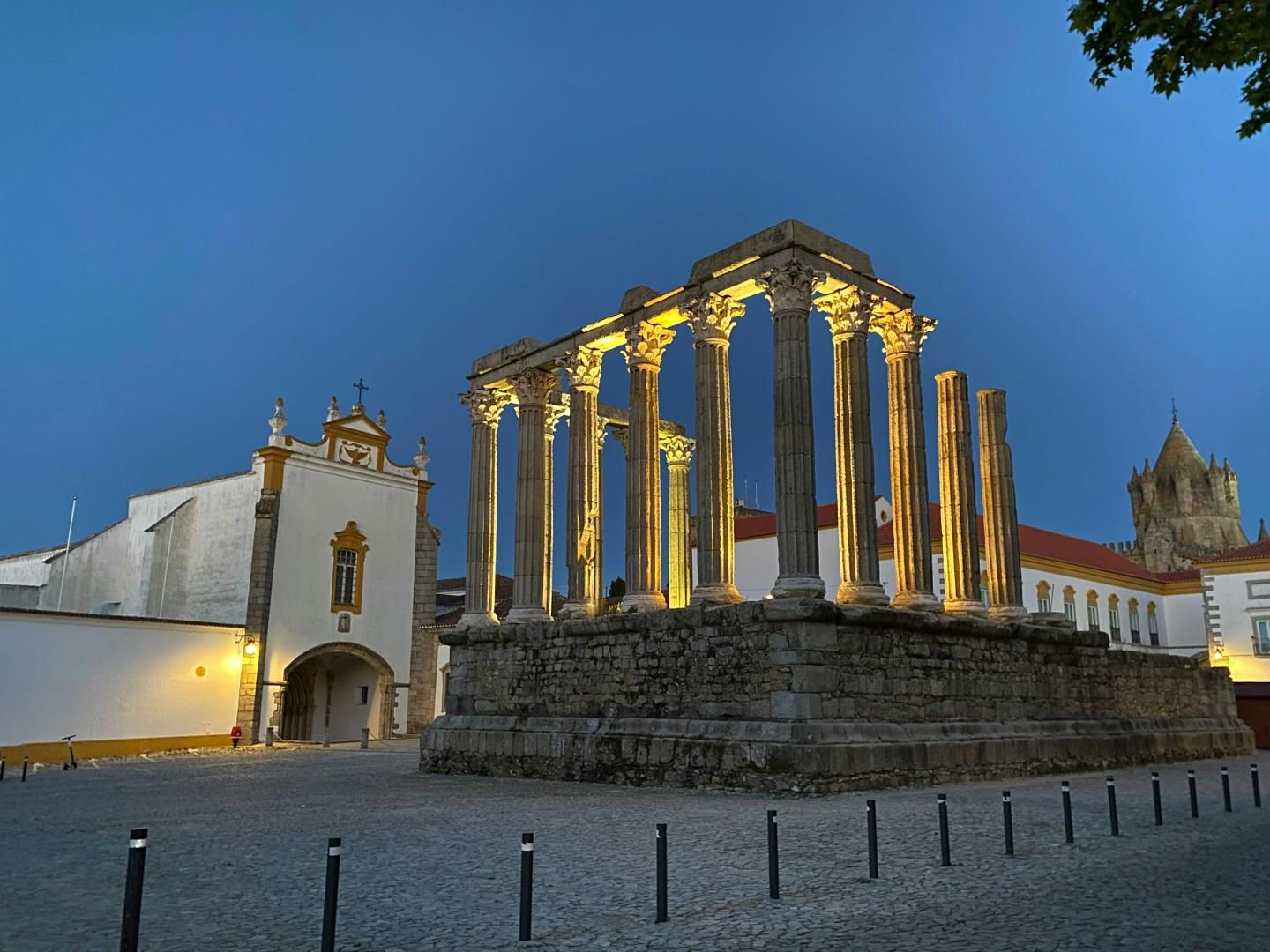
Evora
Évora, in Portugal’s Alentejo region, feels like stepping into a story that spans more than two thousand years. Its Historic Centre was named a UNESCO World Heritage Site for good reason with its ancient walls, homes with wrought-iron balconies, and narrow streets quietly preserve traces of Roman, Moorish, and medieval life. Beyond architecture and monuments, Évora reveals lesser-known treasures that reward exploration.
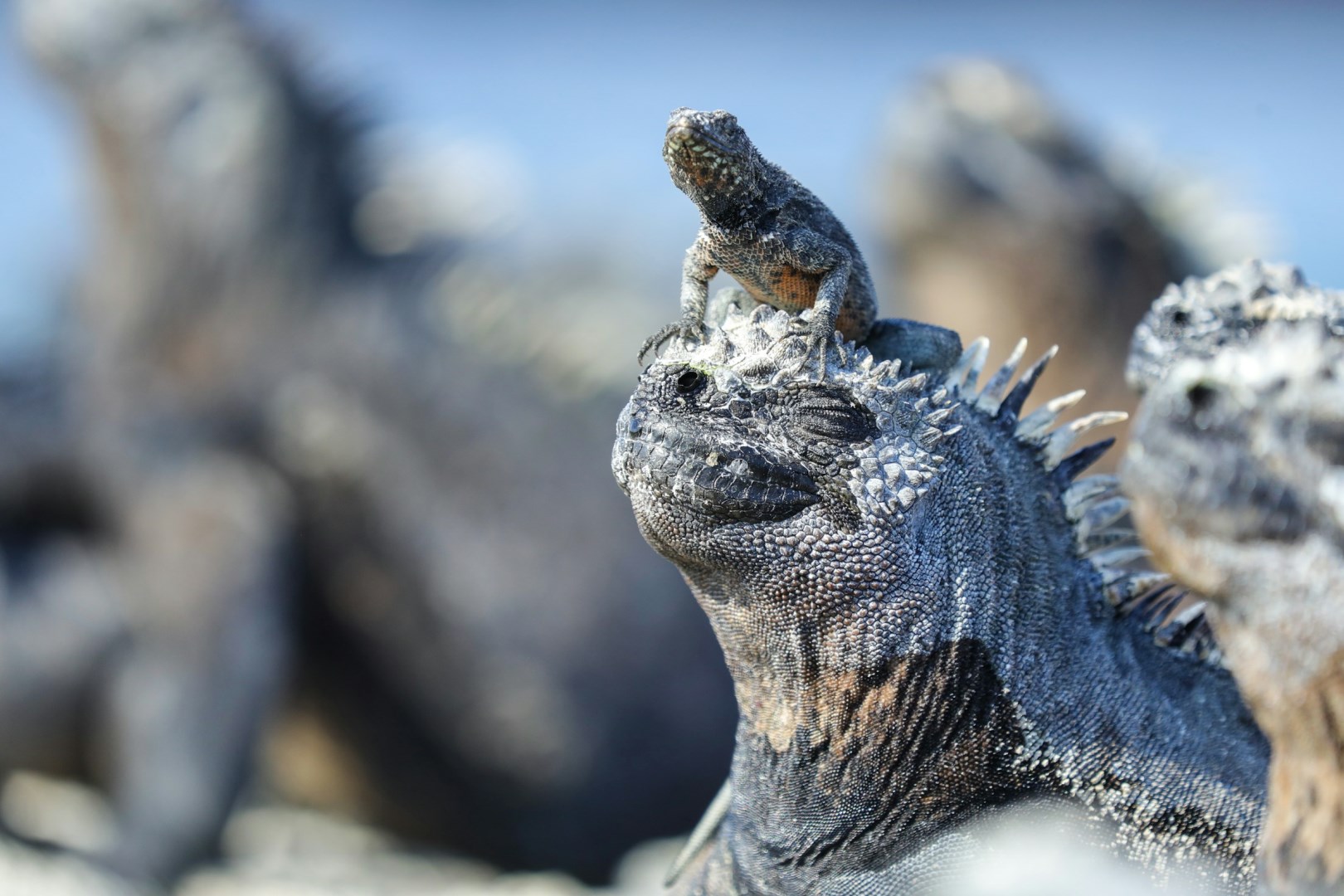
Santa Fé Island
Santa Fe Island, formerly known as Barrington Island, is one of the smaller of the Galapagos islands. Although relatively small and unpopulated, the island is a great day-trip option for visitors to the area.

Cartagena
Cartagena is a port city on Spain’s southeastern Mediterranean coast, in the Region of Murcia, where a sheltered harbor is surrounded by hills and historic neighborhoods. Its strategic position has made it an important maritime center for successive civilizations, leaving an unusually rich archaeological and architectural landscape. The modern city combines a busy waterfront with a compact historic center, where Roman remains stand alongside military buildings and modernist architecture.
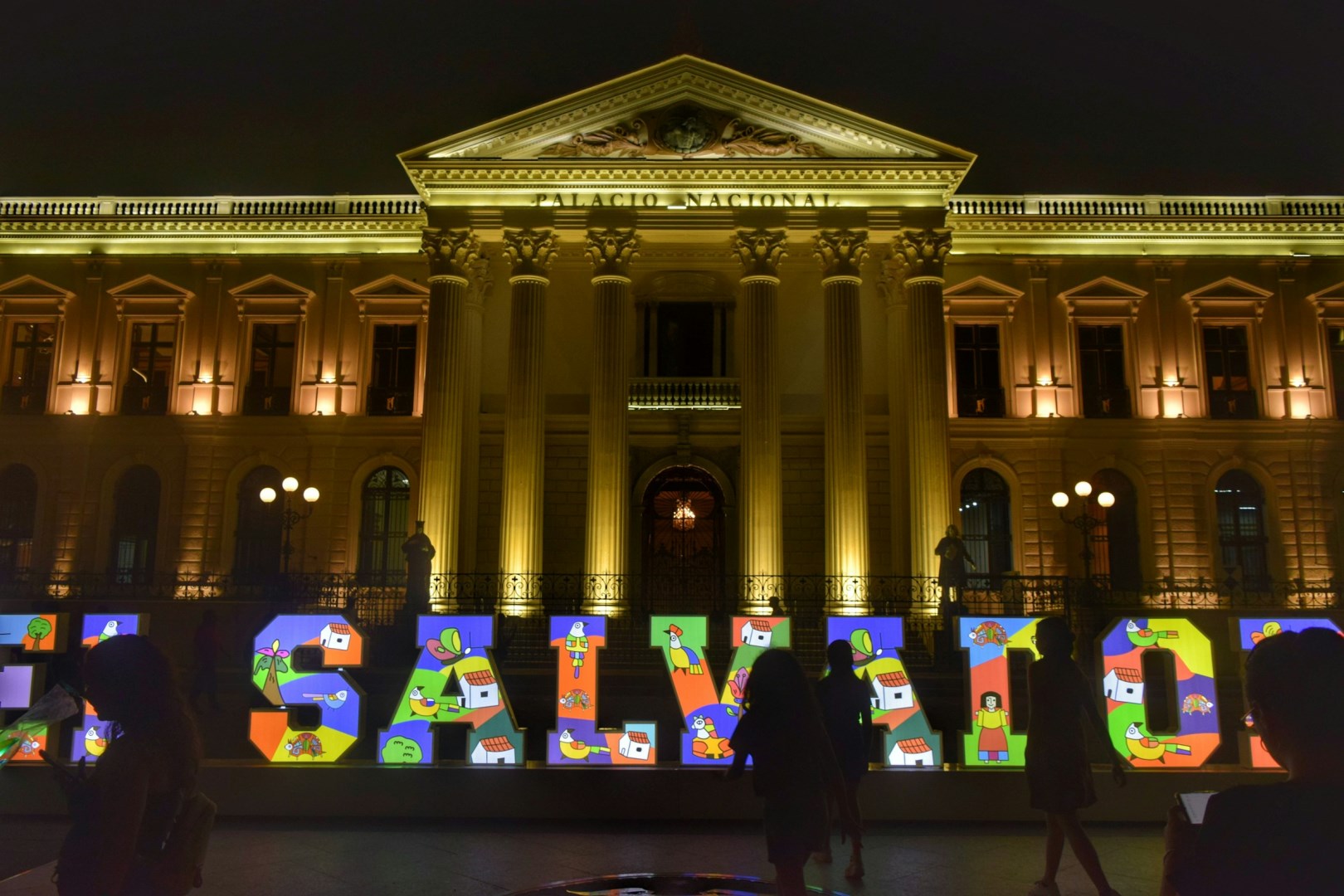
San Salvador
El Salvador's capital and largest city lies in a valley at the foot of the large San Salvador volcano. Shanty towns abound and the streets are lined with people selling everything.

Blackpool
Blackpool, located on England’s northwest coast, has long been a beloved seaside destination, famed for its vibrant entertainment and historic attractions. The city’s iconic Blackpool Tower, standing at 518 feet, offers panoramic views of the Irish Sea and the surrounding landscape from its SkyWalk glass viewing platform. Built in 1894, the tower houses the famous Blackpool Tower Ballroom, where visitors can step back in time and waltz under its glittering chandeliers.