Malta
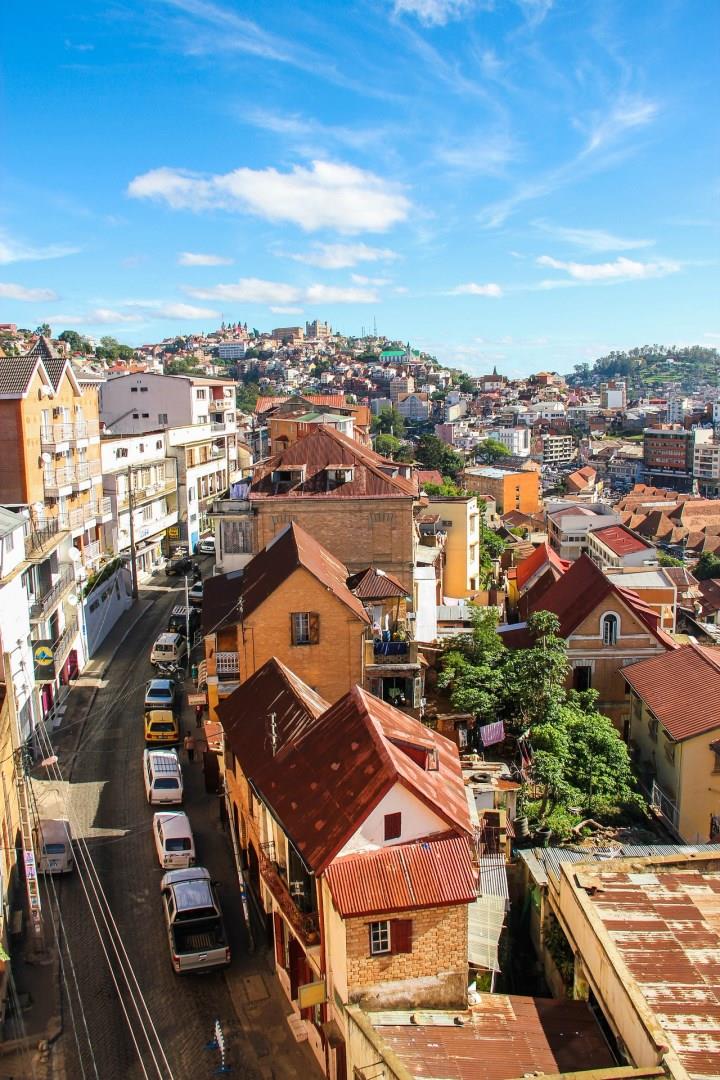
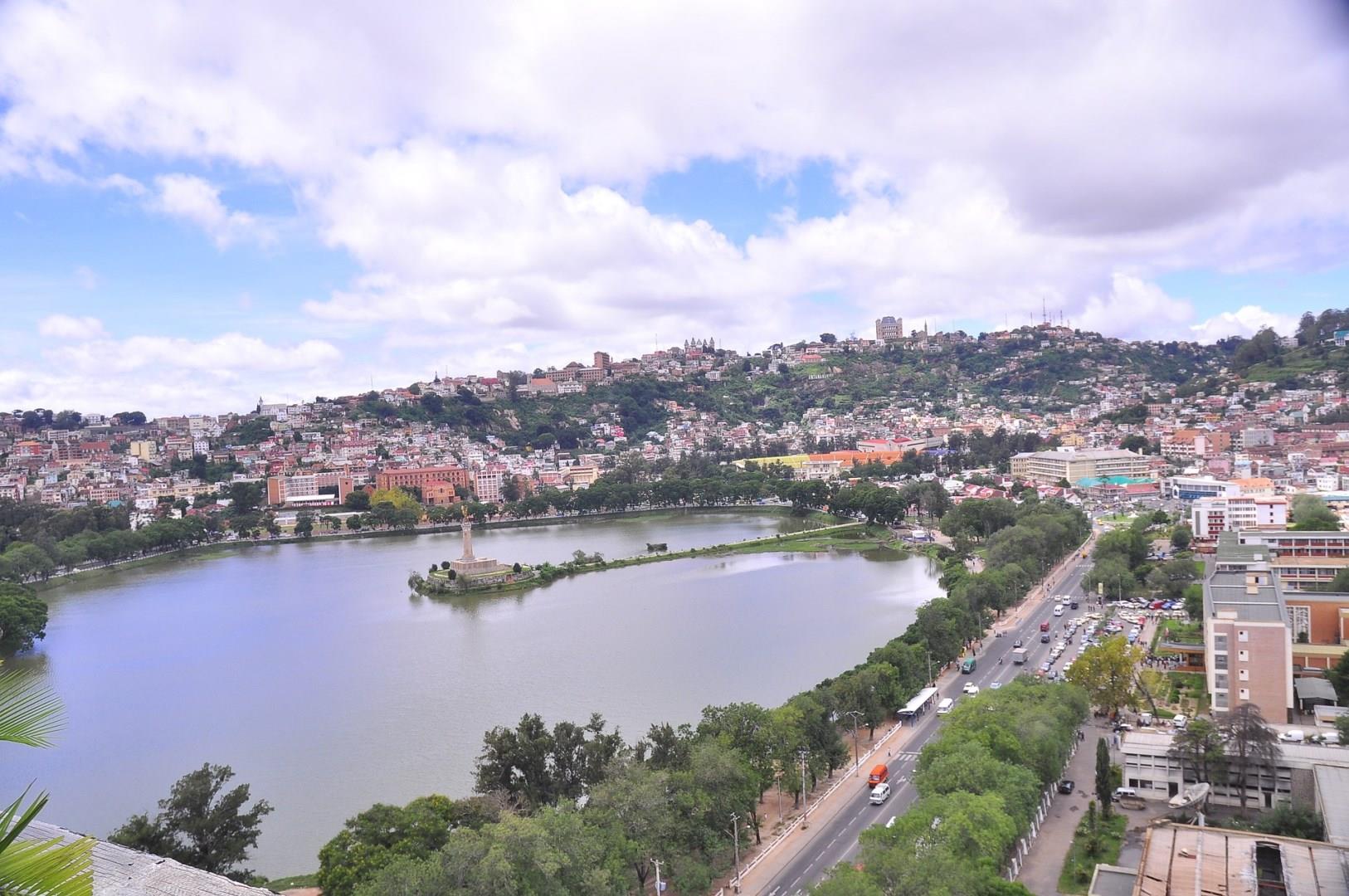
Malta, a small island nation in the heart of the Mediterranean, offers visitors a rich blend of history and vibrant local culture. Its capital, Valletta, is a UNESCO World Heritage site filled with grand Baroque architecture, narrow streets, and significant historical landmarks like St. John’s Co-Cathedral, home to masterpieces by Caravaggio. The city's fortifications tell stories of centuries of military importance, guarding one of Europe’s busiest harbors.
Toledo
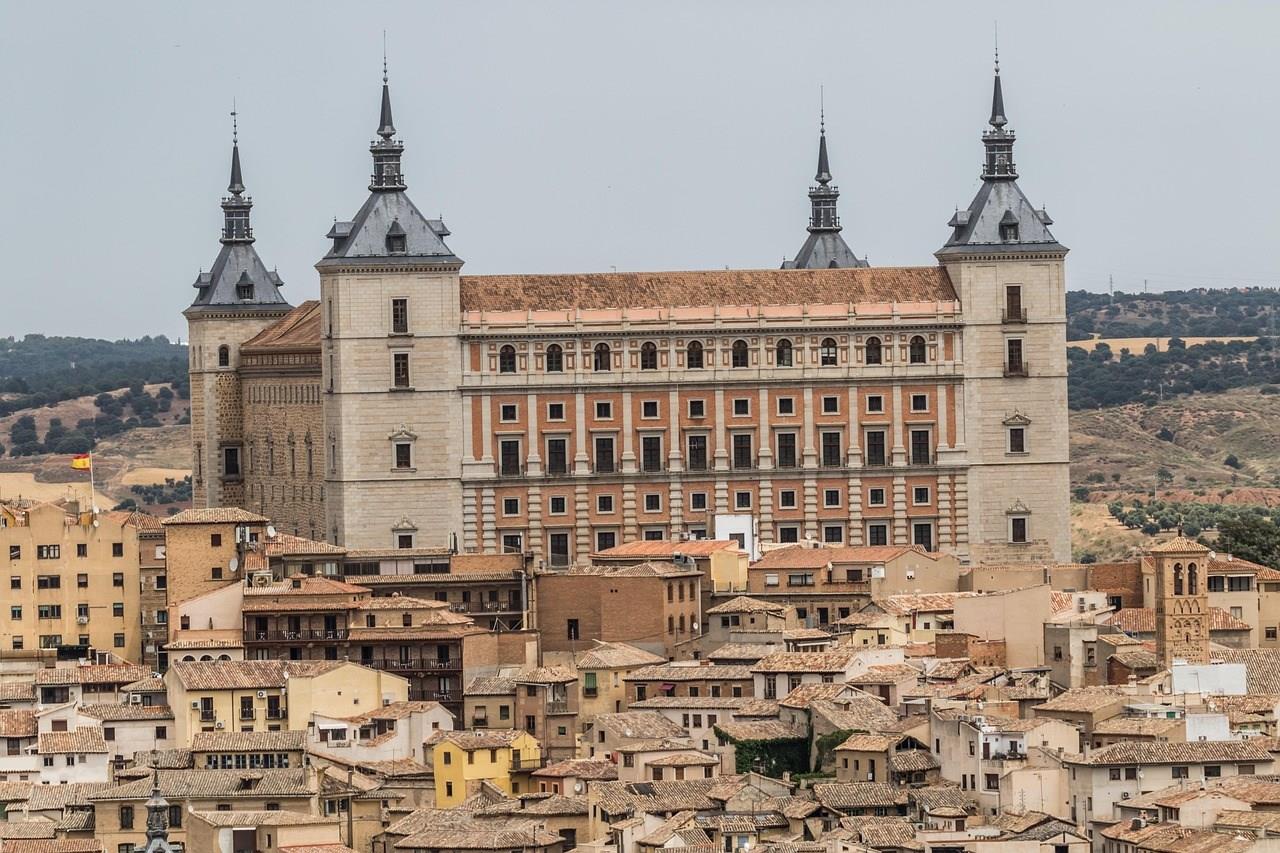
Toledo, high above the Tagus River in central Spain, is a city where layers of history are visible around every corner. For centuries it was an important Roman settlement, a Visigothic capital, and later a stronghold during the medieval Christian reconquest, before becoming the seat of royal power and a crossroads of cultures. Because of this long span of stories and architectural richness, the whole old town has been recognized as a UNESCO World Heritage Site.

Torres Del Paine
This is a wild and beautiful area unlike anywhere else in the world. Torres del Paine lies between the central spine of the Andes, nearly buried under a massive ice cap and the steppes of Southern Patagonia.

Central America
From the Caribbean Sea on one side to the Pacific Ocean on the other, Central America is home to lush rainforests, volcanic peaks, and vibrant coastal towns.
Vienna
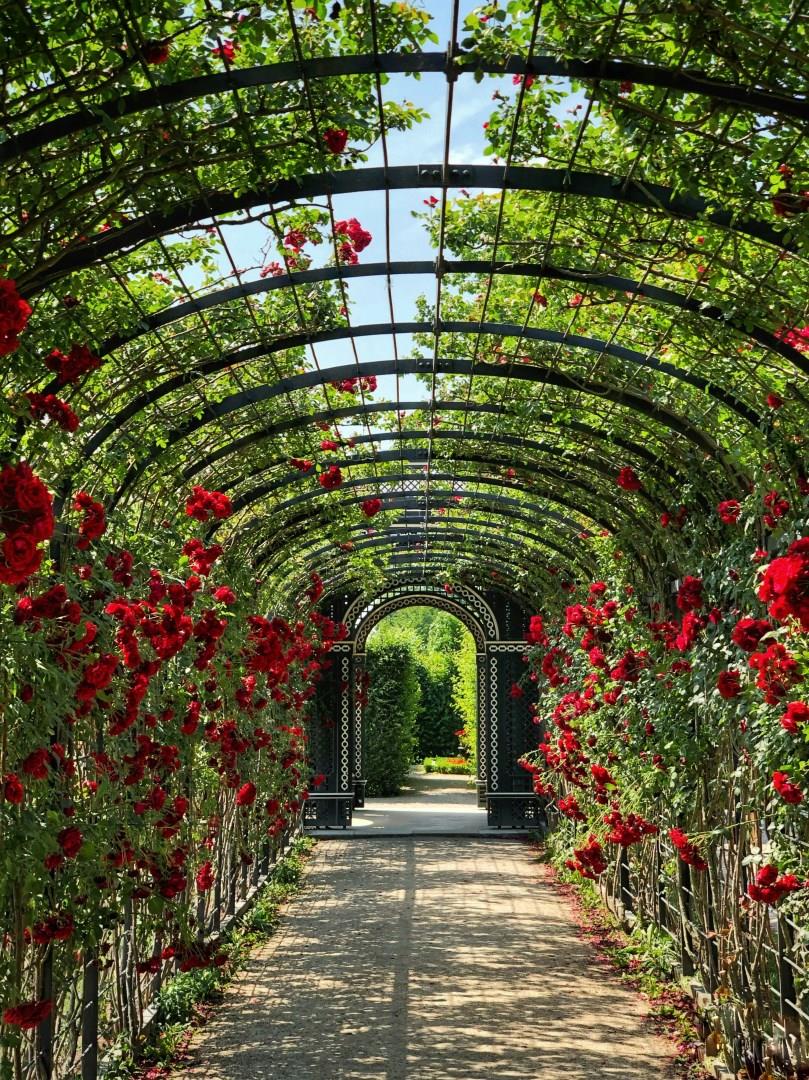
Vienna has a long memory. Once the capital of the Habsburg Empire, the city still carries signs of its imperial past in its palaces, concert halls, and wide boulevards. Visitors can walk through the Hofburg complex, where emperors once ruled, or tour the opulent rooms of Schönbrunn Palace, which features 1,441 rooms and a maze in its gardens. But Vienna’s many historic buildings now house contemporary art museums, cafés, and institutions that reflect the city’s modern identity.