Polonnaruwa, located in Sri Lanka’s North Central Province, served as the island’s capital nearly a thousand years ago. Today, it offers one of the most extensive and well-preserved archaeological sites in South Asia. Visitors can walk among the ruins of royal palaces, Buddhist monasteries, and intricately carved stone temples. One of the highlights of Polonnaruwa is the Gal Vihara, a group of colossal Buddha statues carved directly into granite.
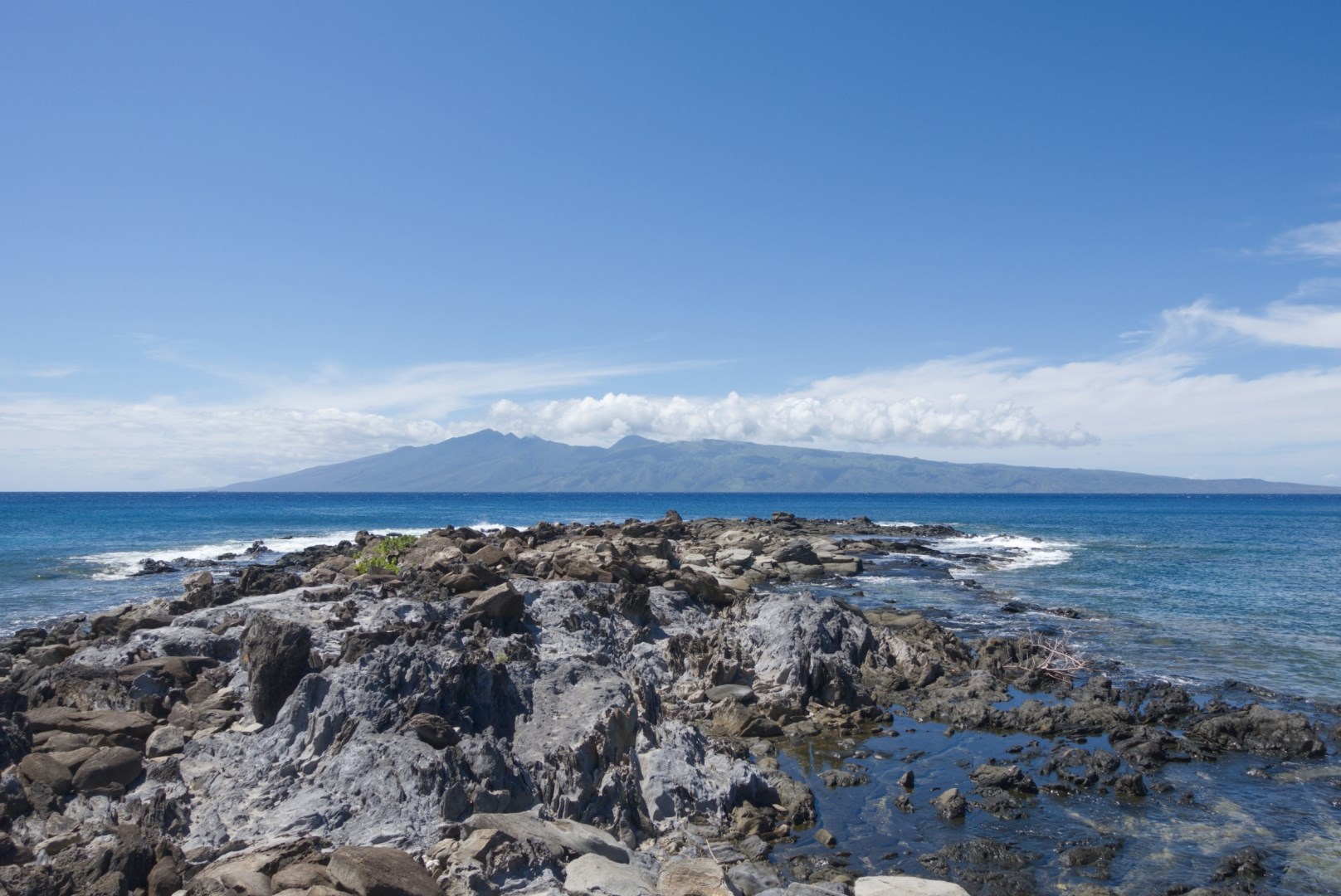
Pohnpei is the largest island in the Federated States of Micronesia and the administrative center of Pohnpei State. It lies in the western Pacific and is known for its mountainous interior, dense tropical vegetation, and high rainfall. The island is surrounded by a barrier reef and numerous small islets, creating a landscape of forested slopes, mangroves, rivers, and coastal waters.
Verona is situated at a bend of the Adige River in northern Italy. It is hard to imagine that antique arts, monuments that date back to Roman times, and the shadows of the world's most famous tragic lovers can add up to a smiling, buzzing city. Yet they do, thanks perhaps to Verona's talent for melding her past and her present, her ancient and new so gracefully that everything blends in easy harmony.
Thimphu, the capital of Bhutan, is a city where tradition and modern life meet in unexpected ways. Streets are lined with traditional Bhutanese architecture, colorful prayer flags, and shops selling handicrafts, while government offices and modern facilities operate alongside centuries-old temples.
Kent is a county in southeastern England, stretching from the edge of Greater London to the English Channel and the Strait of Dover. Its landscape ranges from the chalk cliffs of the coast and the wooded High Weald to orchards, hop gardens, farmland, and river valleys. Canterbury, Dover, Maidstone, and Royal Tunbridge Wells are among its principal towns, while smaller settlements such as Rye Harbour and Broadstairs contribute distinct coastal and rural character.
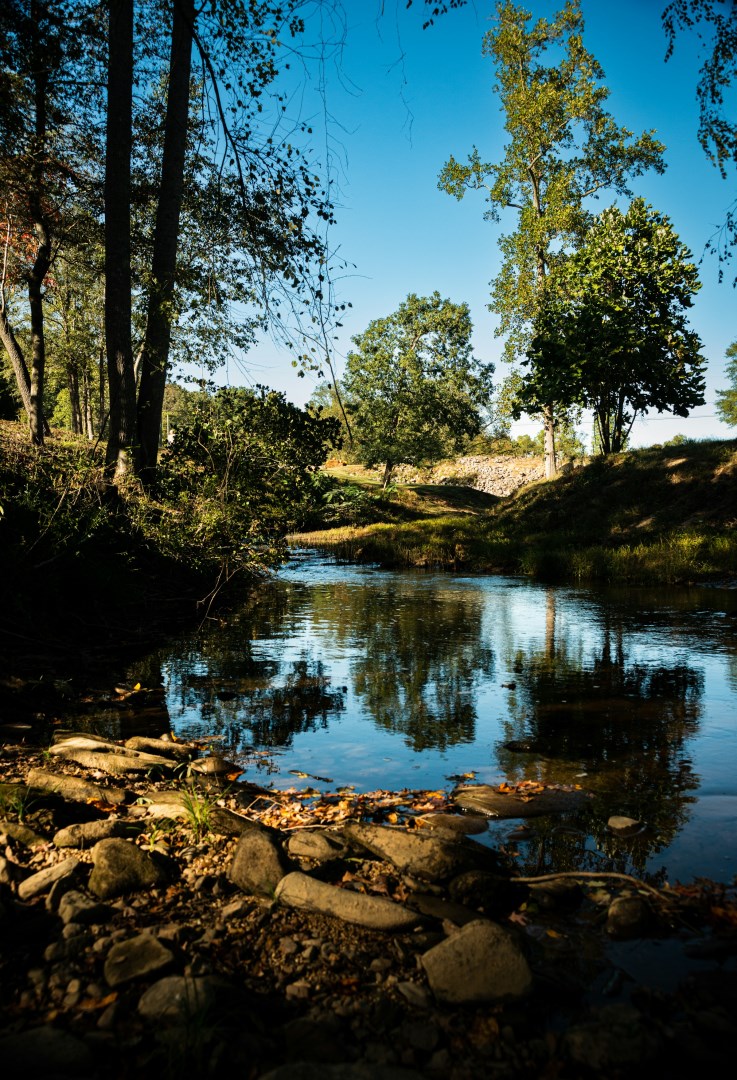
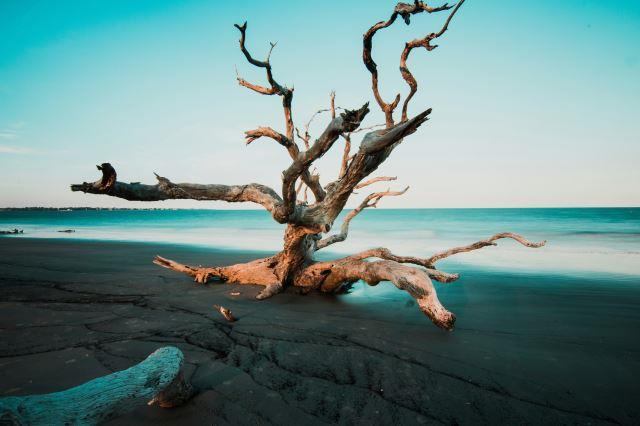
Photo Credit: Photo by ManuelTheLensman on Unsplash
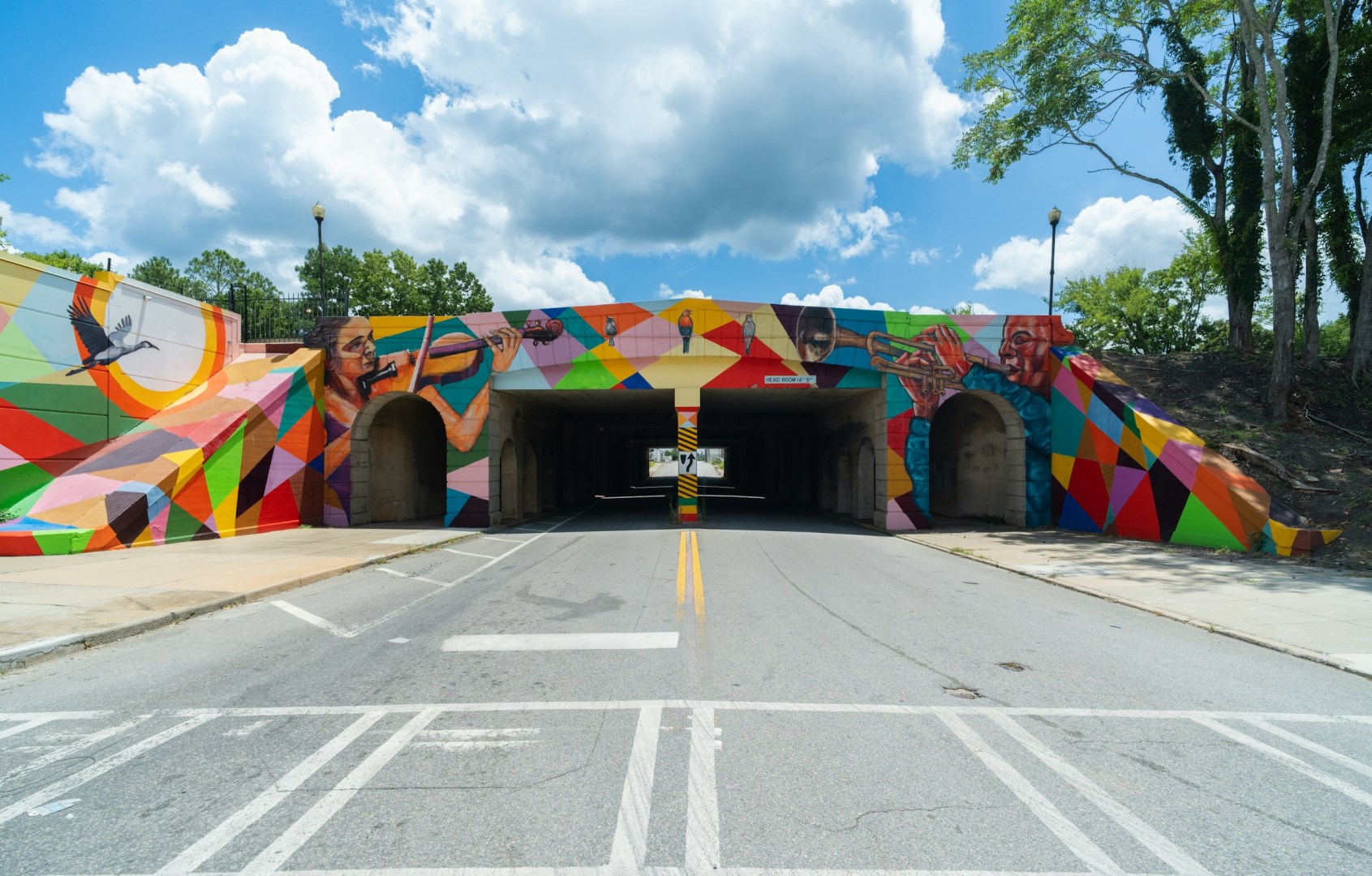
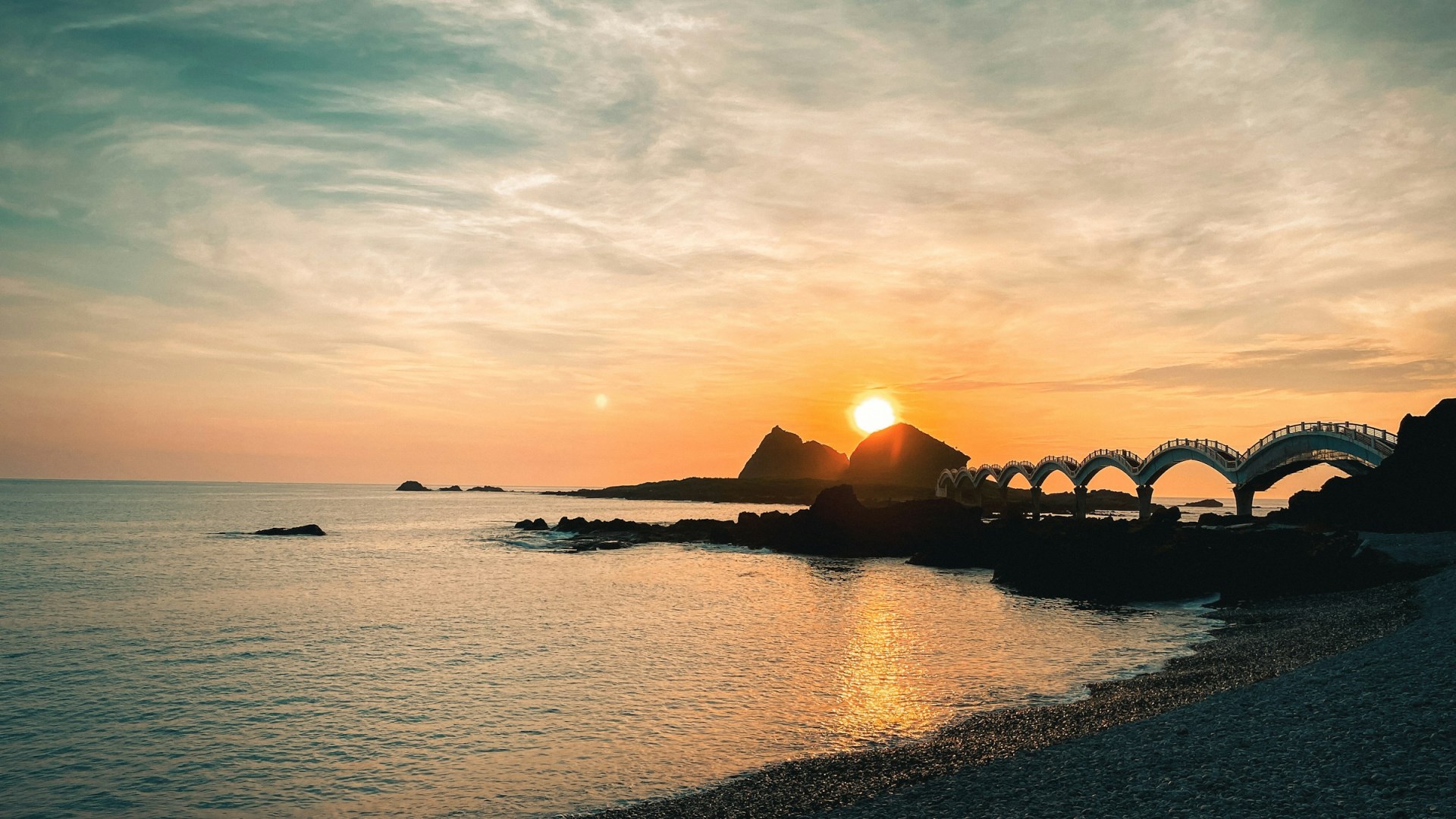
Photo Credit: Photo by Maria Oswalt on Unsplash
Macon, Georgia, known as the “Heart of Georgia,” offers a blend of historic charm and Southern hospitality. Begin your exploration at the Ocmulgee Mounds National Historical Park, where ancient Native American earthworks provide a glimpse into the rich cultural heritage of the region. The park’s expansive grounds and museum showcase artifacts from the Mississippian period, offering a fascinating look at the early inhabitants of the area.
In downtown Macon, the Cherry Blossom Festival transforms the city each spring into a pink paradise. Held annually in March, this festival celebrates the blooming of thousands of cherry trees and features parades, live music, and cultural events. The city's unique history is further highlighted at the Georgia Sports Hall of Fame, where exhibits celebrate the achievements of Georgia's sports legends, from college football stars to Olympic champions.
Macon’s vibrant arts scene is evident at the Macon Museum of Arts and Sciences, which boasts an eclectic collection of art, natural history exhibits, and a planetarium. Nearby, the historic Hay House offers a peek into 19th-century Southern elegance with its stunning architecture and beautifully preserved interiors.
Fun fact: Macon is also home to the Allman Brothers Band Museum at the Big House, dedicated to the legendary rock band and their early days. This museum provides an in-depth look at the band's history and their influence on the Southern rock genre. With its rich cultural tapestry, Macon offers a diverse and engaging experience for all visitors.
Other Popular Destinations in Georgia
Savannah
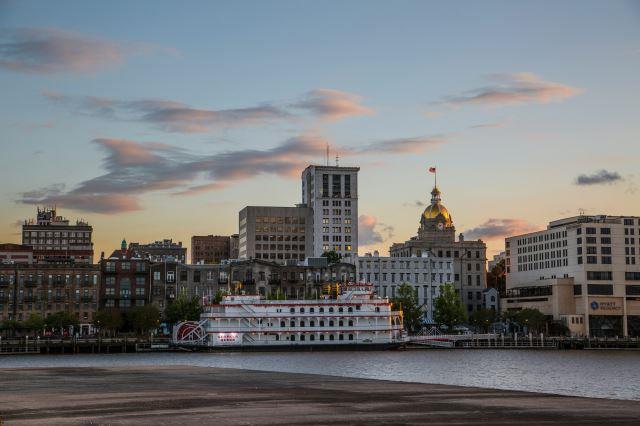
Savannah, Georgia, is a city that moves at its own pace, shaded by moss-draped oaks and shaped by centuries of stories. Founded in 1733, it was Georgia’s first city and still wears its history proudly. Visitors walking through the Historic District will find cobblestone streets, hidden gardens, and 22 public squares, each with its own character.
Jekyll Island
Jekyll Island, one of Georgia’s Golden Isles, is a barrier island with a story that stretches from ancient Indigenous cultures to Gilded Age millionaires. Today, it’s a state park carefully preserved for public enjoyment, offering a quiet blend of coastal landscapes, historic landmarks, and outdoor activities. With only a limited number of commercial developments allowed, the island maintains a peaceful, uncrowded atmosphere that’s hard to find on most Southeastern beaches.