Baja California Sur
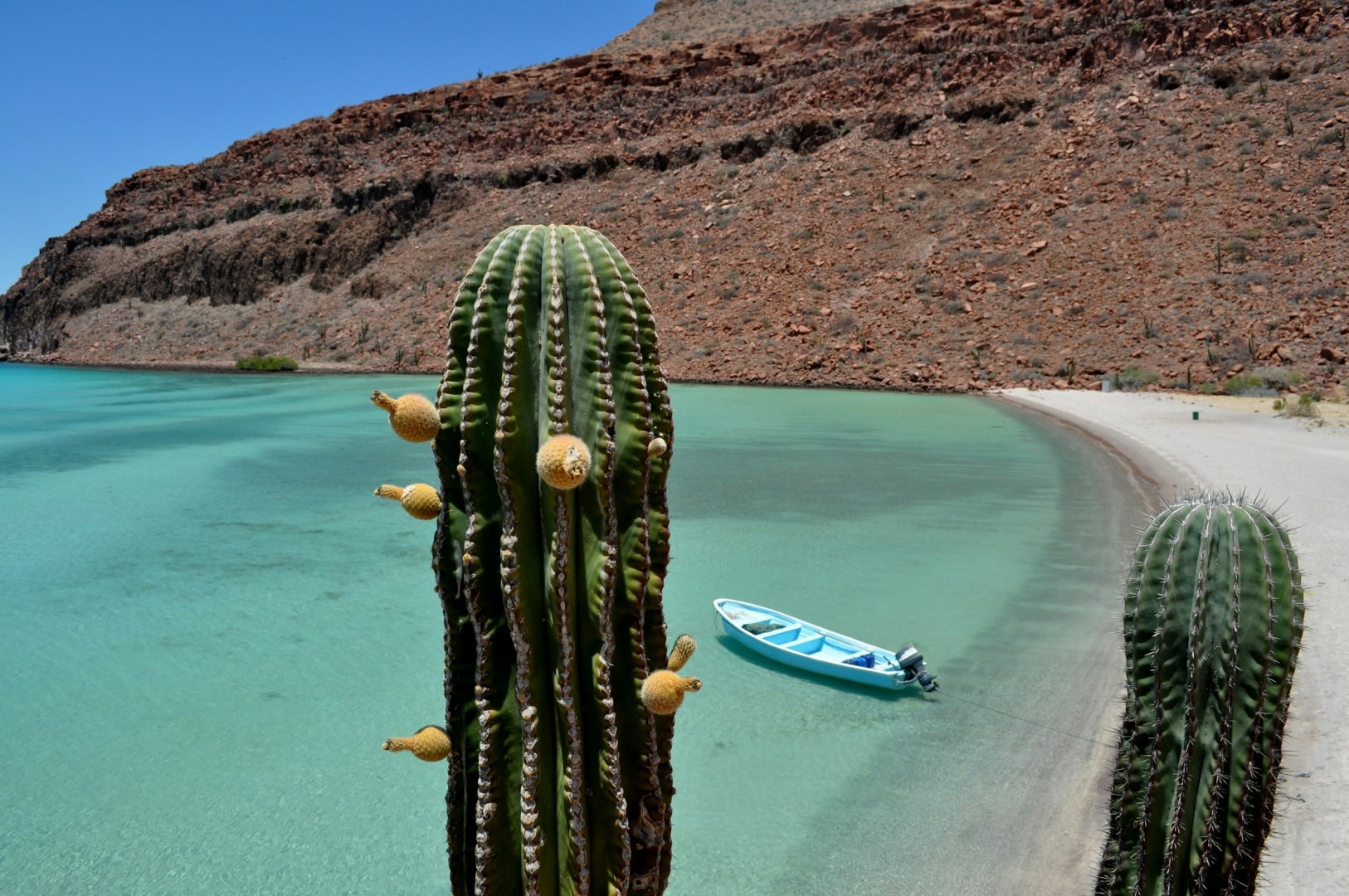
Baja California Sur is state located in Northwestern Mexico, on the Baja California peninsula. The capital is La Paz. The area is lightly populated. Tourism is the economic mainstay of this region, centered around the beach resort area, Los Cabos. Sport fishing is a major attraction, as well as having some of the best beaches Baja has to offer.

Netherlands
The Netherlands offers travelers a landscape where innovation and tradition intersect. In cities like Amsterdam, visitors can explore centuries-old canal networks and Golden Age architecture while also encountering contemporary art installations and sustainable urban design. The Rijksmuseum houses masterpieces by Rembrandt and Vermeer, while a short walk away, the Van Gogh Museum brings visitors closer to one of history’s most studied painters.
Garden Route National Park
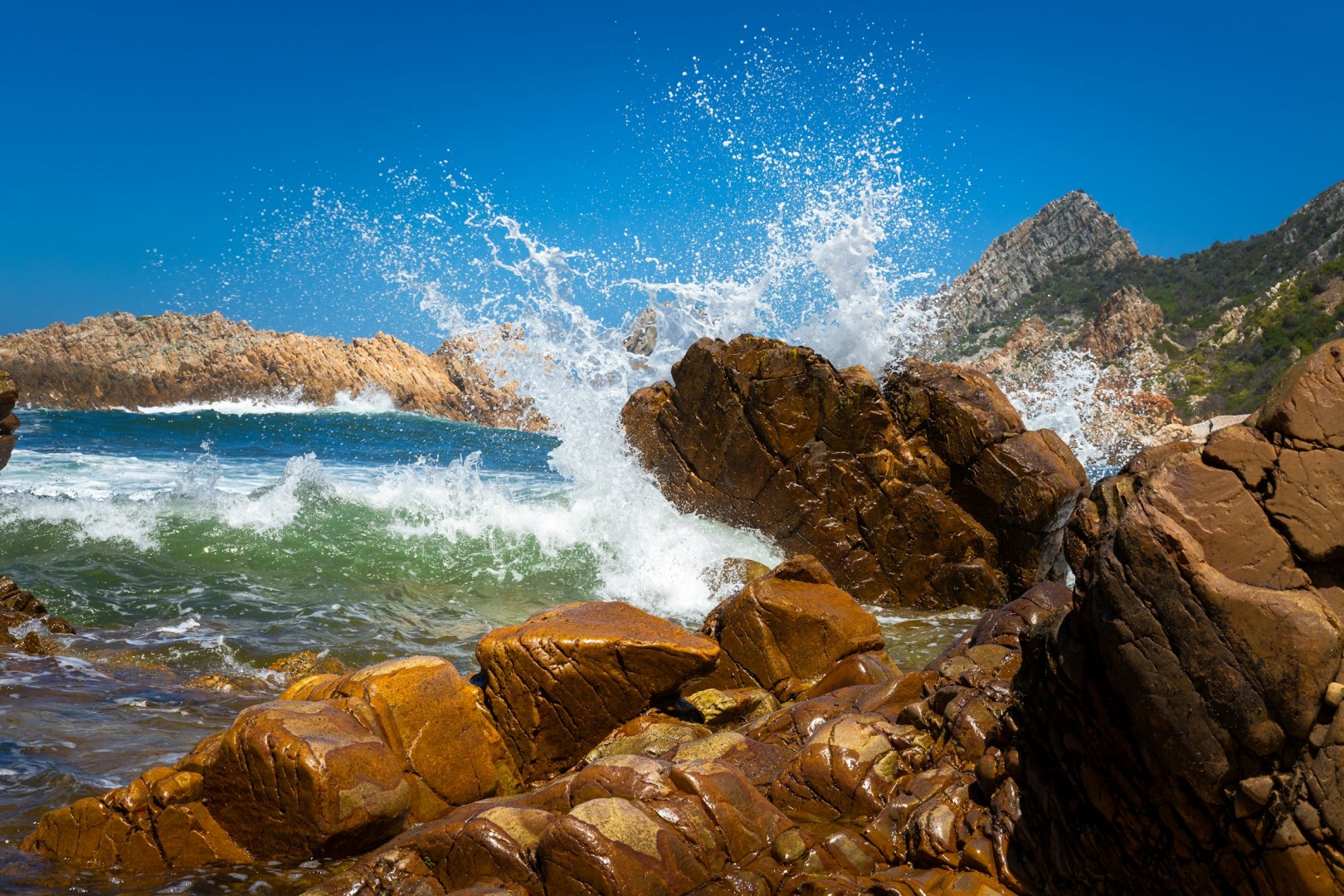
Garden Route National Park is a network of protected areas along South Africa’s southern coast, bringing together the Tsitsikamma, Wilderness, and Knysna sections under one management system. The park stretches across a varied landscape of Indian Ocean coastline, indigenous forest, mountain catchments, fynbos, rivers, lakes, and estuaries.
Port Angeles
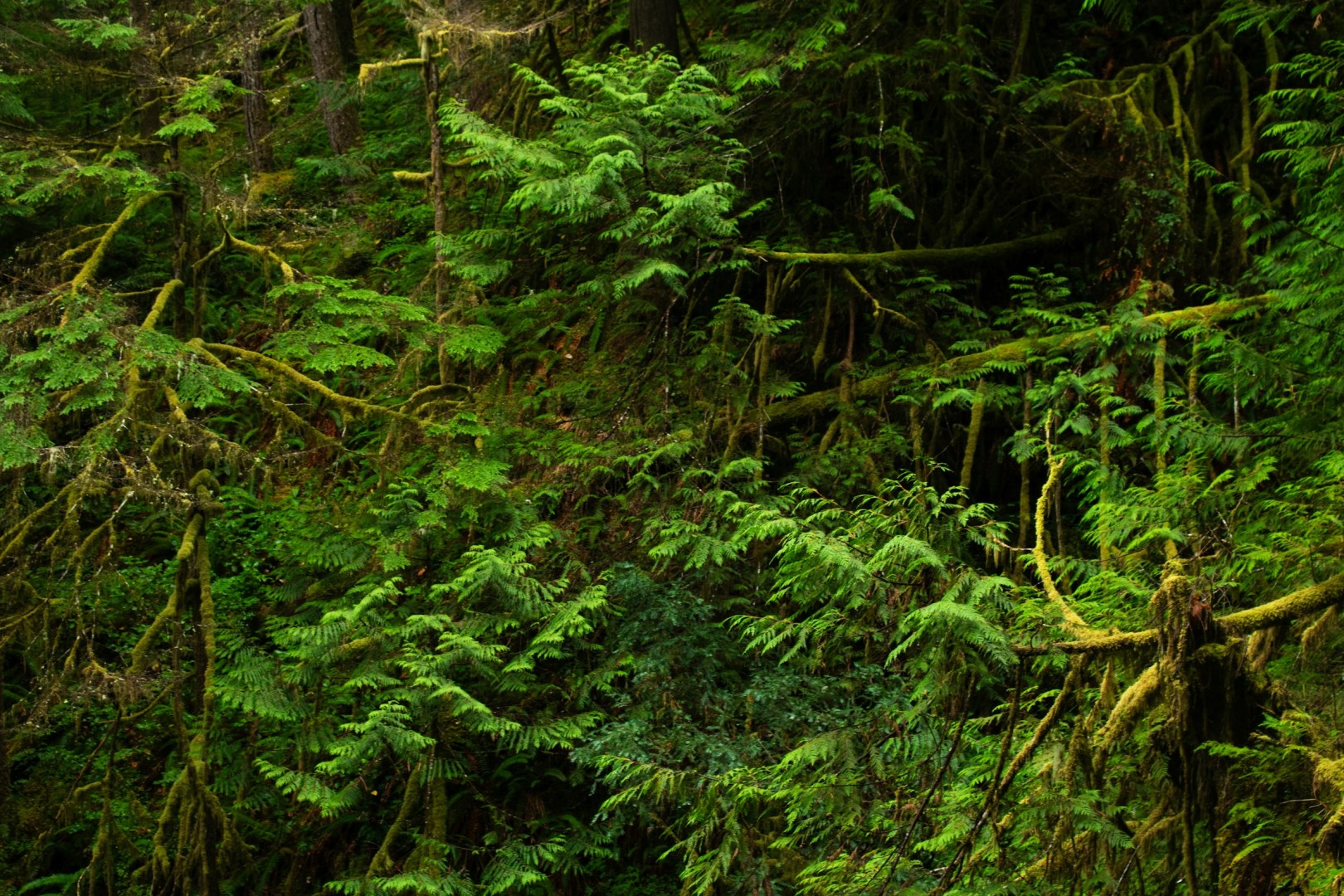
Port Angeles is a coastal city on Washington’s Olympic Peninsula, positioned along the Strait of Juan de Fuca with views toward Vancouver Island and the mountains of Olympic National Park. The city serves as an important gateway to the Olympic Peninsula, combining a working waterfront with a compact downtown, marinas, parks, and nearby forested landscapes.

Ponta Delgada (Azores)
With its mix of cultural heritage and access to extraordinary landscapes, Ponta Delgada captures the spirit of the Azores. Whether exploring its historic streets, savoring local cuisine, or embarking on adventures in nature, travelers will find plenty to inspire and delight in this charming city.