Fayetteville
With a population of 125,000, the All-America City of Fayetteville ranks as the sixth largest municipality in North Carolina. In 1949, Fayetteville adopted the council/manager form of government. Under this form of government, citizens are both stockholders and customers, the elected body represents the board of directors, and the manager is the paid professional responsible for the daily operations of the corporation.
George
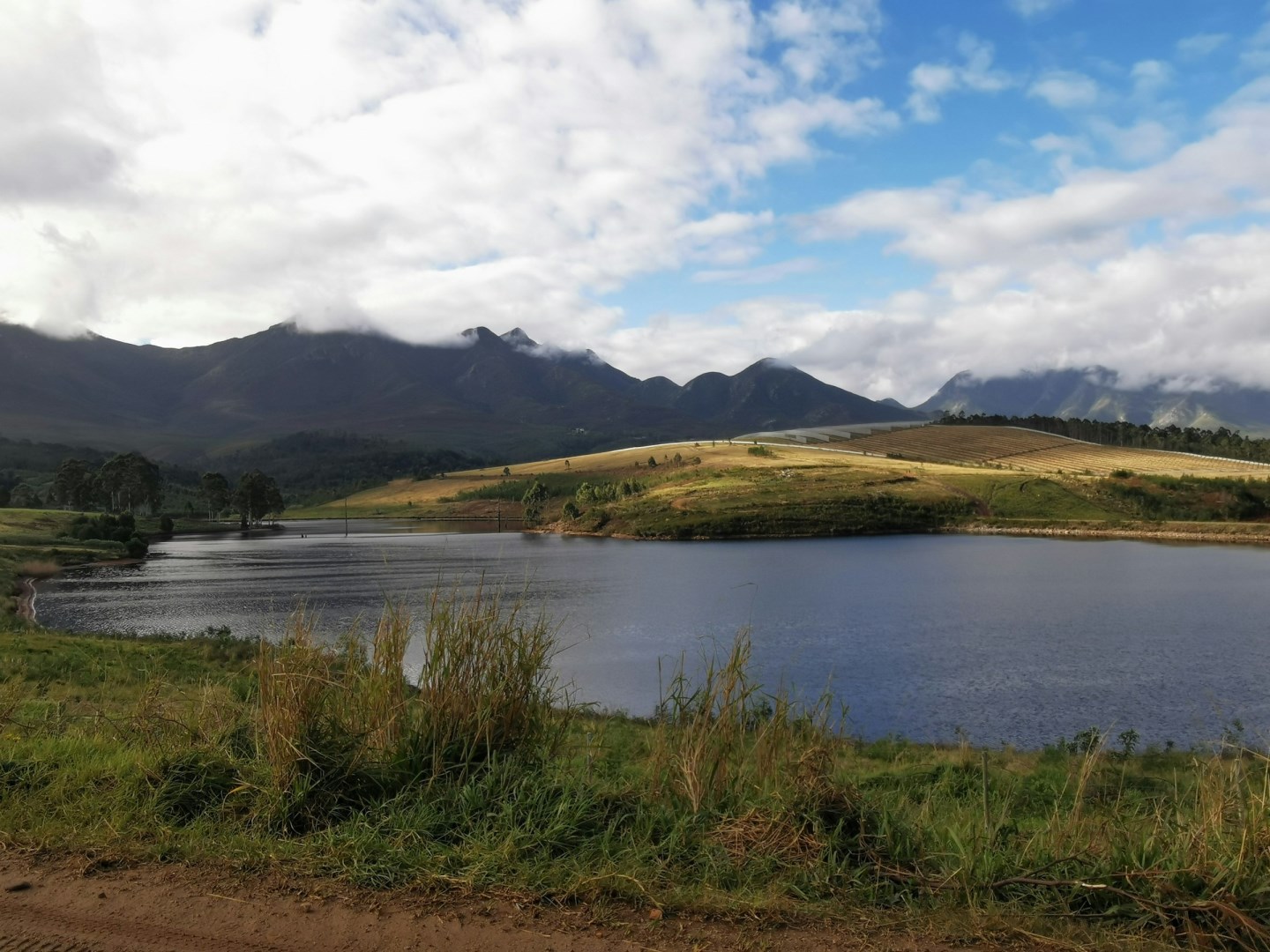
George, nestling below the magnificent Outeniqua Mountains is the sixth oldest town in South Africa. It is situated in the beautiful Western Cape Province and is the Capital of the Southern Cape. The town's central position between Cape Town and Port Elizabeth and its close proximity to other towns of the Garden Route with road, air and rail links to all the important centers in the country, has resulted in George becoming a major distribution, education and medical centre.
Paramaribo
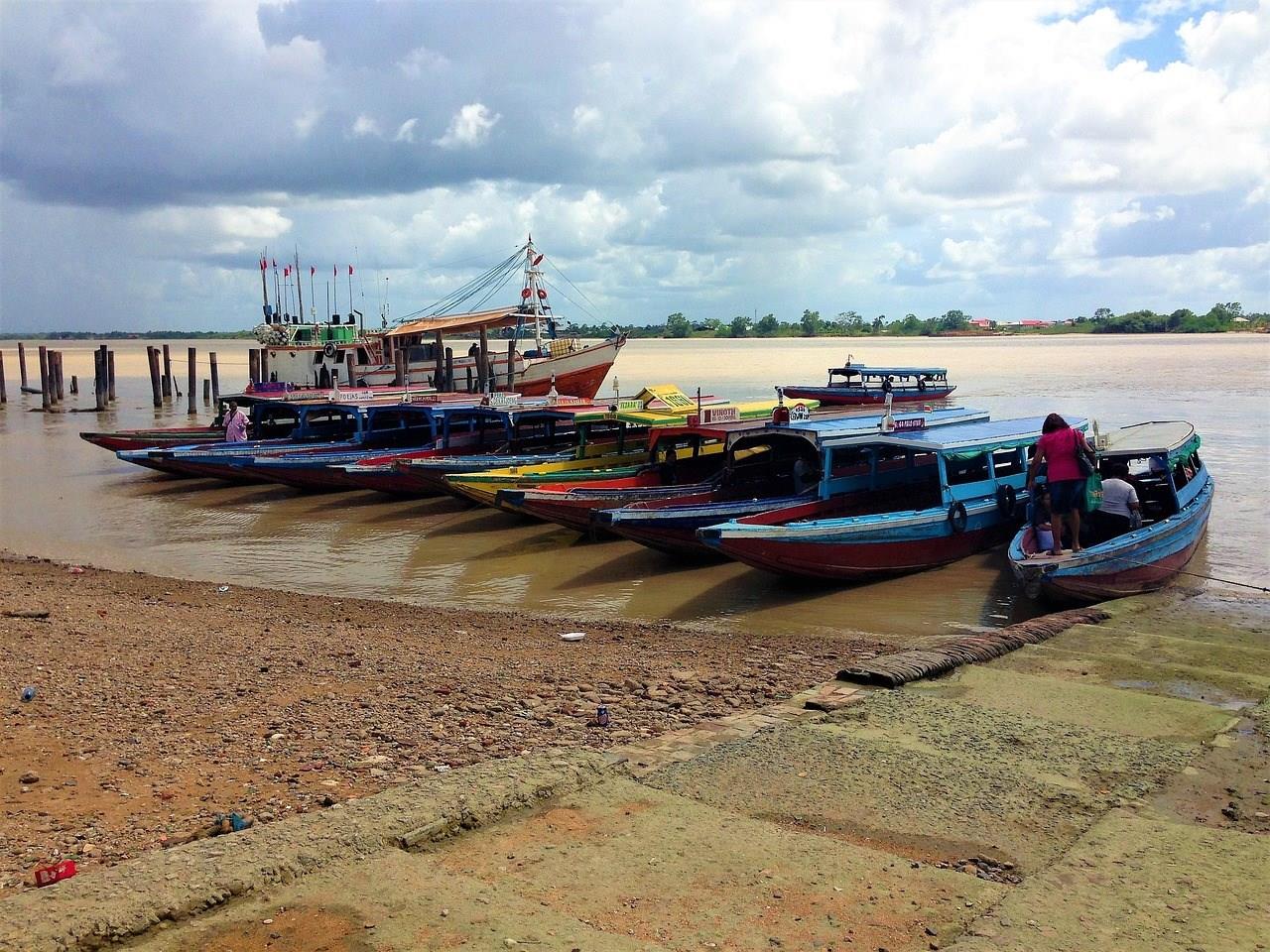
Paramaribo, Suriname’s capital, unfolds like a living storybook along the Suriname River, where wooden structures from the 17th and 18th centuries still stand today. This historic heart reveals a rare fusion of Dutch design and local craftsmanship. Visitors can stroll the Waterkant, a riverside avenue, and take in landmarks such as Fort Zeelandia, the neoclassical Reformed Church, and the lofty wooden Cathedral of St. Peter and Paul.

Ishasha
Ishasha, a hidden gem in southwestern Uganda, offers travelers a serene yet thrilling experience within Queen Elizabeth National Park. Known for its famous tree-climbing lions, this remote section of the park attracts wildlife enthusiasts eager to witness these majestic creatures lounging in the branches of fig and acacia trees. The landscape of Ishasha is stunning, with vast savannahs stretching out towards the horizon, dotted with rivers that attract herds of elephants, buffalo, and antelopes.
Khinaliq
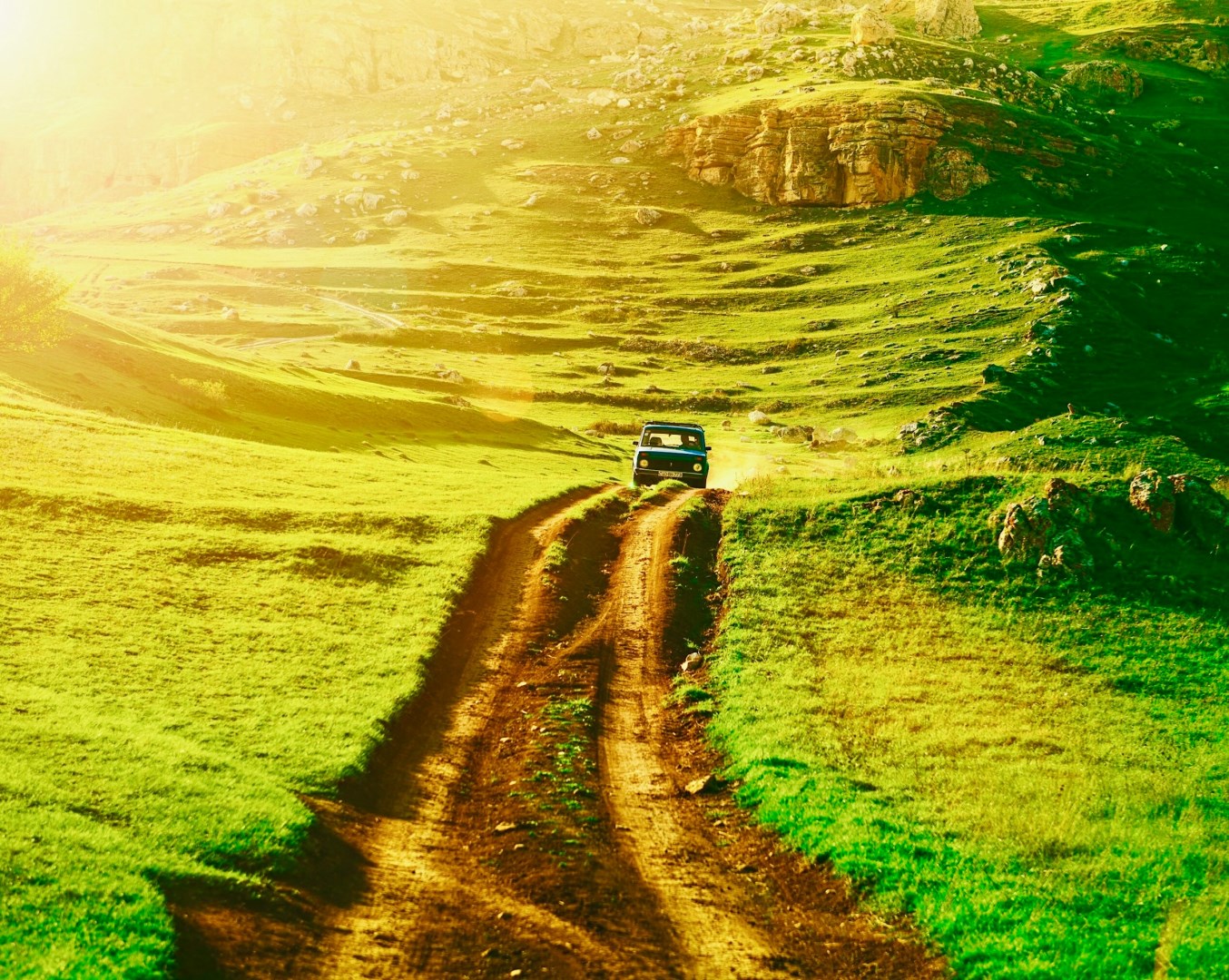
Khinaliq is a high-mountain village in northern Azerbaijan, situated in the Greater Caucasus Mountains at an elevation of more than 2,000 meters. The village is built on steep slopes above the Qudyalchay valley, with tightly packed stone houses rising in terraces along the mountainside. Surrounding peaks, alpine meadows, rocky ridges, and deep valleys create a rugged landscape shaped by the high-altitude environment.