Bogotá, the vibrant capital of Colombia, sits high in the Andes at 2,640 meters above sea level. The city balances historic charm with modern energy, where cobblestone streets meet bold street art and colonial churches stand beside sleek galleries and cafes. At the heart of it all is La Candelaria, Bogotá’s oldest neighborhood, where travelers can visit centuries-old buildings, including the neoclassical Capitol and the richly decorated Gold Museum.
Heimaey, the largest island in Iceland’s Vestmannaeyjar archipelago, is a captivating destination renowned for its dramatic landscapes and volcanic history. A visit to Heimaey offers a unique blend of natural beauty and cultural heritage.
The Irish Republic's second largest city is a surprisingly appealing place - you'll find time passes effortlessly during the day, and by night the pub scene is lively. The town center is uniquely situated on an island between two channels of the Lee River.
Bolivia is a country where altitude meets attitude high in the Andes with rich traditions that stretch back thousands of years. Its capital, La Paz, sits in a bowl-shaped valley surrounded by jagged peaks, making it one of the highest cities in the world. Cable cars glide over the city’s rooftops, linking markets, museums, and neighborhoods in a way that doubles as both transport and sightseeing. From here, visitors can easily reach the Moon Valley.
Bamberg, located in northern Bavaria, stands out for its remarkably preserved medieval layout, which earned it a spot on the UNESCO World Heritage list. Built on seven hills and often compared to Rome for that reason, the city’s architecture reflects over a thousand years of uninterrupted development. Bamberg is well known for its beer, and not just in the usual Bavarian sense. The city has more breweries per capita than any other town in Germany, and it’s the birthplace of rauchbier.
Photo Credit: Photo by Steffen Muldbjerg on Unsplash
ARoS Art Museum
Photo Credit: Photo by Julius Yls on Unsplash
Photo Credit: Photo by Steffen Muldbjerg on Unsplash
ARoS Aarhus Art Museum
Photo Credit: Photo by Matt Morelli on Unsplash
Photo Credit: Photo by Tomasz Anusiewicz on Unsplash
Photo Credit: Photo by Stephan Mahlke on Unsplash
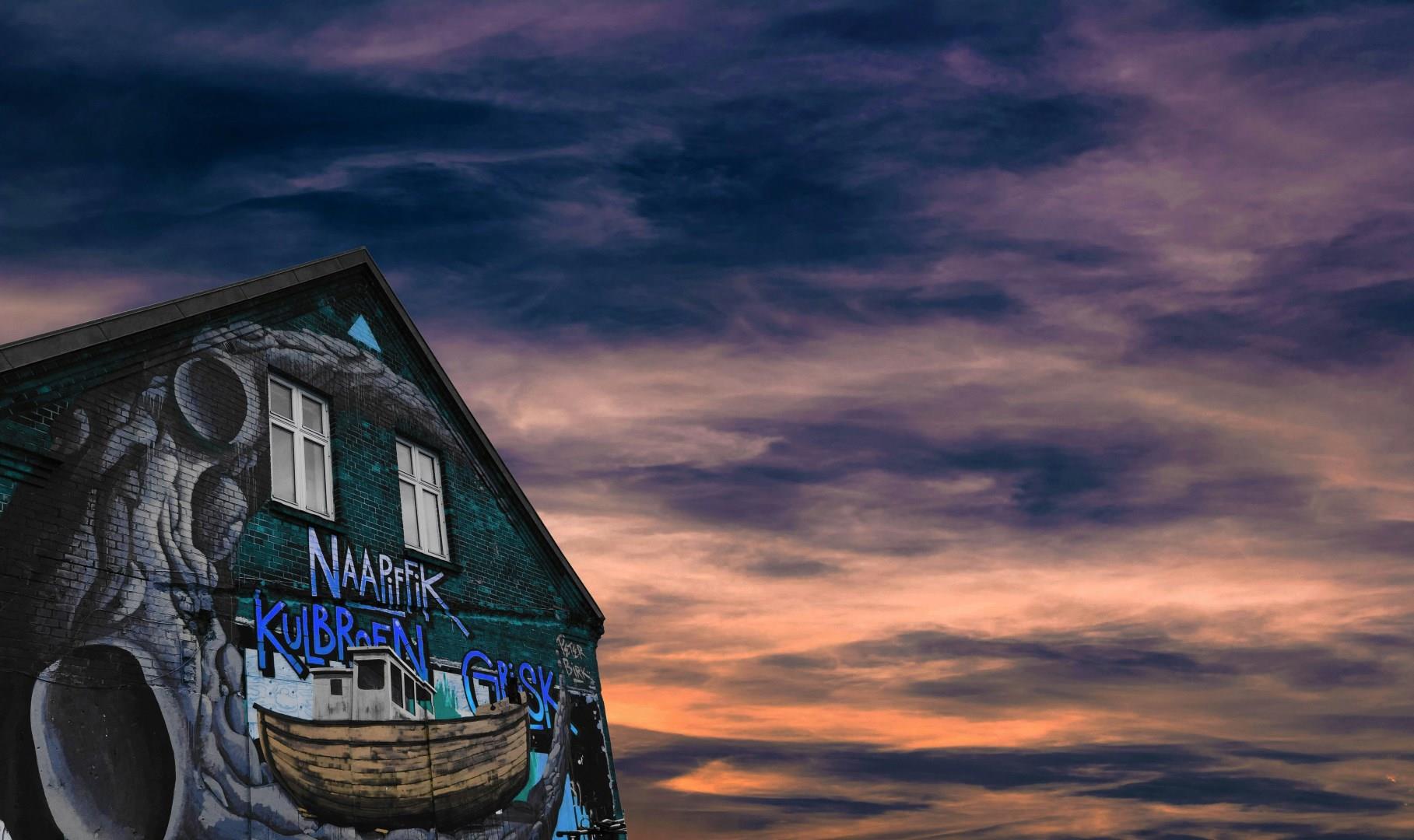
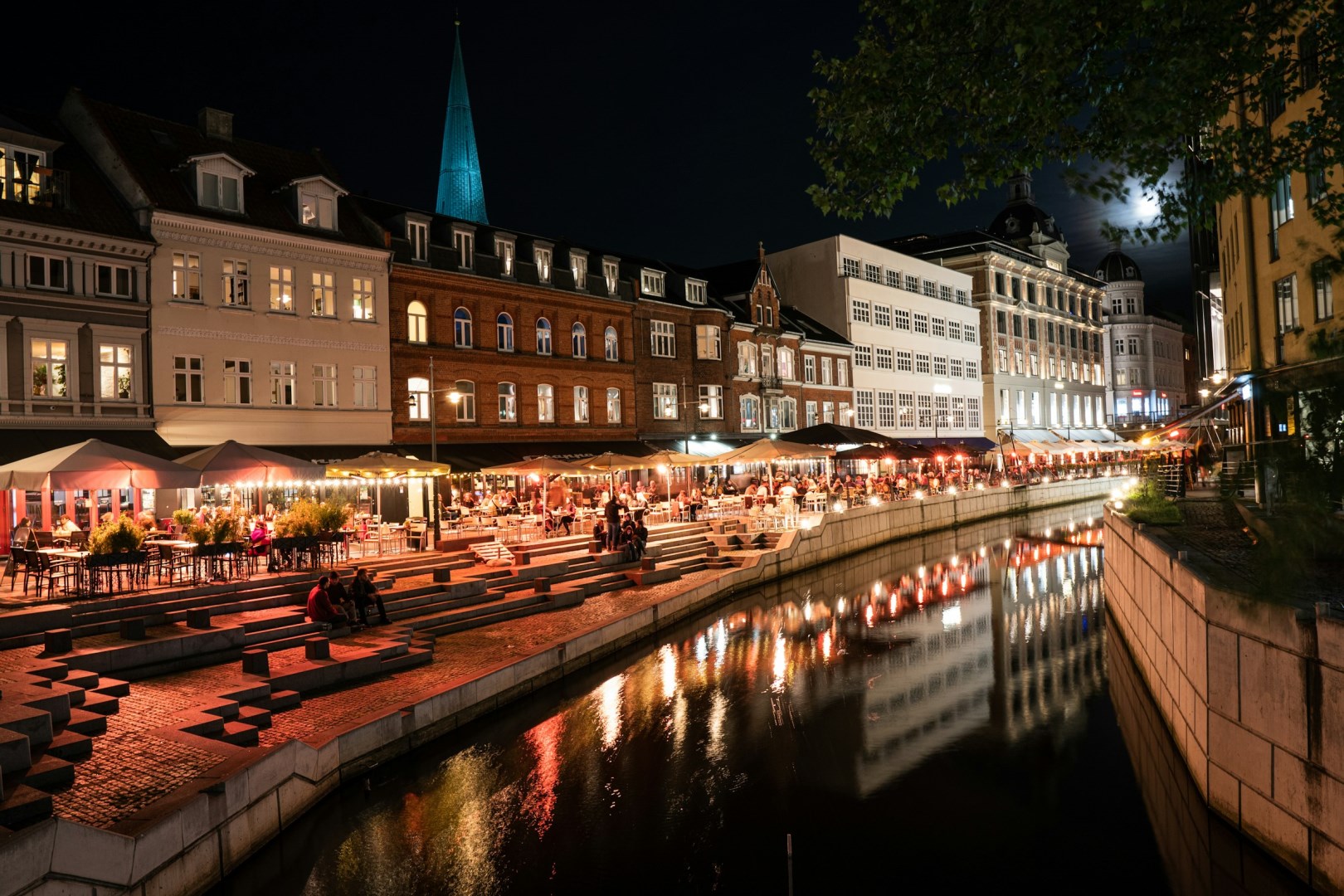
Aarhus, Denmark's second-largest city, offers a captivating blend of historical charm and modern vibrancy. Founded in the 8th century, Aarhus boasts a rich history that visitors can explore at the Old Town Museum, an open-air museum that recreates Danish life through the ages with its historical buildings and interactive exhibits. The city's medieval roots are also visible in the well-preserved Aarhus Cathedral - the longest cathedral in Denmark, a stunning example of Gothic architecture dating back to the 12th century.
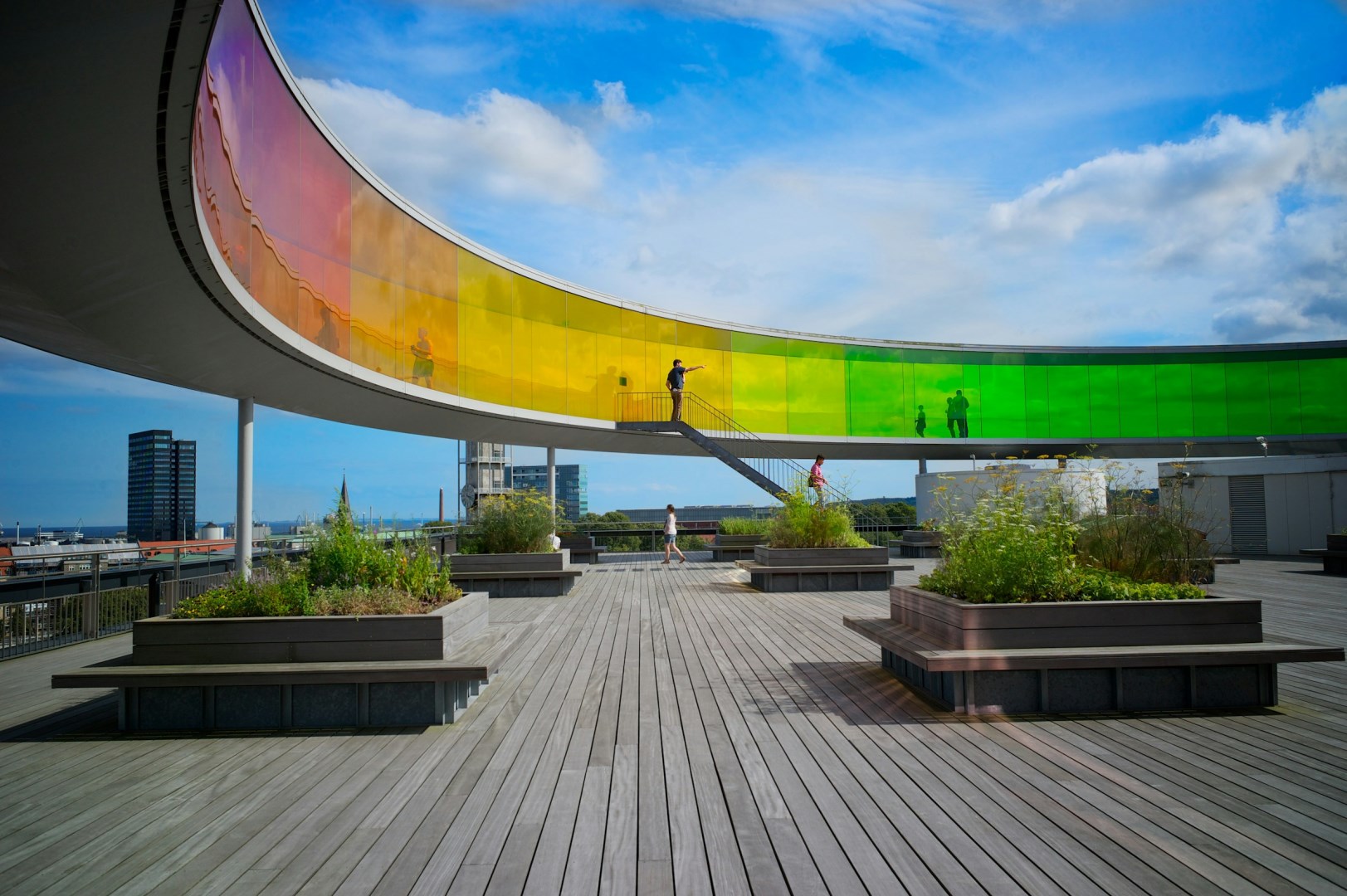
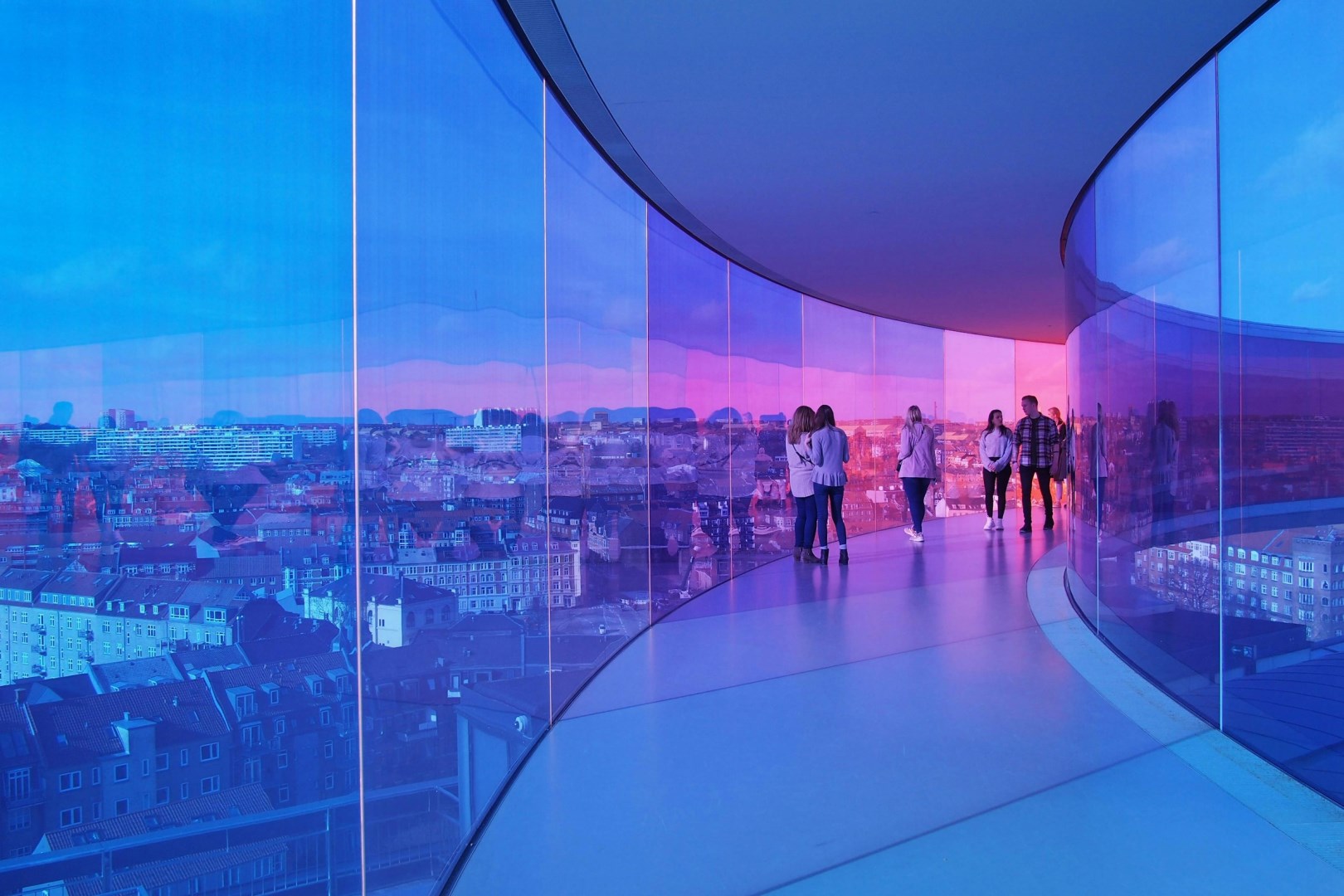
The cityscape of Aarhus is a delightful contrast of old and new. The ARoS Aarhus Art Museum stands out with its striking rooftop installation, "Your Rainbow Panorama," offering a 360-degree view of the city through colorful glass. Nearby, the Dokk1 library and cultural center exemplifies modern design and serves as a vibrant hub for cultural activities and community events. Aarhus’s commitment to culture and innovation makes it a dynamic destination for art lovers and architecture enthusiasts.
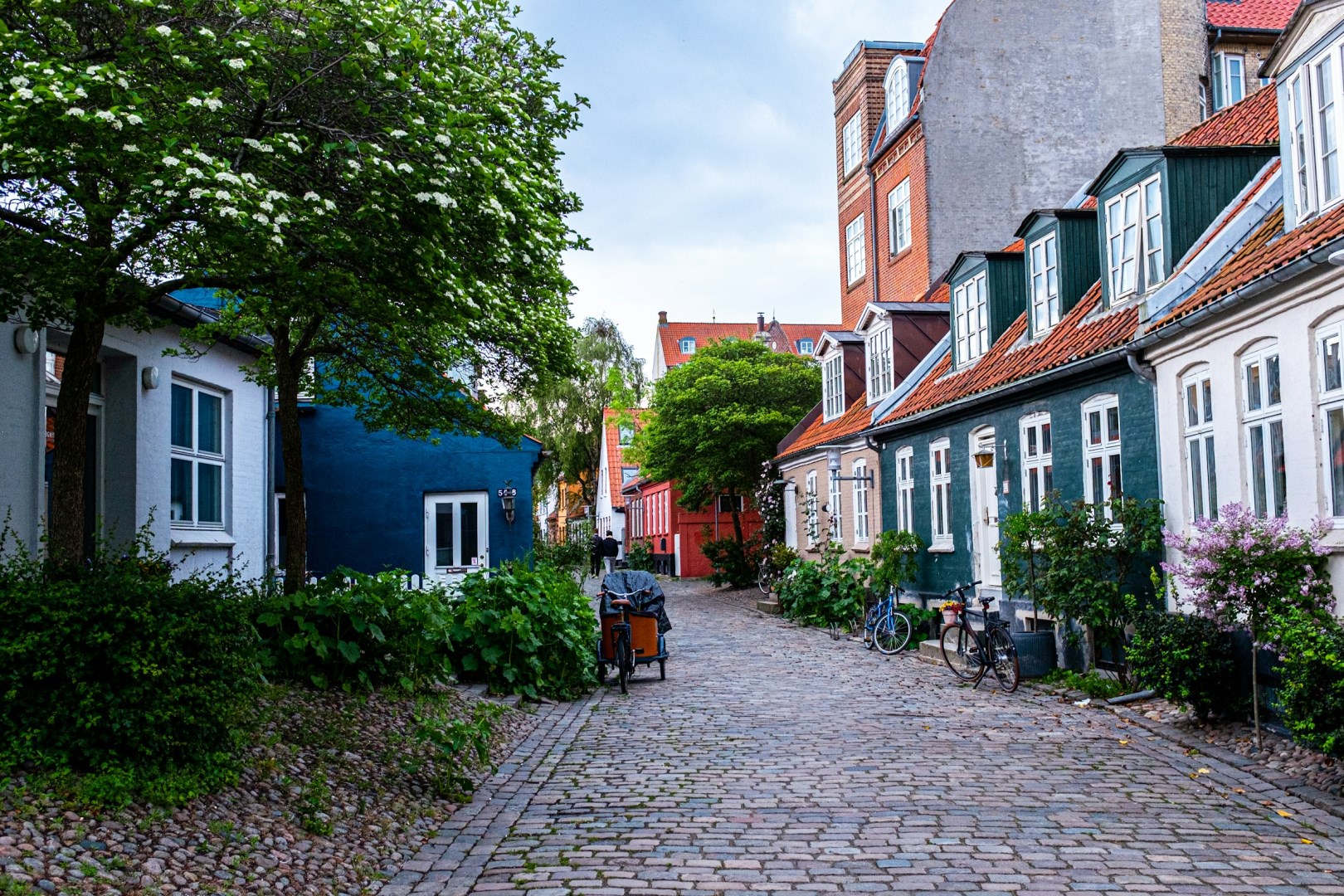
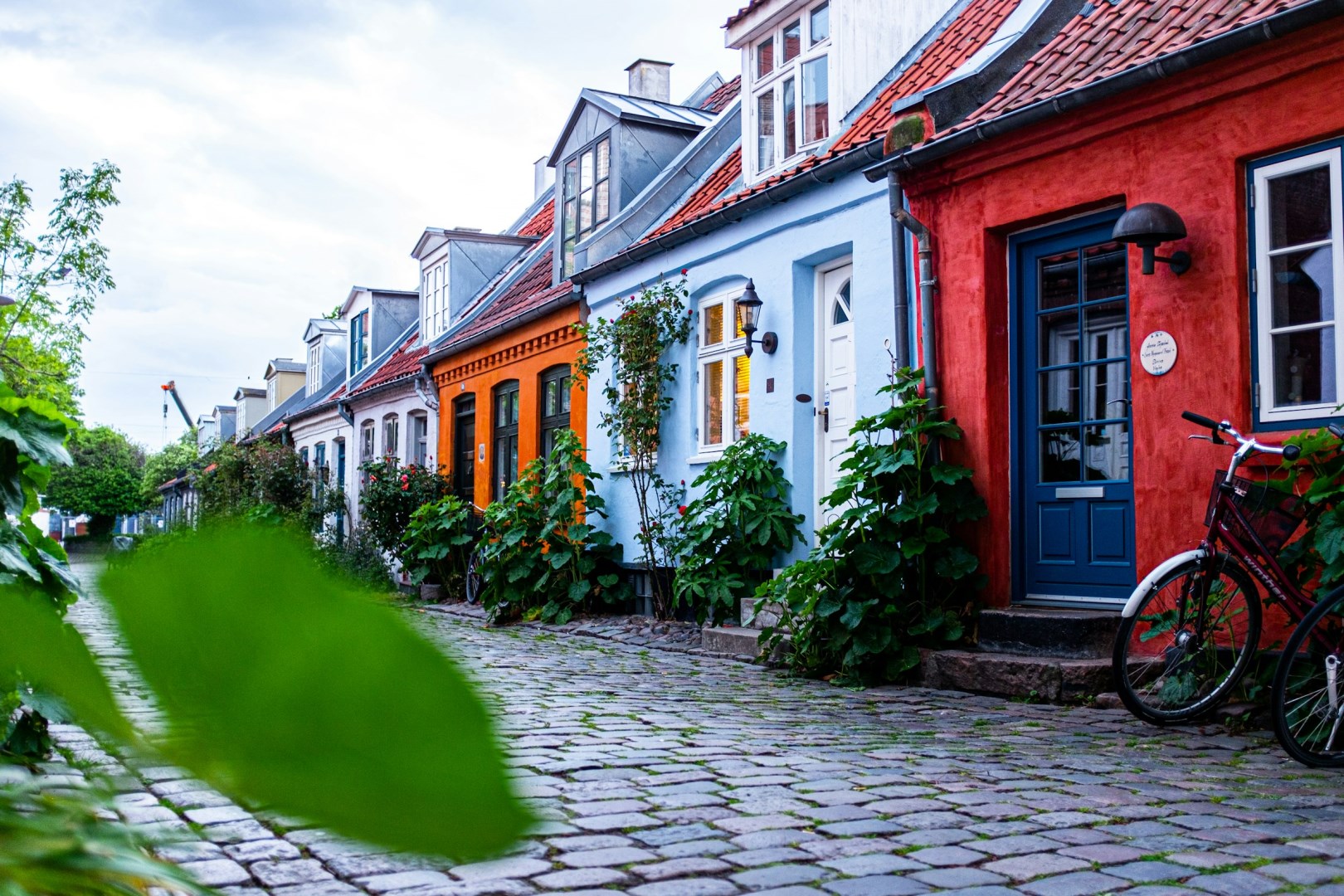
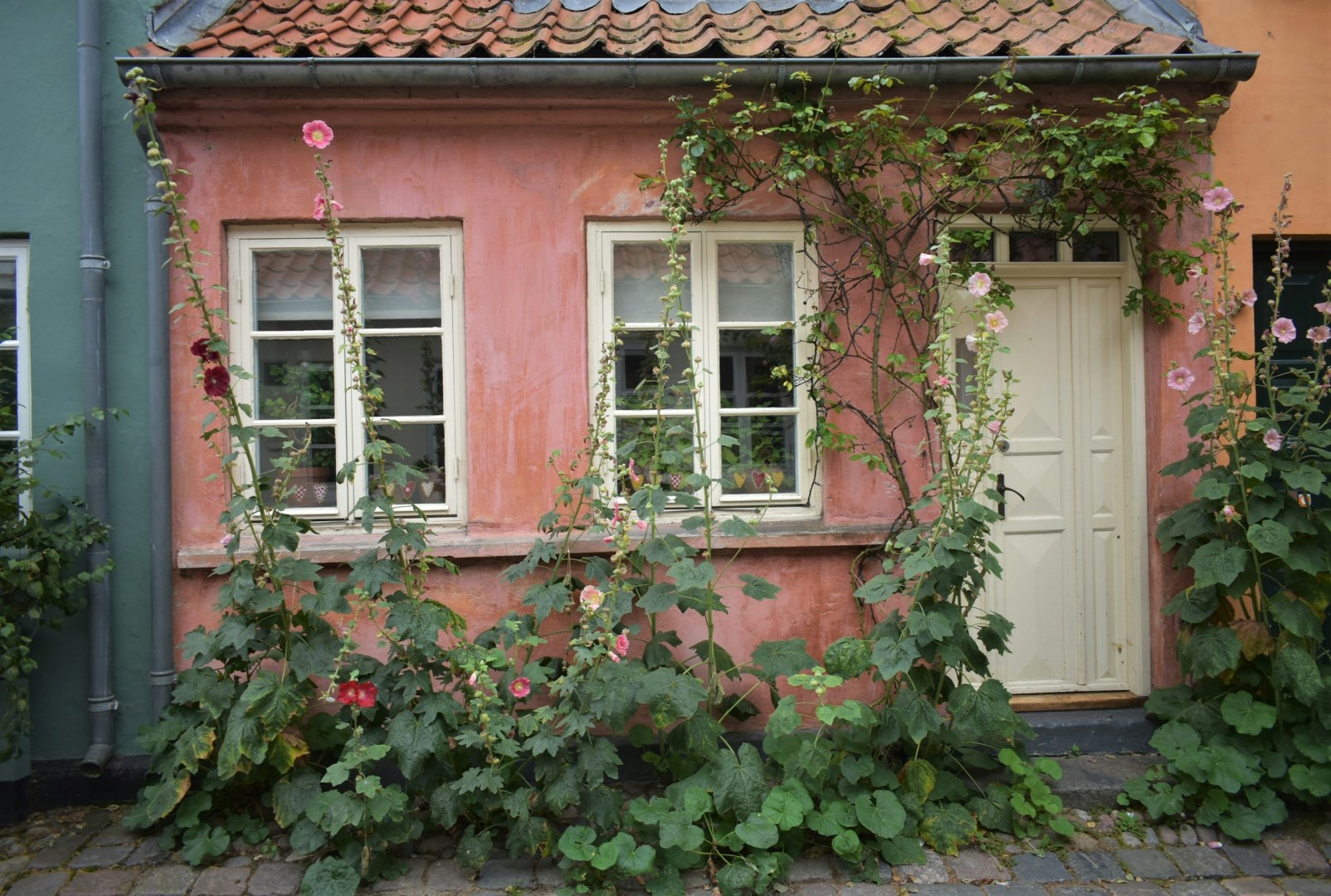
For a taste of local life, the bustling Latin Quarter offers charming cobblestone streets lined with eclectic boutiques, cozy cafes, and lively eateries. The area’s vibrant atmosphere and historic ambiance create an inviting setting for leisurely strolls and unique shopping experiences. Additionally, the Moesgaard Museum provides an immersive experience into Denmark's prehistoric past with its impressive collection of artifacts and engaging exhibits.
Fun fact: Aarhus was named the European Capital of Culture for 2017, a testament to its thriving cultural scene and innovative spirit. Whether you're interested in history, art, or simply enjoying a picturesque cityscape, Aarhus offers a memorable and enriching travel experience.