Portland, Oregon, is a city where natural beauty and urban innovation coexist harmoniously. Nestled between the Columbia and Willamette Rivers and framed by volcanic mountains, Portland offers an array of outdoor adventures alongside its renowned cultural scene. Visitors can explore the lush expanses of Forest Park, one of the largest urban forests in the U.S., or take a leisurely stroll through the Portland Japanese Garden, which showcases exquisite traditional Japanese landscape design.
Lake Powell, stretching across the Utah-Arizona border, is one of the largest manmade reservoirs in the United States. Formed by the flooding of Glen Canyon after the completion of the Glen Canyon Dam in 1963, it covers over 180 miles in length and contains nearly 2,000 miles of shoreline, more than the entire West Coast of the U.S. Despite its modern origins, the area has long been home to the Ancestral Puebloans and later Navajo communities.
Oslo, Norway’s capital, stands at the crossroads of Nordic history and forward-thinking design. Originally founded over a thousand years ago by Viking King Harald Hardrada, the city has evolved from a medieval trading hub into one of Europe’s most modern capitals. Visitors can explore its layered past at the Akershus Fortress, a 13th-century stronghold still standing guard over Oslofjord, or walk through the preserved wooden homes of Damstredet.
Kanchanaburi, a province in western Thailand, is best known for its poignant history and lush landscapes. It was here that Allied prisoners of war and Asian laborers were forced to build the infamous Death Railway during World War II, including the Bridge over the River Kwai, which remains a powerful symbol of resilience.
Oviedo, the capital of Asturias in northern Spain, offers a rare mix of medieval heritage and everyday life that feels rooted rather than staged. The city’s historic center is home to some of the oldest pre-Romanesque buildings in Europe, including the UNESCO-listed Santa María del Naranco and San Miguel de Lillo. Cider, not wine, defines the local table. Oviedo is surrounded by apple orchards, and the traditional drink, sidra natural, is poured from a height by skilled escanciadores.
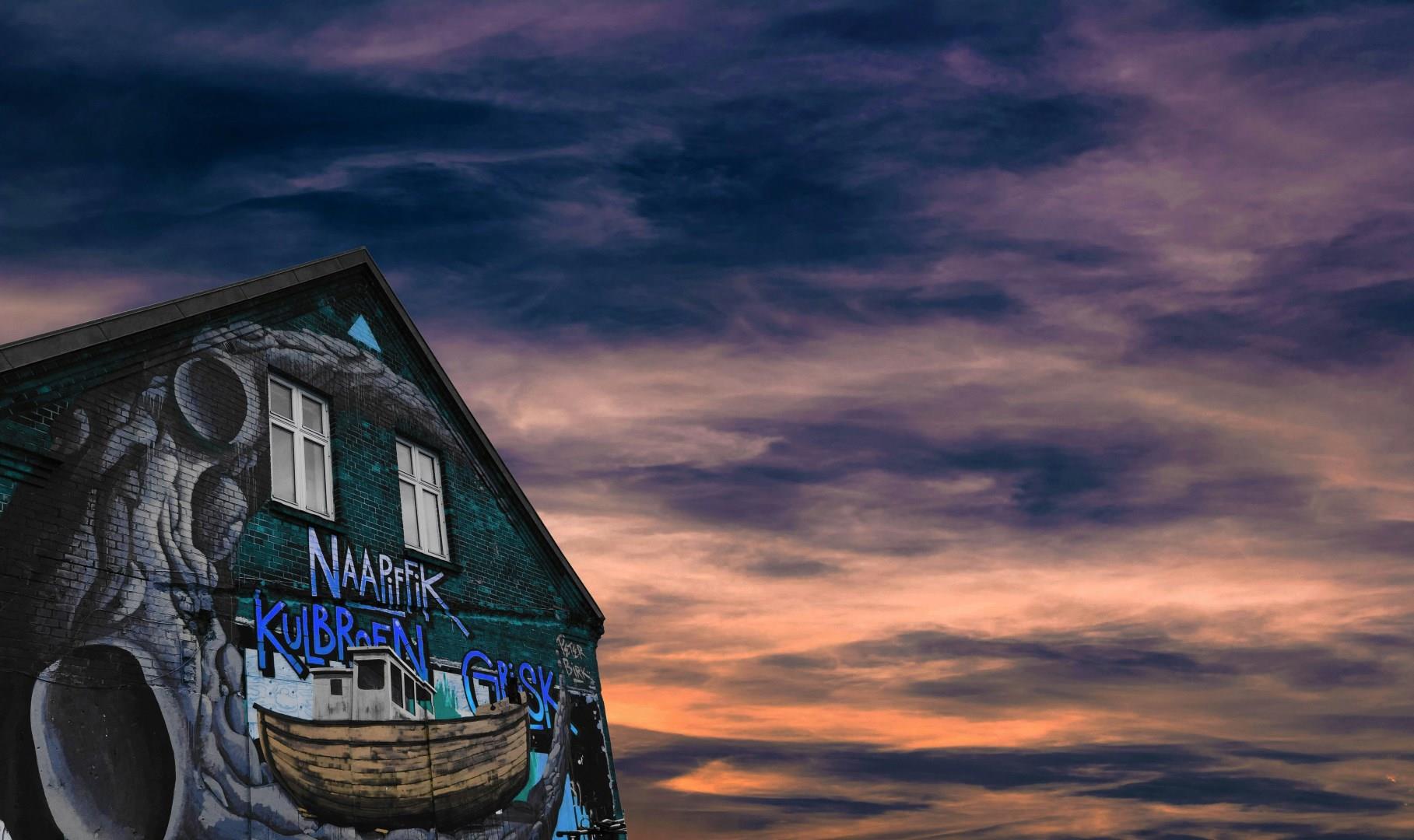
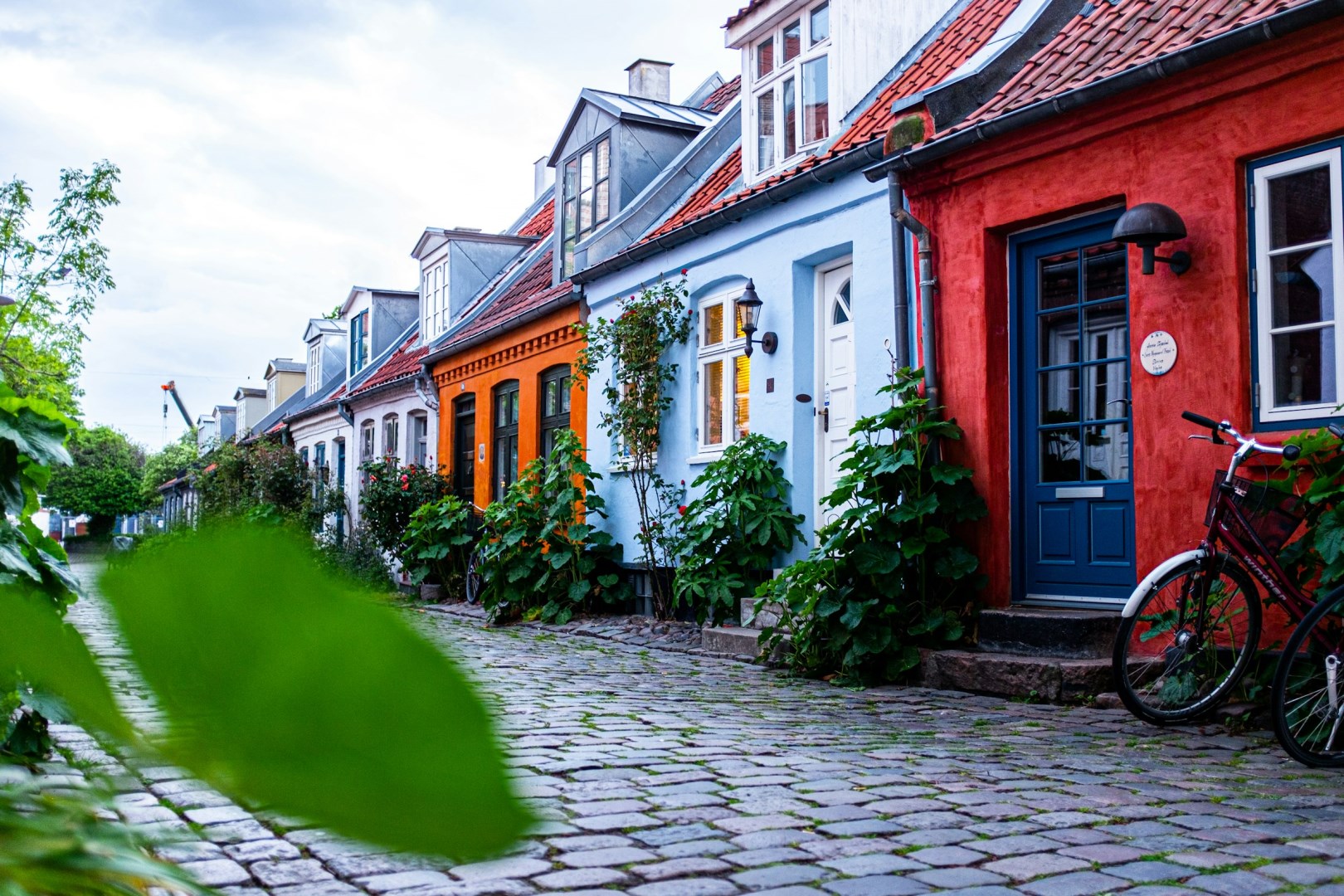
Aarhus, Denmark's second-largest city, offers a captivating blend of historical charm and modern vibrancy. Founded in the 8th century, Aarhus boasts a rich history that visitors can explore at the Old Town Museum, an open-air museum that recreates Danish life through the ages with its historical buildings and interactive exhibits. The city's medieval roots are also visible in the well-preserved Aarhus Cathedral - the longest cathedral in Denmark, a stunning example of Gothic architecture dating back to the 12th century.
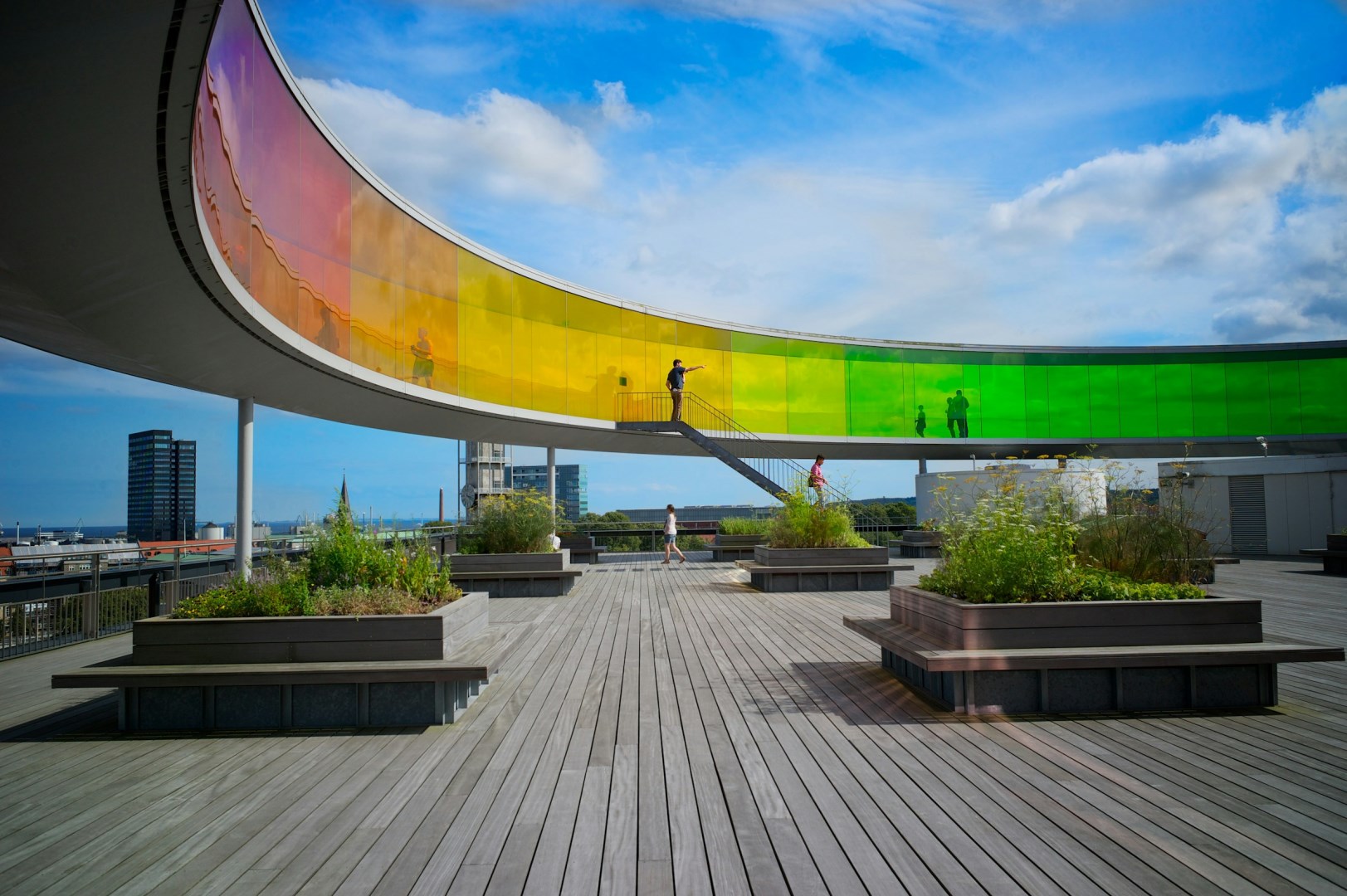
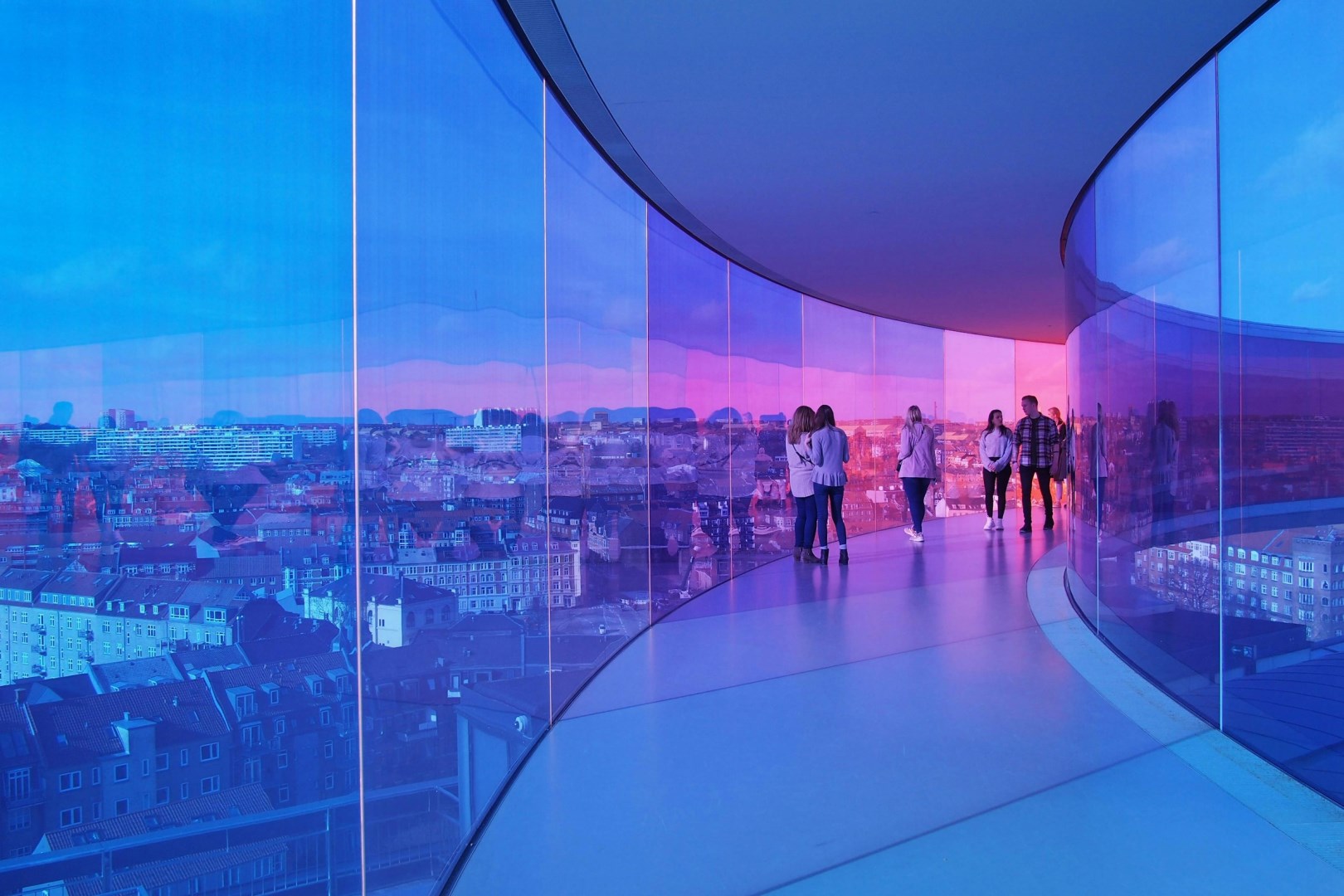
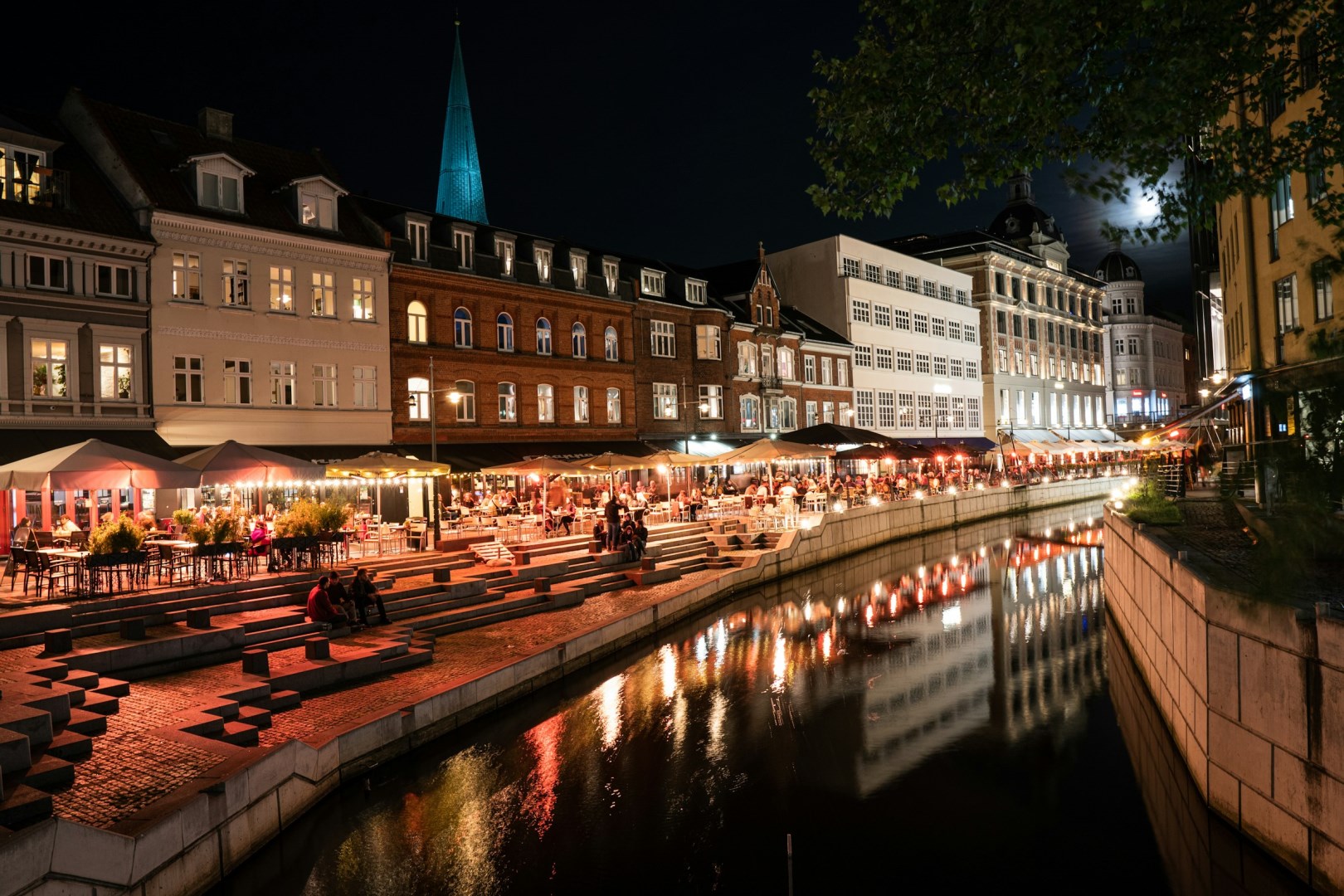
The cityscape of Aarhus is a delightful contrast of old and new. The ARoS Aarhus Art Museum stands out with its striking rooftop installation, "Your Rainbow Panorama," offering a 360-degree view of the city through colorful glass. Nearby, the Dokk1 library and cultural center exemplifies modern design and serves as a vibrant hub for cultural activities and community events. Aarhus’s commitment to culture and innovation makes it a dynamic destination for art lovers and architecture enthusiasts.
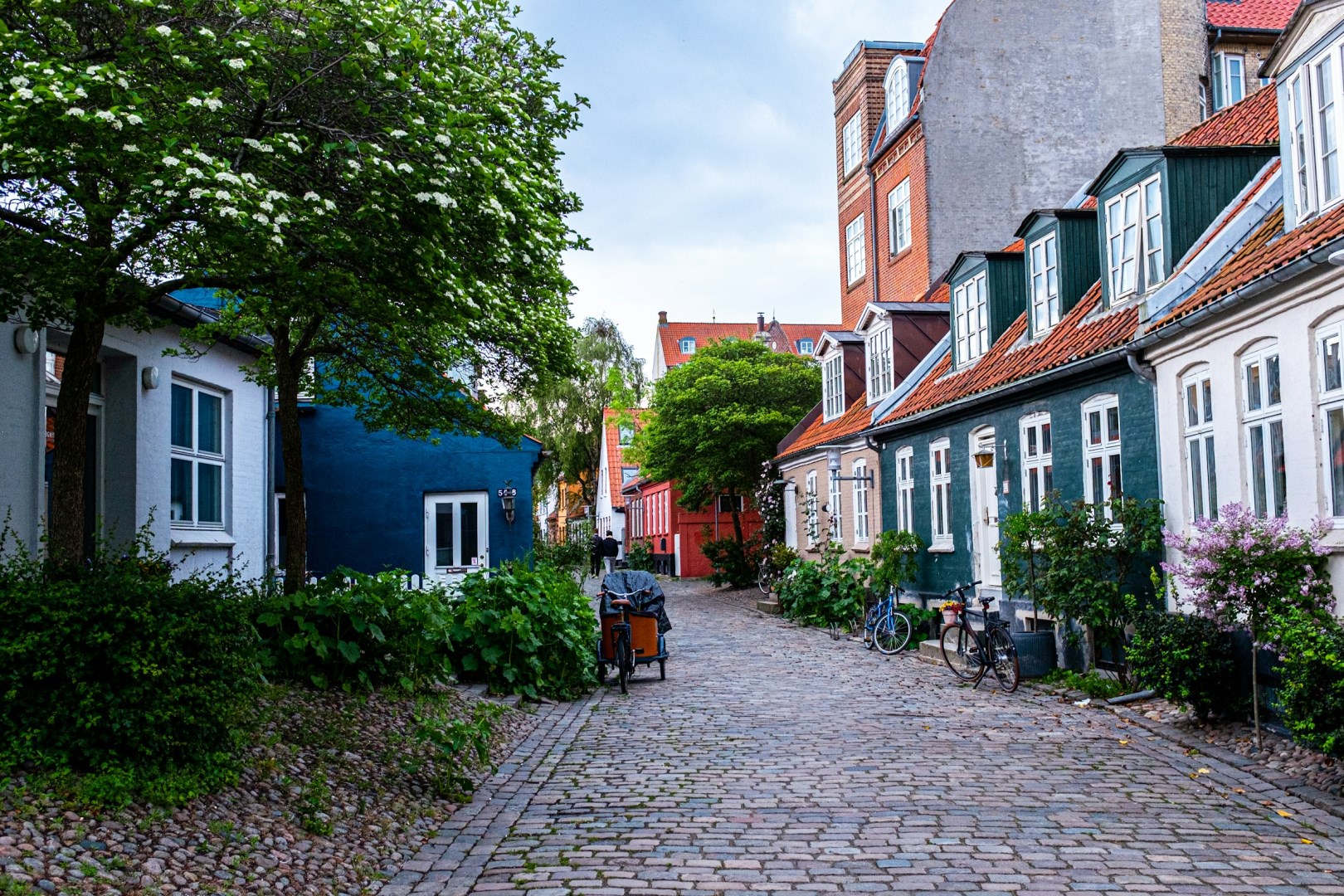
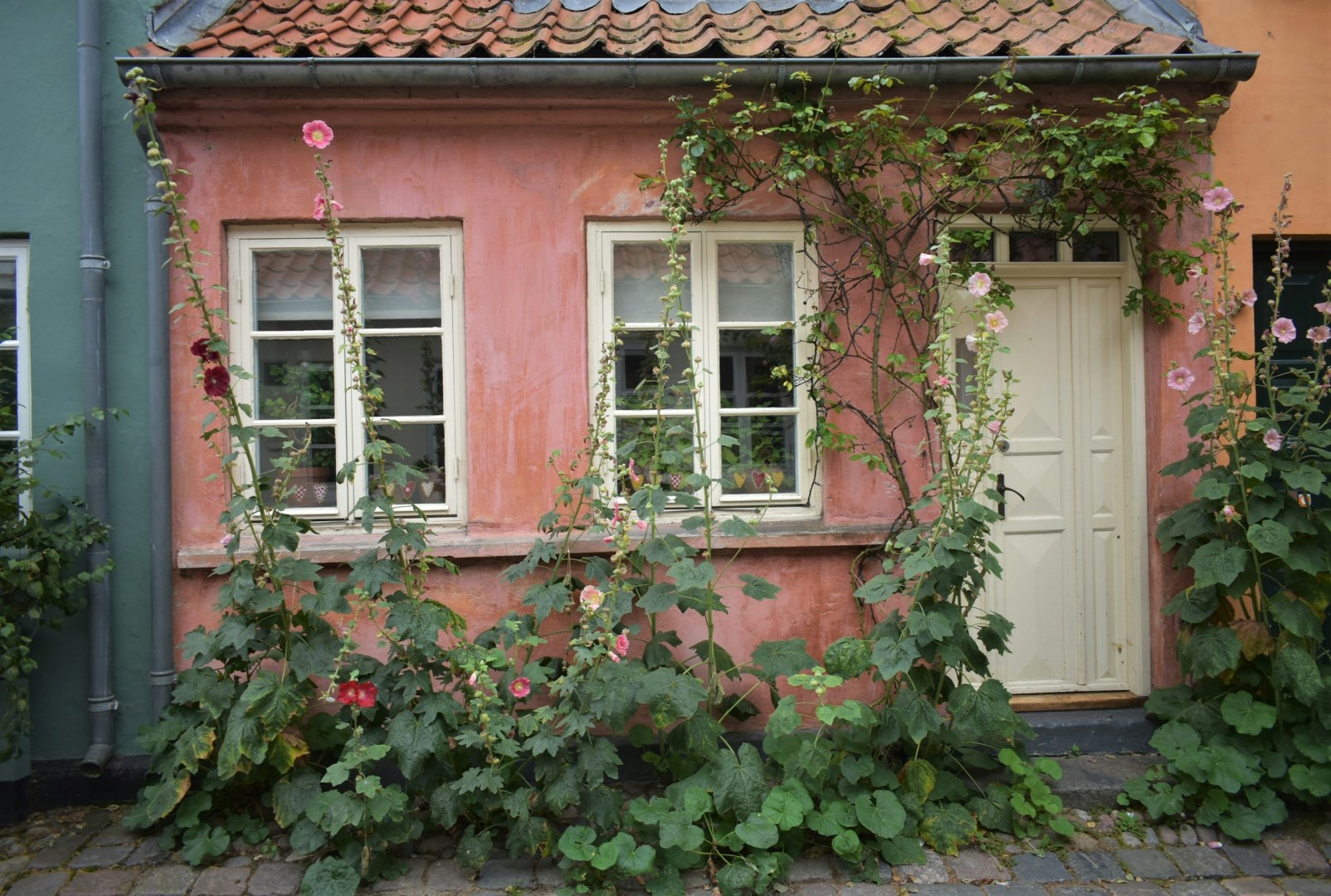
For a taste of local life, the bustling Latin Quarter offers charming cobblestone streets lined with eclectic boutiques, cozy cafes, and lively eateries. The area’s vibrant atmosphere and historic ambiance create an inviting setting for leisurely strolls and unique shopping experiences. Additionally, the Moesgaard Museum provides an immersive experience into Denmark's prehistoric past with its impressive collection of artifacts and engaging exhibits.
Fun fact: Aarhus was named the European Capital of Culture for 2017, a testament to its thriving cultural scene and innovative spirit. Whether you're interested in history, art, or simply enjoying a picturesque cityscape, Aarhus offers a memorable and enriching travel experience.