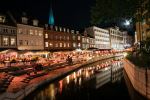
Agadir, a vibrant coastal city in southwestern Morocco, is renowned for its beautiful beaches and modern amenities. Located on the Atlantic Ocean, Agadir is famous for its long, sandy coastline which stretches for over 10 kilometers (6 miles). The city's beach is perfect for sunbathing, swimming, and engaging in water sports such as surfing and jet skiing. Agadir's temperate climate, with mild winters and warm summers, makes it a year-round destination for beachgoers.
Zaragoza stands on the banks of the Ebro River in northeastern Spain and serves as the capital of the Aragón region. The city is known for its mix of Roman remains, Islamic influences, Mudéjar architecture, and large Baroque landmarks.
Sagres sits at the southwestern edge of continental Europe in Portugal’s Algarve region, where the Atlantic’s wide horizon meets rugged cliffs and open skies. For centuries this point was linked to maritime adventure and visitors can still feel that sense of discovery in the air. Here, people like Prince Henry the Navigator gathered cartographers, shipbuilders and astronomers in the 1400s to push beyond maps of the known world and shape the early Age of Discovery from Sagres’ dramatic headlands.
Nestled between the serene waters of Lake Hallstatt and the towering Dachstein mountains, Hallstatt, Austria, is a picturesque gem that seems almost too perfect to be real. This UNESCO World Heritage site is renowned for its stunning alpine scenery and charming architecture. Wander through the narrow streets lined with 16th-century houses and experience the timeless beauty that has captivated visitors for centuries.
Wadi Rum, often called the “Valley of the Moon,” is a desert landscape in southern Jordan renowned for its dramatic sandstone mountains, sweeping red sand dunes, and ancient history carved into the rock. Its vast, otherworldly scenery has made it both a UNESCO World Heritage Site and a backdrop for films set on distant planets.
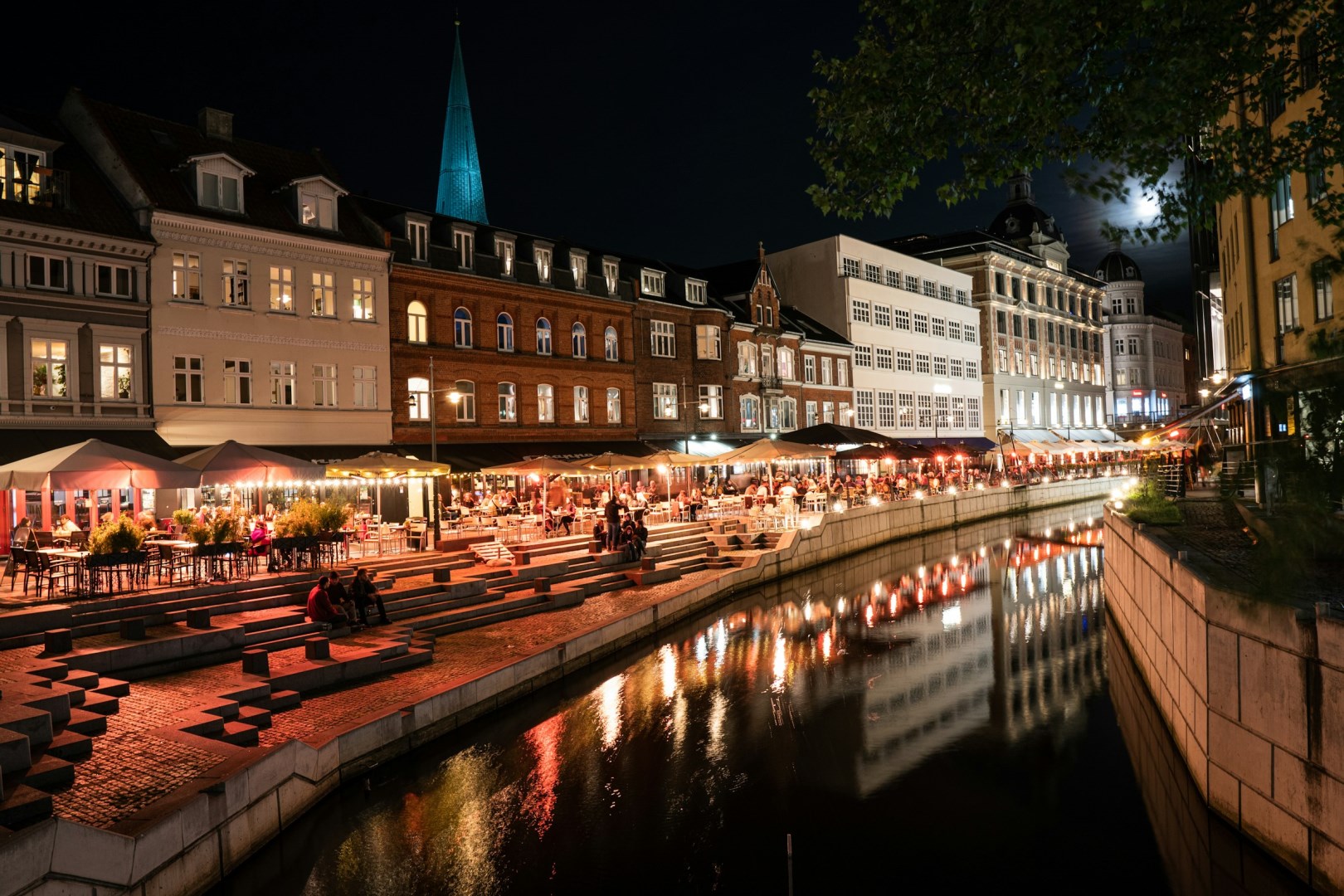
Aarhus, Denmark's second-largest city, offers a captivating blend of historical charm and modern vibrancy. Founded in the 8th century, Aarhus boasts a rich history that visitors can explore at the Old Town Museum, an open-air museum that recreates Danish life through the ages with its historical buildings and interactive exhibits. The city's medieval roots are also visible in the well-preserved Aarhus Cathedral - the longest cathedral in Denmark, a stunning example of Gothic architecture dating back to the 12th century.
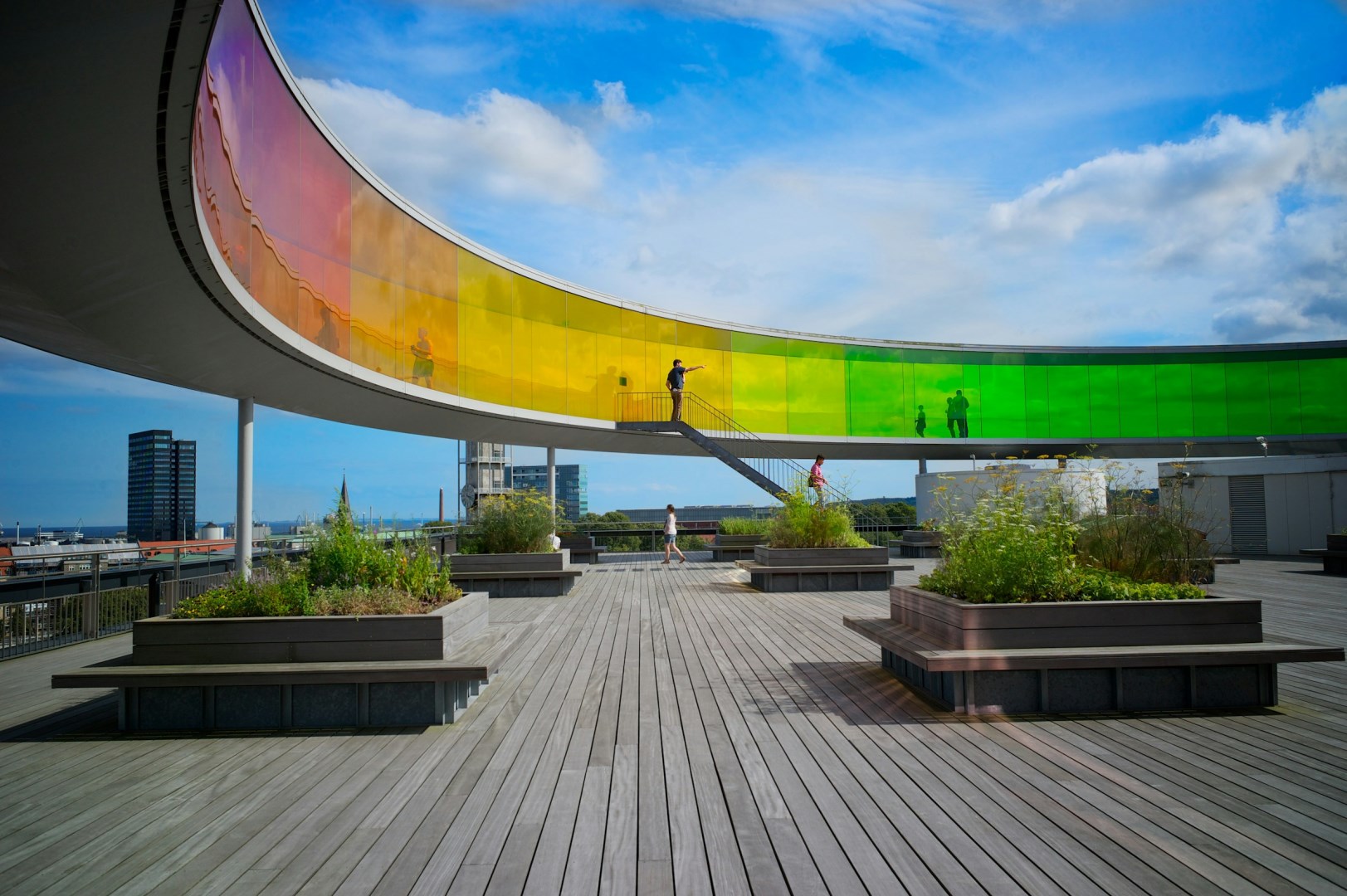
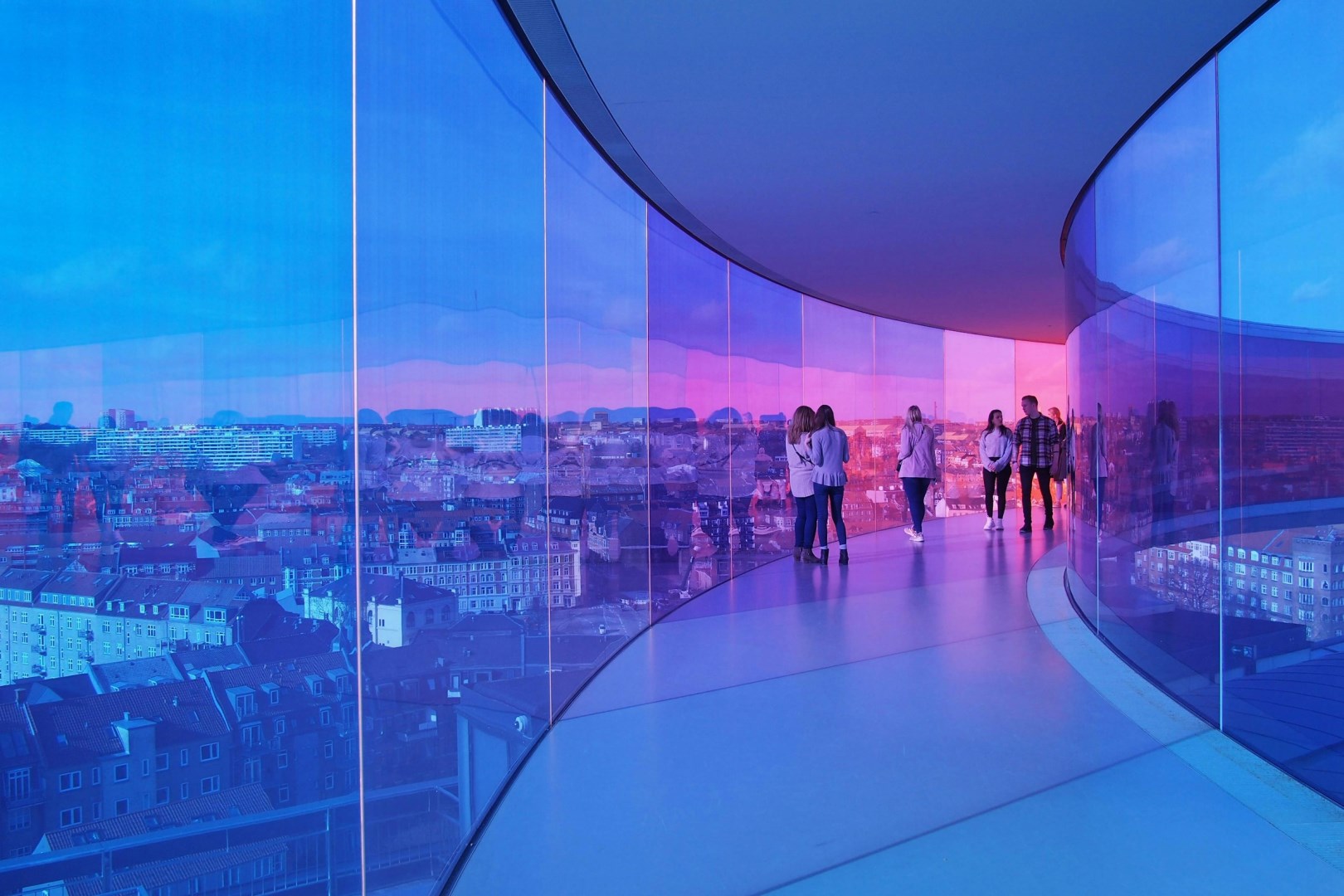
The cityscape of Aarhus is a delightful contrast of old and new. The ARoS Aarhus Art Museum stands out with its striking rooftop installation, "Your Rainbow Panorama," offering a 360-degree view of the city through colorful glass. Nearby, the Dokk1 library and cultural center exemplifies modern design and serves as a vibrant hub for cultural activities and community events. Aarhus’s commitment to culture and innovation makes it a dynamic destination for art lovers and architecture enthusiasts.
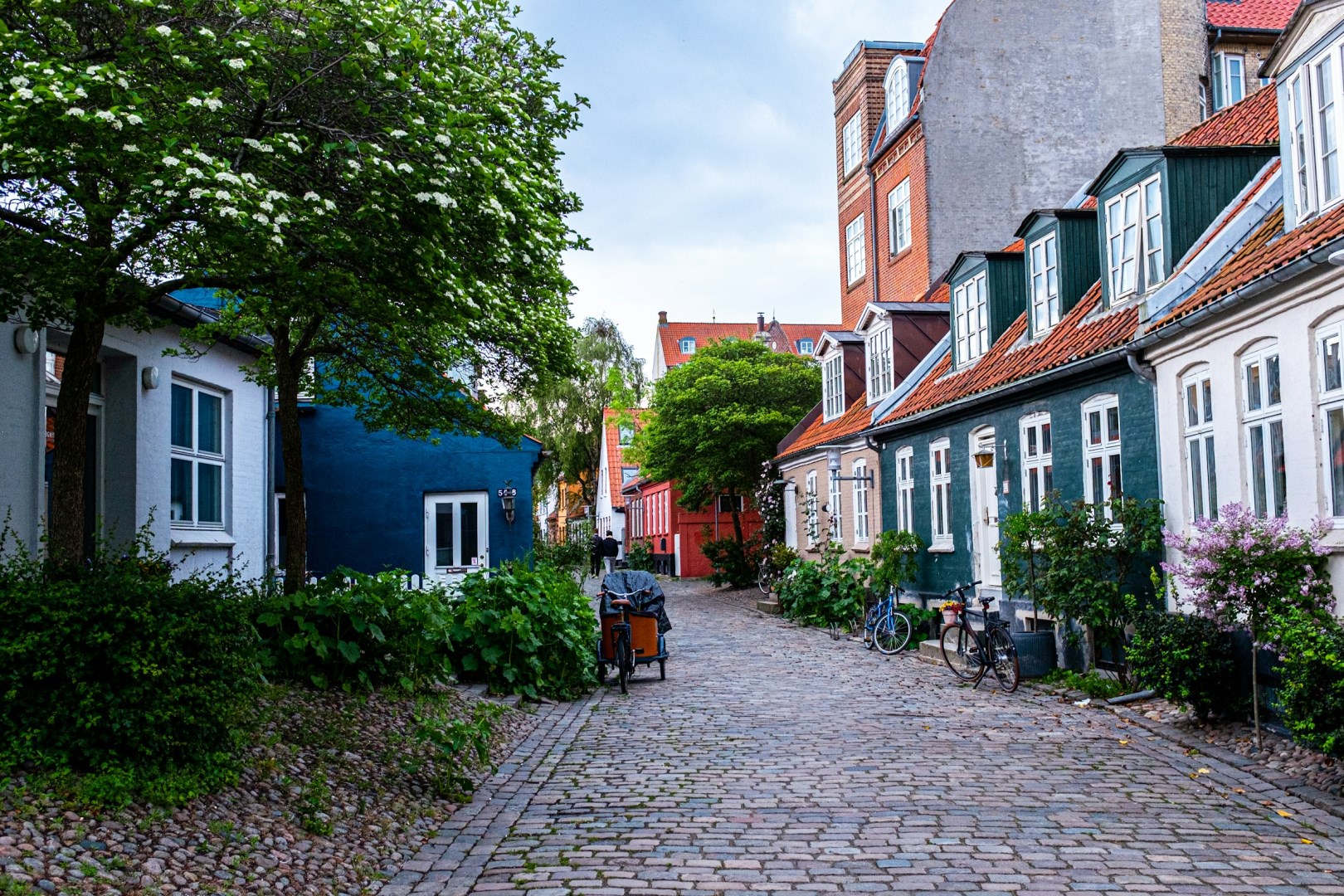
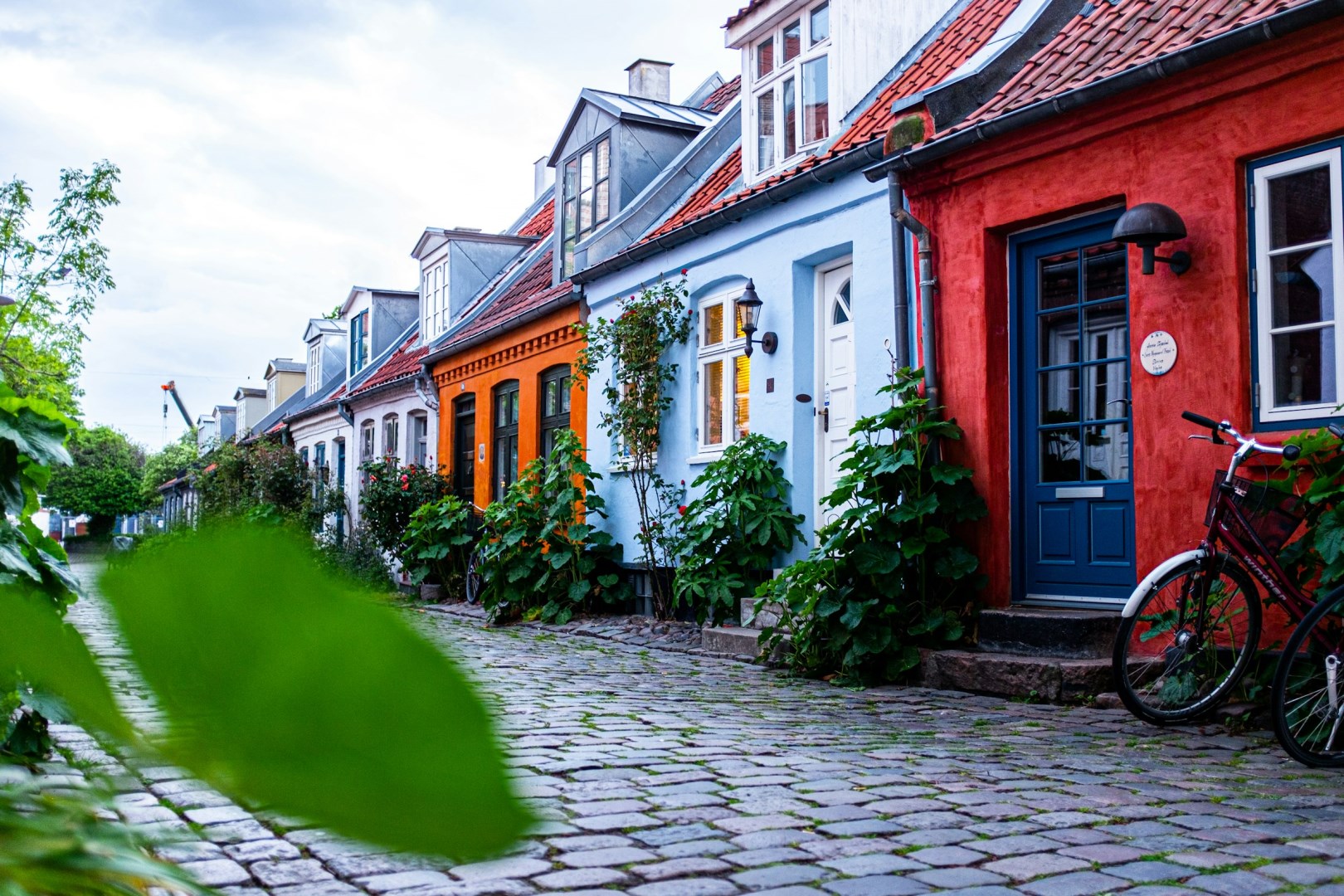
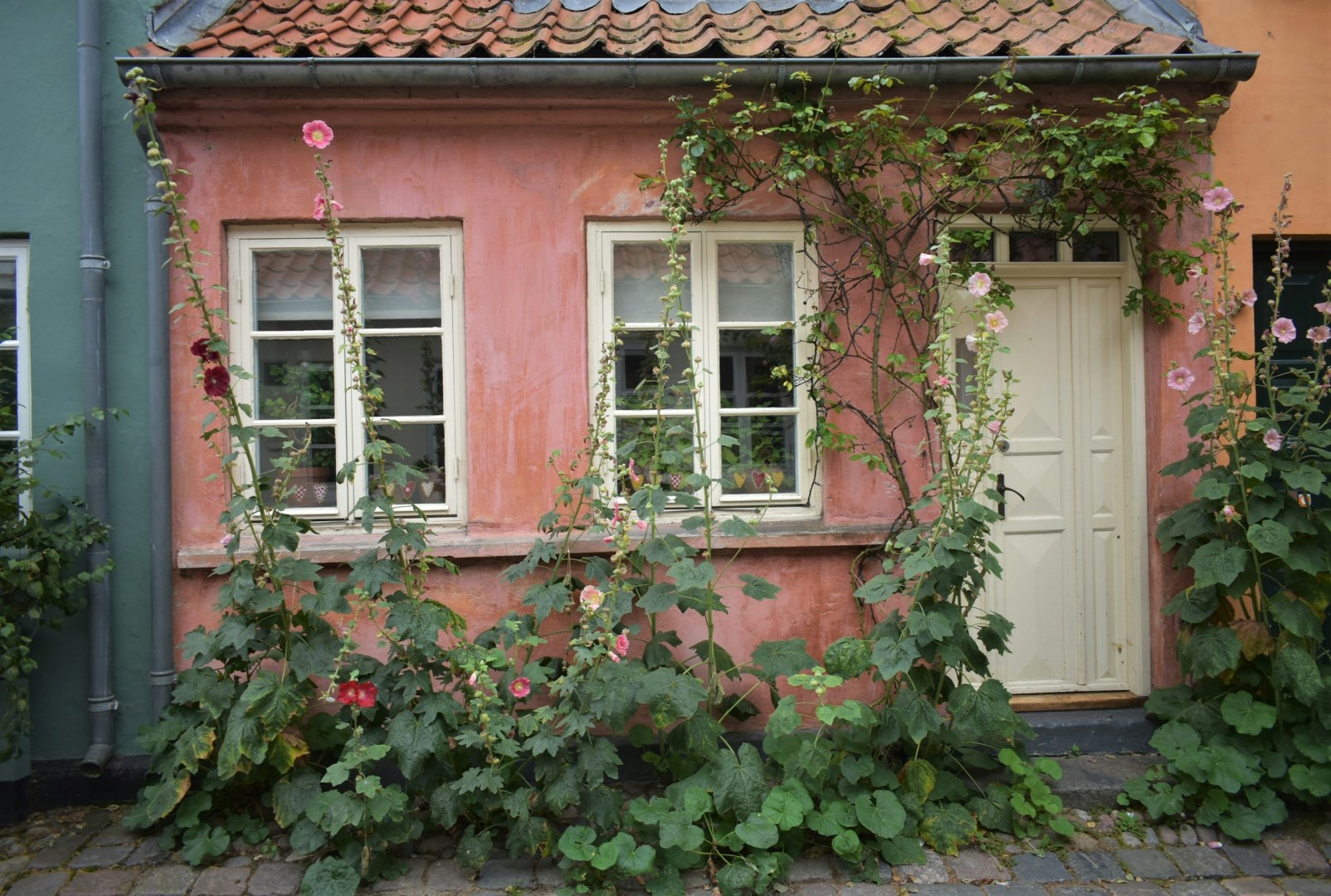
For a taste of local life, the bustling Latin Quarter offers charming cobblestone streets lined with eclectic boutiques, cozy cafes, and lively eateries. The area’s vibrant atmosphere and historic ambiance create an inviting setting for leisurely strolls and unique shopping experiences. Additionally, the Moesgaard Museum provides an immersive experience into Denmark's prehistoric past with its impressive collection of artifacts and engaging exhibits.
Fun fact: Aarhus was named the European Capital of Culture for 2017, a testament to its thriving cultural scene and innovative spirit. Whether you're interested in history, art, or simply enjoying a picturesque cityscape, Aarhus offers a memorable and enriching travel experience.