Monastir, a coastal gem in Tunisia, offers a perfect blend of history, culture, and sun-soaked relaxation. Overlooking the azure waters of the Mediterranean Sea, the city is famous for its majestic Ribat, a well-preserved Islamic fortress dating back to 796 AD. This imposing structure, used historically to defend against Byzantine and European invaders, offers visitors panoramic views of the coastline and the city below.
Amalfi, Italy, is a gem nestled along the world-famous Amalfi Coast, where dramatic cliffs meet the shimmering Mediterranean Sea. This enchanting town, once a powerful maritime republic, is now a beloved destination for those seeking a blend of history, culture, and breathtaking natural beauty. The heart of Amalfi is its bustling Piazza del Duomo, dominated by the stunning Amalfi Cathedral.
France offers far more than its capital city. While Paris draws millions each year, the country’s true richness lies in its variety, from Alpine villages to Atlantic coastlines, medieval towns to Mediterranean markets. In Normandy, visitors can walk along the D-Day beaches or explore the towering abbey of Mont-Saint-Michel, which becomes an island at high tide. Further inland, the Loire Valley is dotted with over 300 castles, many of which are open for tours and even overnight stays.
Explore Punta del Este, a popular resort town on the coast of southeastern Uruguay. A favorite summer destination for locals and tourists alike, Punta del Este offers spectacular beaches, delectable eats, fascinating museums, and truly luxurious resorts.
Heimaey, the largest island in Iceland’s Vestmannaeyjar archipelago, is a captivating destination renowned for its dramatic landscapes and volcanic history. A visit to Heimaey offers a unique blend of natural beauty and cultural heritage.
Photo Credit: Photo by Steffen Muldbjerg on Unsplash
ARoS Art Museum
Photo Credit: Photo by Julius Yls on Unsplash
Photo Credit: Photo by Steffen Muldbjerg on Unsplash
ARoS Aarhus Art Museum
Photo Credit: Photo by Matt Morelli on Unsplash
Photo Credit: Photo by Tomasz Anusiewicz on Unsplash
Photo Credit: Photo by Stephan Mahlke on Unsplash
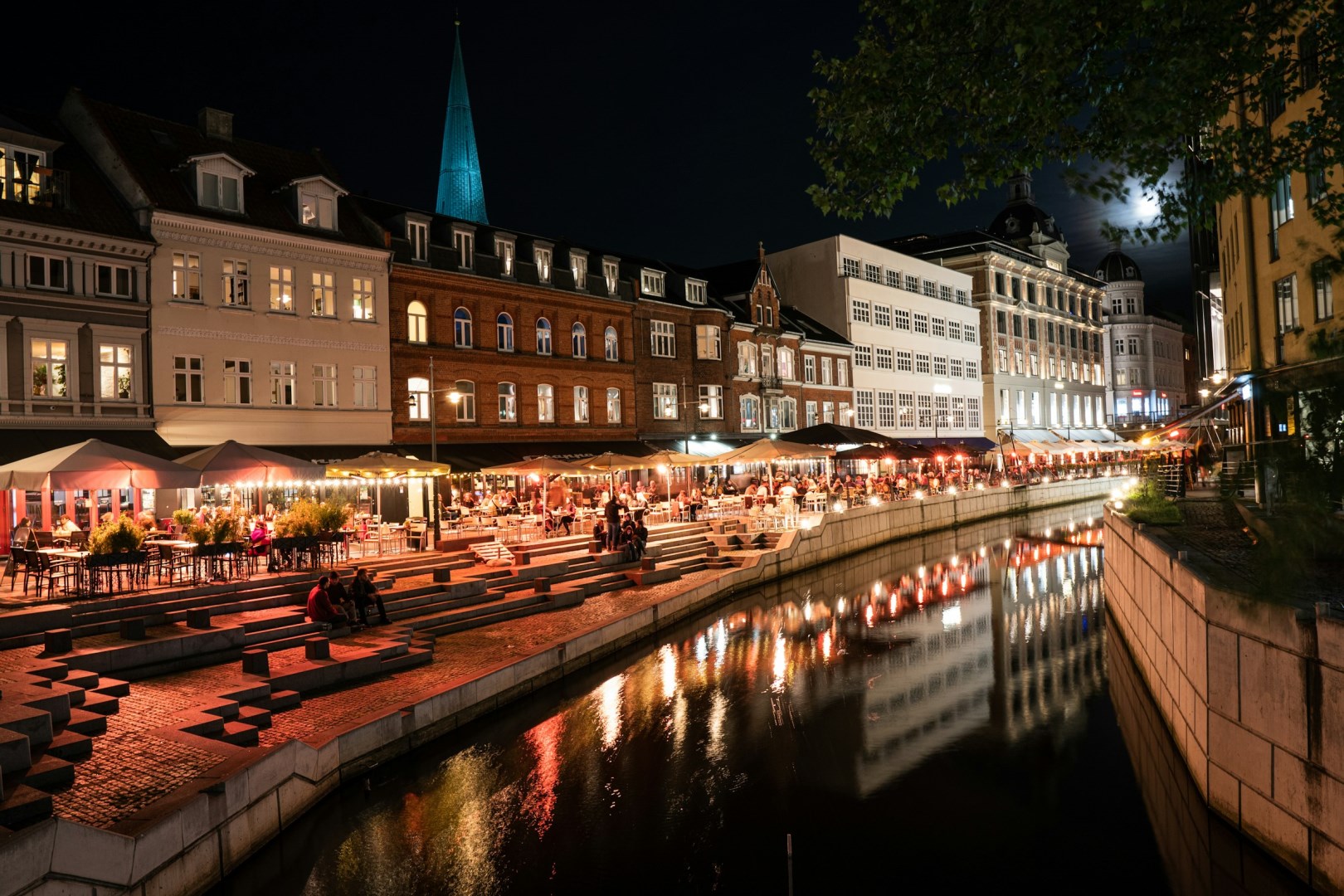
Aarhus, Denmark's second-largest city, offers a captivating blend of historical charm and modern vibrancy. Founded in the 8th century, Aarhus boasts a rich history that visitors can explore at the Old Town Museum, an open-air museum that recreates Danish life through the ages with its historical buildings and interactive exhibits. The city's medieval roots are also visible in the well-preserved Aarhus Cathedral - the longest cathedral in Denmark, a stunning example of Gothic architecture dating back to the 12th century.
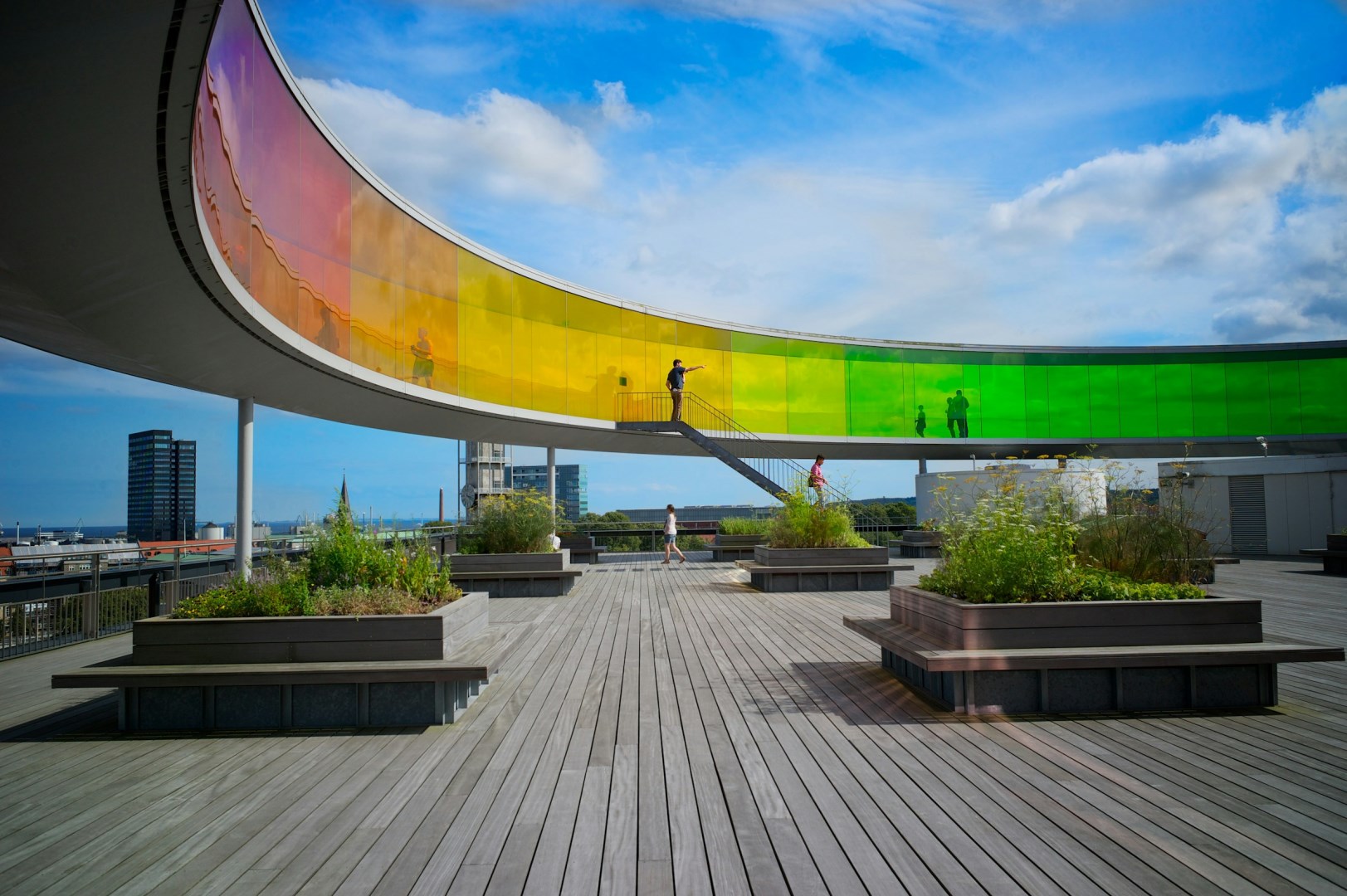
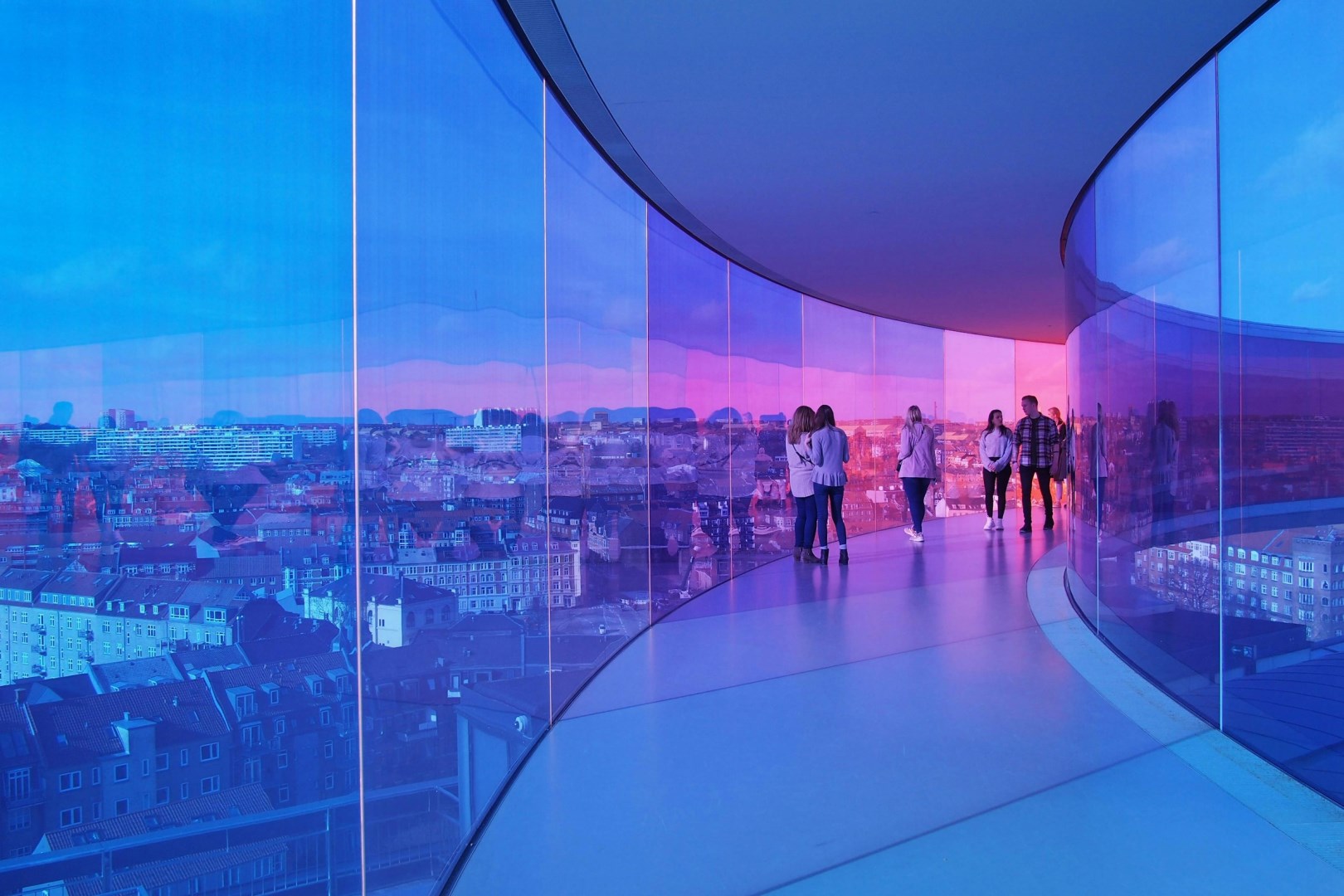
The cityscape of Aarhus is a delightful contrast of old and new. The ARoS Aarhus Art Museum stands out with its striking rooftop installation, "Your Rainbow Panorama," offering a 360-degree view of the city through colorful glass. Nearby, the Dokk1 library and cultural center exemplifies modern design and serves as a vibrant hub for cultural activities and community events. Aarhus’s commitment to culture and innovation makes it a dynamic destination for art lovers and architecture enthusiasts.
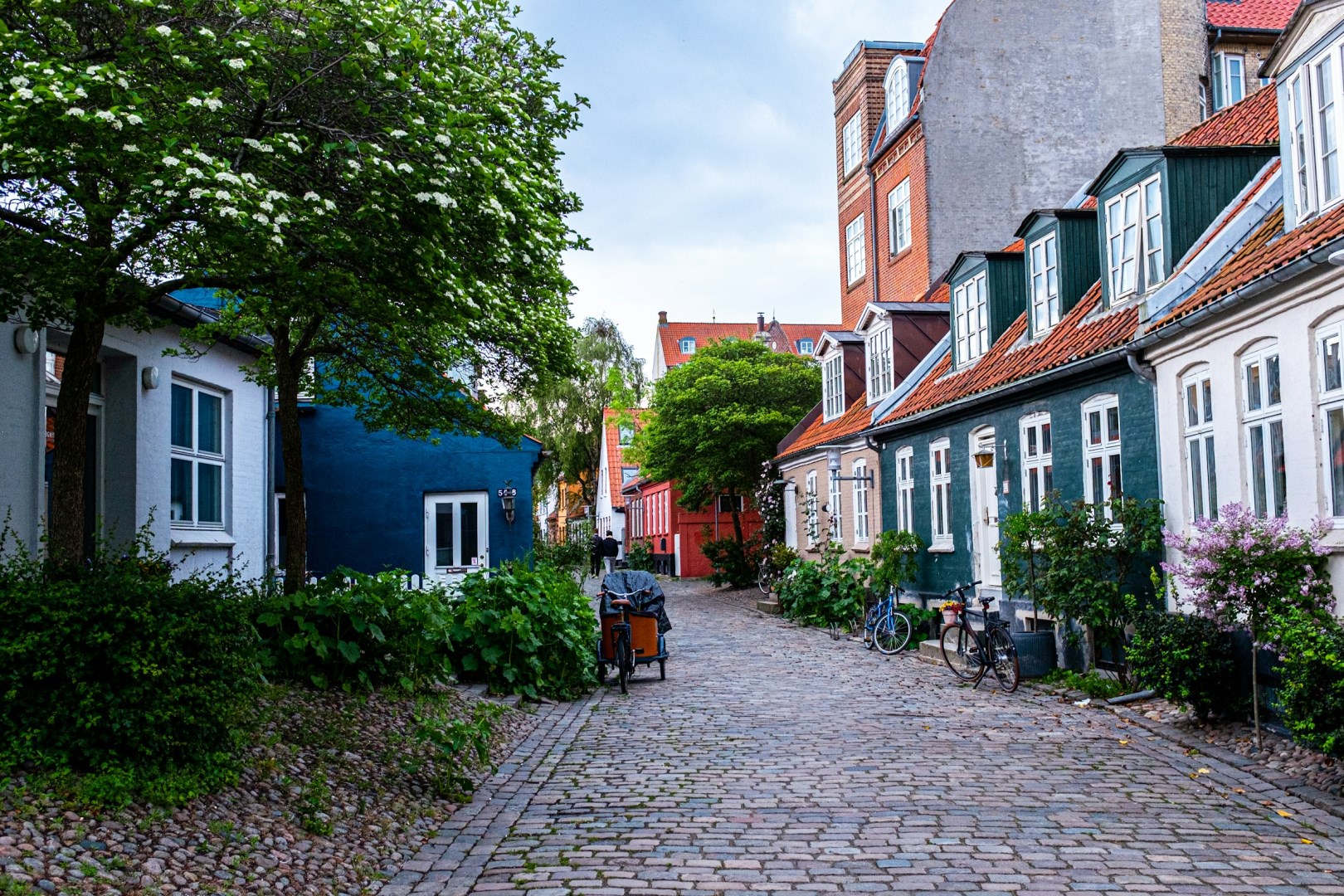
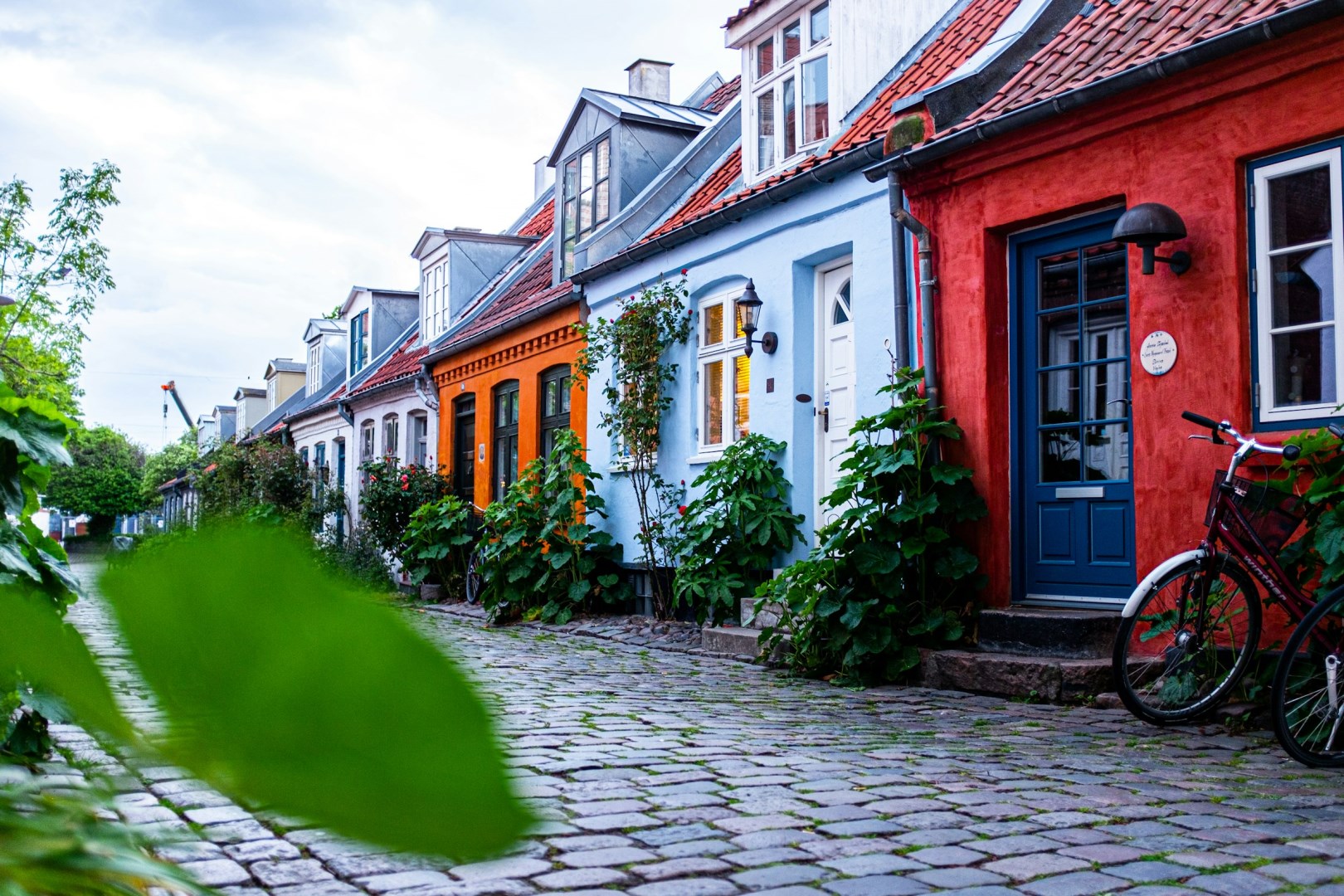
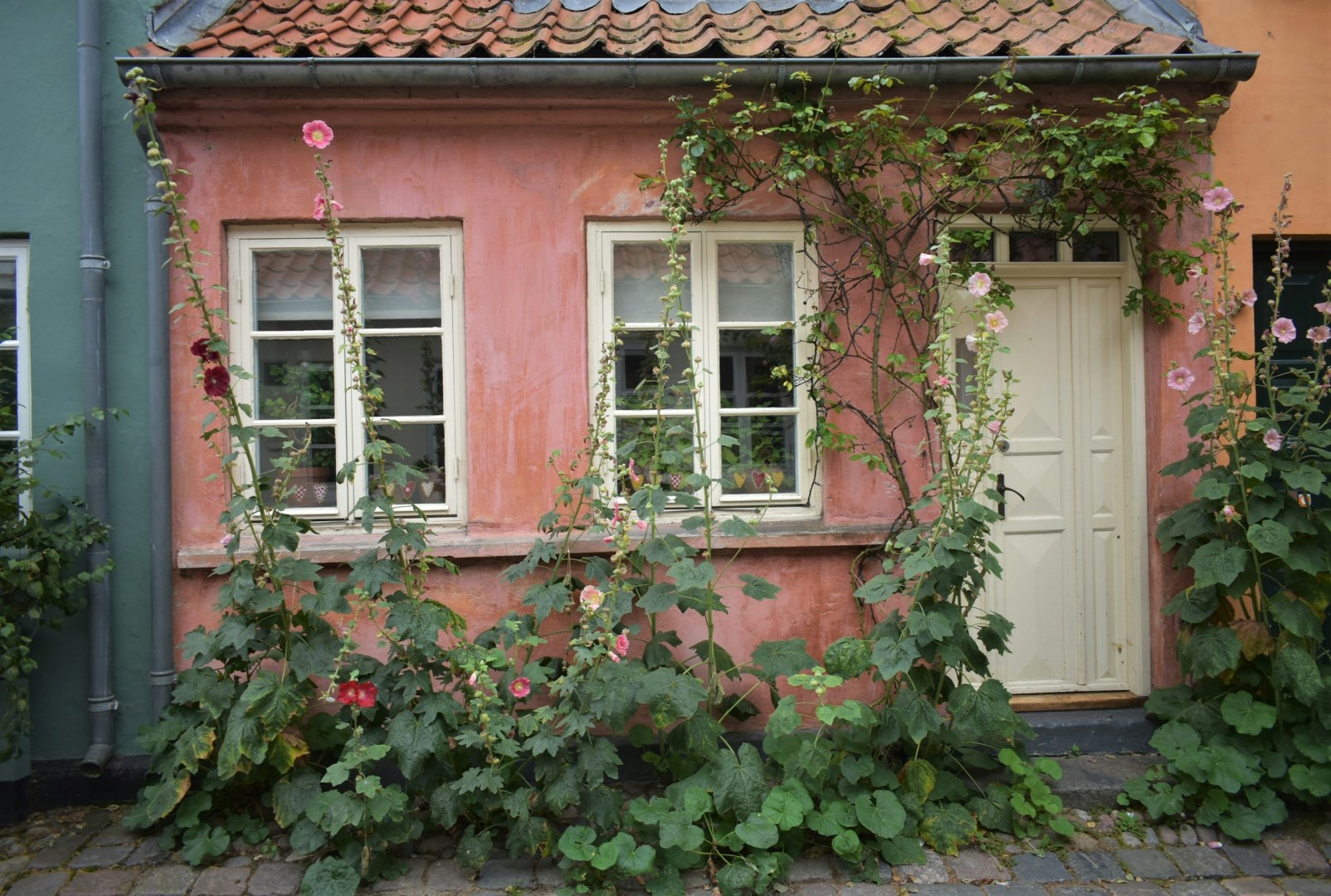
For a taste of local life, the bustling Latin Quarter offers charming cobblestone streets lined with eclectic boutiques, cozy cafes, and lively eateries. The area’s vibrant atmosphere and historic ambiance create an inviting setting for leisurely strolls and unique shopping experiences. Additionally, the Moesgaard Museum provides an immersive experience into Denmark's prehistoric past with its impressive collection of artifacts and engaging exhibits.
Fun fact: Aarhus was named the European Capital of Culture for 2017, a testament to its thriving cultural scene and innovative spirit. Whether you're interested in history, art, or simply enjoying a picturesque cityscape, Aarhus offers a memorable and enriching travel experience.