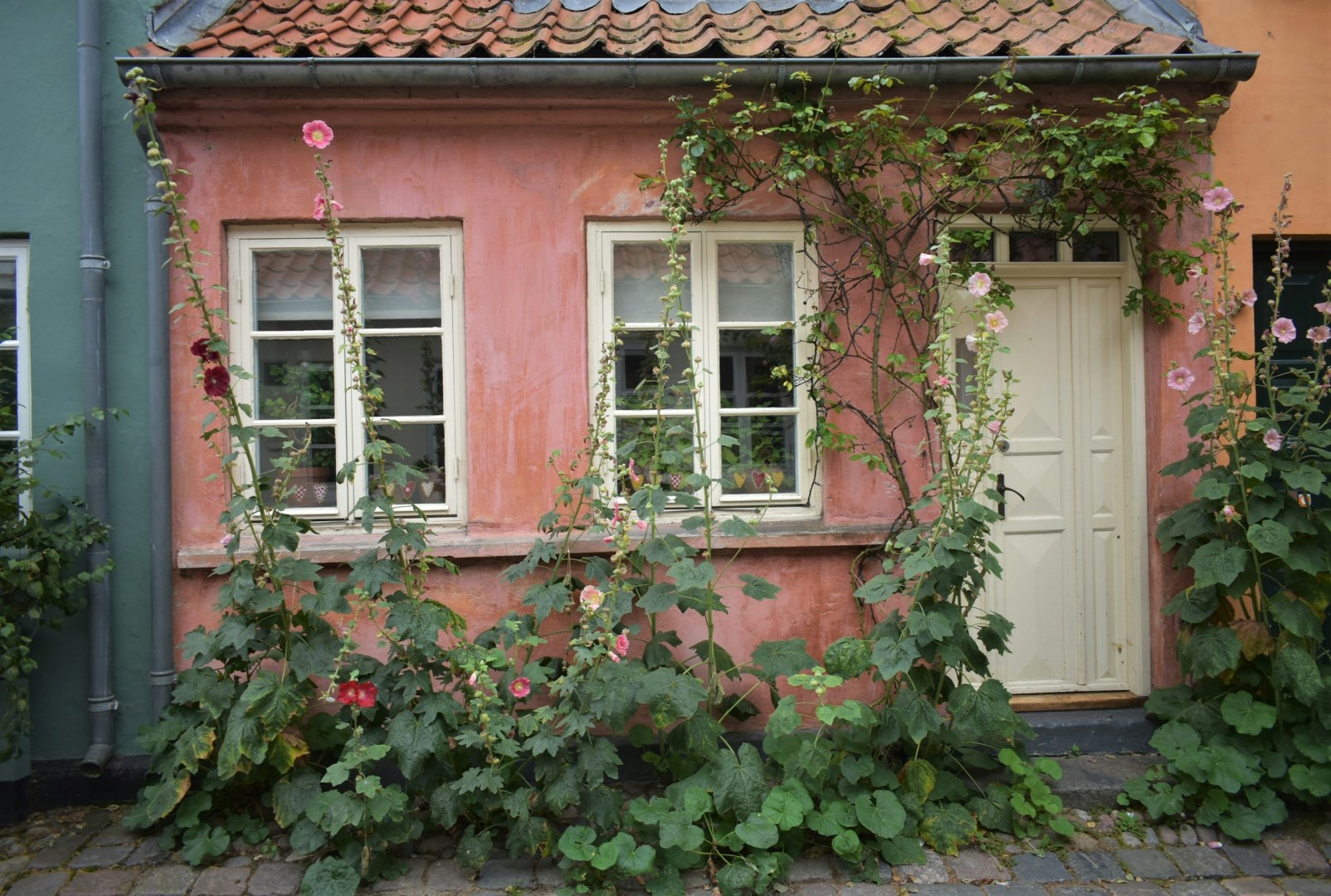
Gotland, Sweden’s largest island, sits in the Baltic Sea and feels like a world of its own. Its main town, Visby, is a UNESCO World Heritage site and one of the best-preserved medieval towns in Northern Europe. Surrounded by a 3.5-kilometer stone wall with original towers still intact, Visby once served as a key Hanseatic trading hub. Visitors can walk along cobbled streets lined with rose-covered cottages, explore Gothic church ruins, and climb up the city wall for views over the harbor.
Mesa Verde National Park, nestled in the southwestern corner of Colorado, offers an extraordinary journey into the ancient past of the Ancestral Puebloans. This UNESCO World Heritage Site is renowned for its remarkably well-preserved cliff dwellings, built into the sheer rock faces of the canyon walls.
The ancient region of Cappadocia lies in Central Anatolia, between the cities of Nevsehir, Kayseri and Nigde. Here, the traveler finds one of the most fantastic landscapes in the world. Wind and weather have eroded the soft volcanic rock with hundreds of strangely shaped pillars, cones and "fairy chimneys", often very tall, and in every shade from pink through yellow to russet browns.
Kirkenes sits at the far northeastern edge of Norway, just a few kilometers from the Russian border and not far from Finland. This Arctic town offers travelers a perspective they won’t find anywhere else in the country. With street signs in both Norwegian and Russian, and a local history shaped by war, trade, and shifting borders, Kirkenes has long stood at the crossroads of cultures.
Marrakesh, a vibrant jewel in the heart of Morocco, is a city where ancient traditions blend seamlessly with modern allure. Known as the "Red City" for its rose-hued buildings and walls, Marrakesh offers a sensory experience unlike any other. The city’s medina, a UNESCO World Heritage Site, is a labyrinth of narrow alleyways, bustling souks, and hidden courtyards.
Photo Credit: Photo by Steffen Muldbjerg on Unsplash
ARoS Art Museum
Photo Credit: Photo by Julius Yls on Unsplash
Photo Credit: Photo by Steffen Muldbjerg on Unsplash
ARoS Aarhus Art Museum
Photo Credit: Photo by Matt Morelli on Unsplash
Photo Credit: Photo by Tomasz Anusiewicz on Unsplash
Photo Credit: Photo by Stephan Mahlke on Unsplash
Aarhus, Denmark's second-largest city, offers a captivating blend of historical charm and modern vibrancy. Founded in the 8th century, Aarhus boasts a rich history that visitors can explore at the Old Town Museum, an open-air museum that recreates Danish life through the ages with its historical buildings and interactive exhibits. The city's medieval roots are also visible in the well-preserved Aarhus Cathedral - the longest cathedral in Denmark, a stunning example of Gothic architecture dating back to the 12th century.
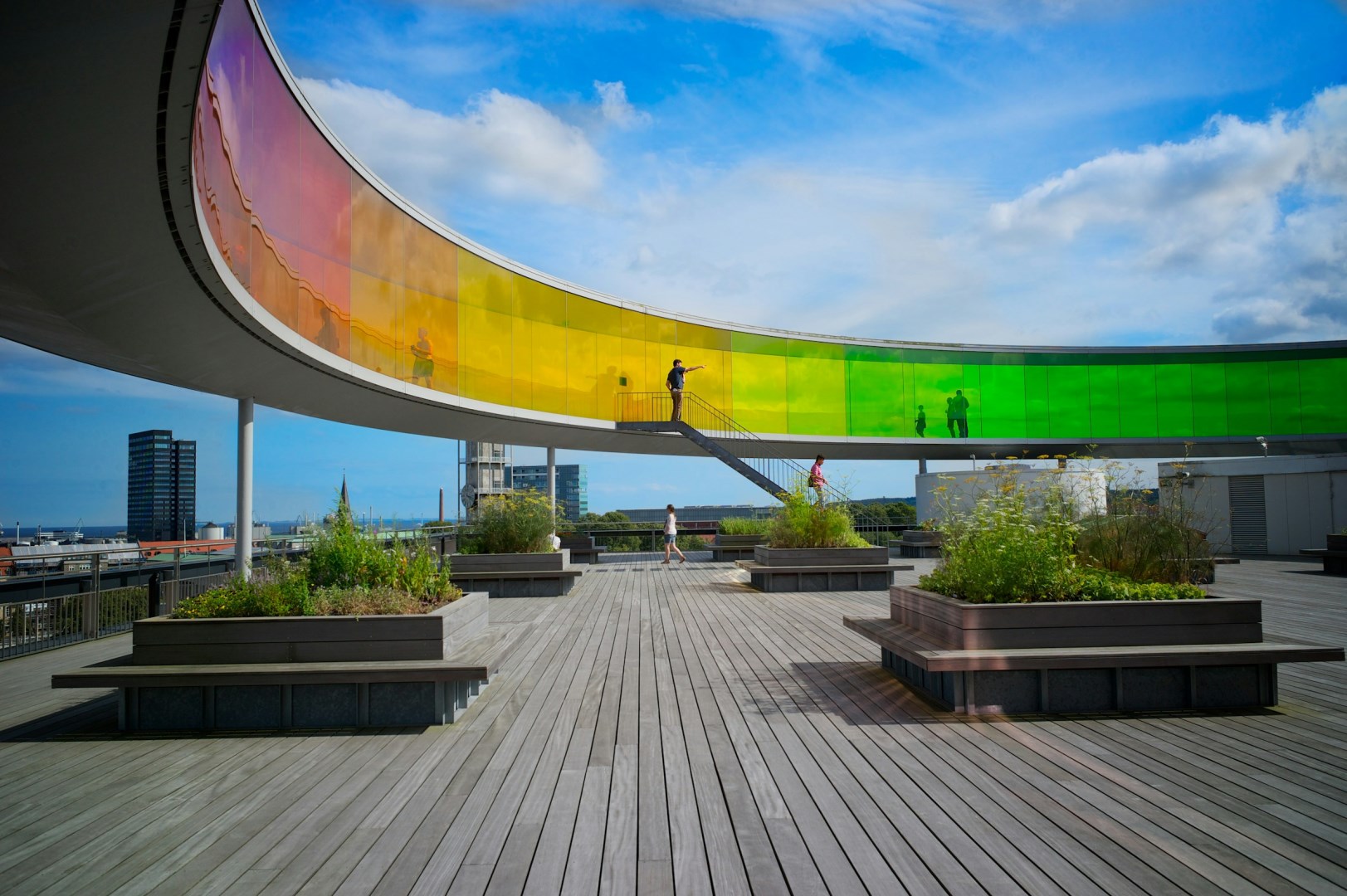
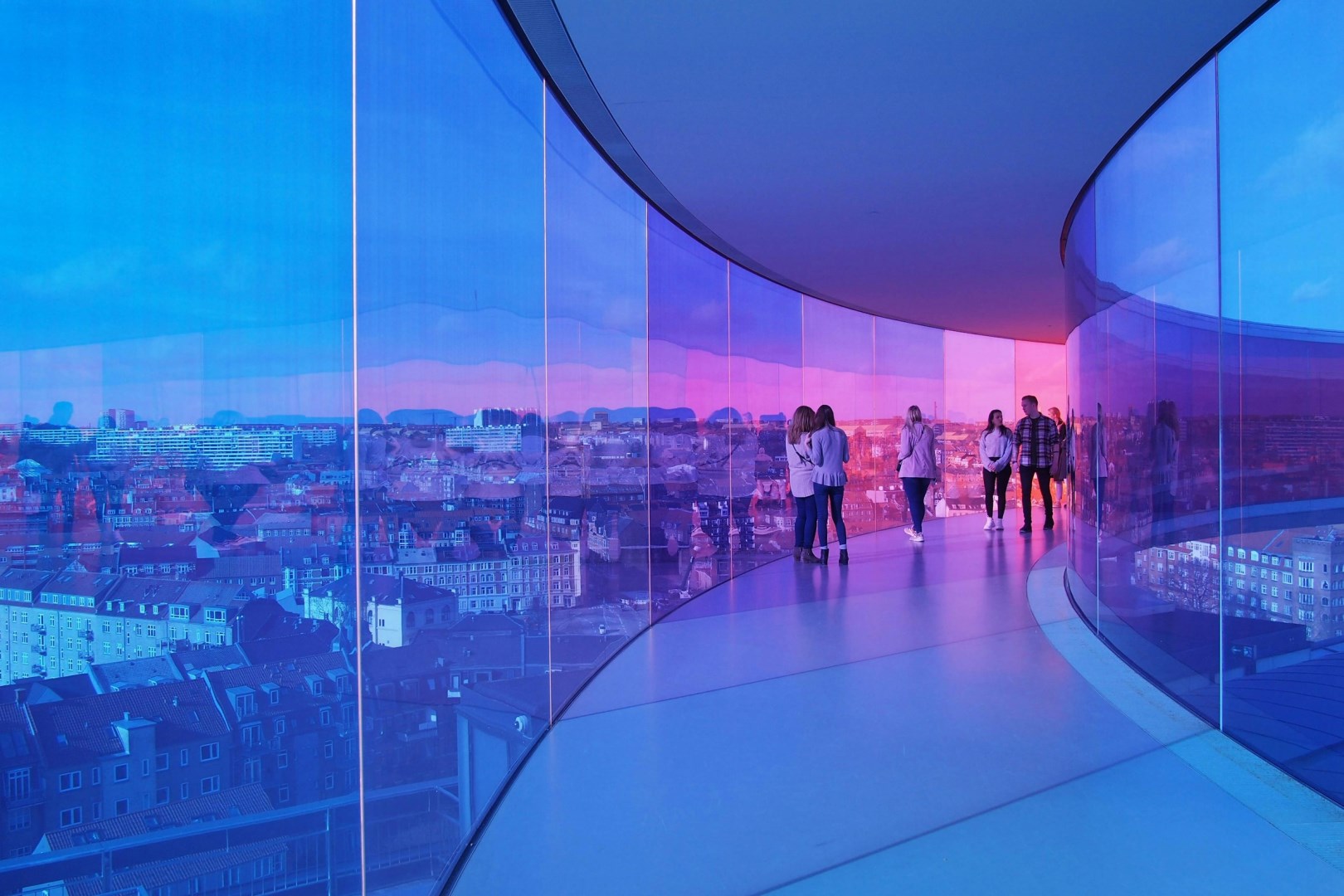
The cityscape of Aarhus is a delightful contrast of old and new. The ARoS Aarhus Art Museum stands out with its striking rooftop installation, "Your Rainbow Panorama," offering a 360-degree view of the city through colorful glass. Nearby, the Dokk1 library and cultural center exemplifies modern design and serves as a vibrant hub for cultural activities and community events. Aarhus’s commitment to culture and innovation makes it a dynamic destination for art lovers and architecture enthusiasts.
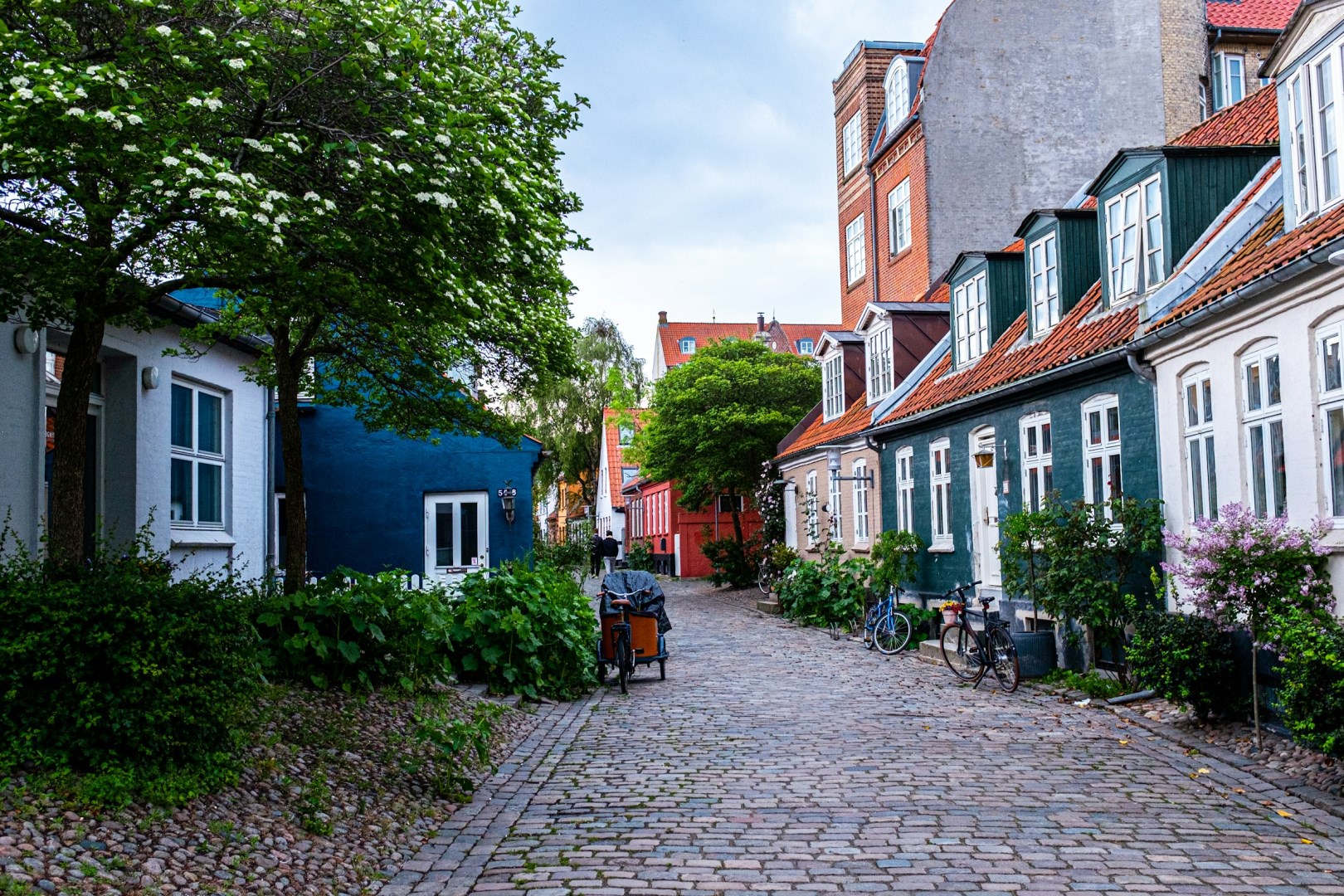
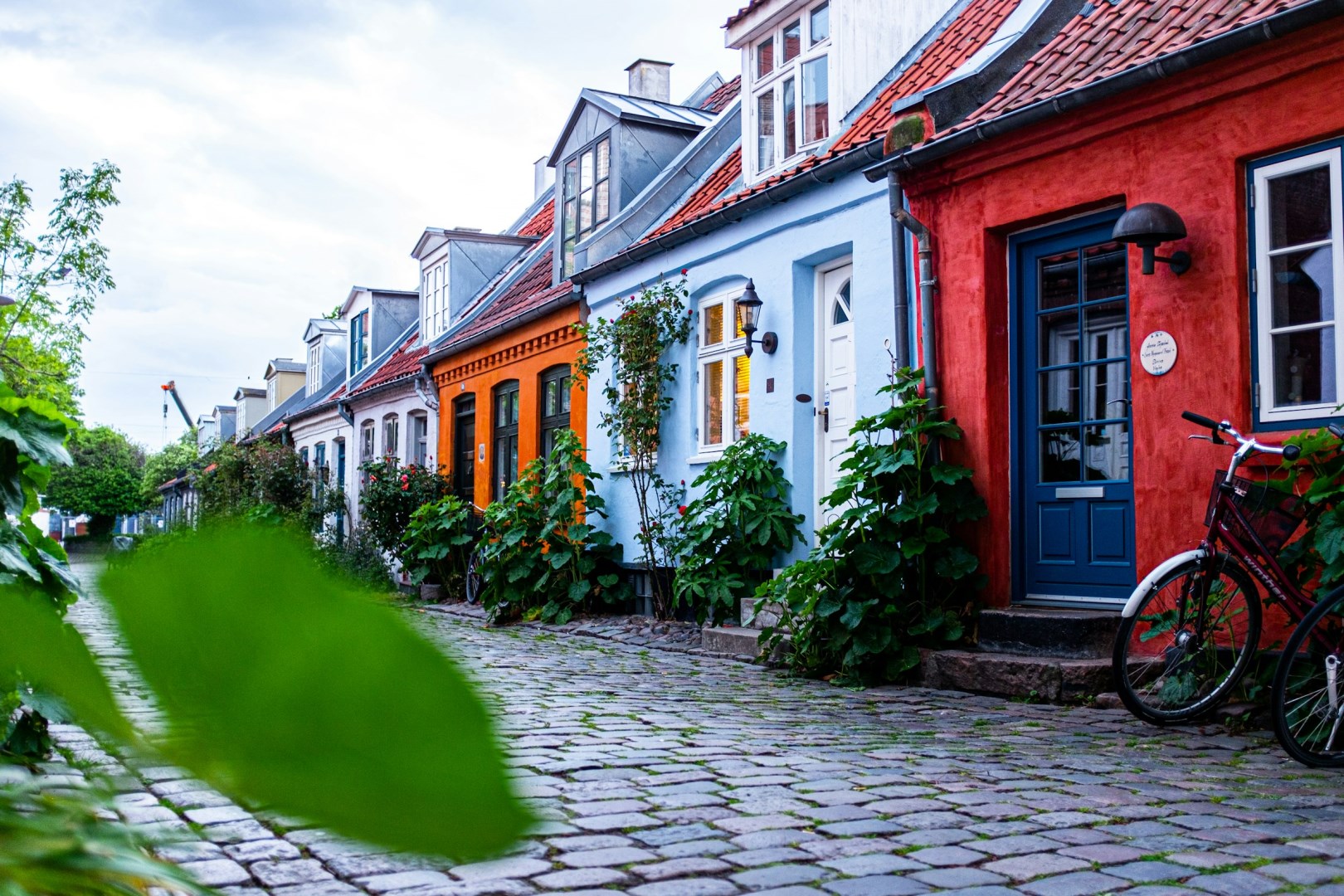
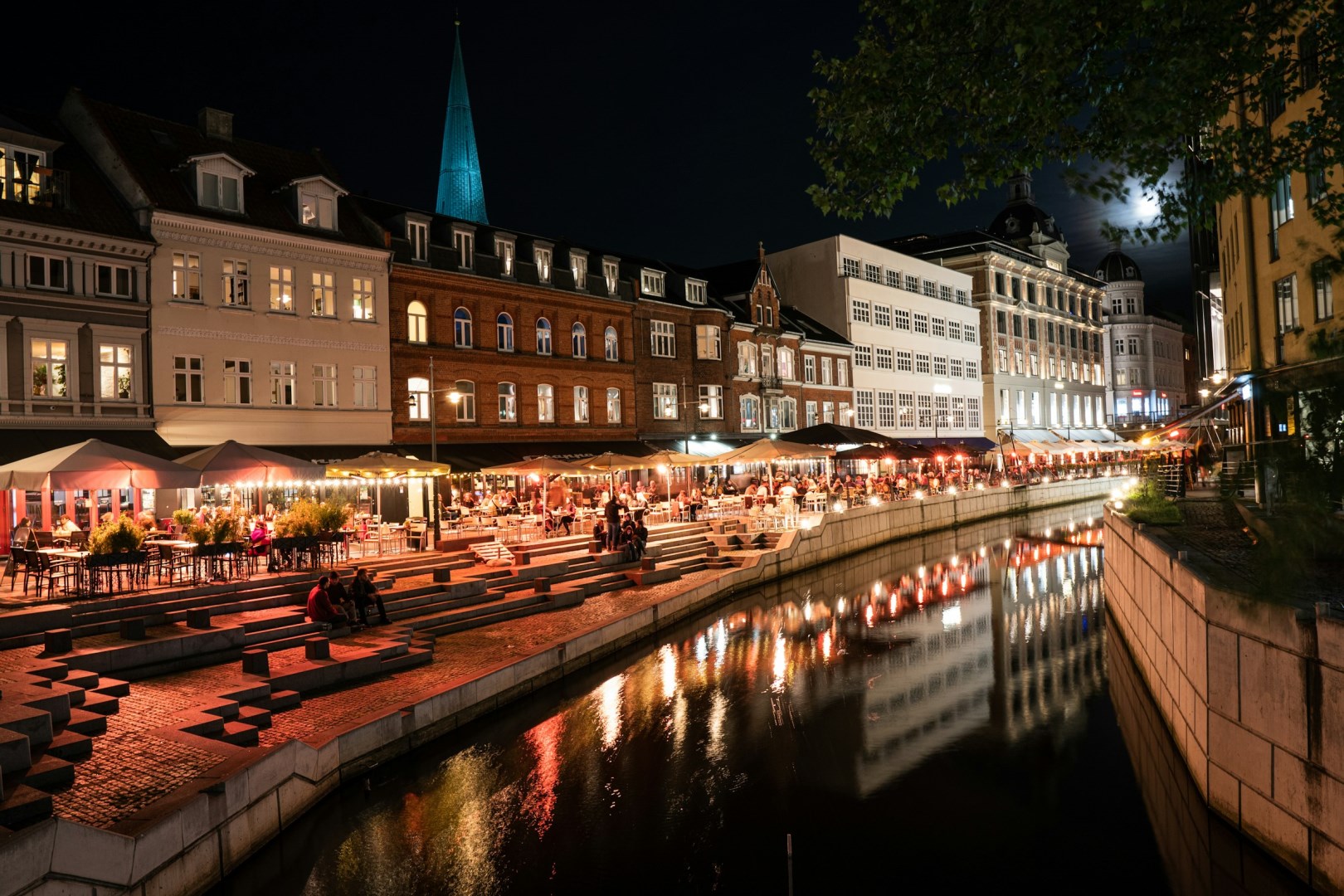
For a taste of local life, the bustling Latin Quarter offers charming cobblestone streets lined with eclectic boutiques, cozy cafes, and lively eateries. The area’s vibrant atmosphere and historic ambiance create an inviting setting for leisurely strolls and unique shopping experiences. Additionally, the Moesgaard Museum provides an immersive experience into Denmark's prehistoric past with its impressive collection of artifacts and engaging exhibits.
Fun fact: Aarhus was named the European Capital of Culture for 2017, a testament to its thriving cultural scene and innovative spirit. Whether you're interested in history, art, or simply enjoying a picturesque cityscape, Aarhus offers a memorable and enriching travel experience.