Kingston is Jamaica’s capital and largest city, occupying a broad coastal plain beneath the Blue Mountains and beside one of the Caribbean’s largest natural harbours. It is the country’s main center for government, business, education, music, art, and food, with neighborhoods ranging from historic downtown streets to the commercial districts of New Kingston and the hillside communities above the city.
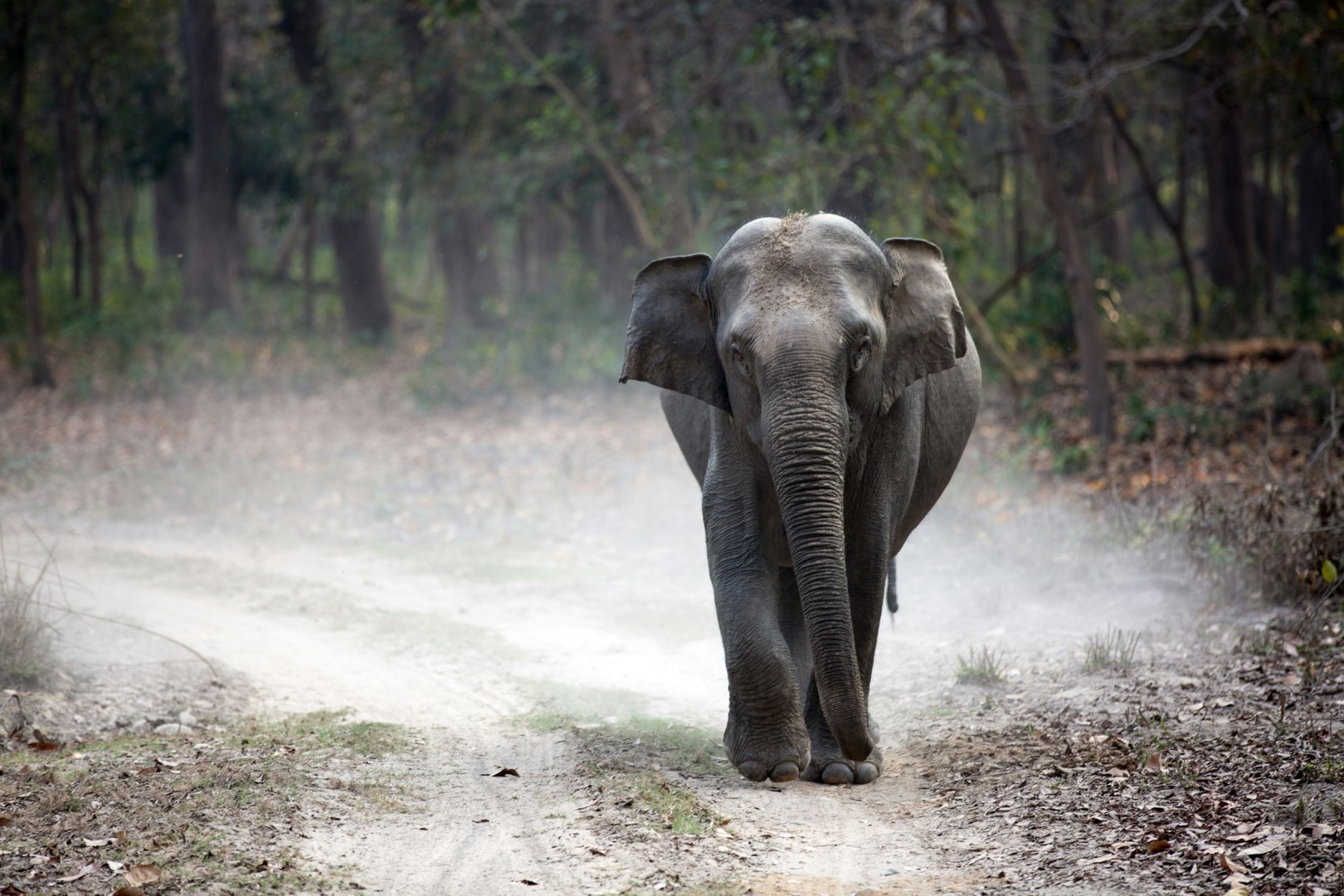
Jim Corbett National Park lies in the Himalayan foothills of Uttarakhand and forms the core of the wider Corbett Tiger Reserve. It is recognized as India’s first national park and is closely associated with the conservation of the Bengal tiger. The landscape combines sal forests, riverine grasslands, wooded hills, and wetlands, creating habitats for a wide range of wildlife. The reserve covers more than 1,280 square kilometres, while the national park itself occupies a smaller core area. Ramnaga
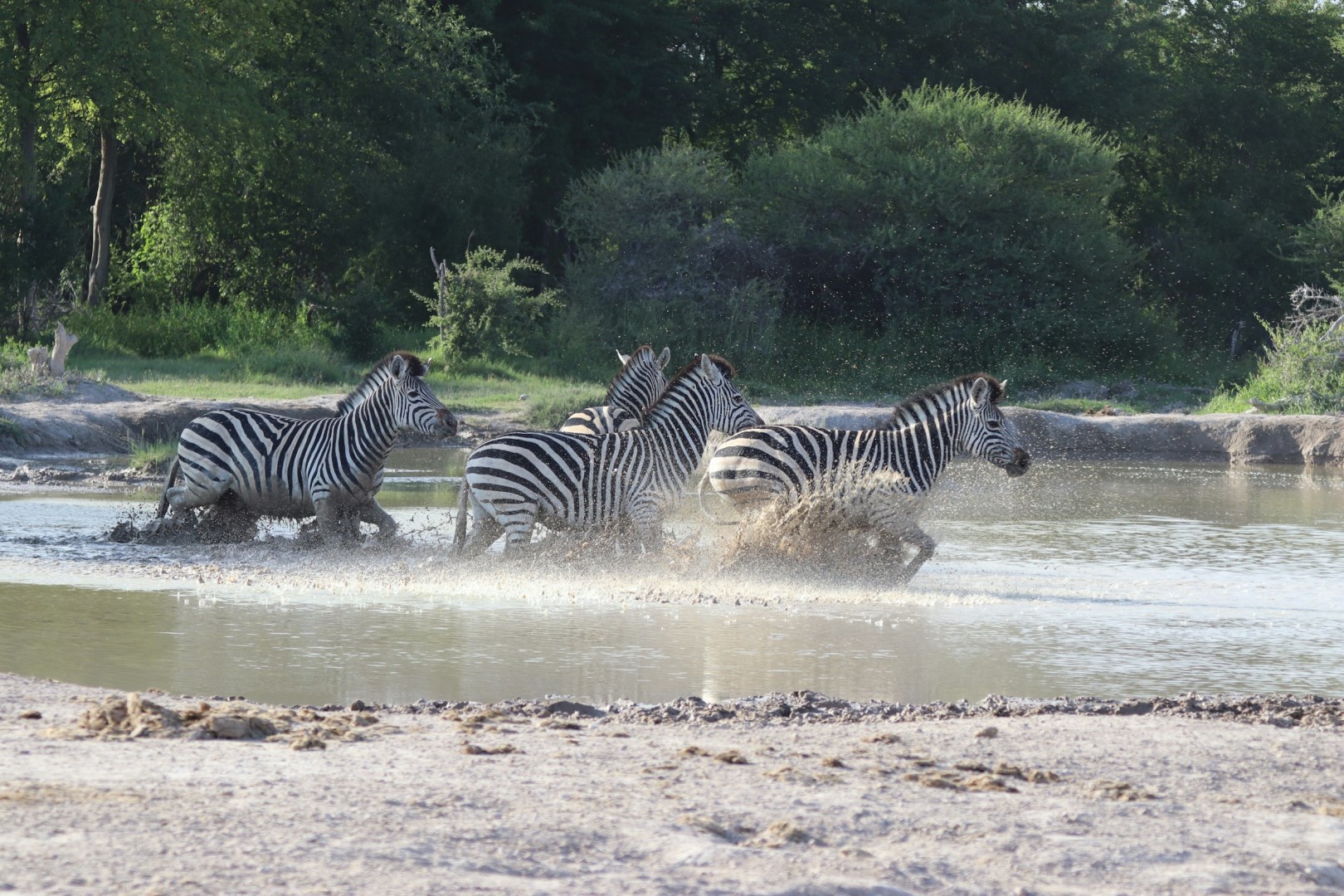
Nxai Pan National Park lies in northern Botswana as part of the wider Makgadikgadi pans landscape, covering about 2,100 square kilometers of grass-covered pans, acacia woodland, and open plains. The park occupies former salt lakes within the ancient Makgadikgadi basin, and its character changes significantly with rainfall.

Bad Aibling is located in the charming landscape of the Mangfall valley, an hours drive southeast of Munich. Its open, partly elevated position gives wonderful views of the nearby chain of the Tolzer Alps, across the Inn valley, with the Kaisergebirge in the Tyrol, all the way to the Salzburger Alps. All the popular destinations for excursions in Upper Bavaria and Austria, the wide variety of artistic treasures, the Herrenchiemsee palace and the countless jewels of the Bavarian Baroque in the su
Photo Credit: Photo by Joshua Fernandez on Unsplash
Photo Credit: Photo by Oskar Kadaksoo on Unsplash
Photo Credit: Photo by ダモ リ on Unsplash
Photo Credit: Photo by Joshua Fernandez on Unsplash
Photo Credit: Photo by Zhu Edward on Unsplash
Photo Credit: Photo by Zean Wu on Unsplash
Photo Credit: Photo by LINLI XU on Unsplash
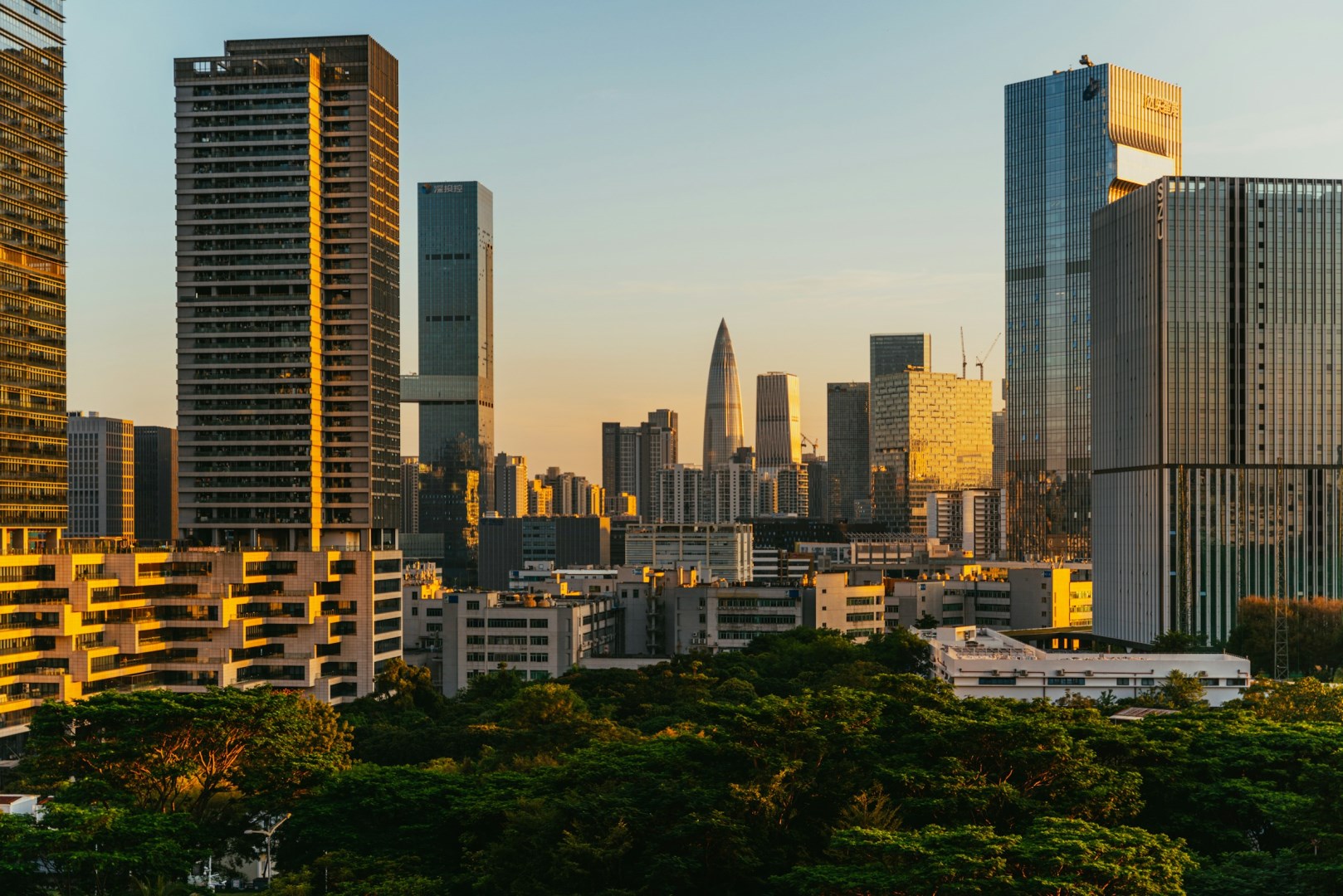
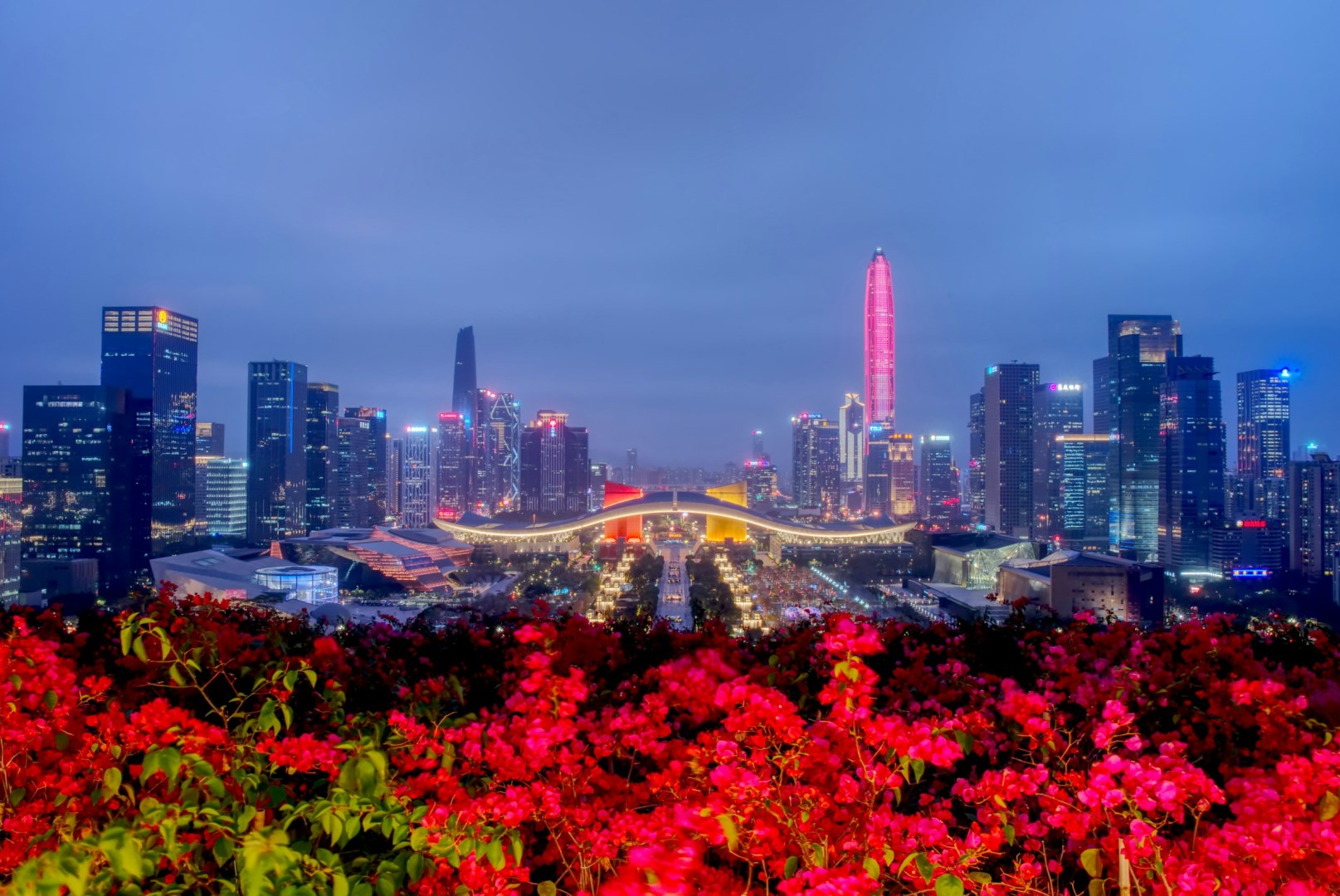
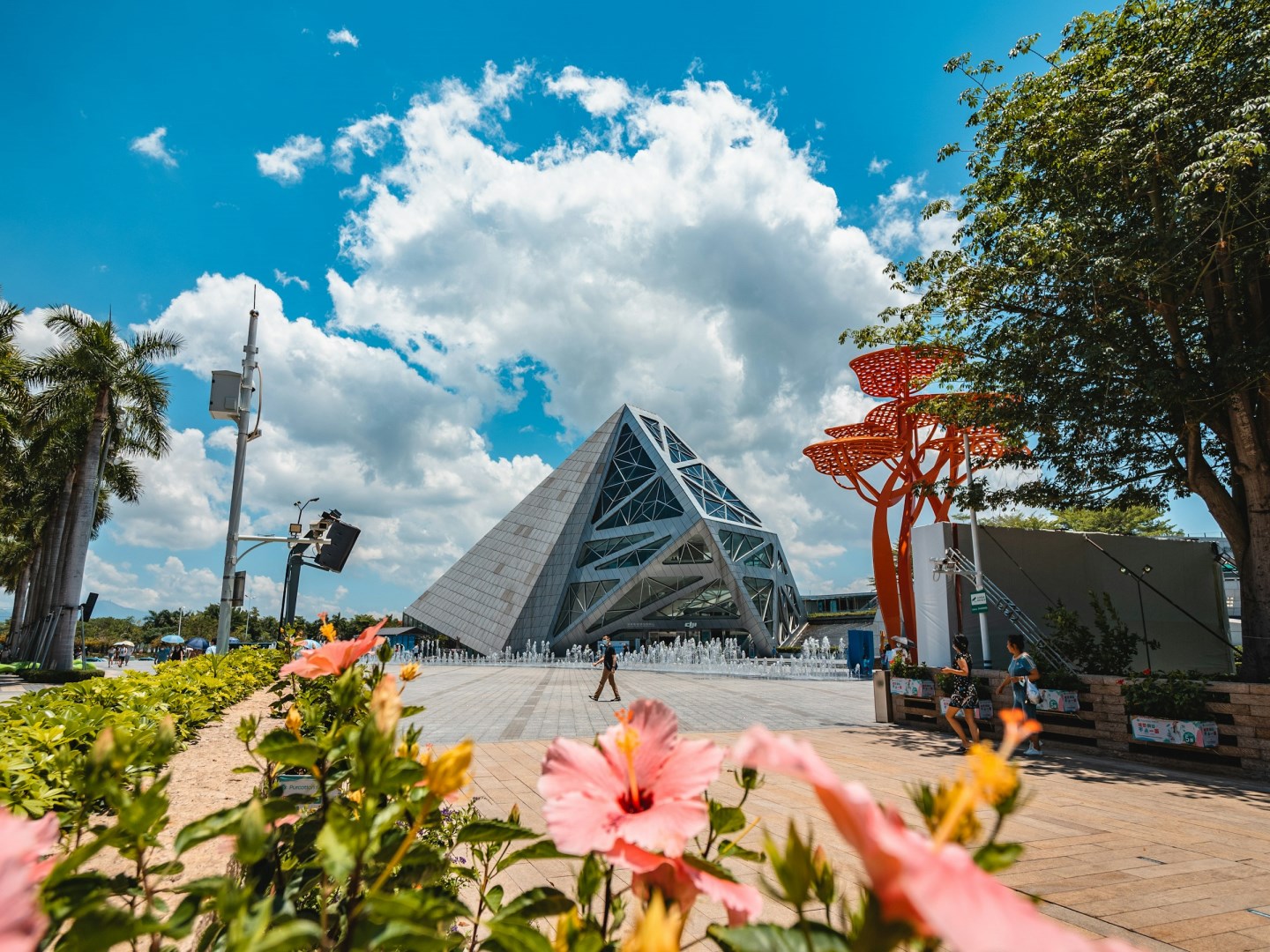
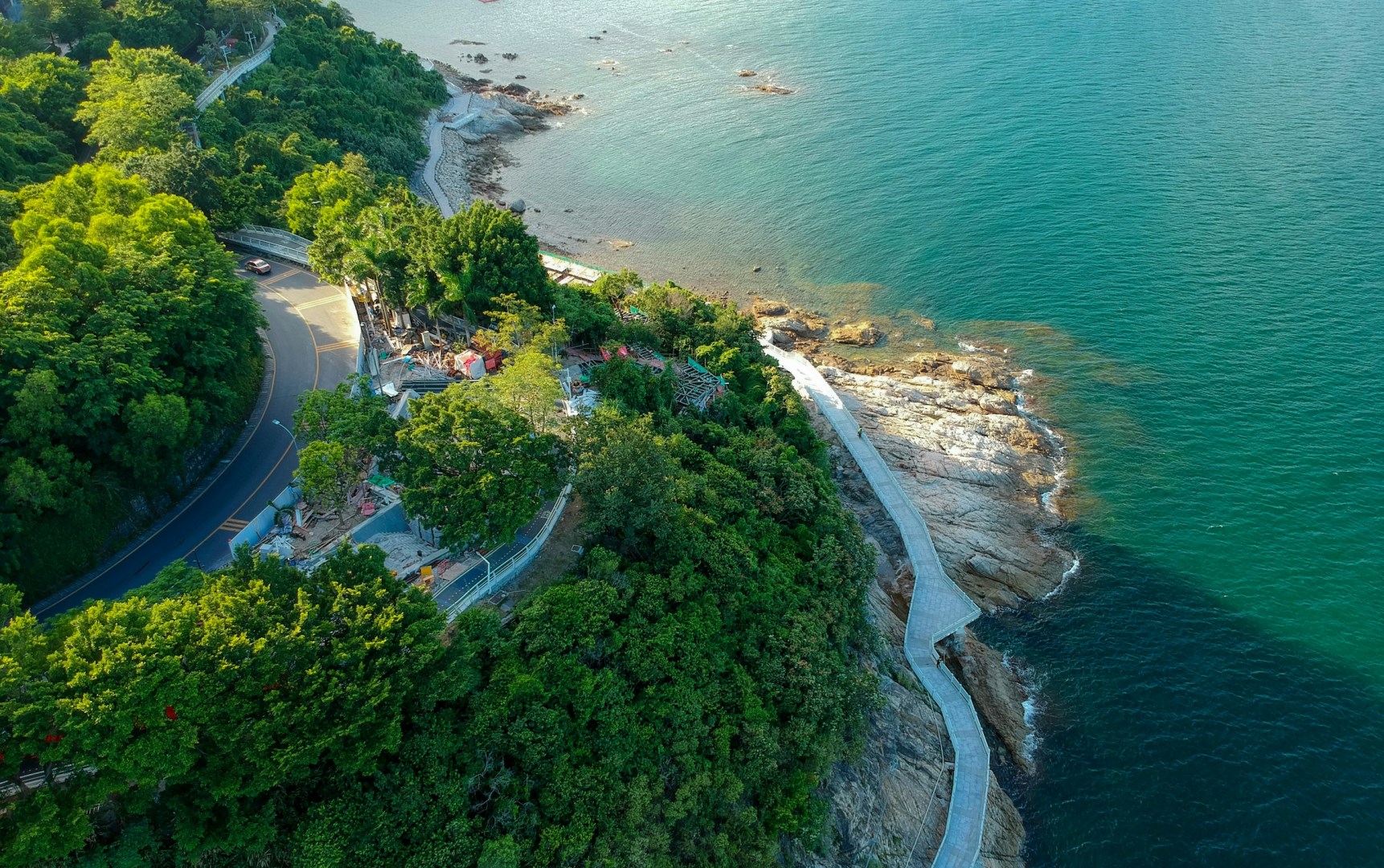
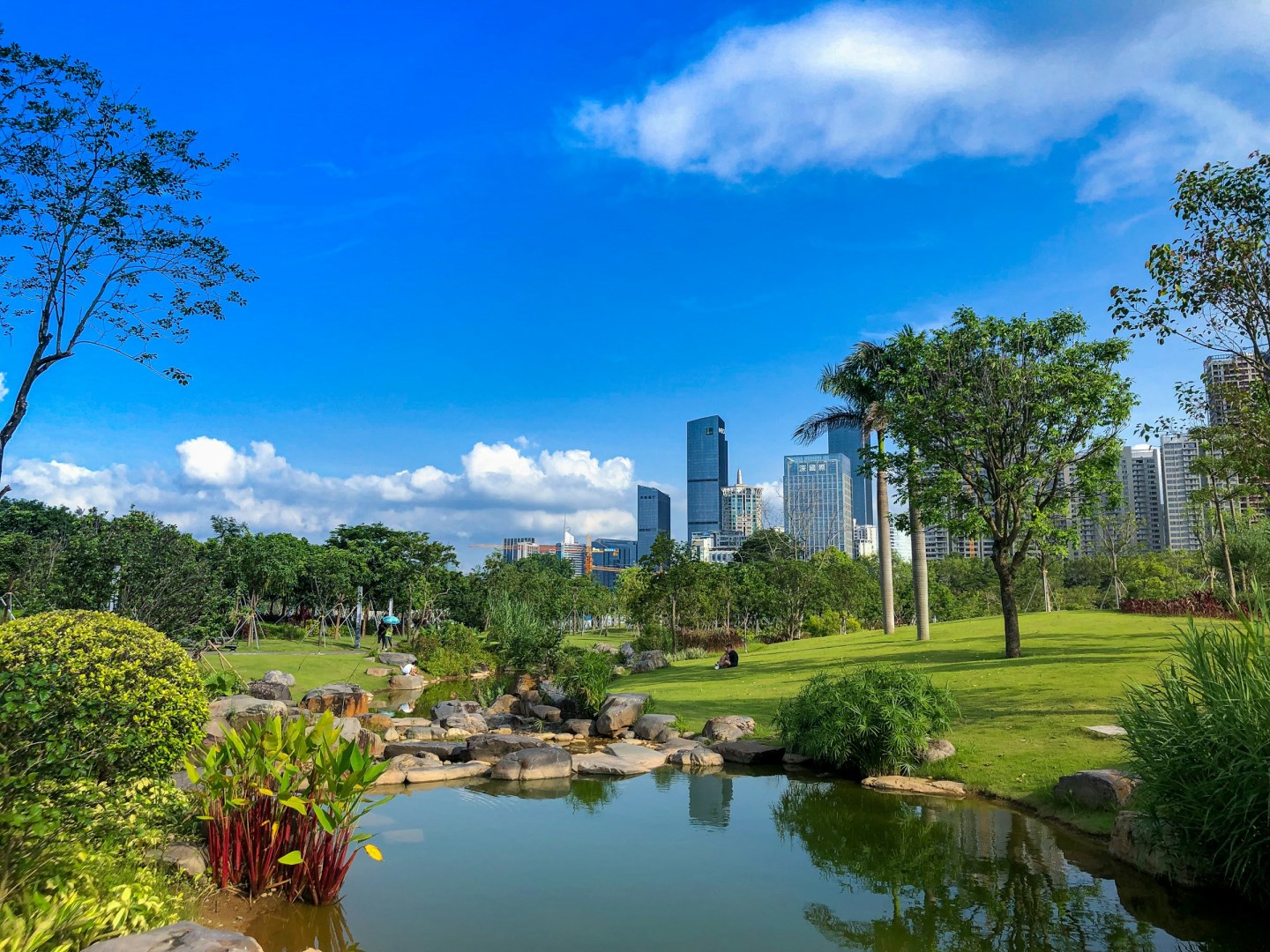
Shenzhen, a dynamic metropolis in southern China, offers a unique blend of modernity and innovation. As a global technology hub, the city is renowned for its sleek skyscrapers and cutting-edge infrastructure. A visit to the Shenzhen Civic Center showcases the city's ambitious architecture, with its impressive glass buildings and futuristic design. The Shenzhen Museum, located nearby, provides a deep dive into the city's rapid development from a fishing village to a high-tech powerhouse.
For a taste of Shenzhen’s cultural diversity, head to the vibrant Huaqiangbei district, often referred to as the "Silicon Valley of China." This bustling area is a treasure trove of electronics and gadgets, making it a must-visit for tech enthusiasts and shoppers alike. Additionally, the Shenzhen Bay Park offers stunning waterfront views and is an ideal spot for relaxation and leisurely strolls. Here, you can enjoy a serene escape with panoramic views of the city’s skyline and the bay.
Culinary experiences in Shenzhen are just as enticing. The city boasts a rich culinary scene, influenced by Cantonese cuisine and international flavors. Don't miss the chance to explore the various street food markets, where you can sample local delicacies such as dim sum and freshly made seafood. For a more refined dining experience, the city is home to several high-end restaurants offering exquisite dishes from around the world.
Other Popular Destinations in China
Beijing
Beijing, the capital of China, is a city where history and modern life intersect on a grand scale. Ancient landmarks like the Forbidden City, Tiananmen Square, and the Temple of Heaven reflect centuries of imperial heritage, while the Great Wall lies just outside the city, offering views of one of the most famous engineering feats in the world.
Shanghai
Shanghai is a city where contrasting timelines meet at every corner. Once a small fishing village along the Huangpu River, it grew rapidly during the 19th century into a major trading port. Today, its skyline tells a story of that transformation. On one side, the Bund’s colonial-era buildings stand tall in limestone and granite; on the other, the futuristic towers of Pudong, like the Shanghai Tower and Jin Mao, stretch into the clouds.