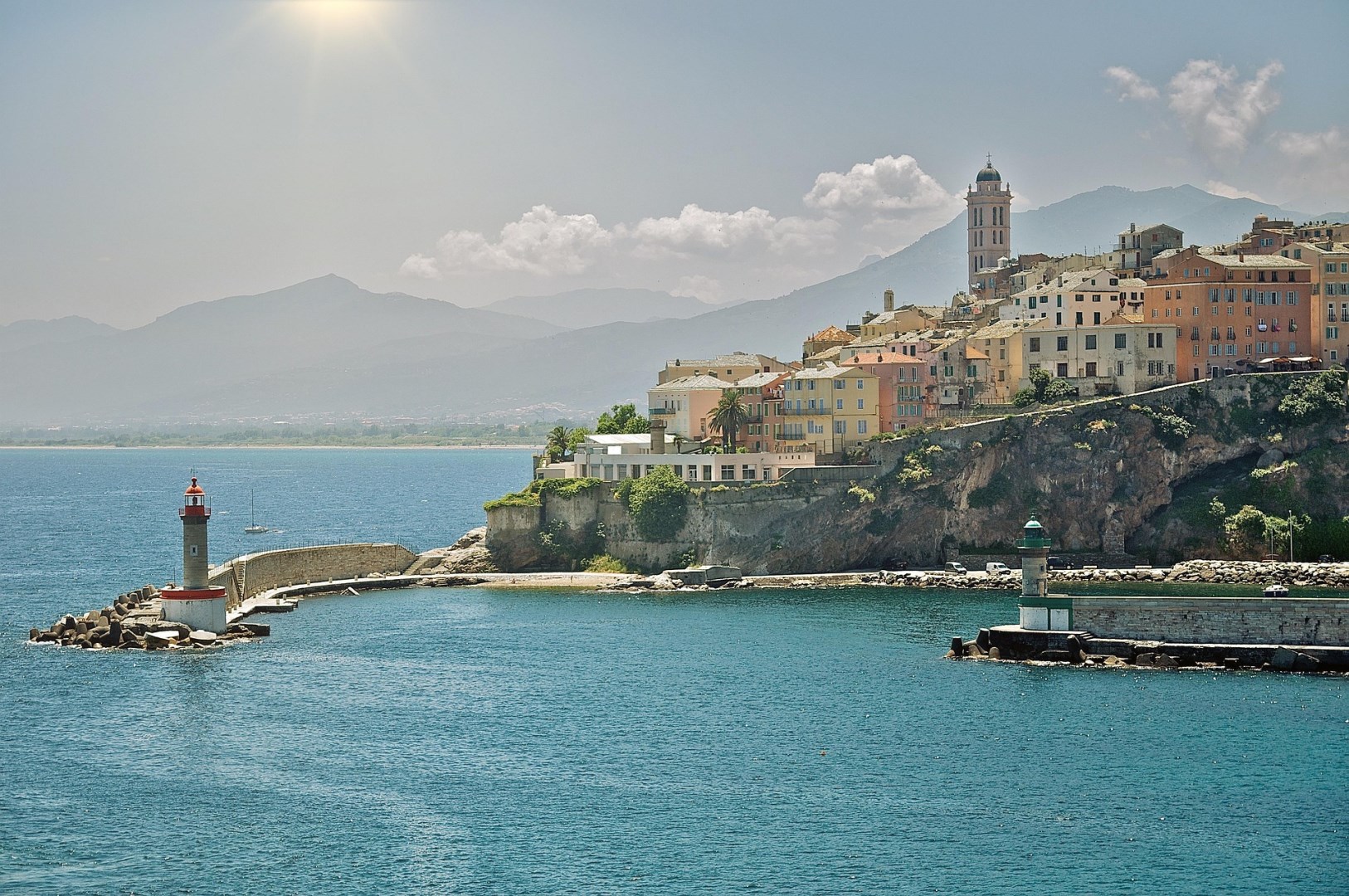
Corsica is a Mediterranean island and territorial collectivity of France known for a landscape that changes quickly from rocky coastlines to forested mountains and inland valleys. Its main towns include Ajaccio, Bastia, Bonifacio, Calvi, and Porto-Vecchio, while smaller villages are scattered through the interior. The island’s geography gives it a strong regional identity, with the sea, mountains, and maquis scrubland shaping both settlement and daily life.
Kirkenes sits at the far northeastern edge of Norway, just a few kilometers from the Russian border and not far from Finland. This Arctic town offers travelers a perspective they won’t find anywhere else in the country. With street signs in both Norwegian and Russian, and a local history shaped by war, trade, and shifting borders, Kirkenes has long stood at the crossroads of cultures.
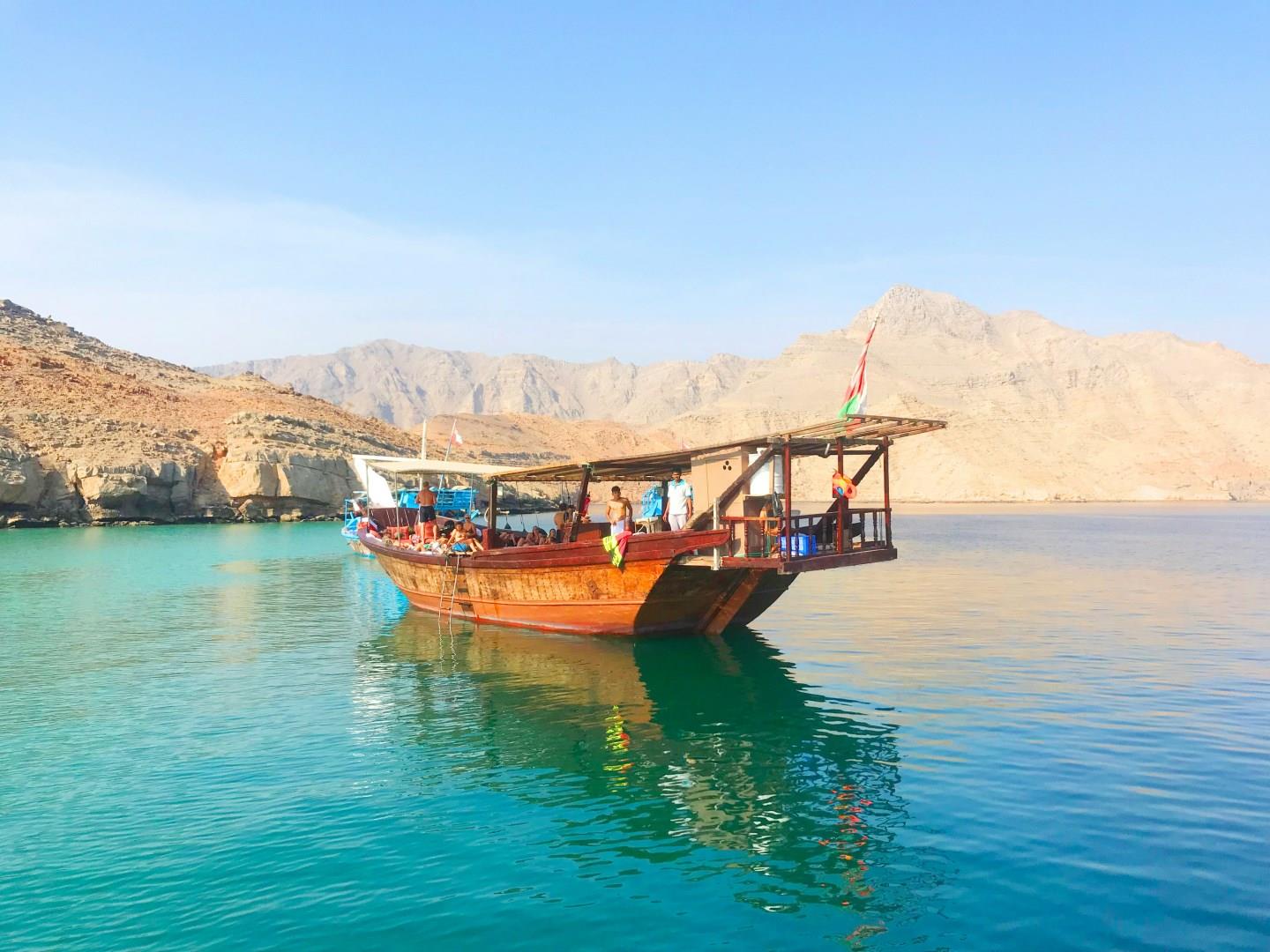
Khasab stands at the edge of Oman’s Musandam Peninsula, where rocky inlets carve into the land like desert fjords and earning it the nickname "Norway of Arabia." A short dhow ride uncovers soaring cliffs and narrow waterways, often mirrored by pods of dolphins gliding beside the wooden vessel. These traditional dhows, used for centuries by traders, now carry visitors into those coastal arms for snorkeling, swimming, and quiet reflection.
Nestled along the southeastern shores of Lake Garda, Bardolino offers a quintessential Italian experience filled with charm, history, and natural beauty. Known for its rolling vineyards and olive groves, Bardolino is the heart of one of Italy’s most celebrated wine regions. Here, you can stroll through narrow, cobbled streets lined with pastel-colored buildings, visit cozy enotecas to sample the renowned Bardolino DOC wines, or enjoy a lakeside meal in a trattoria.
Photo Credit: Photo by Joshua Fernandez on Unsplash
Photo Credit: Photo by Oskar Kadaksoo on Unsplash
Photo Credit: Photo by ダモ リ on Unsplash
Photo Credit: Photo by Joshua Fernandez on Unsplash
Photo Credit: Photo by Zhu Edward on Unsplash
Photo Credit: Photo by Zean Wu on Unsplash
Photo Credit: Photo by LINLI XU on Unsplash
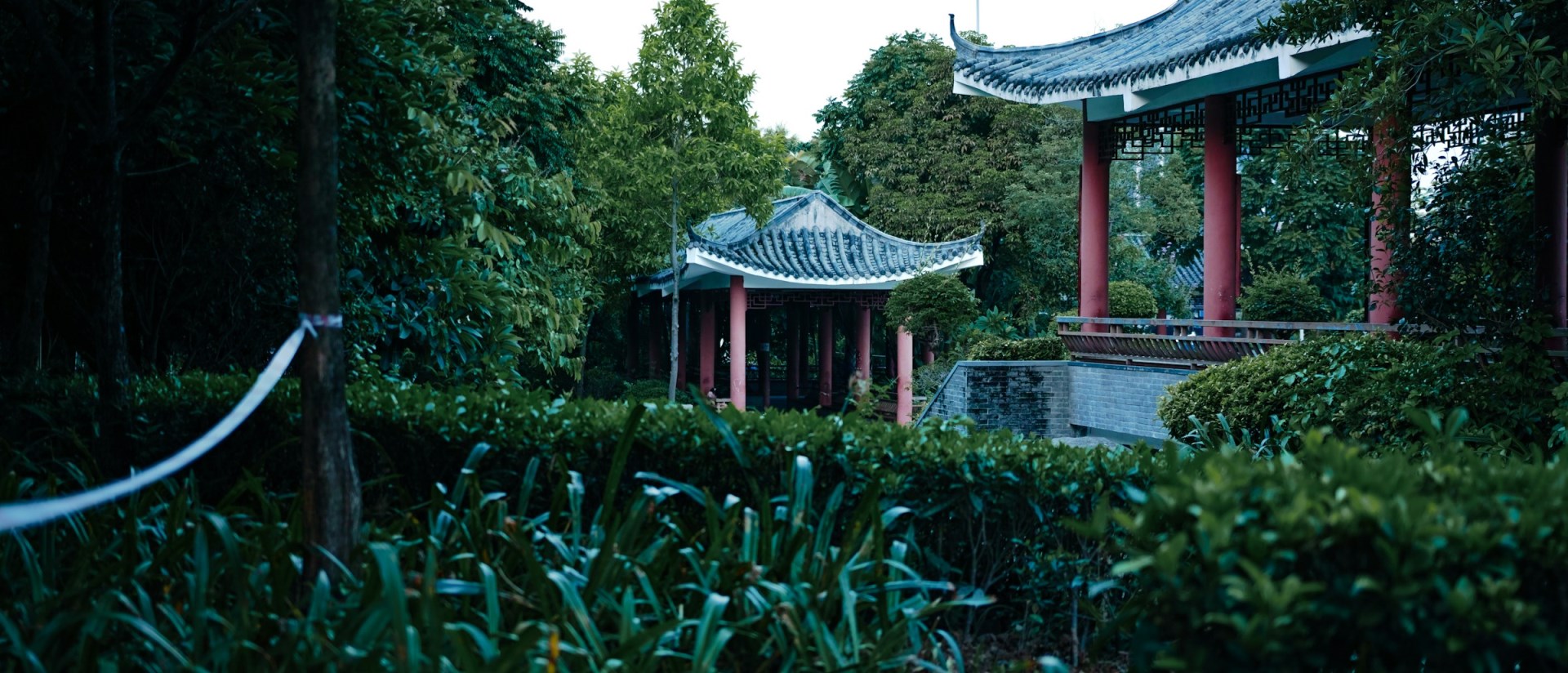
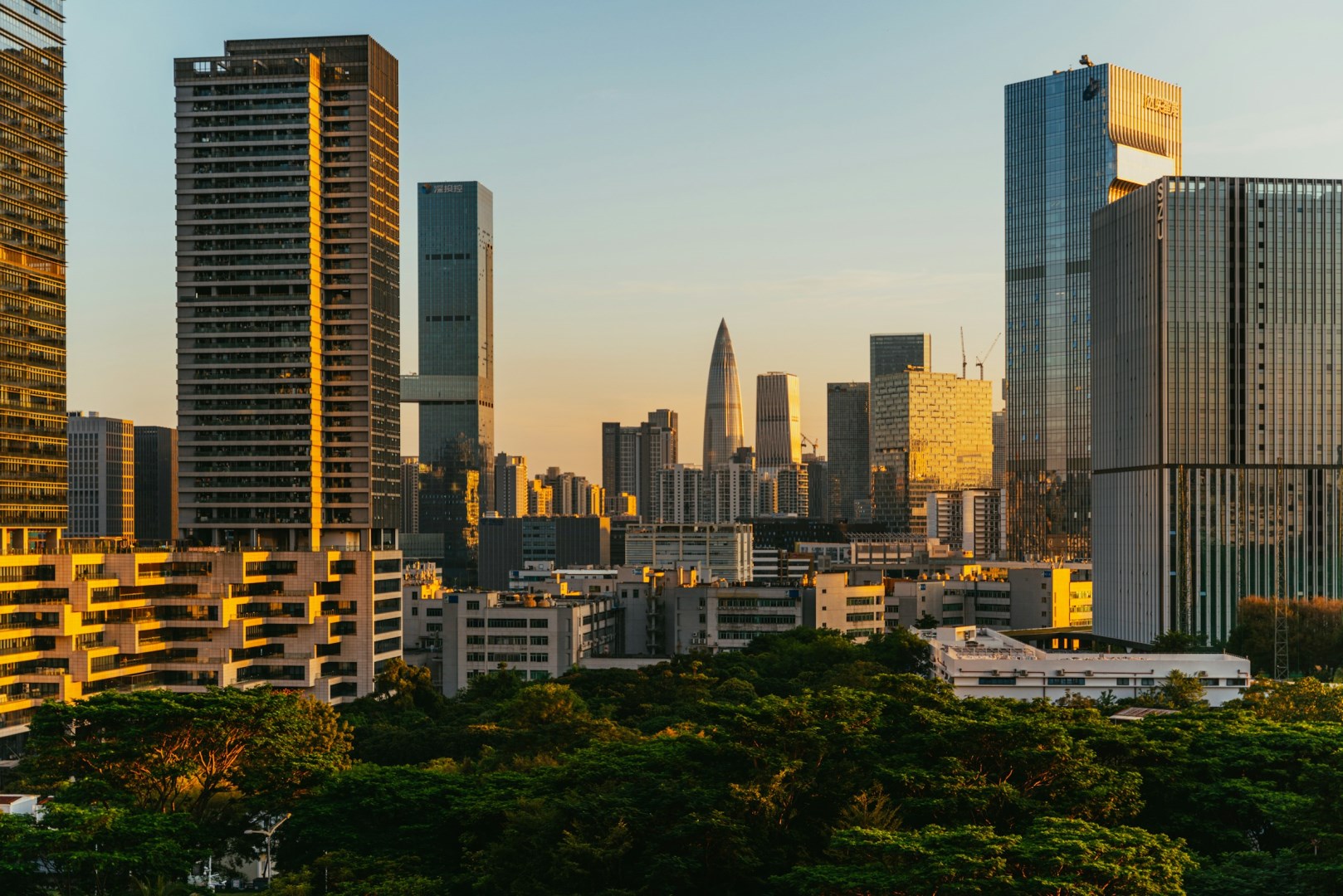
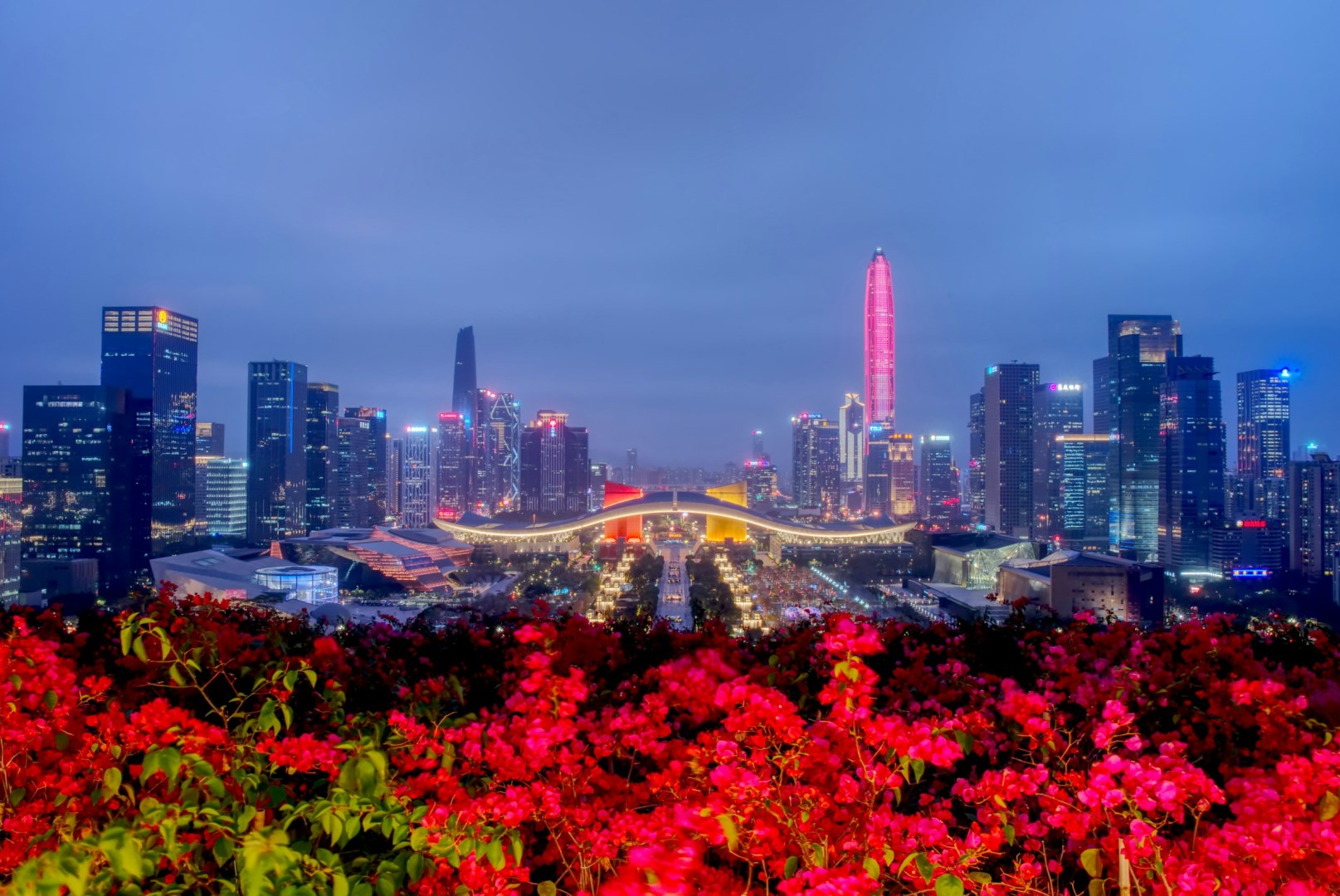
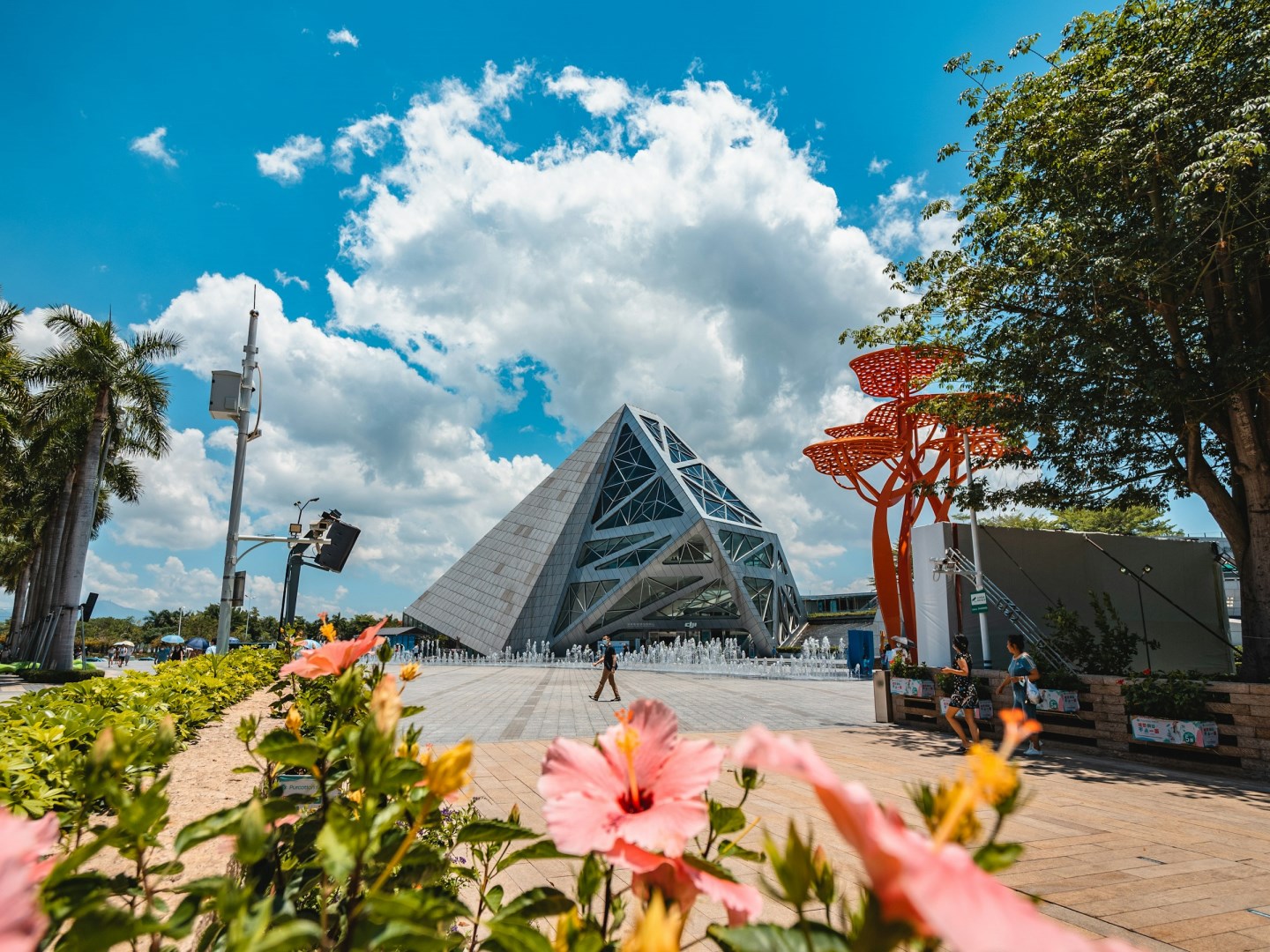
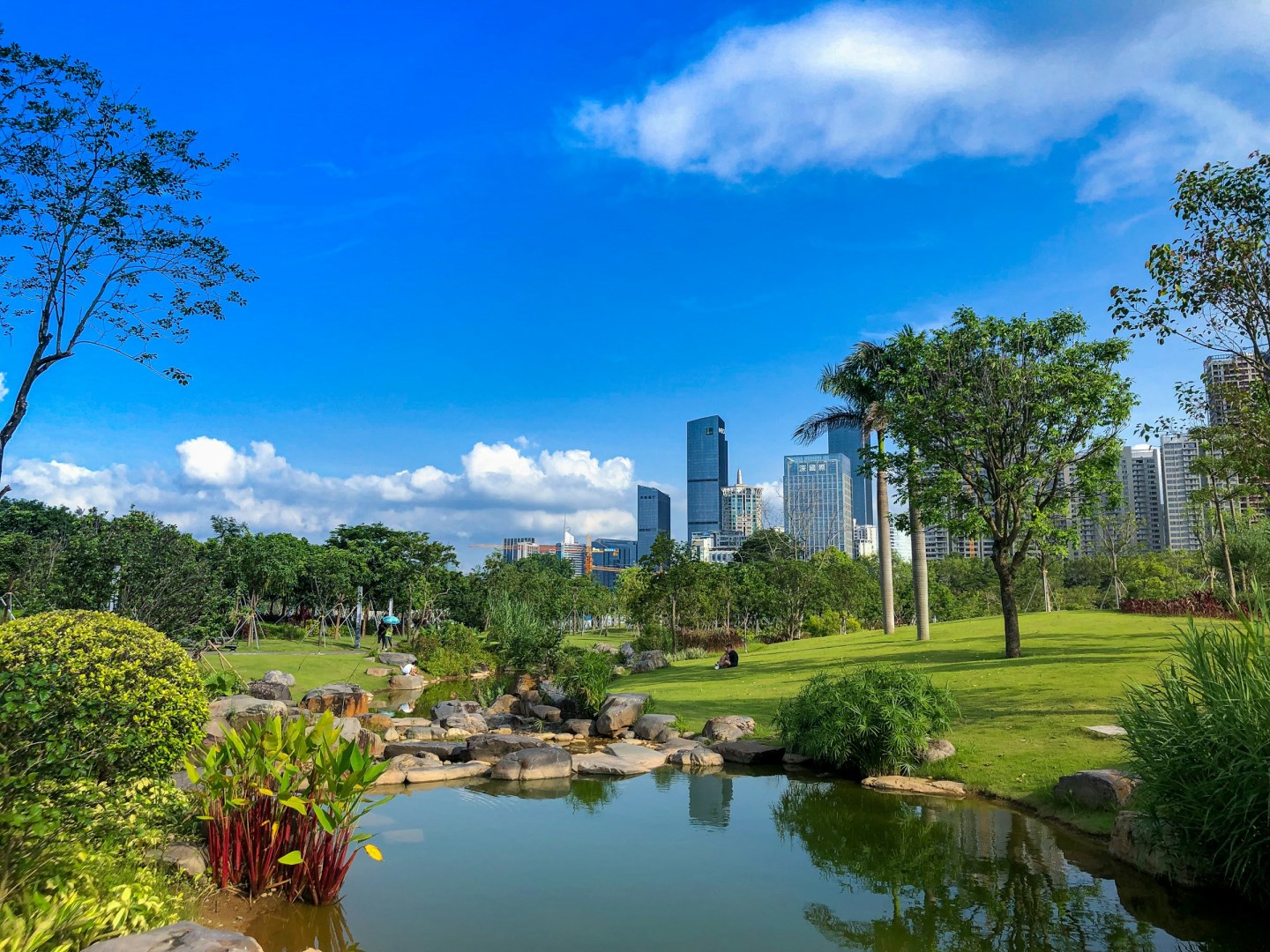
Shenzhen, a dynamic metropolis in southern China, offers a unique blend of modernity and innovation. As a global technology hub, the city is renowned for its sleek skyscrapers and cutting-edge infrastructure. A visit to the Shenzhen Civic Center showcases the city's ambitious architecture, with its impressive glass buildings and futuristic design. The Shenzhen Museum, located nearby, provides a deep dive into the city's rapid development from a fishing village to a high-tech powerhouse.
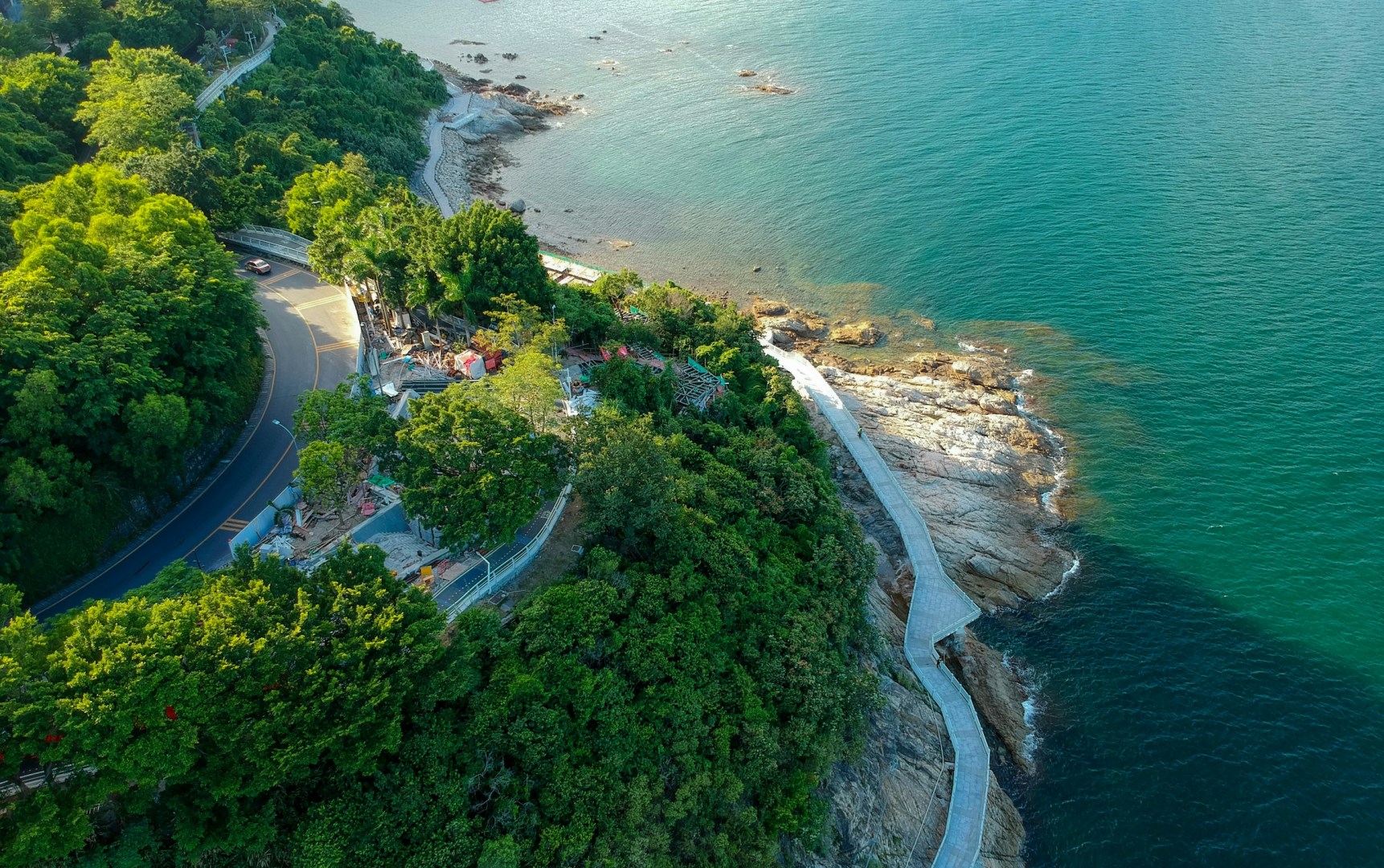
For a taste of Shenzhen’s cultural diversity, head to the vibrant Huaqiangbei district, often referred to as the "Silicon Valley of China." This bustling area is a treasure trove of electronics and gadgets, making it a must-visit for tech enthusiasts and shoppers alike. Additionally, the Shenzhen Bay Park offers stunning waterfront views and is an ideal spot for relaxation and leisurely strolls. Here, you can enjoy a serene escape with panoramic views of the city’s skyline and the bay.
Culinary experiences in Shenzhen are just as enticing. The city boasts a rich culinary scene, influenced by Cantonese cuisine and international flavors. Don't miss the chance to explore the various street food markets, where you can sample local delicacies such as dim sum and freshly made seafood. For a more refined dining experience, the city is home to several high-end restaurants offering exquisite dishes from around the world.
Other Popular Destinations in China
Beijing
Beijing, the capital of China, is a city where history and modern life intersect on a grand scale. Ancient landmarks like the Forbidden City, Tiananmen Square, and the Temple of Heaven reflect centuries of imperial heritage, while the Great Wall lies just outside the city, offering views of one of the most famous engineering feats in the world.
Shanghai
Shanghai is a city where contrasting timelines meet at every corner. Once a small fishing village along the Huangpu River, it grew rapidly during the 19th century into a major trading port. Today, its skyline tells a story of that transformation. On one side, the Bund’s colonial-era buildings stand tall in limestone and granite; on the other, the futuristic towers of Pudong, like the Shanghai Tower and Jin Mao, stretch into the clouds.