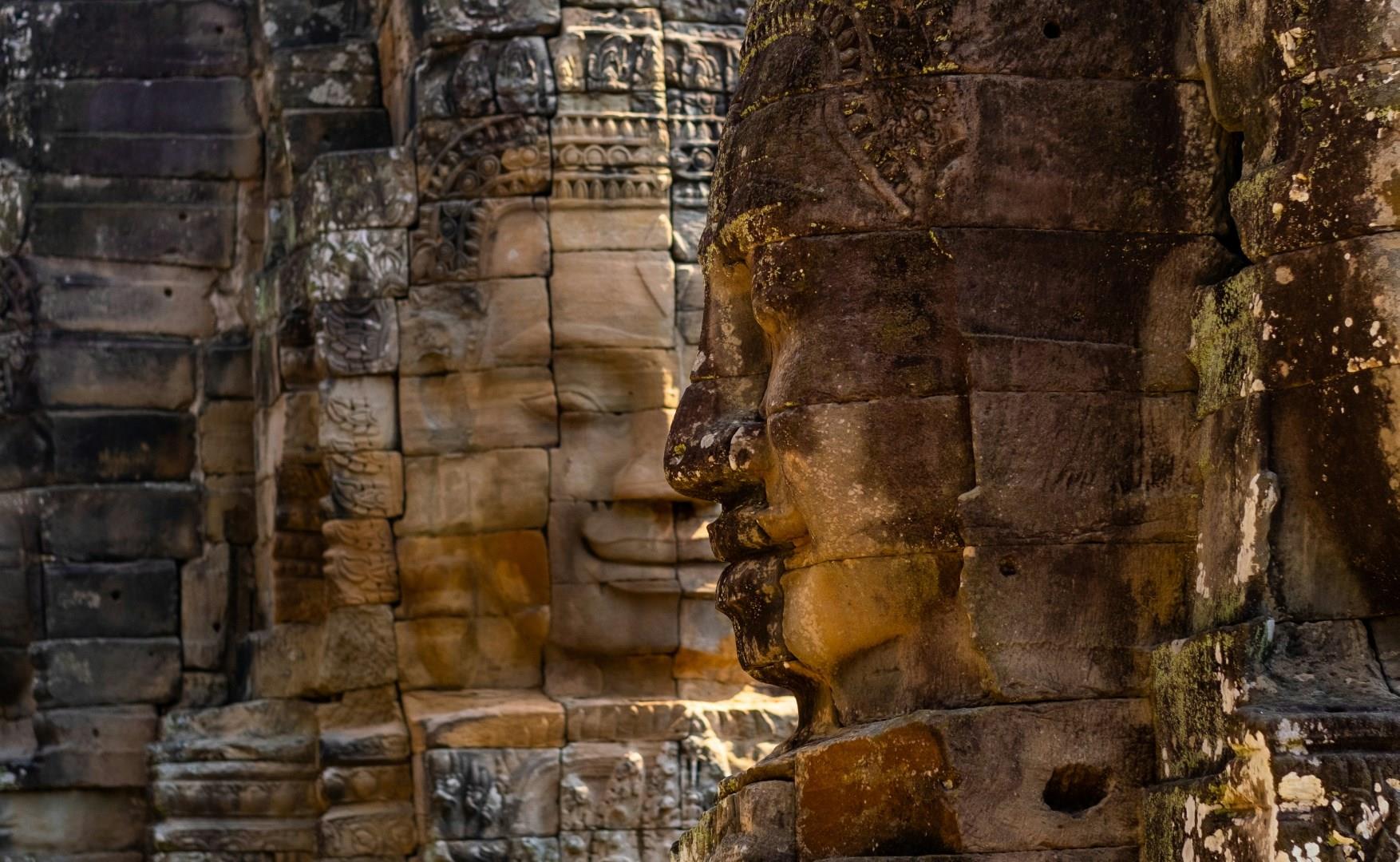
Siem Reap is best known as the gateway to Angkor, the ancient capital of the Khmer Empire, but the town itself offers far more than a launching point for temple exploration. Located in northwestern Cambodia, Siem Reap balances centuries-old traditions with a rapidly evolving cultural scene. Its streets are lined with colonial-era buildings, Buddhist pagodas, bustling markets, and open-air cafés.
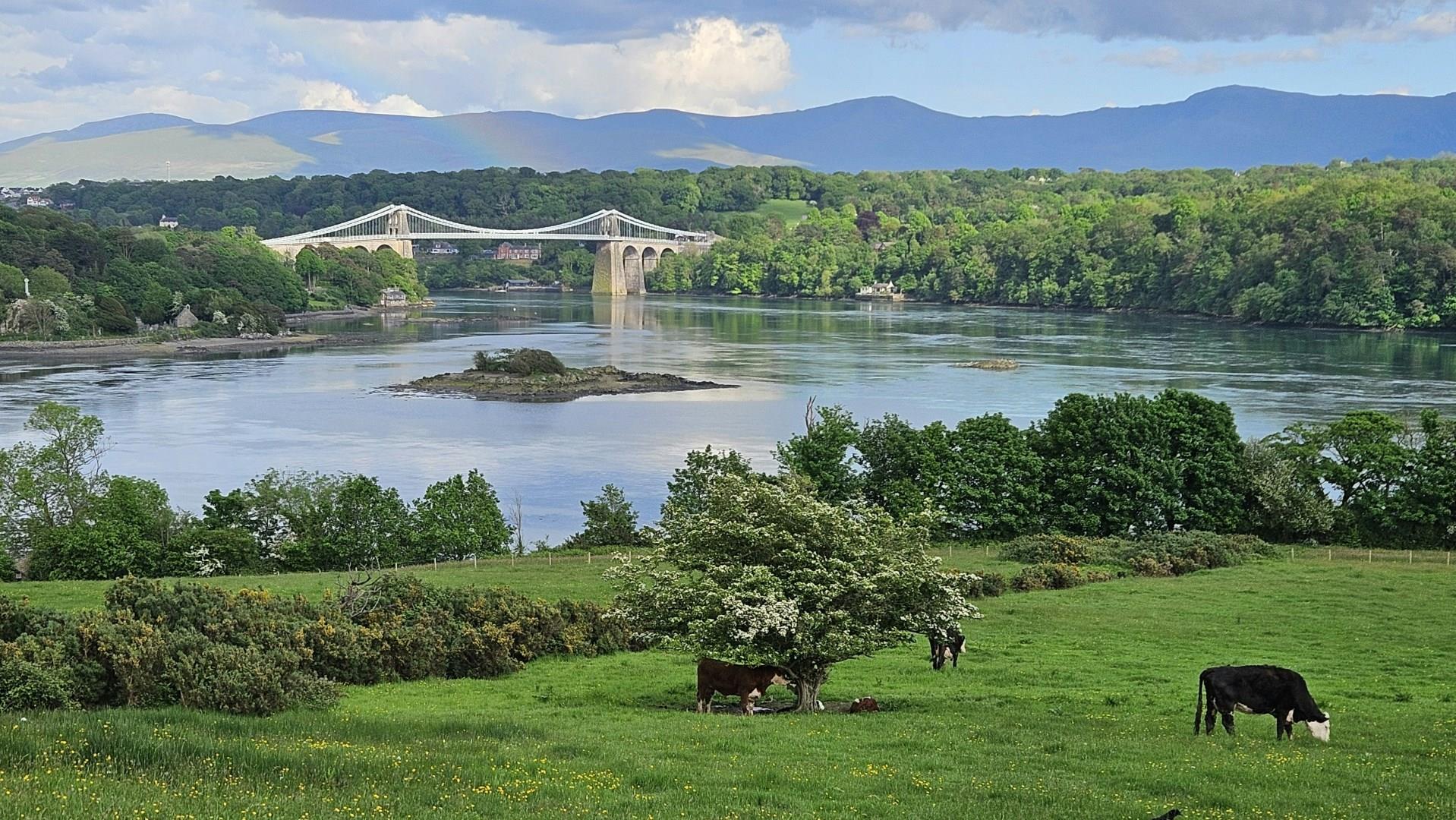
Anglesey is an island off the northwest coast of Wales with a history that stretches back thousands of years. Fertile lands and strategic coastal position made it an early center for agriculture, livestock, and maritime trade.
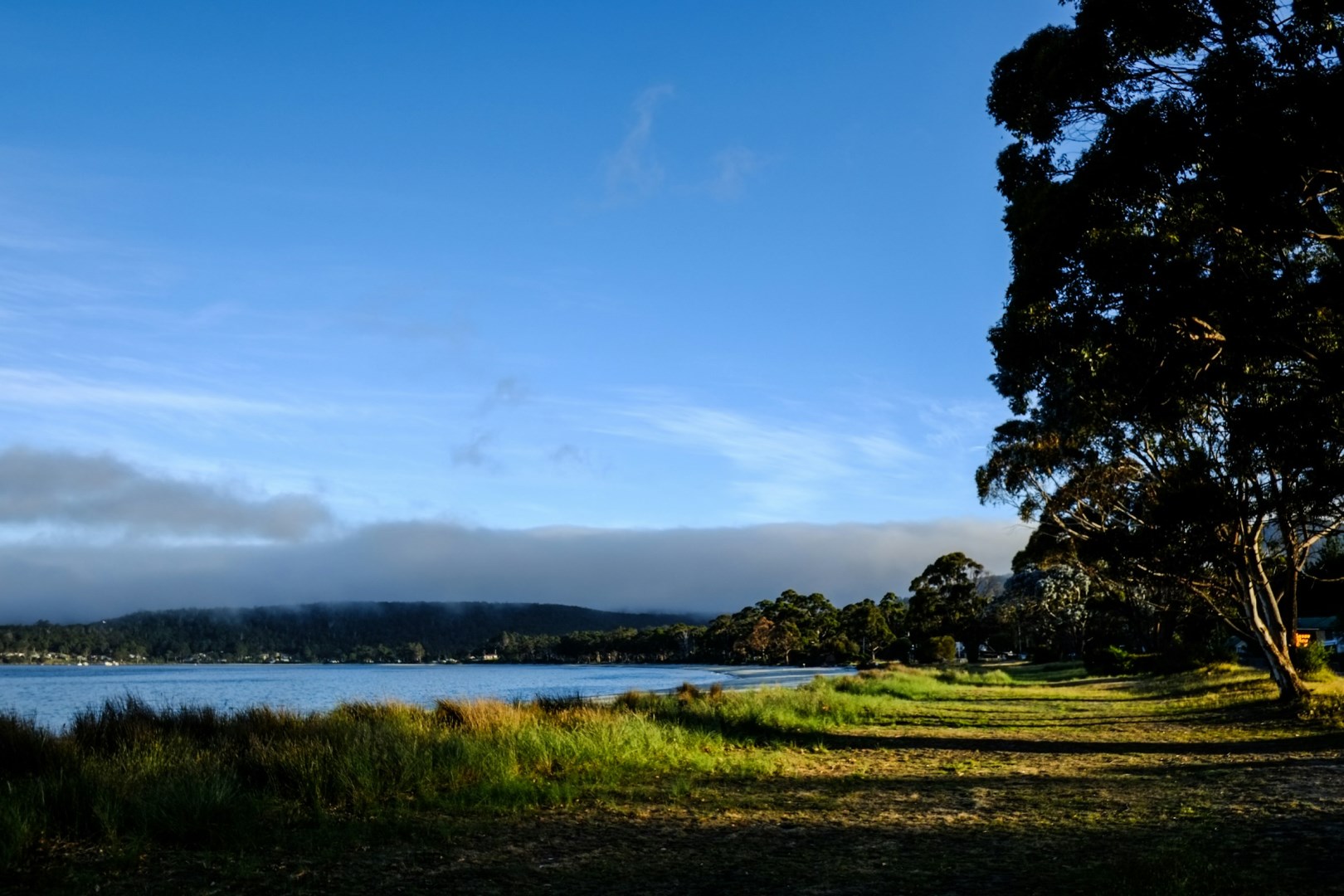
Bruny Island is an island destination off the south-east coast of Tasmania, separated from the mainland by the D’Entrecasteaux Channel and reached by a short vehicle ferry from Kettering. The island consists of North Bruny and South Bruny, connected by a narrow isthmus known as The Neck. Its landscape includes beaches, sheltered bays, forests, farmland, cliffs, and coastal heath.
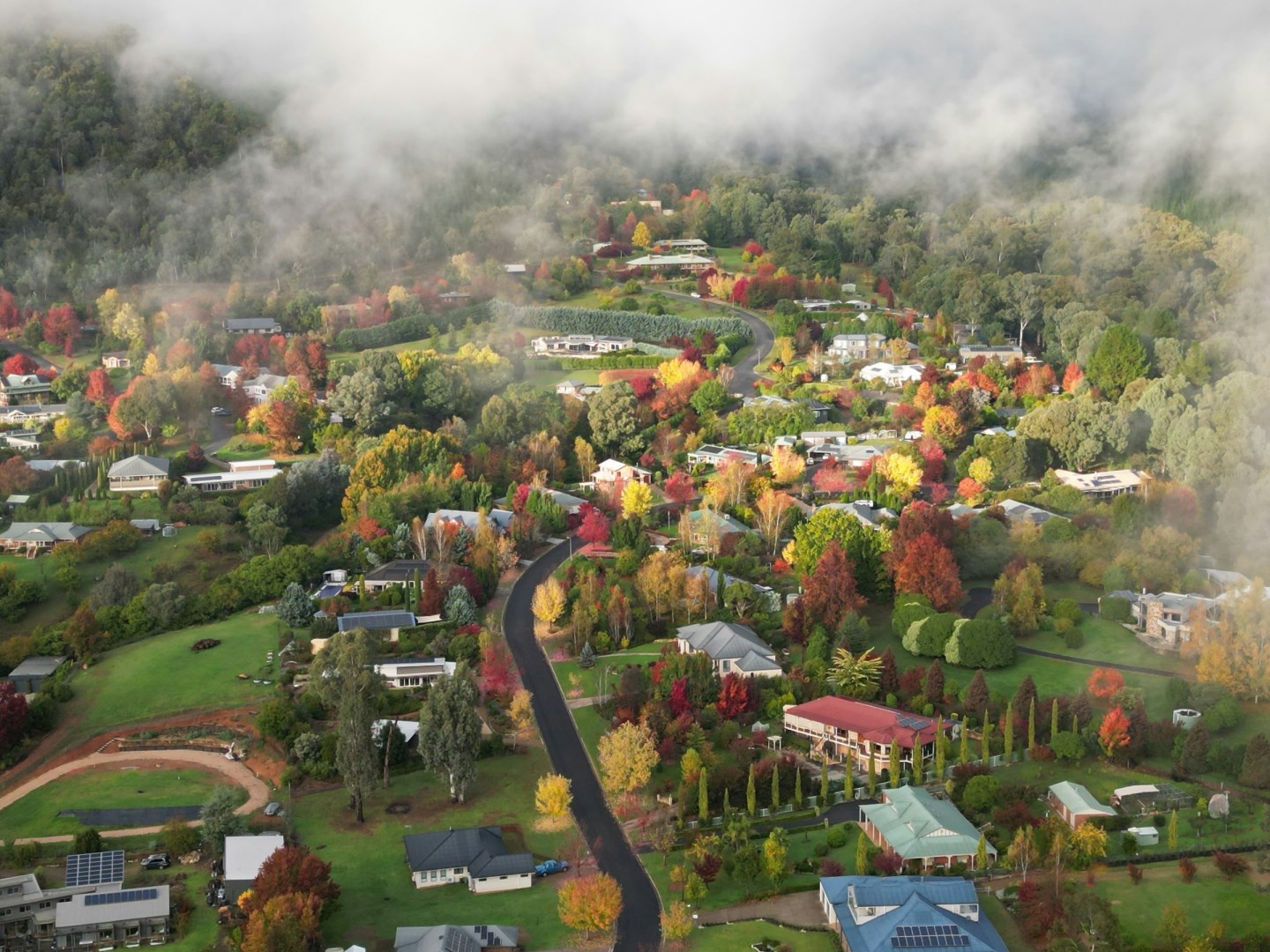
Bright is situated in the Ovens Valley and offers beautiful scenery and landscape. There are many ski resorts surround Bright, with Mt Buffalo National Park being the closest. This is obviously one attraction to the area, although Bright offers various activities all year around
Madeira, an archipelago off the coast of Portugal, is often referred to as the “Island of Eternal Spring” due to its mild climate and lush landscapes. Funchal, its vibrant capital, is a perfect blend of natural beauty and rich history. Visitors can explore the cobblestone streets of the old town, marvel at the Gothic-style Sé Cathedral, and stroll through the colorful Mercado dos Lavradores, where local farmers sell fresh produce, exotic flowers, and the island’s famous wine.
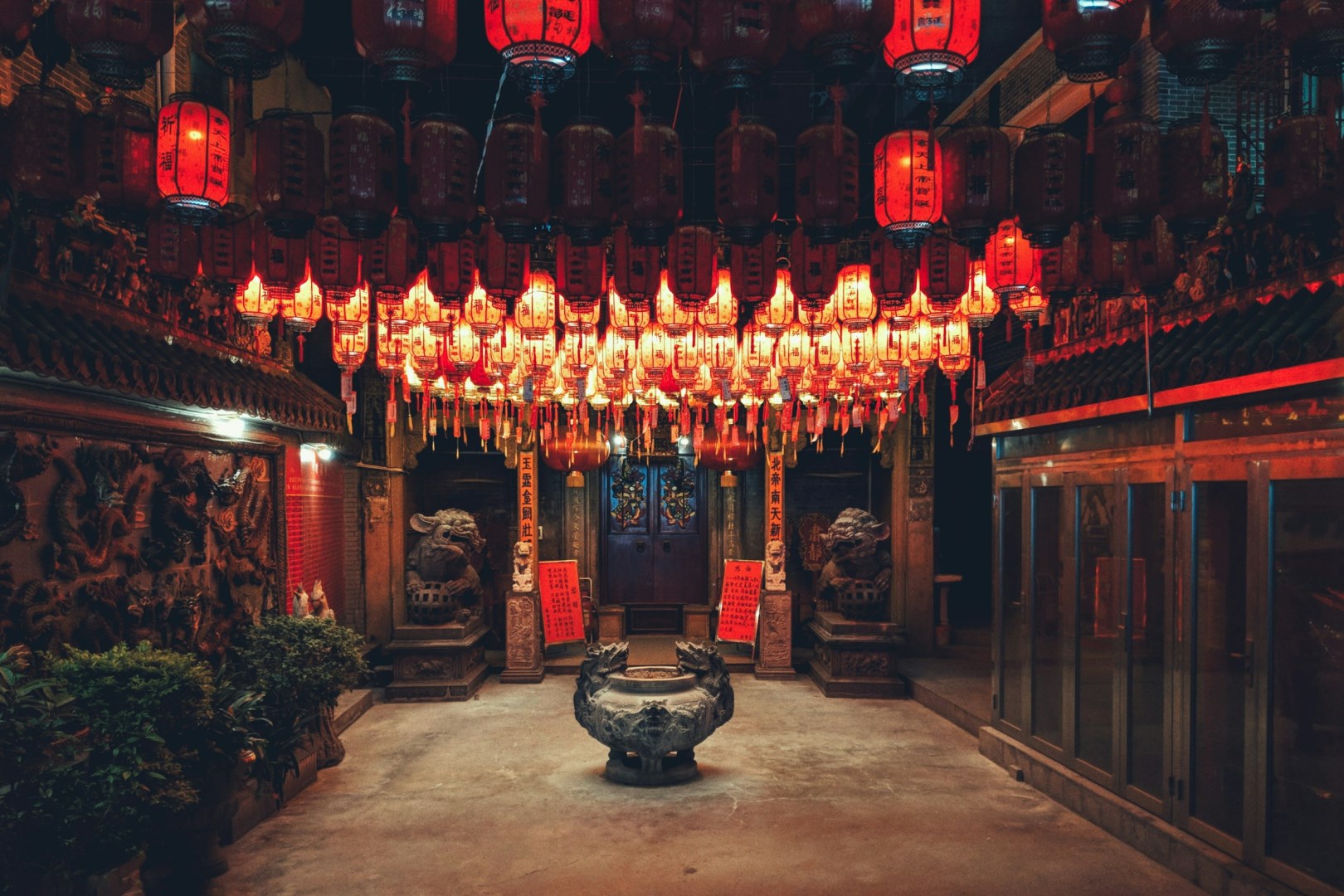
Photo Credit: Photo by Joshua Fernandez on Unsplash
Photo Credit: Photo by Oskar Kadaksoo on Unsplash
Photo Credit: Photo by ダモ リ on Unsplash
Photo Credit: Photo by Joshua Fernandez on Unsplash
Photo Credit: Photo by Zhu Edward on Unsplash
Photo Credit: Photo by Zean Wu on Unsplash
Photo Credit: Photo by LINLI XU on Unsplash
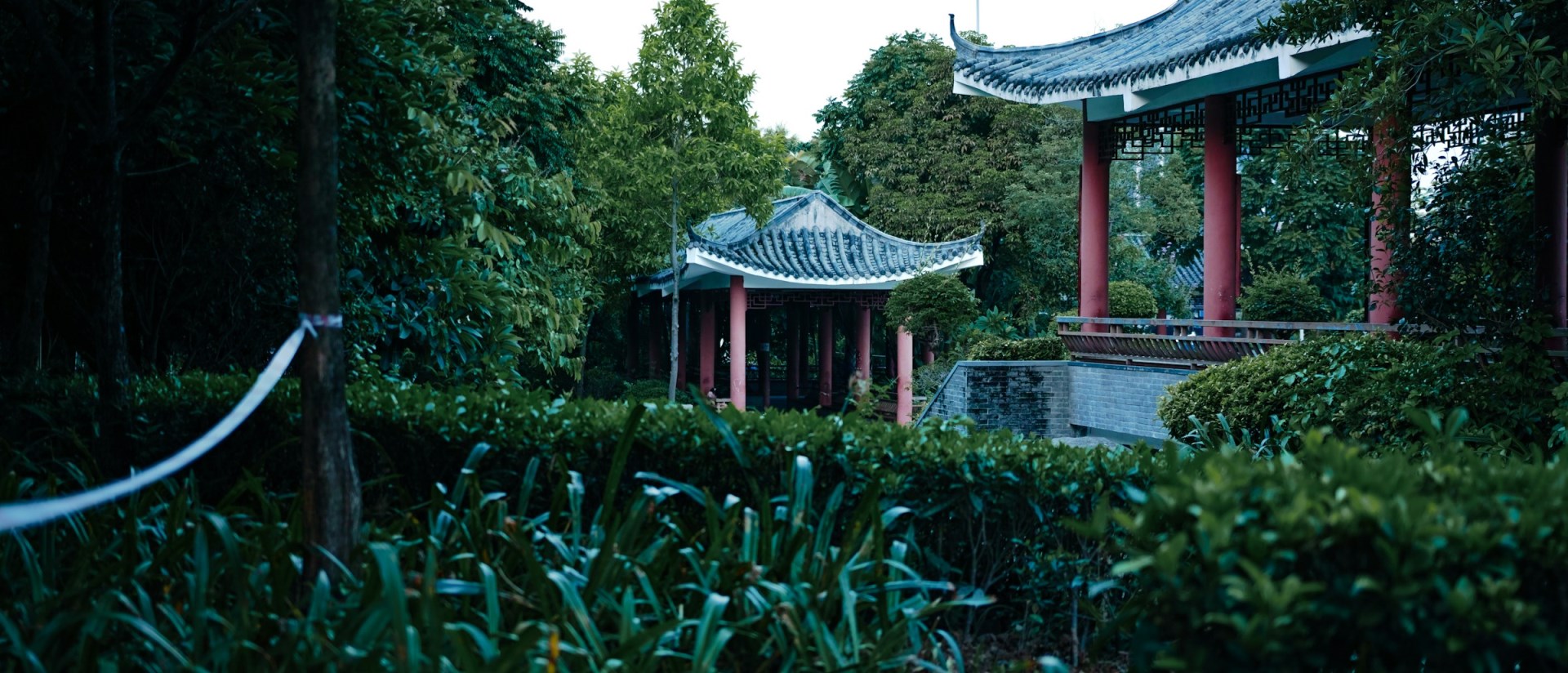
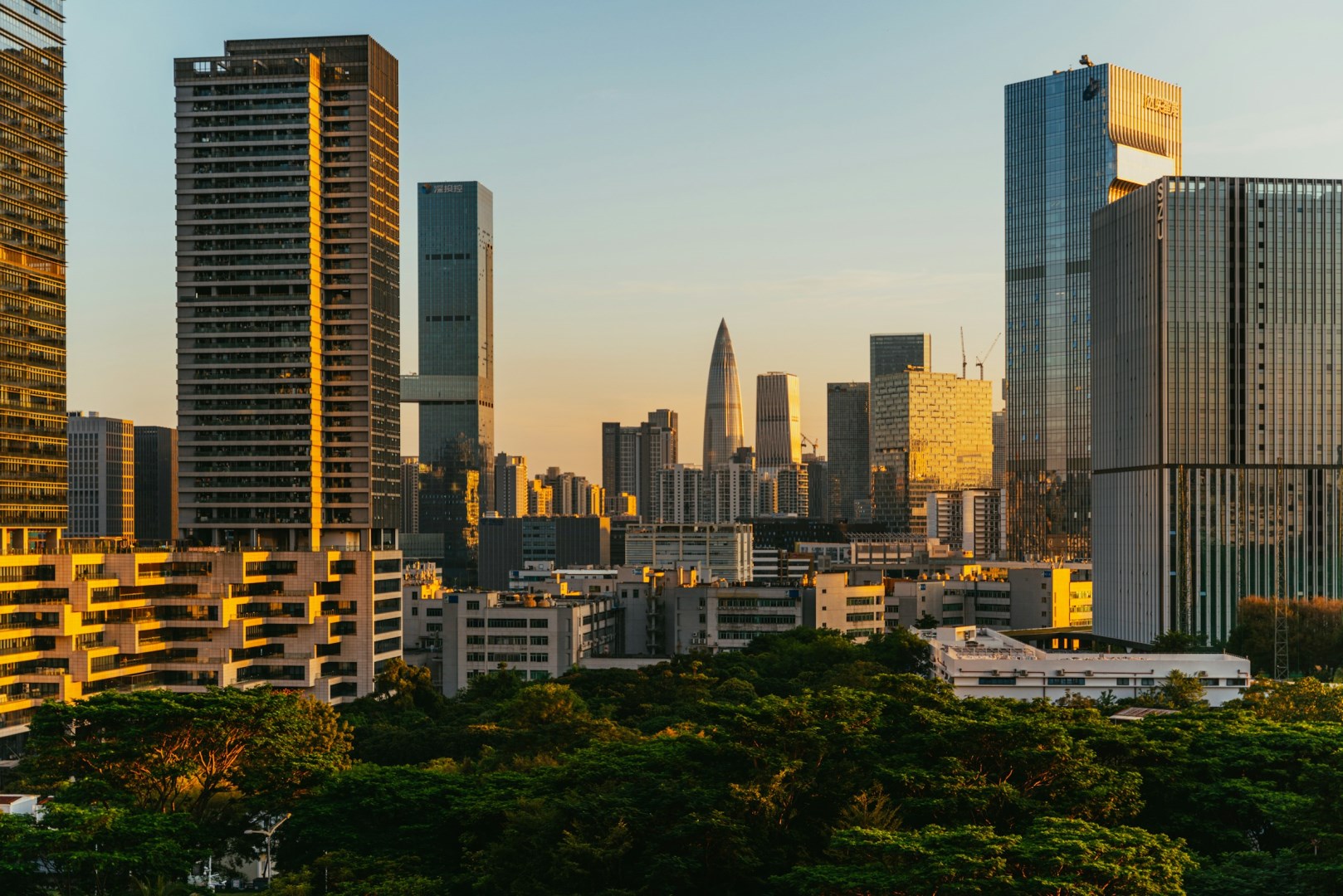
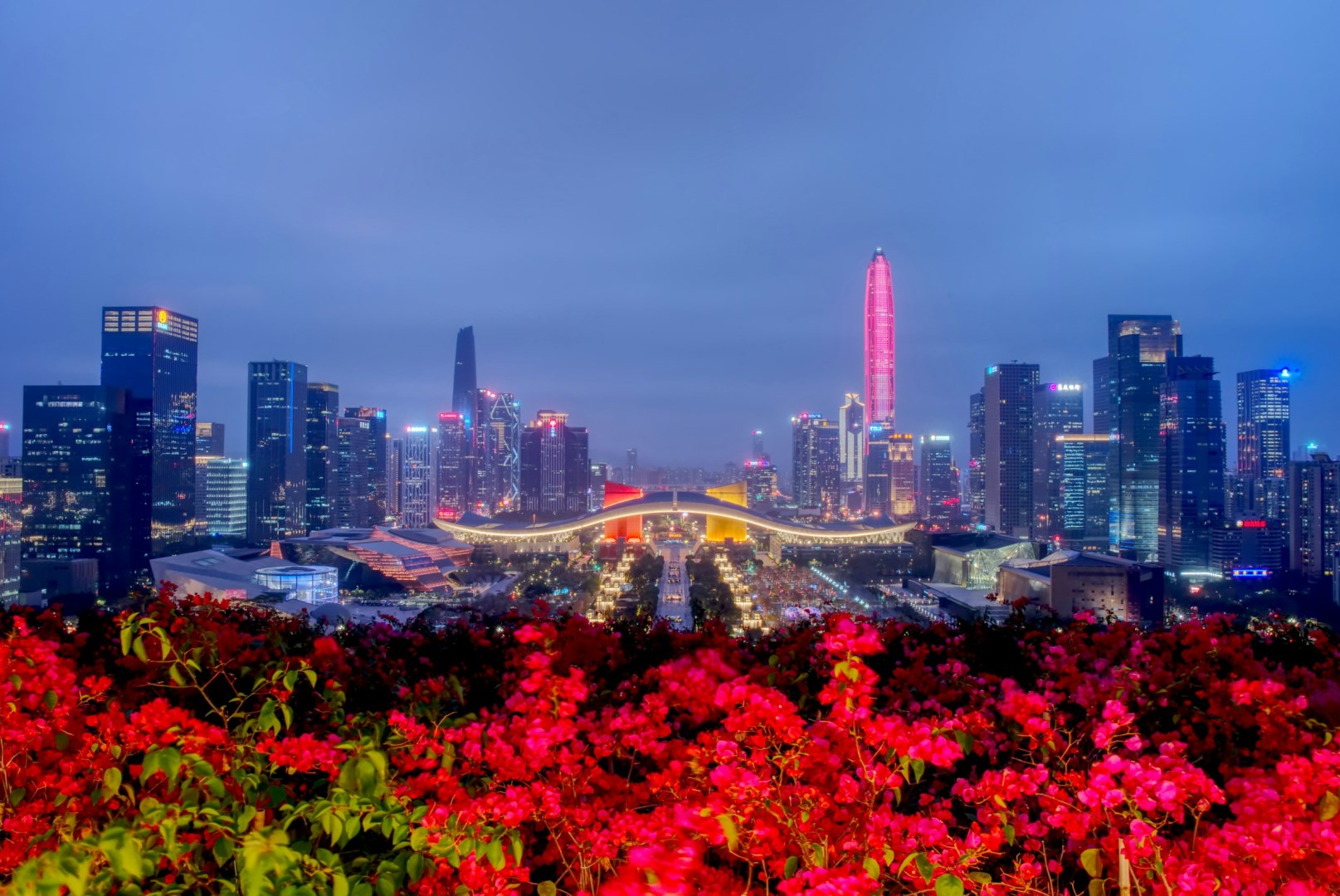
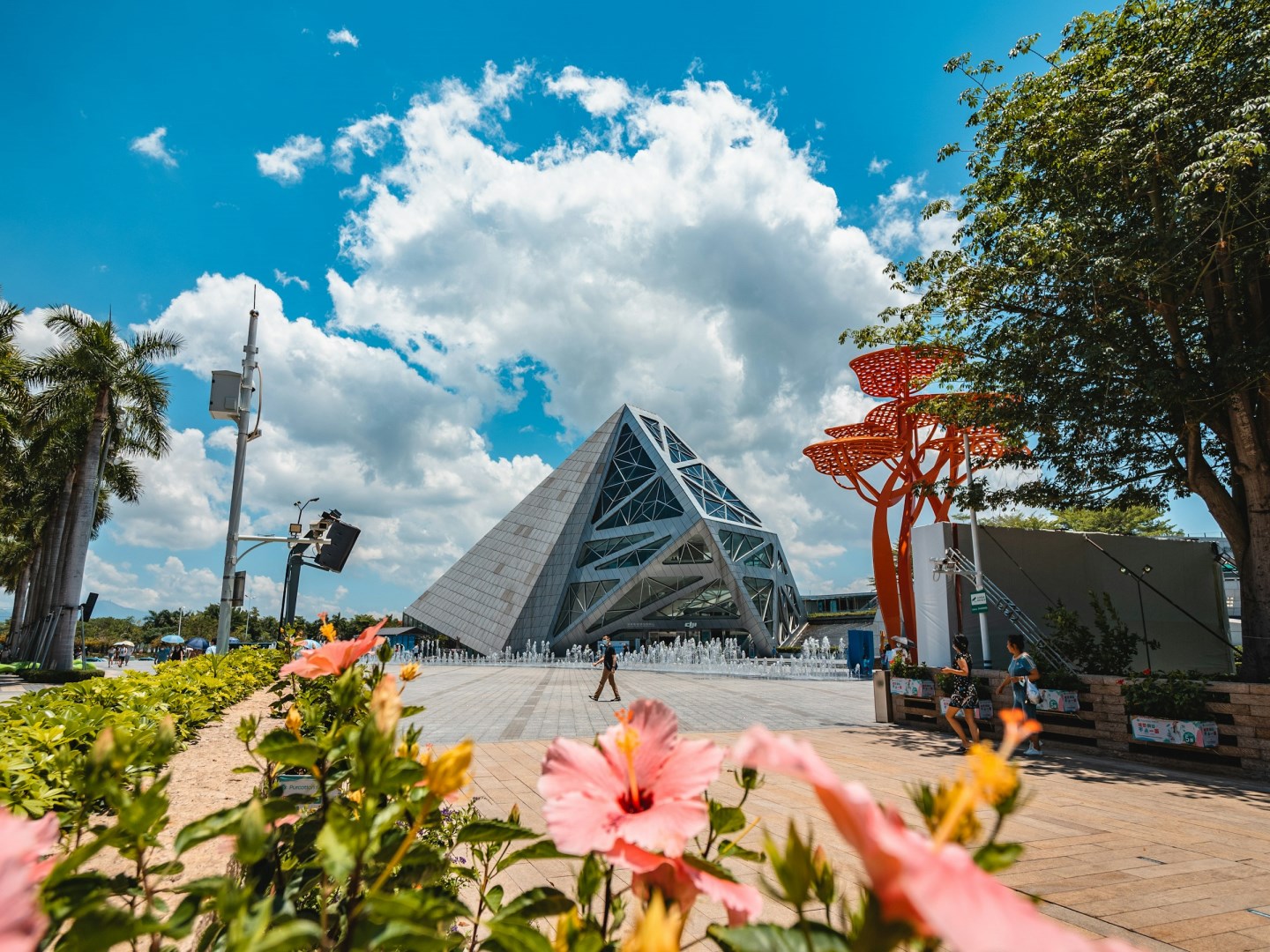
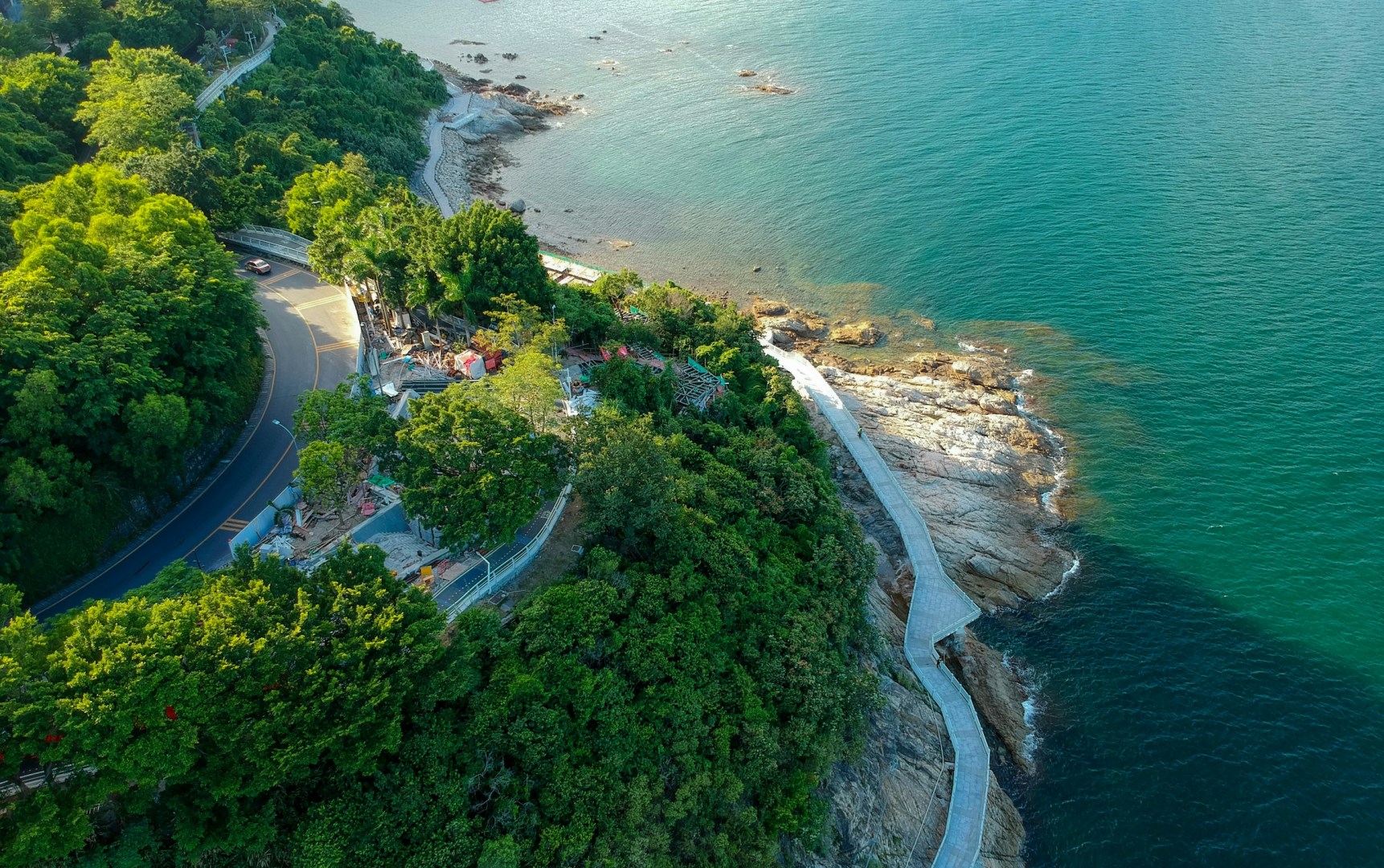
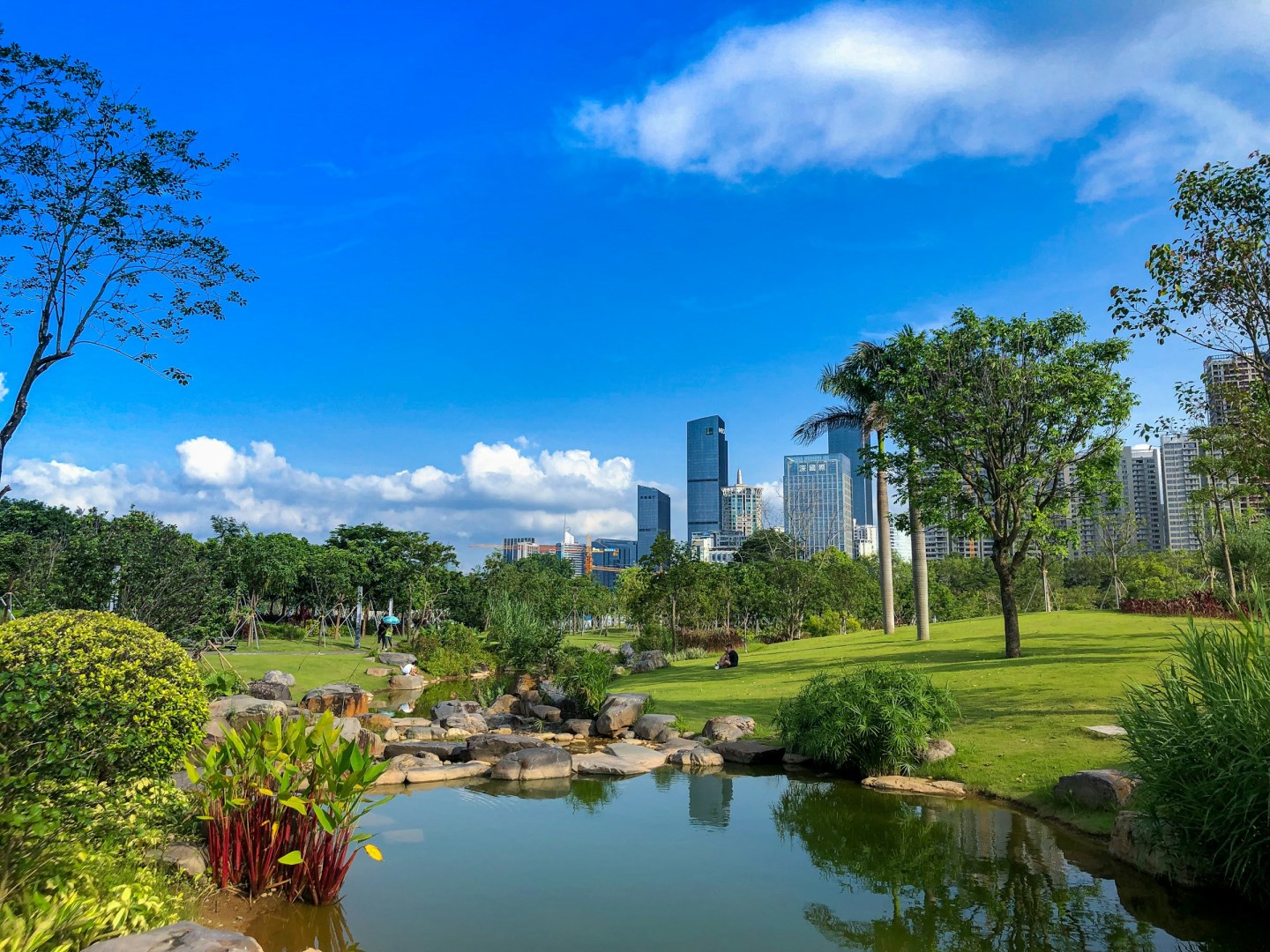
Shenzhen, a dynamic metropolis in southern China, offers a unique blend of modernity and innovation. As a global technology hub, the city is renowned for its sleek skyscrapers and cutting-edge infrastructure. A visit to the Shenzhen Civic Center showcases the city's ambitious architecture, with its impressive glass buildings and futuristic design. The Shenzhen Museum, located nearby, provides a deep dive into the city's rapid development from a fishing village to a high-tech powerhouse.
For a taste of Shenzhen’s cultural diversity, head to the vibrant Huaqiangbei district, often referred to as the "Silicon Valley of China." This bustling area is a treasure trove of electronics and gadgets, making it a must-visit for tech enthusiasts and shoppers alike. Additionally, the Shenzhen Bay Park offers stunning waterfront views and is an ideal spot for relaxation and leisurely strolls. Here, you can enjoy a serene escape with panoramic views of the city’s skyline and the bay.
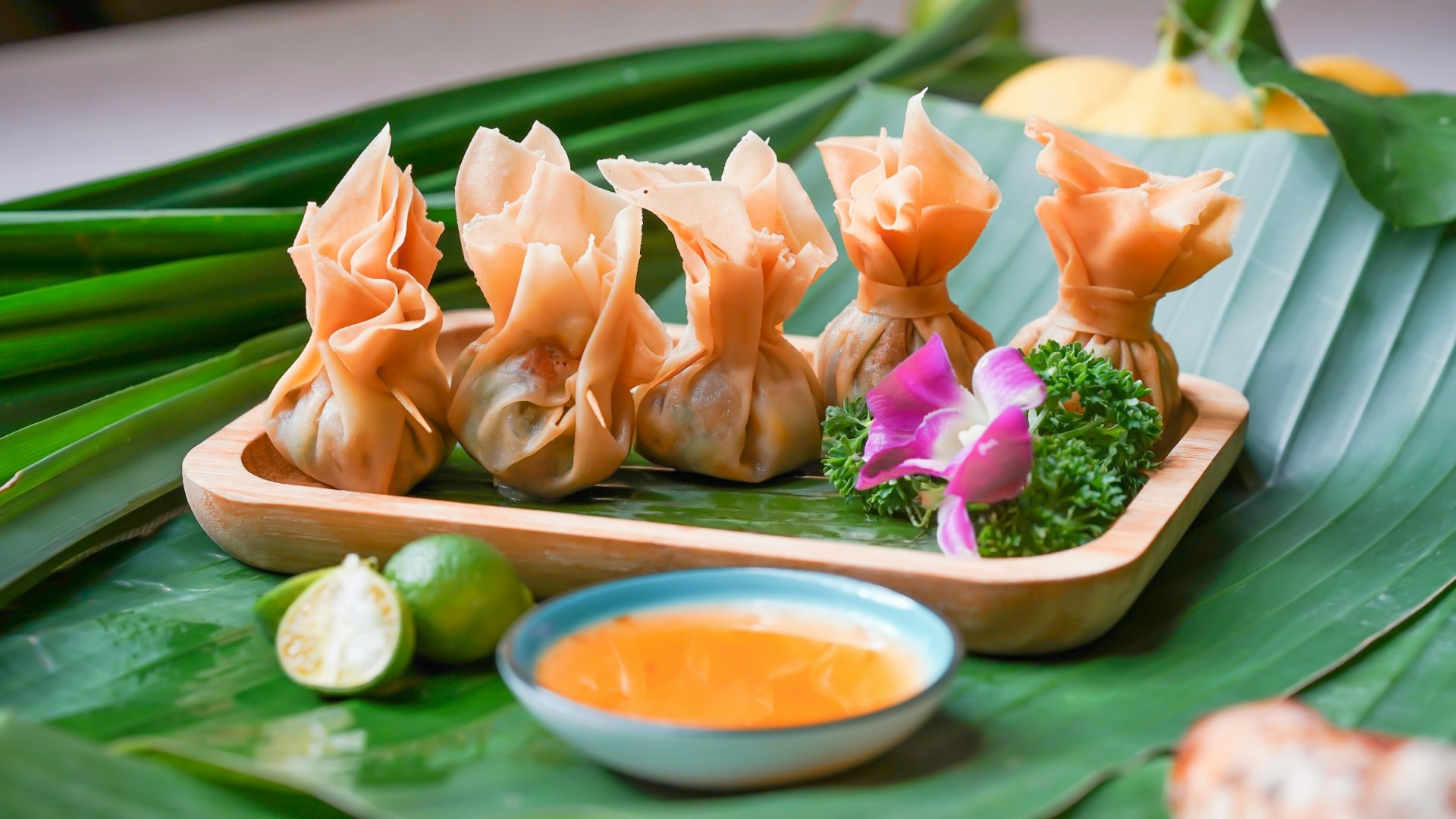
Culinary experiences in Shenzhen are just as enticing. The city boasts a rich culinary scene, influenced by Cantonese cuisine and international flavors. Don't miss the chance to explore the various street food markets, where you can sample local delicacies such as dim sum and freshly made seafood. For a more refined dining experience, the city is home to several high-end restaurants offering exquisite dishes from around the world.
Other Popular Destinations in China
Beijing
Beijing, the capital of China, is a city where history and modern life intersect on a grand scale. Ancient landmarks like the Forbidden City, Tiananmen Square, and the Temple of Heaven reflect centuries of imperial heritage, while the Great Wall lies just outside the city, offering views of one of the most famous engineering feats in the world.
Xi'an
Xi’an, located in central China’s Shaanxi Province, served as the starting point of the ancient Silk Road and was the capital of 13 imperial dynasties. Its long history is most famously represented by the Terracotta Army, an underground army of life-sized warriors discovered in 1974. Each figure has distinct facial features, hairstyles, and armor, designed to protect Emperor Qin Shi Huang in the afterlife.