
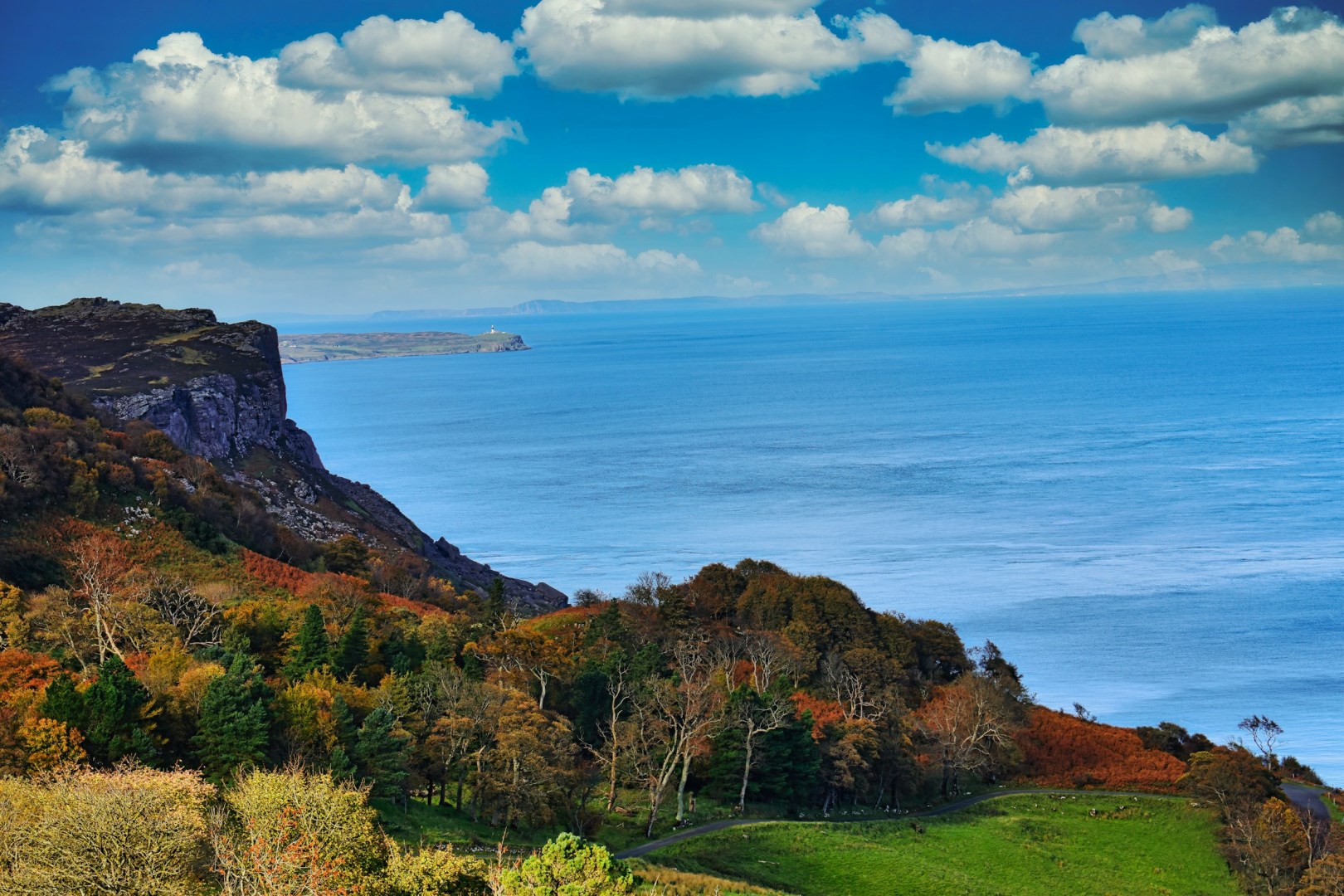
Rathlin Island
Rathlin Island is Northern Ireland’s only inhabited offshore island, lying about six miles from the County Antrim coast across the Sea of Moyle. Its small community is centered around a harbor on the southern side, while much of the island consists of farmland, open hills, rocky shorelines, and sea cliffs. Rathlin has a notably remote character despite its short ferry journey from Ballycastle.

Zion National Park
Zion National Park, located in southwestern Utah, is known for its massive sandstone cliffs, narrow slot canyons, and unique desert ecosystems. Established in 1919, it was Utah’s first national park and continues to attract visitors with its dramatic elevation shifts and striking rock formations. The park’s most iconic feature, Zion Canyon, stretches for 15 miles and reaches depths of up to 2,640 feet, carved over time by the Virgin River.
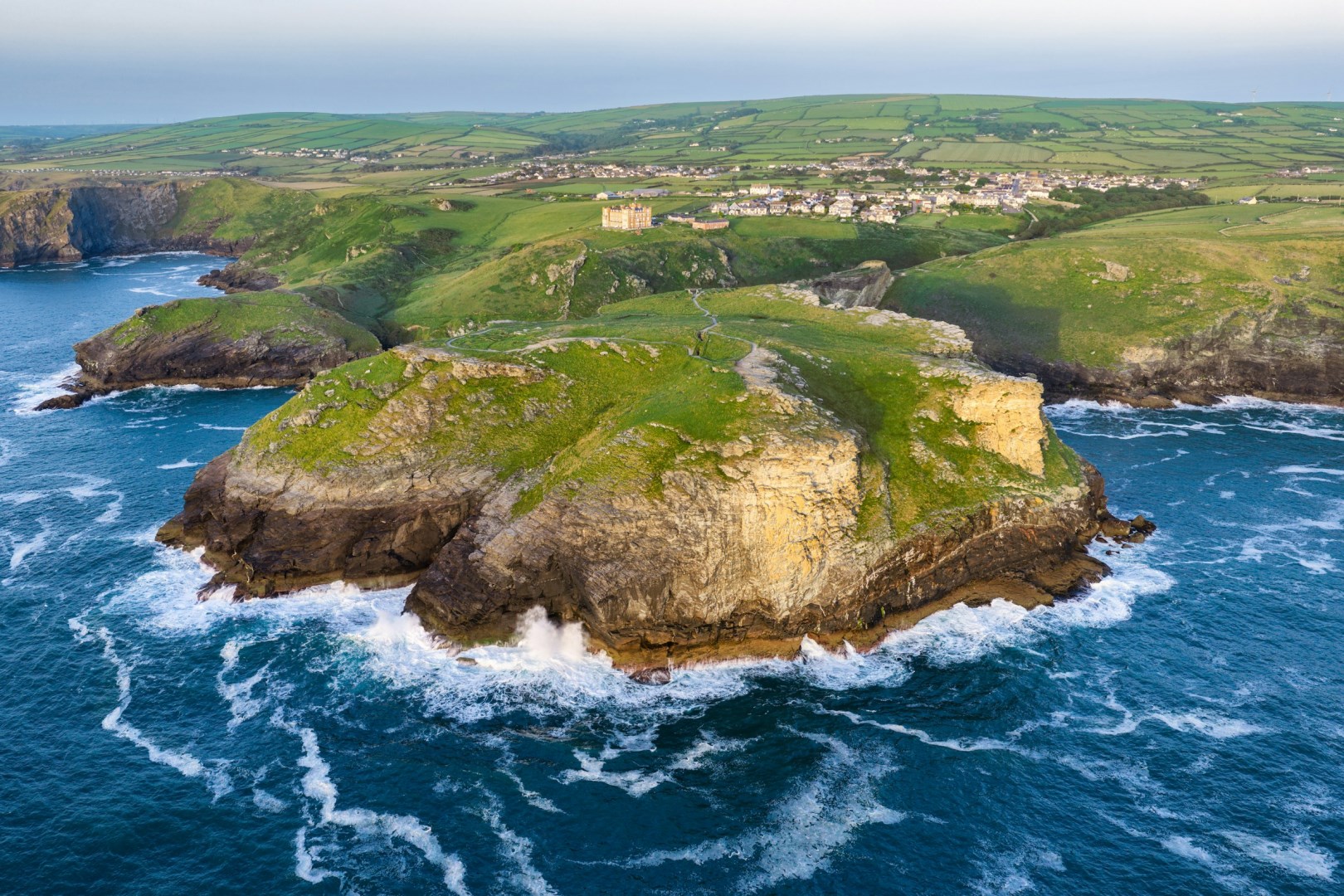
Tintagel
Tintagel is a village on Cornwall's north coast, set among rugged cliffs overlooking the Atlantic Ocean. The area is best known for Tintagel Castle, whose remains occupy a dramatic headland connected to the mainland by a footbridge. The village itself has a traditional Cornish character, with stone buildings, small shops, cafés, and places to stay along the main road.

Karpathos
Karpathos is marked by the peculiar Karpathian houses, built of carved stone, full of embroidery and characteristic interior decorations. From Pigadia you may visit Kyra Panagia, a picturesque bay with a marvelous beach and a monastery of the same name. A little further, on the northern promontory of Karpathos, lies the Diafani village; on the nearby little island of Saria we see Palatia, with ruins of the ancient city of Nisyros.
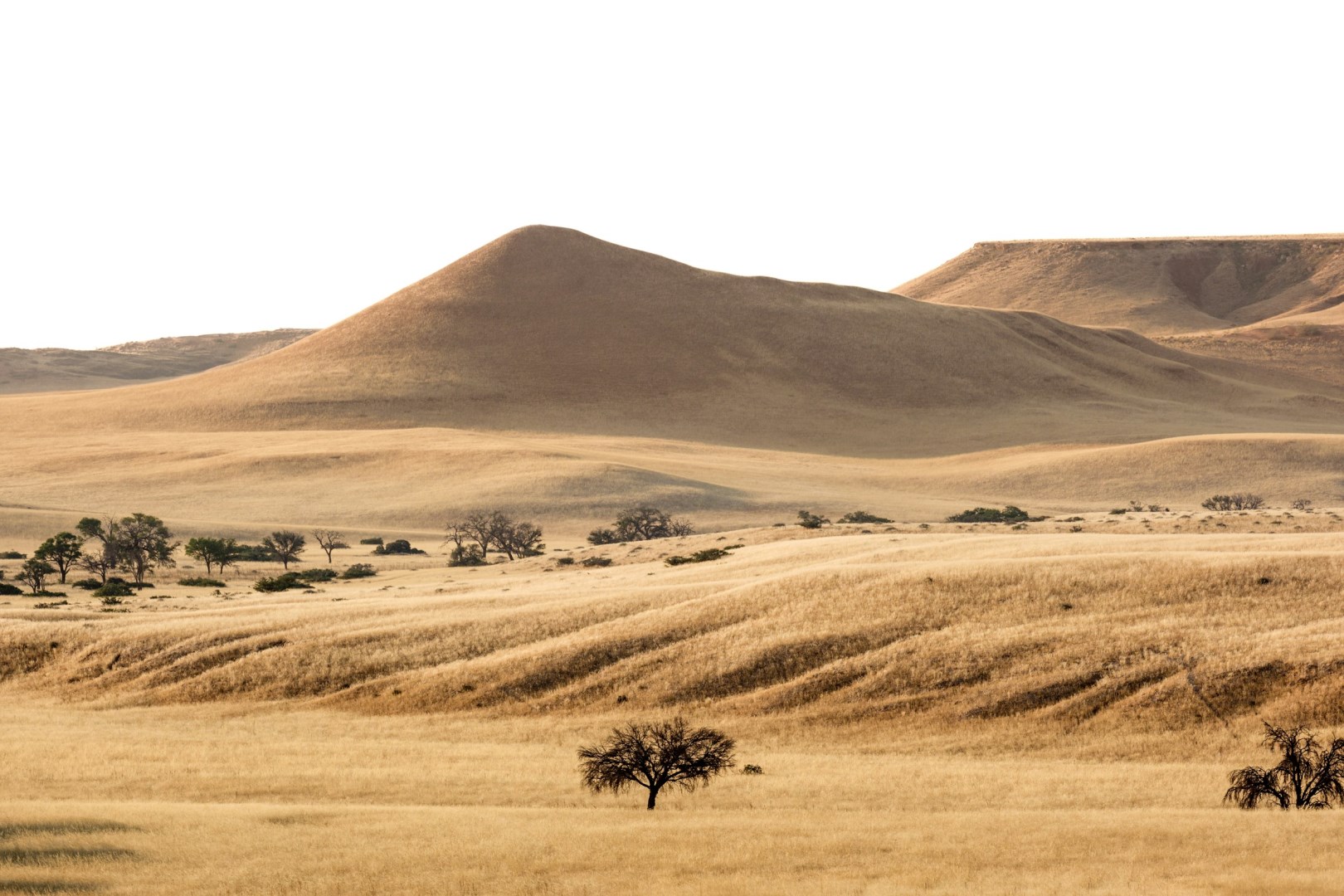
Solitaire
Solitaire is a small settlement in central Namibia, positioned where routes from Windhoek, Walvis Bay, Sesriem, and the Namib-Naukluft region meet. Its isolated location among gravel plains, rocky hills, and dry river valleys makes it a practical stopping point on journeys through the Namib Desert.


