Philae
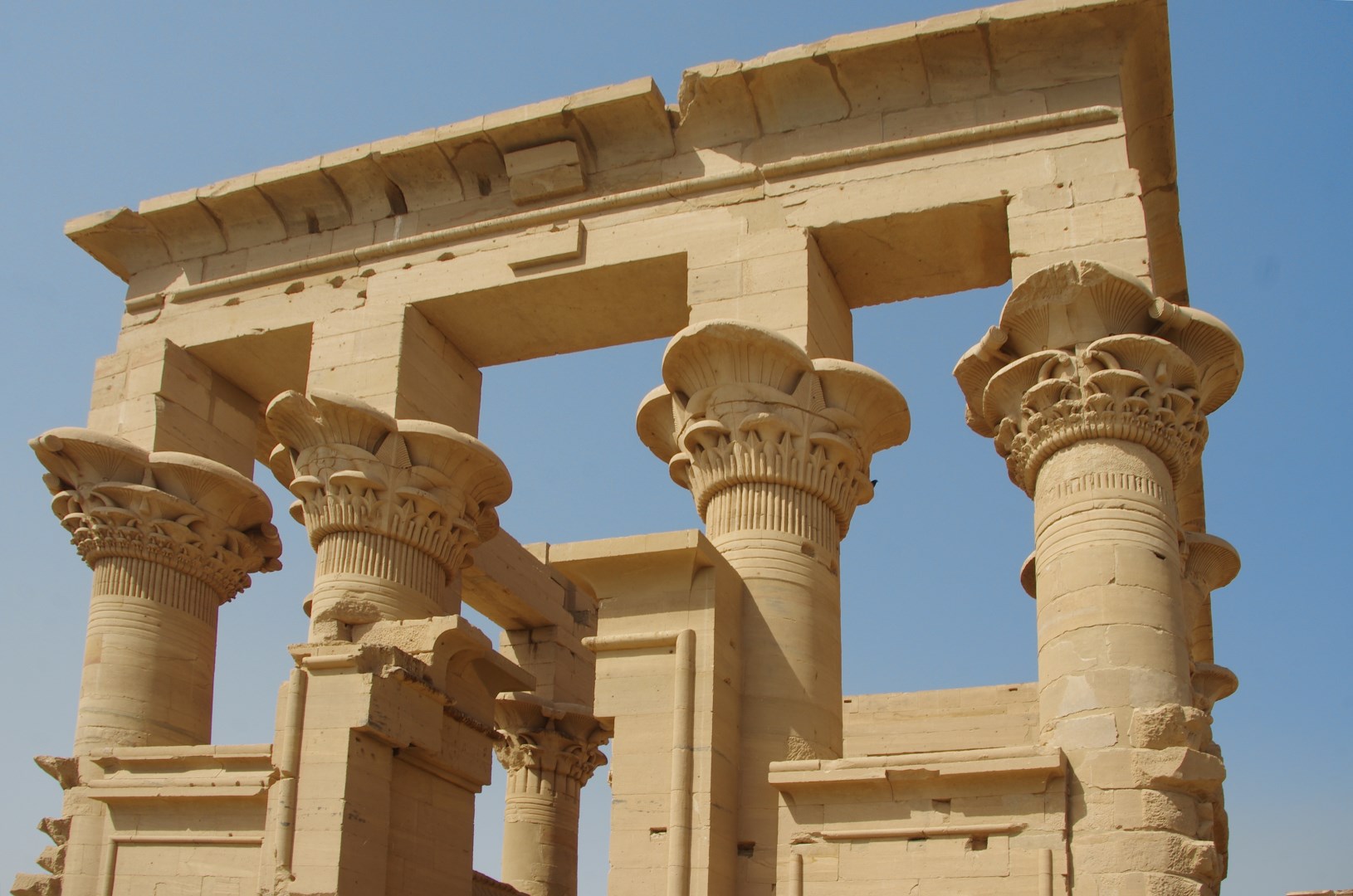
Philae Temple Complex sits on an island in the Nile near Aswan, where calm water and granite hills create a setting that feels carefully placed in the river. The temple buildings rise from the island like carved stone reflections of the cliffs around them, and reaching the site requires a short boat ride across still waters. This approach is part of the experience, as visitors leave the shore behind and glide toward an island that seems built for slow discovery.

Angkor Wat
Angkor Wat, located near Siem Reap in Cambodia, is a mesmerizing testament to the grandeur of the Khmer Empire and one of the world's most remarkable archaeological sites. Built in the early 12th century by King Suryavarman II, Angkor Wat was originally dedicated to the Hindu god Vishnu but later became a Buddhist temple.

Portimão
Portimao is a port city on the southern coast of Portugal and offers easy access to some of the country's best beaches.

Roseau
Roseau, the lively capital of Dominica, is a city where history and nature coexist in striking harmony. Established on the site of an ancient Kalinago settlement, the town reflects its colonial past through French-inspired architecture, colorful buildings, and historic churches.
O'ahu Island
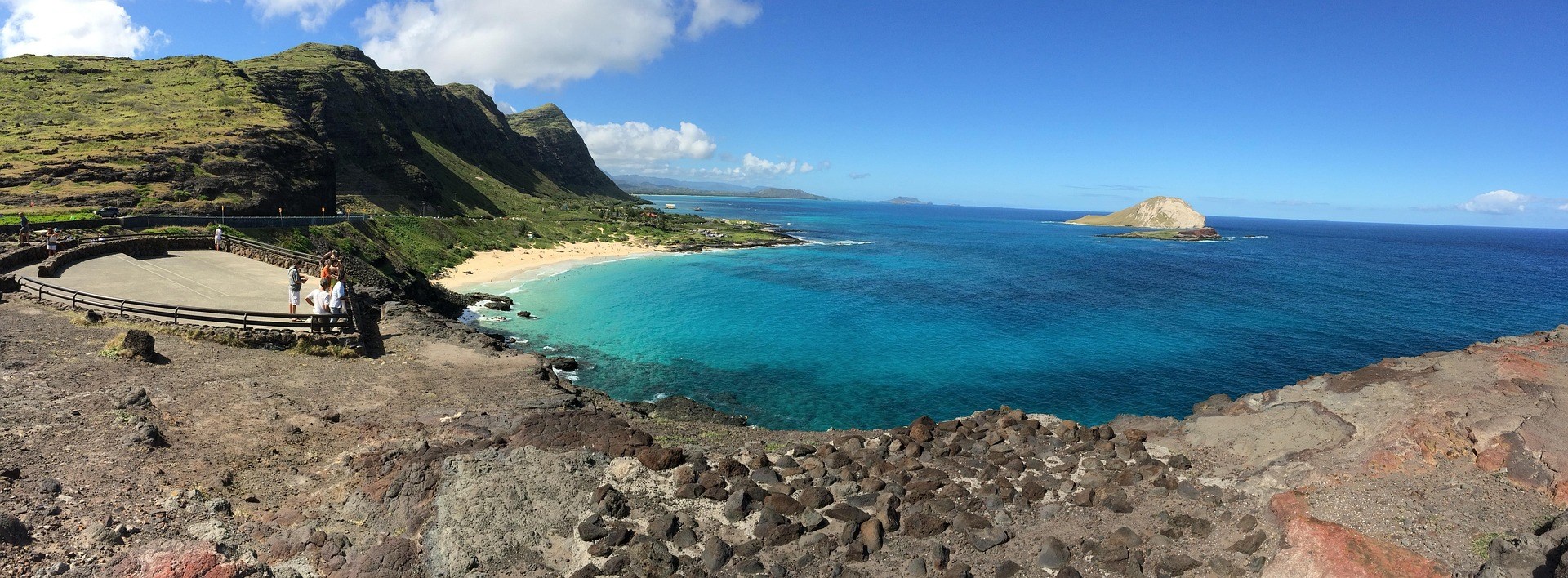
The most heavily populated of the Hawaiian islands, Oahu is known as the Gathering Place. Two parallel mountain ranges, the Koolau Range and the Waianae Range, cross Oahu from northwest to southeast. . Among the many popular beaches is the renowned Waikiki, backed by the famous Diamond Head, an extinct volcano.