Libya
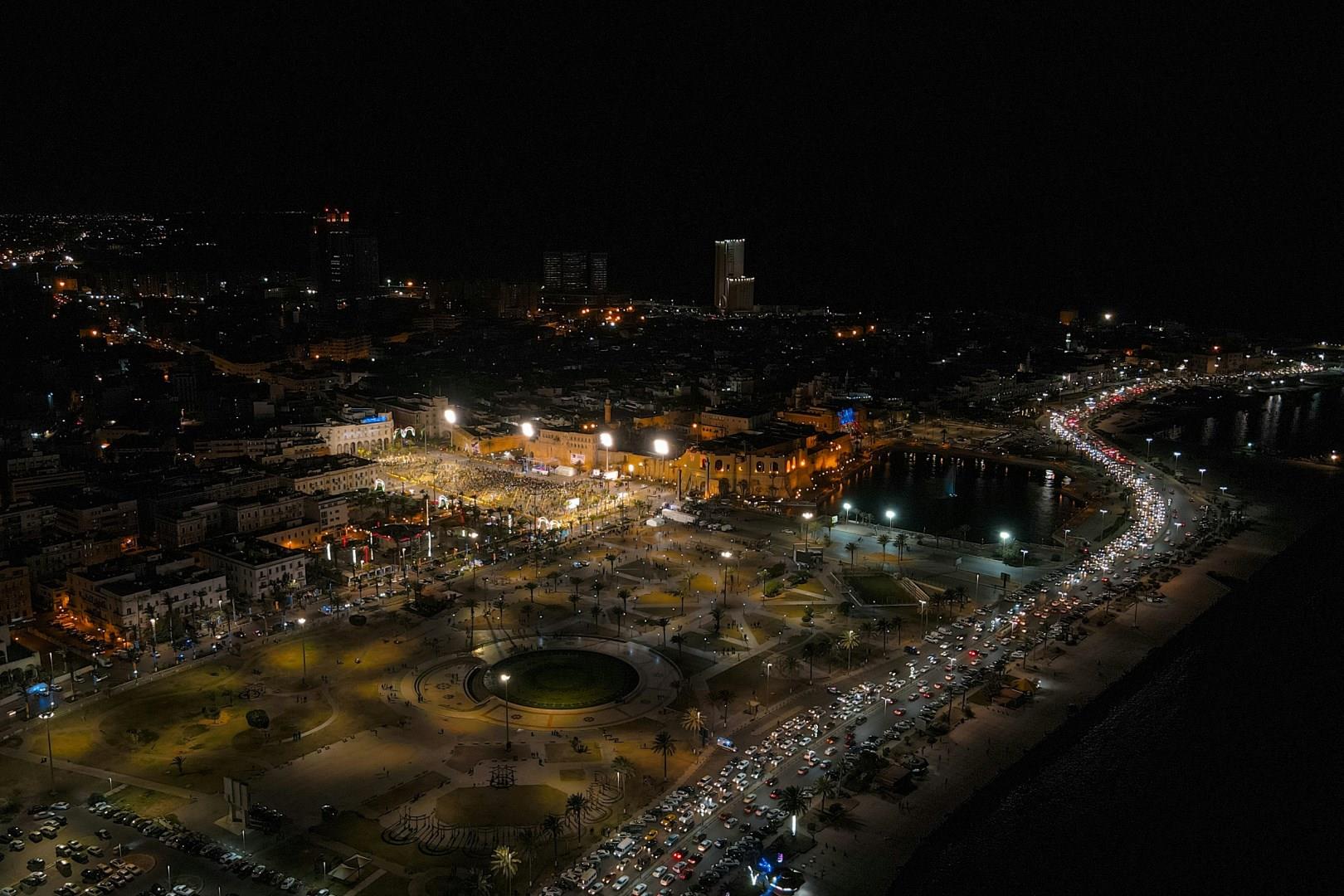
Libya, located in North Africa along the Mediterranean coast, is a country of vast deserts, ancient history, and dramatic landscapes. Much of its terrain is dominated by the Sahara Desert, with sand dunes, rocky plateaus, and oases shaping life across the country.
Omaha
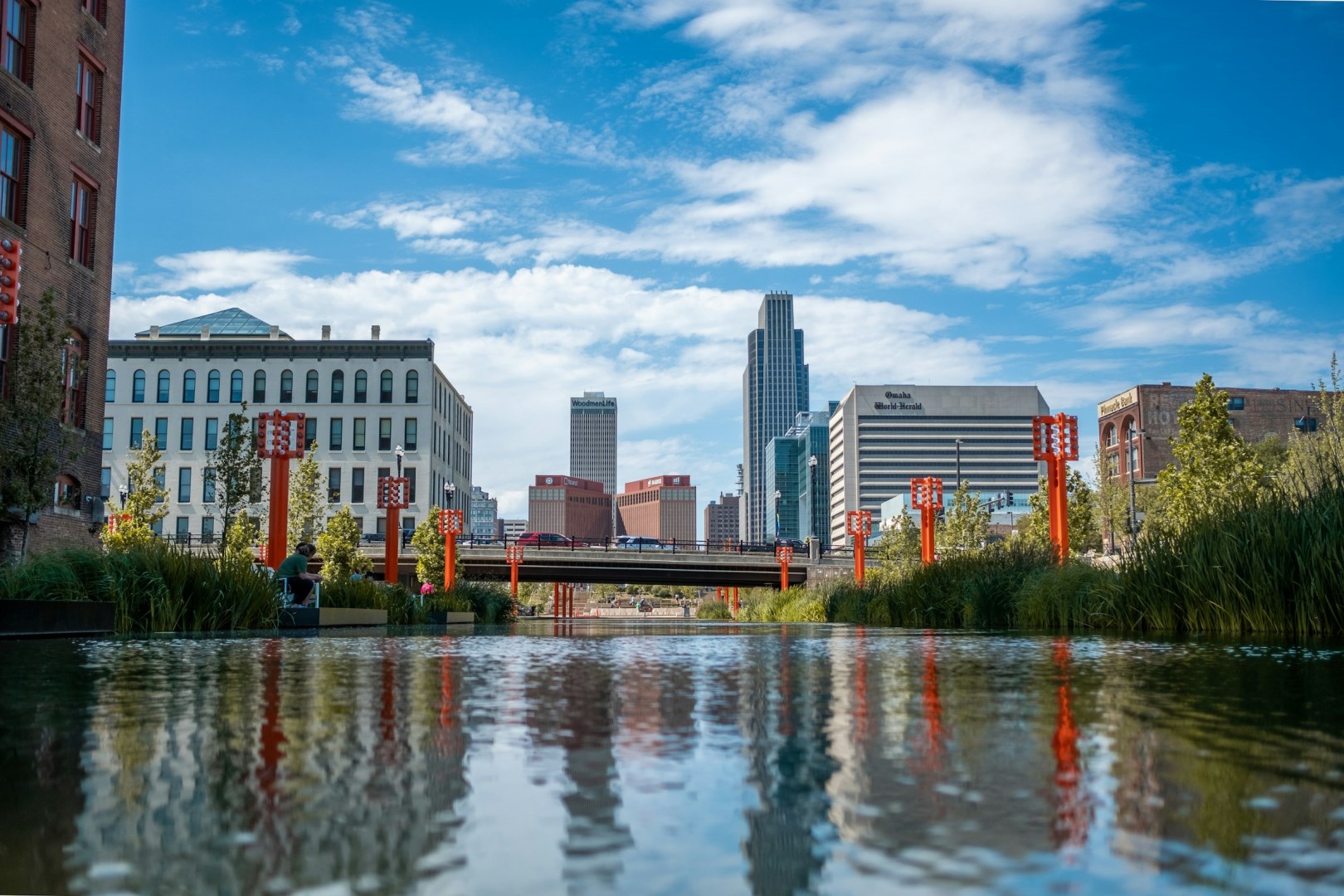
Omaha, city in eastern Nebraska. The seat of Douglas County, it is a port of entry on the Missouri River, opposite Council Bluffs, Iowa. The largest city in Nebraska, Omaha is a commercial, manufacturing, and transportation center situated in a productive livestock-raising and grain-farming region.
Varadero
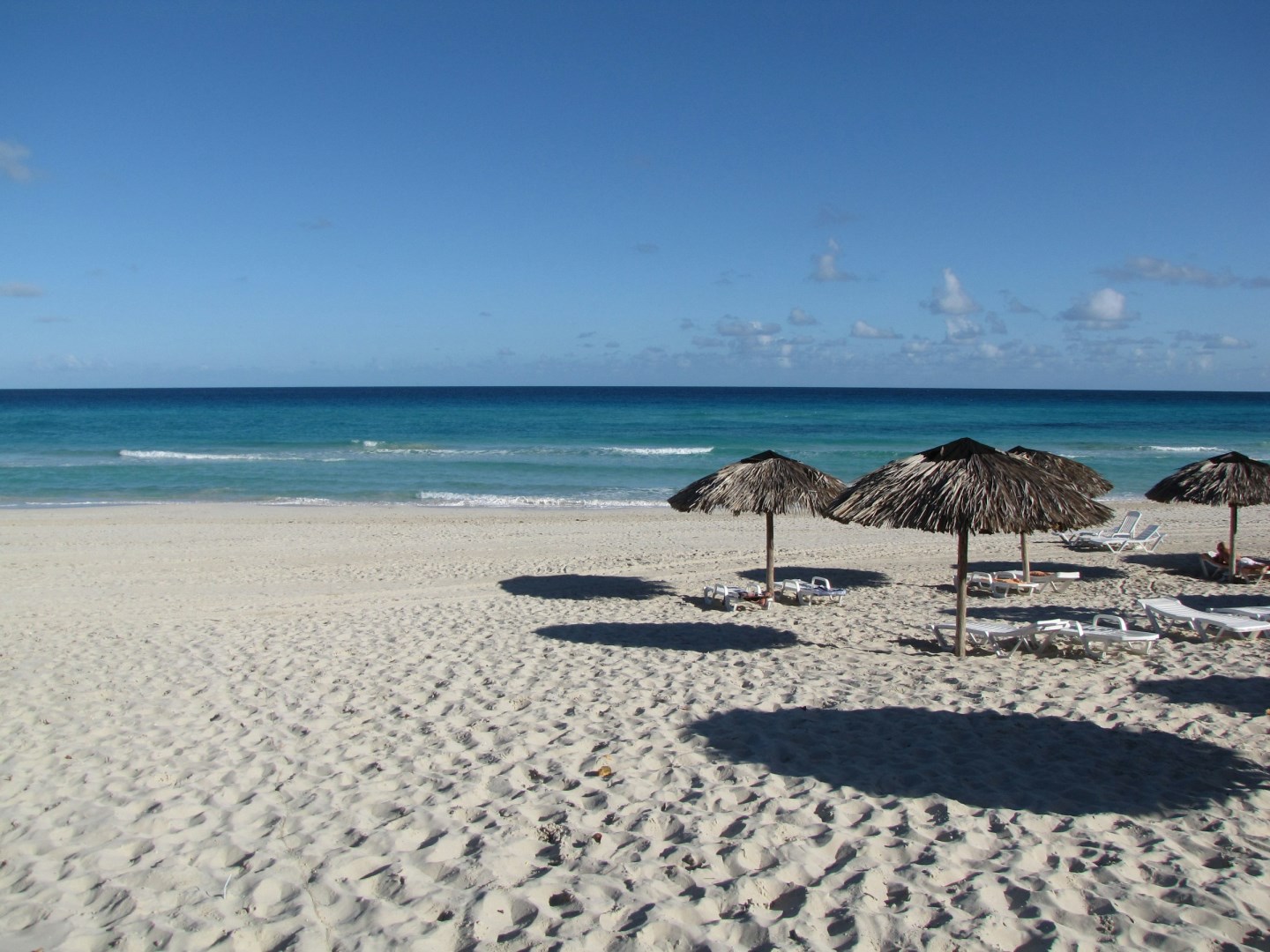
Varadero, set along Cuba’s Hicacos Peninsula, is one of the Caribbean’s most renowned beach destinations. Its 20 kilometers of powdery white sand and clear turquoise waters have made it a favorite for relaxation, water sports, and resort stays.
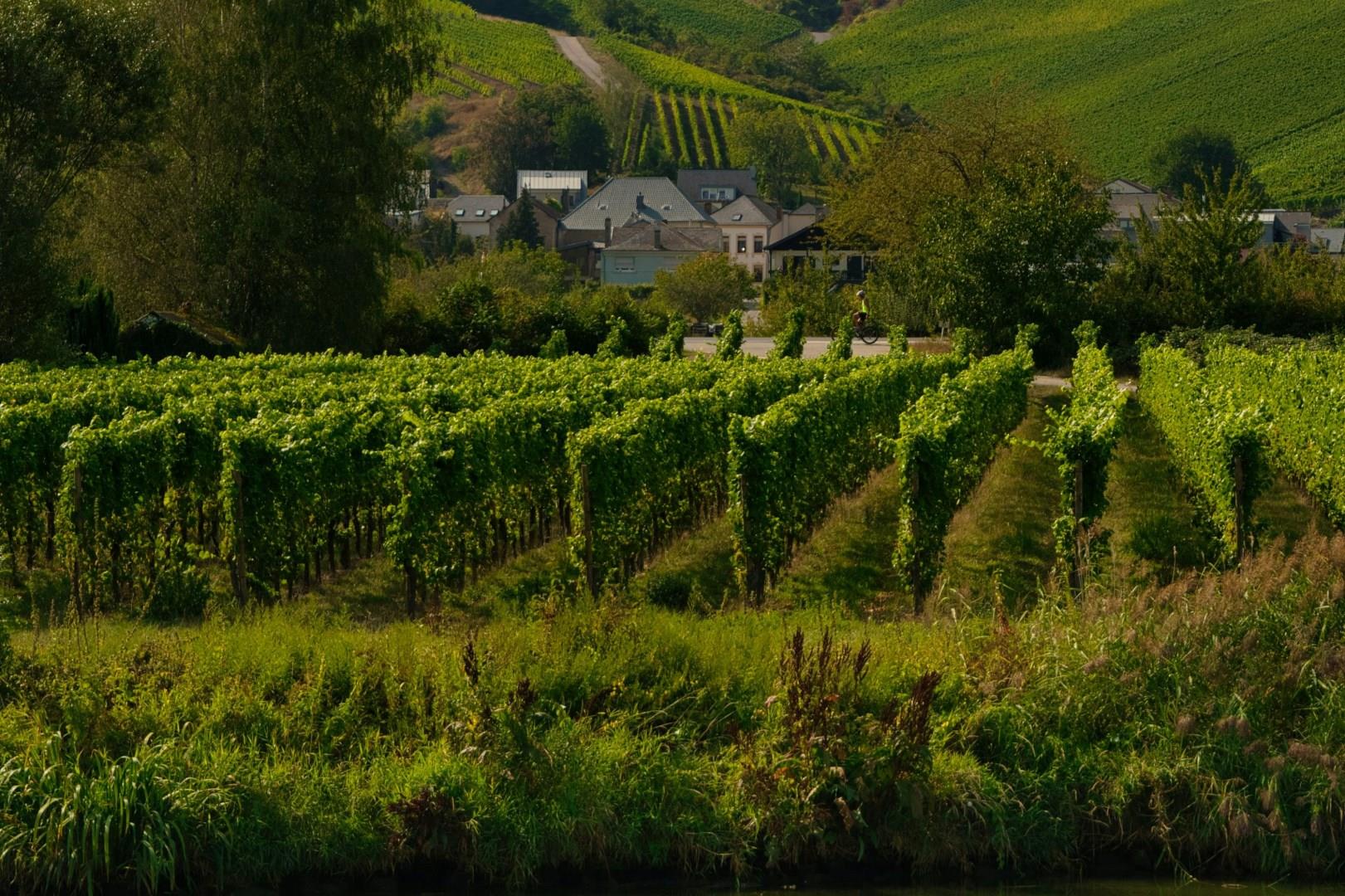
Remich
Remich, often referred to as the “Pearl of the Moselle,” is a captivating town nestled along the Moselle River in Luxembourg. This riverside gem is known for its historic vineyards that have shaped the region’s culture for centuries. Visitors can stroll along the river promenade, enjoying views of the gently flowing water framed by rolling hills covered in vineyards that produce some of Luxembourg’s finest wines.

Šiaulia
Šiauliai, often referred to as the "City of the Sun" due to its high number of sunny days, is a vibrant gem in northern Lithuania. The city's most iconic landmark is the Hill of Crosses, a profound site of pilgrimage adorned with thousands of crosses placed by visitors over the decades. This unique and moving monument, which has been recognized by UNESCO for its cultural significance, symbolizes the resilience and spirit of the Lithuanian people.