

Reykholt
Nestled in the scenic Borgarfjörður region of Iceland, Reykholt is a quaint village steeped in historical significance and natural beauty. While it is well known as a center of learning and culture during the medieval period, Reykholt is also famed for its stunning landscapes and geothermal activity. The town's nearby hot springs, including the historic Snorralaug, a medieval bathhouse, offer a unique opportunity to soak in waters that have been enjoyed for centuries.
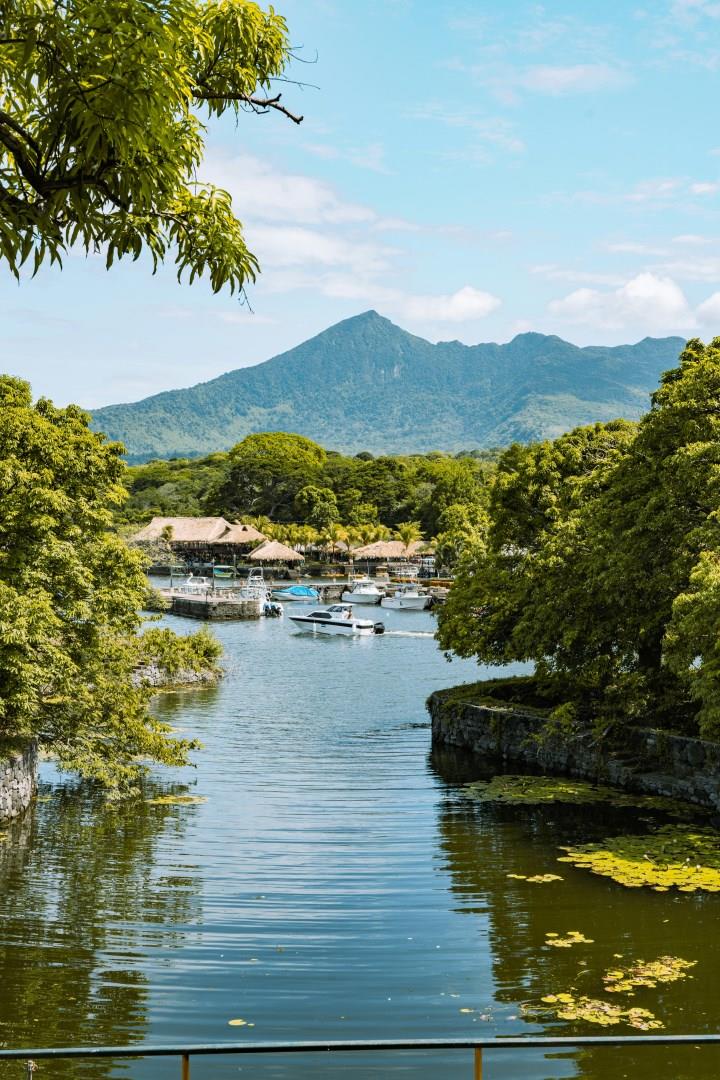
Granada
Granada, Nicaragua, founded in 1524, is one of the oldest European-established cities on the mainland of the Americas where visitors can explore cobblestone streets lined with brightly painted facades. The mustard-yellow Granada Cathedral dominates the central park and provides an easy reference point for those navigating the city on foot or by traditional horse-drawn carriage.
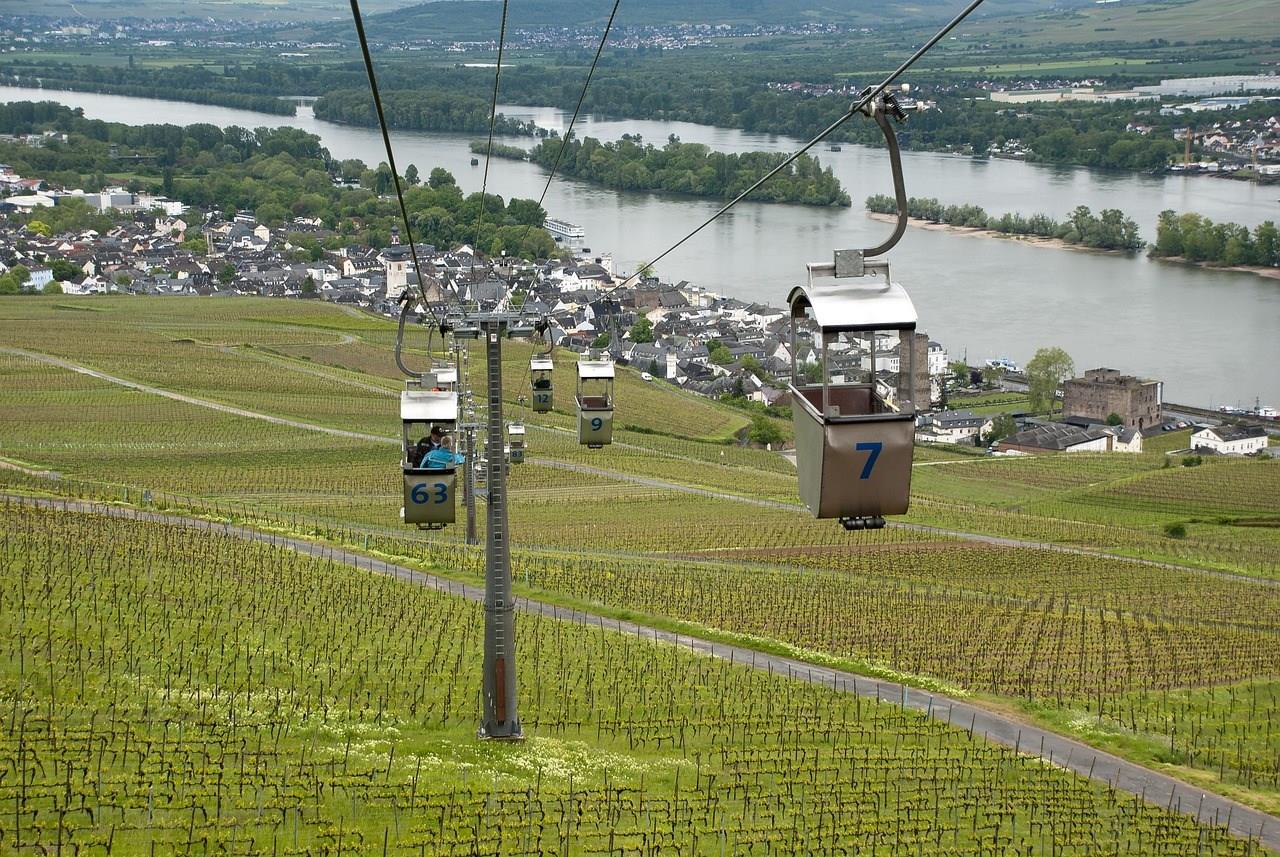
Rüdesheim
This city in the Rhine Gorge is known for its winemaking, dramatic landscapes and 15-minute cable car ride to the Niederwald Monument (celebrating the German victory over France in 1871).

Cinque Terre
Cinque Terre, a UNESCO World Heritage Site, is a slice of Italian paradise nestled along the rugged Ligurian coast. This collection of five fishing villages—Monterosso, Vernazza, Corniglia, Manarola, and Riomaggiore—offers visitors a breathtaking landscape of pastel-colored homes perched on cliffs overlooking the Mediterranean.

Cadiz
With its captivating blend of ancient history, sun-drenched beaches, and vibrant Andalusian culture, Cádiz, Spain, stands as one of Europe’s oldest continually inhabited cities. Founded over 3,000 years ago by the Phoenicians, this coastal gem in southern Spain offers a rich tapestry of historical sites and modern charms. The old city of Cádiz is a labyrinth of narrow cobblestone streets, whitewashed houses, and hidden plazas that evoke the city’s Moorish past.
