
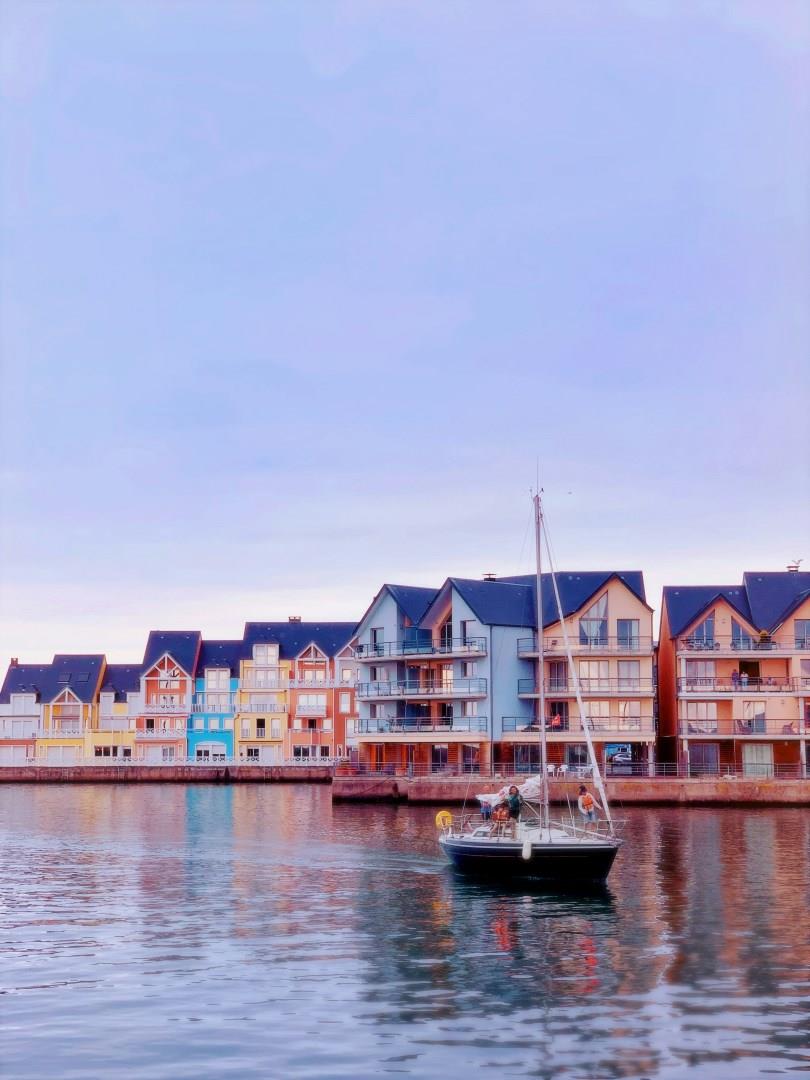
Deauville
Deauville sits on the Normandy coast of northern France and has long been associated with seaside leisure, elegance, and cultural life. Developed in the mid-19th century as a resort for Parisian society, the town quickly became a place where architecture, fashion, and social rituals shaped its identity.

Canary Islands
The Canary Islands, a Spanish archipelago off the northwest coast of Africa, offer far more than just sunshine and beaches. Made up of eight main islands, each with its own personality, the Canaries are a place where lunar landscapes, cloud forests, volcanic peaks, and historic towns coexist within short travel distances. On Tenerife, Mount Teide looms over a landscape of solidified lava and craters that look like a science fiction set.
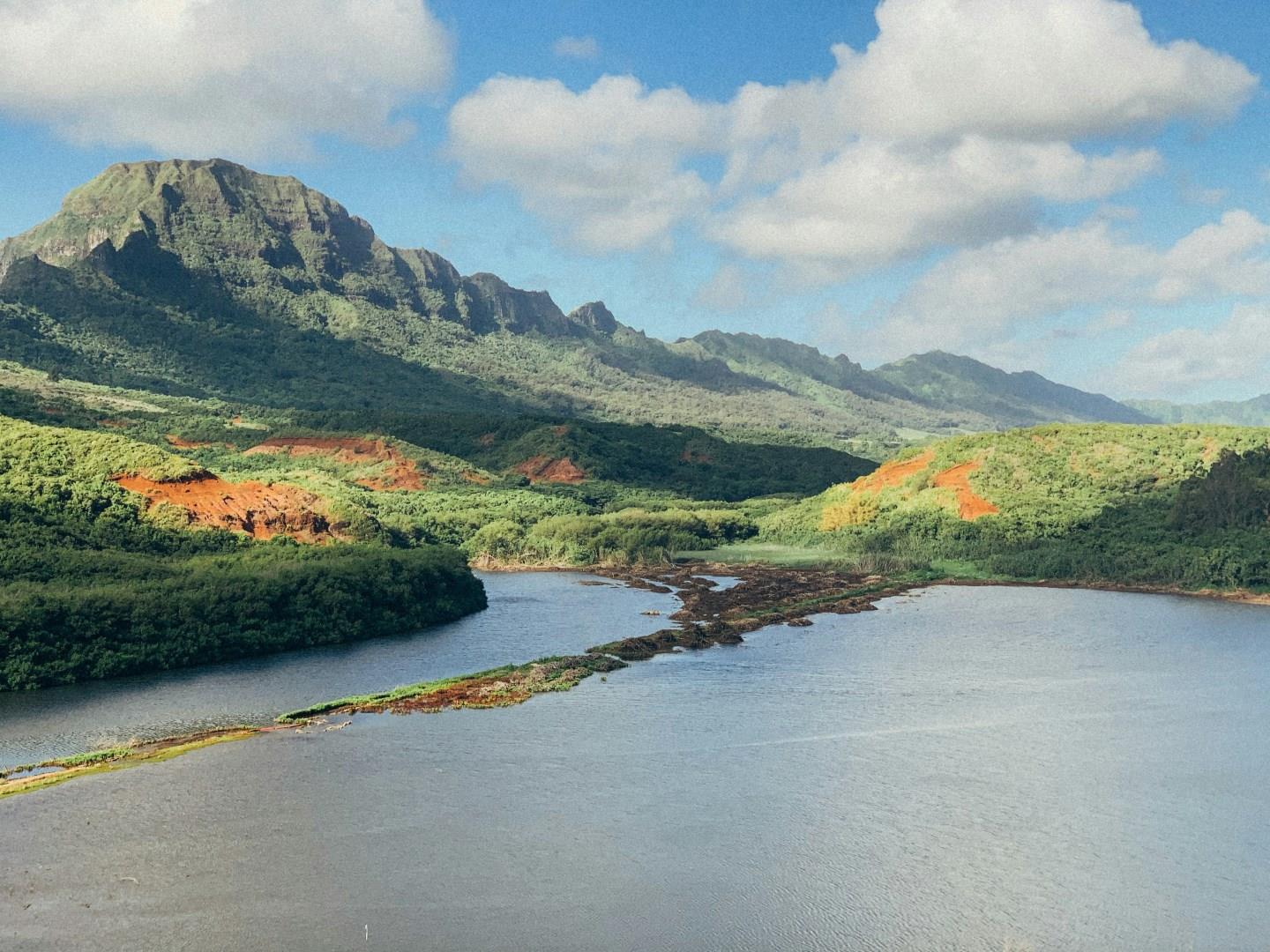
Lihue, Kauai
Lihue, the main town on the Hawaiian island of Kauai, blends administrative importance with island charm. As the county seat, it’s the hub of government and commerce, but it also serves as the welcoming gateway for travelers arriving at Lihue Airport or through its nearby harbor.

Guernsey
Guernsey, the second-largest of the Channel Islands, blends coastal landscapes with a deep-rooted history shaped by centuries of outside influence. Though located closer to France than to mainland Britain, Guernsey is a British Crown Dependency with its own government and a distinct identity. The capital, St Peter Port, is a hillside town overlooking a natural harbor, where visitors can explore narrow lanes, stone stairways, and 18th-century buildings.
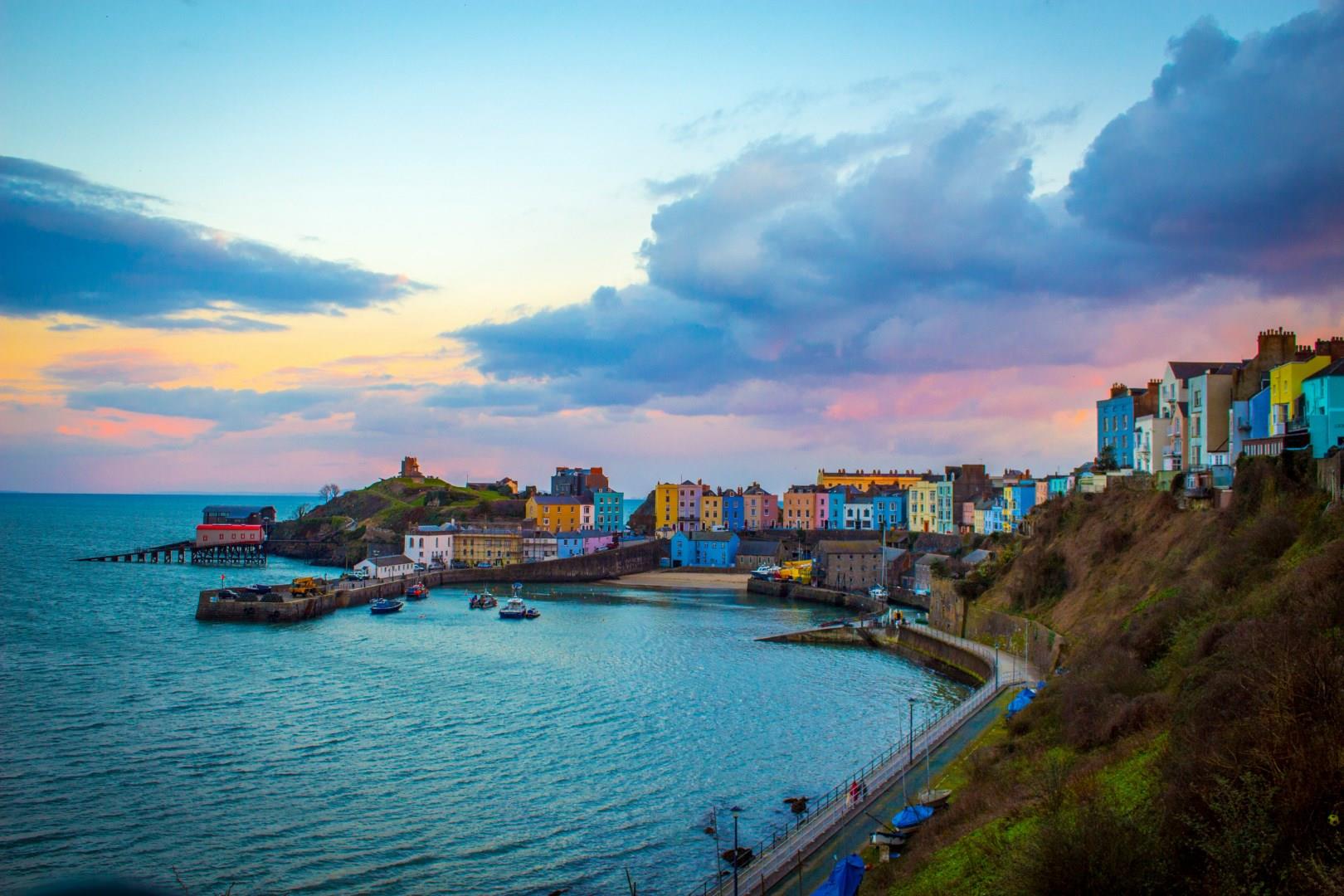
Tenby
Tenby sits on the Pembrokeshire coast of southwest Wales, where medieval walls still encircle a compact town above the sea. Its history as a fortified port is visible in stone ramparts, narrow lanes, and the ruins of Tenby Castle, which overlook the harbor.
