

Dominica
Dominica, known as the “Nature Island of the Caribbean,” is a haven for eco-tourists and adventure seekers. Nestled between the French islands of Guadeloupe and Martinique, this lush island boasts a remarkable landscape of volcanic mountains, dense rainforests, and stunning waterfalls. Dominica’s most iconic natural wonder is the Boiling Lake, the second-largest hot spring in the world.

Sapporo
Sapporo, (säp-pô´rô), capital of Hokkaido prefecture, SW Hokkaido, Japan. One of Japan's most rapidly growing urban centers, Sapporo is famous for its annual snow festival. It was the site of the 1972 winter Olympics.

Savuti
Savuti, located in the northern part of Botswana, is a prime destination for those seeking an extraordinary wildlife experience. Nestled within the Chobe National Park, Savuti is renowned for its dynamic landscapes and prolific game viewing opportunities. This area is particularly famous for its seasonal changes, where the Savuti Channel, a once-dry riverbed, transforms into a vibrant waterway during periods of flooding.
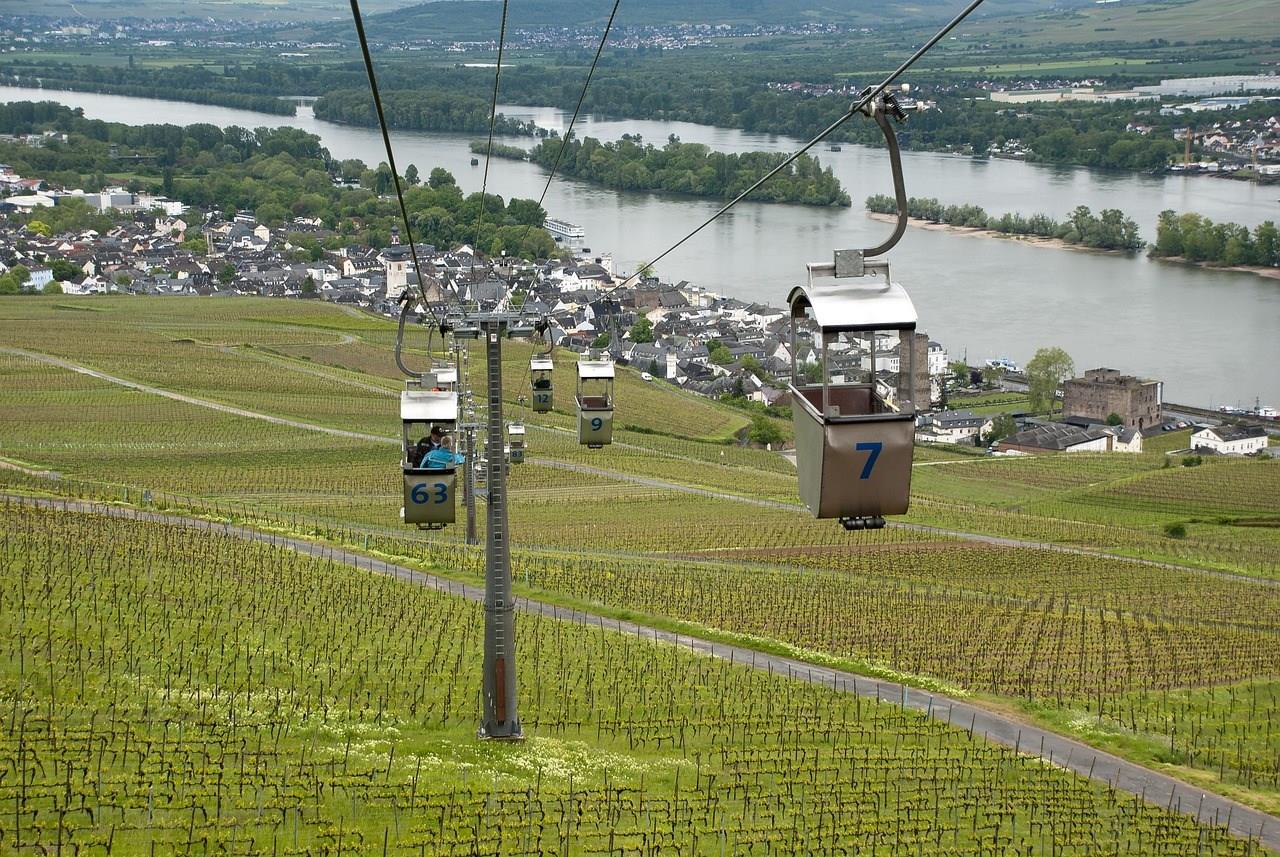
Rüdesheim
This city in the Rhine Gorge is known for its winemaking, dramatic landscapes and 15-minute cable car ride to the Niederwald Monument (celebrating the German victory over France in 1871).
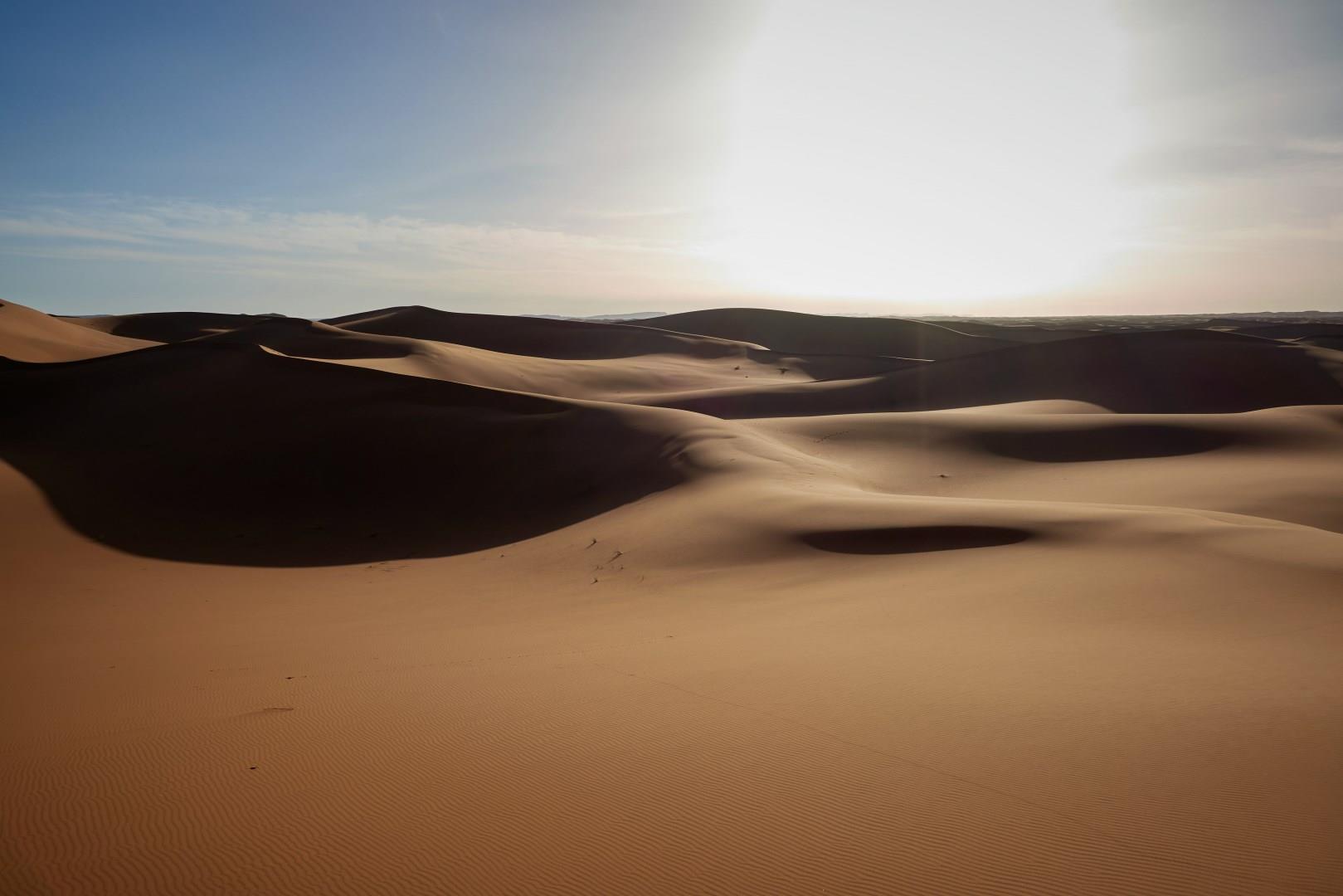
M'Hamid
M’Hamid El Ghizlane sits deep in southeastern Morocco’s Sahara, where the paved road ends and endless sands begin. Travelers often arrive from Zagora, taking in the wide palm groves fed by ancient irrigation channels that show how people have sustained life here for centuries. At sunrise and sunset, the dunes glow with waves of gold and copper, offering unforgettable views few places on earth can match.
