
Marshall Islands
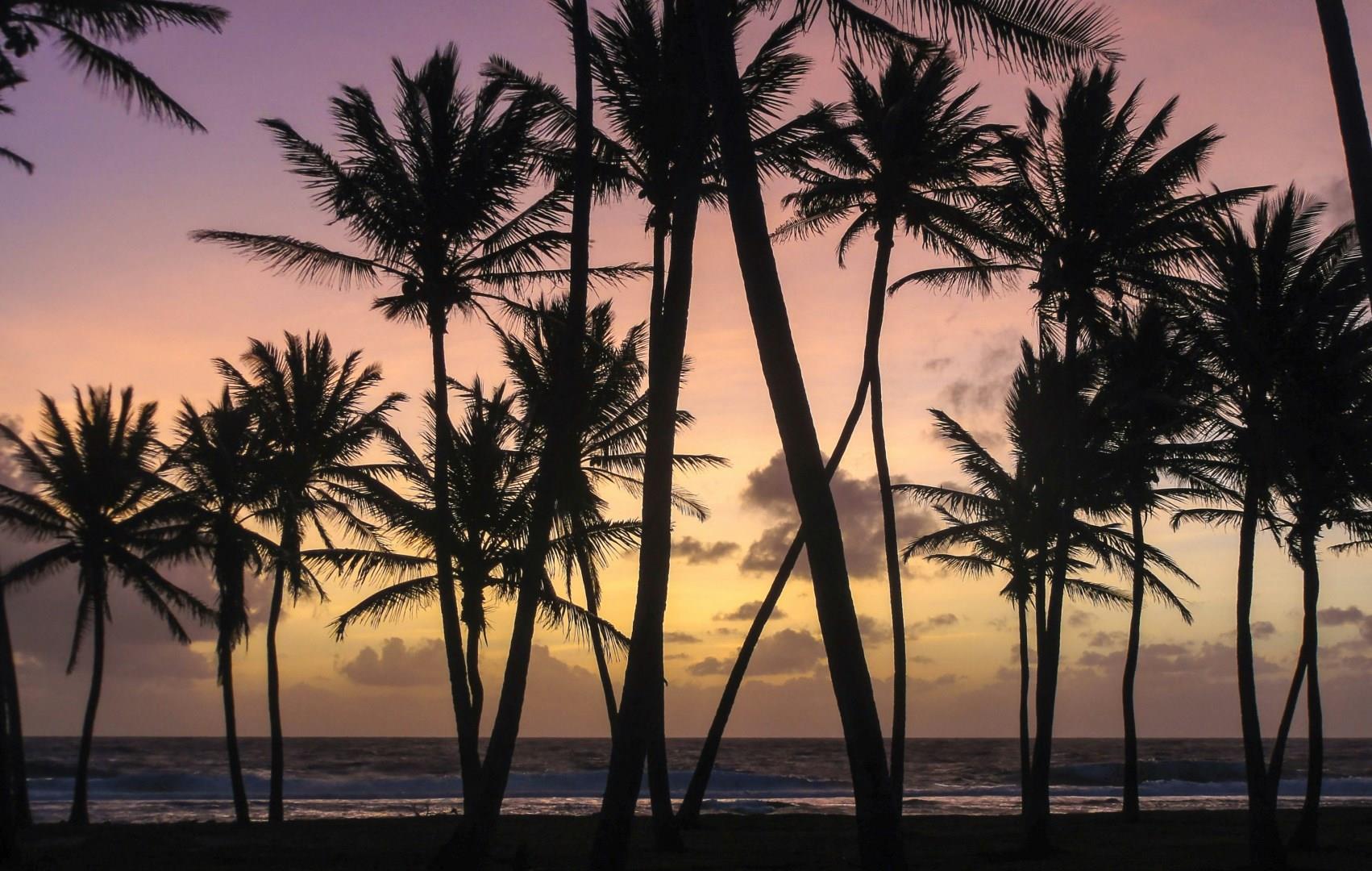
The Marshall Islands, a remote chain of atolls and islands in the central Pacific, invites travelers into a world where tradition, ocean life, and recent history all leave a lasting impression. Spread across nearly a million square miles of ocean, this independent nation offers rare access to some of the world’s most pristine marine environments.

Windhoek
Windhoek, the capital city of Namibia, is a vibrant and cosmopolitan hub nestled in the heart of the country. With its mix of German colonial architecture and modern African charm, Windhoek offers visitors a unique blend of history and contemporary culture. The city’s skyline is dominated by the striking Christuskirche, a Lutheran church built in 1907, which stands as a symbol of Namibia's German colonial past.
Baku
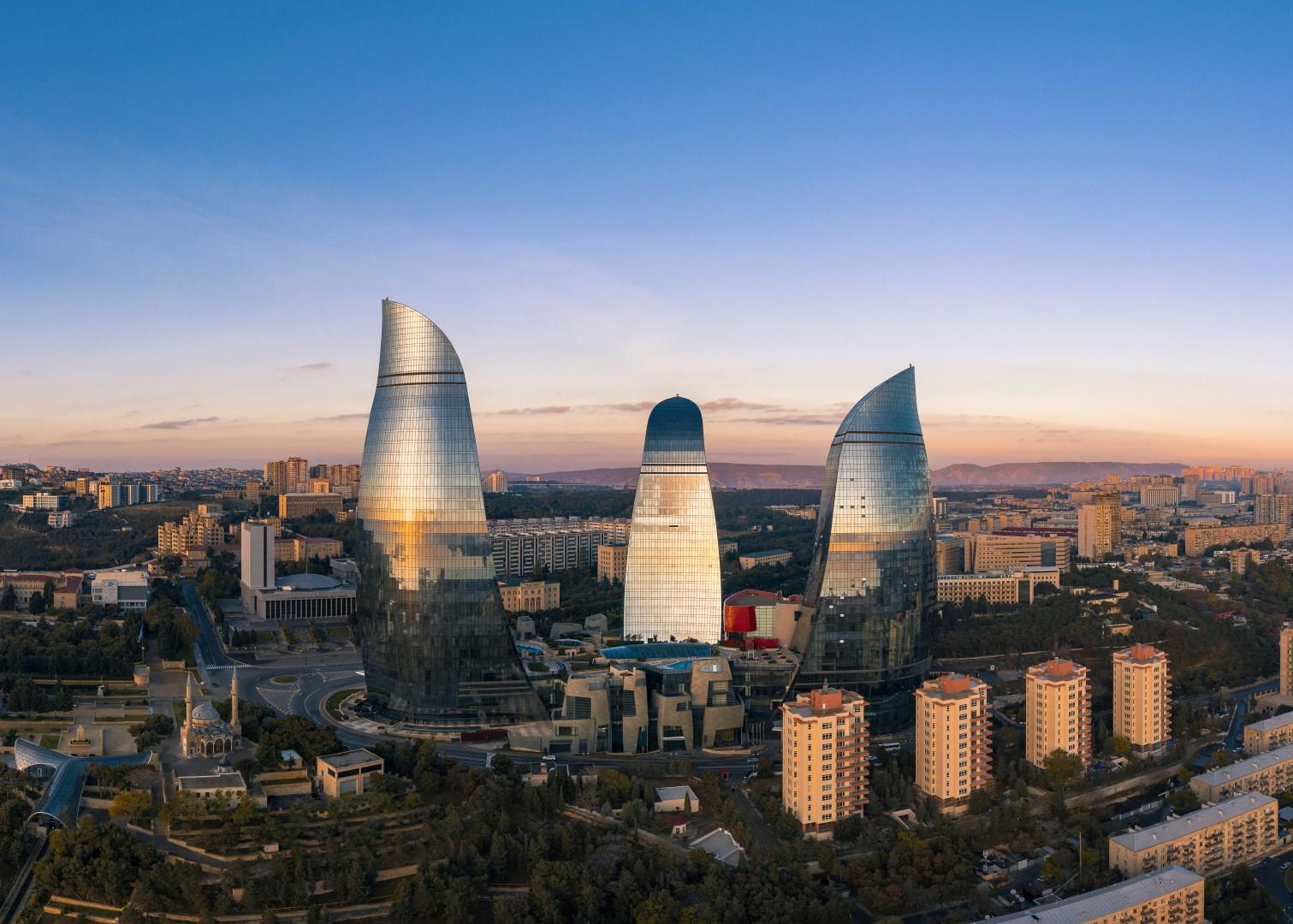
Baku, the capital of Azerbaijan, rises on the shores of the Caspian Sea as a city of striking contrasts. Its futuristic skyline, defined by the Flame Towers, glows each evening in waves of light, while the UNESCO-listed Old City preserves centuries of history within its fortified walls.
Volcanoes National Park
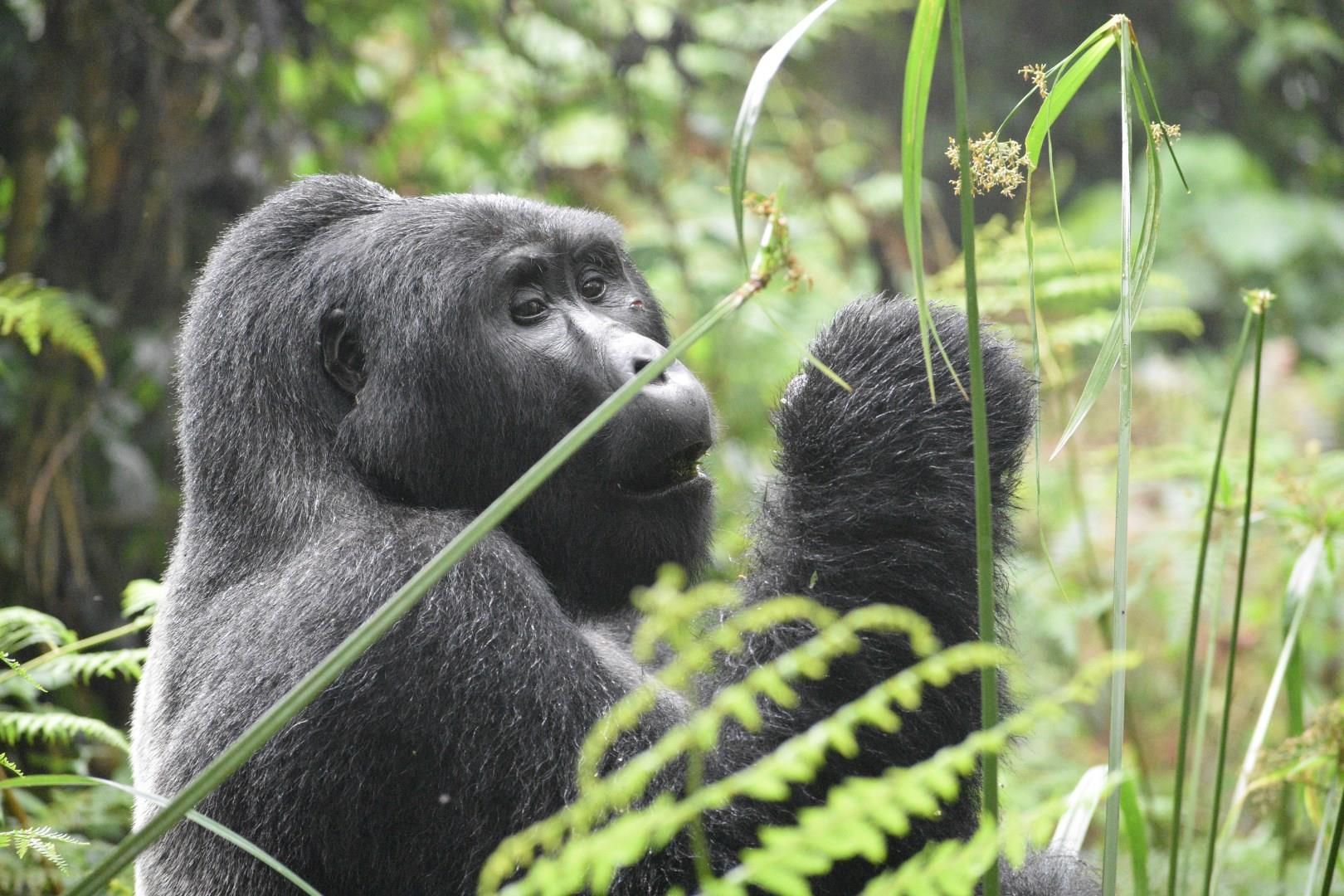
Volcanoes National Park, in northwestern Rwanda, is a place where dramatic volcanic landscapes meet extraordinary wildlife encounters. Stretching across the Virunga Mountains, the park is dominated by five towering volcanoes whose slopes are cloaked in rainforest and bamboo.

Saint Andrews
Saint Andrews, a picturesque town on Scotland's east coast, is a captivating blend of history, culture, and natural beauty. Known as the "Home of Golf," it is celebrated worldwide for its historic Old Course, one of the oldest golf courses in the world, dating back to the early 15th century. Golf enthusiasts will find a pilgrimage to the iconic Swilcan Bridge or the 18th hole of the Old Course to be an unforgettable experience.
