

Genoa
This thriving port city has so much to offer, including several museums, the beautiful historic quarter Porto Antico and La Lanterna. This lighthouse is Genoa's best known landmark and provides stunning views over the port and bay.

China
China, the world’s most populous country, stretches across vast landscapes ranging from the towering Himalayas and deserts of the north to fertile river valleys and bustling coastal cities. Its rich history spans thousands of years, marked by dynasties, inventions, and cultural developments that have left a lasting imprint on art, architecture, and philosophy.

New Orleans
New Orleans is unlike any other city in the United States. Founded in 1718, it carries layers of French, Spanish, African, and Caribbean influence that can be felt in everything from its architecture to its street music. The French Quarter, the oldest neighborhood in the city, is full of iron-laced balconies, gas lamps, and narrow streets that echo with the sounds of live jazz.

Tangier
Located on the north coast of Morocco near the Strait of Gibraltar, Tangier is a cultural capital replete with historic sites, colorful architecture, and splendid beaches. An essential stop is the Ancien Medina, a walled collection of winding streets and alleys filled with cafes and shops leading to the Kasbah, a former palace and mosque that also houses a museum.
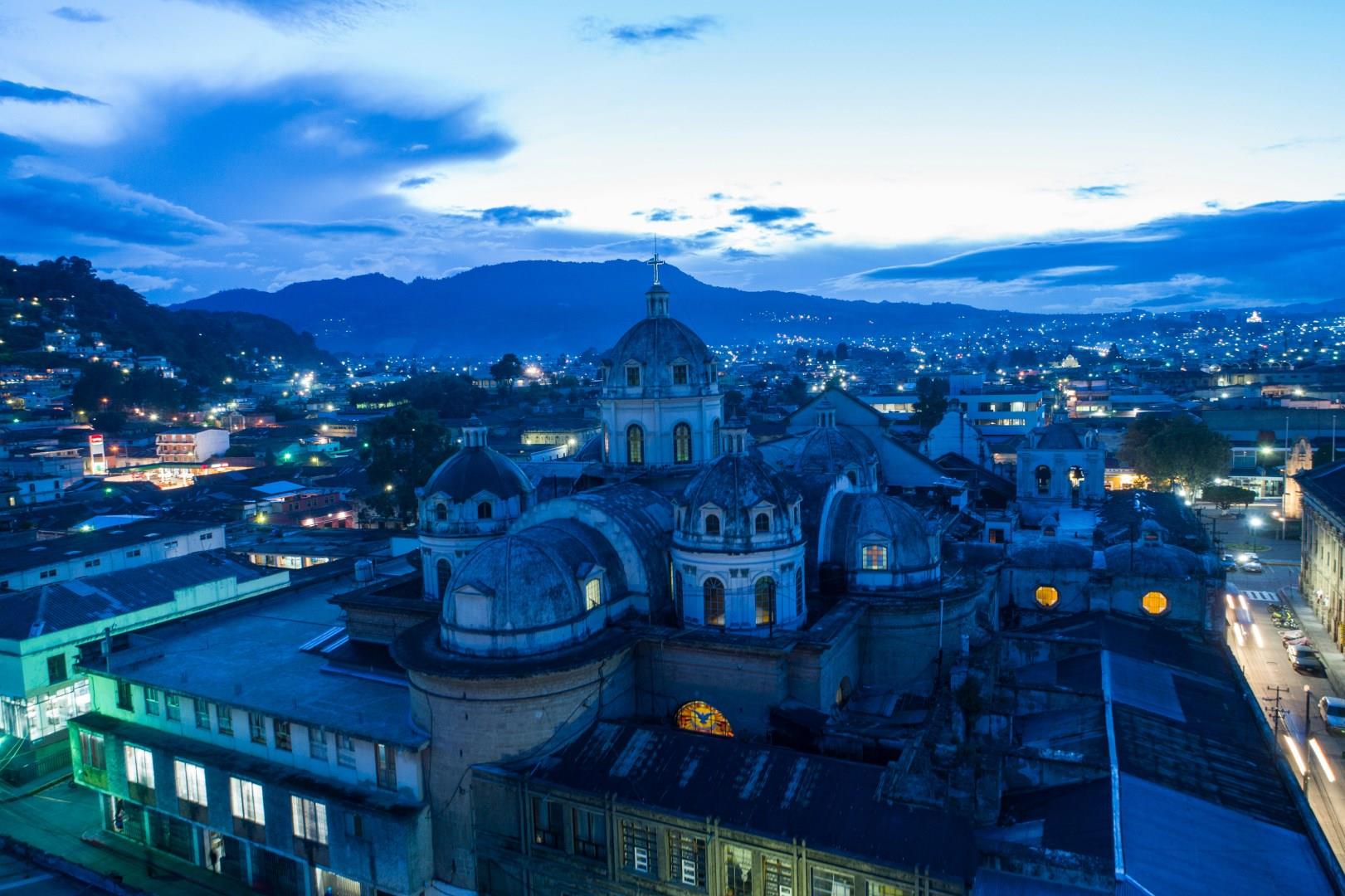
Quetzaltenango
Quetzaltenango, often called Xela by locals, is Guatemala’s second-largest city and a hub of indigenous culture, colonial history, and highland landscapes. Surrounded by volcanoes, including the towering Santa María, the city sits at over 7,600 feet above sea level, giving it a crisp mountain climate that contrasts with the country’s tropical lowlands.
