
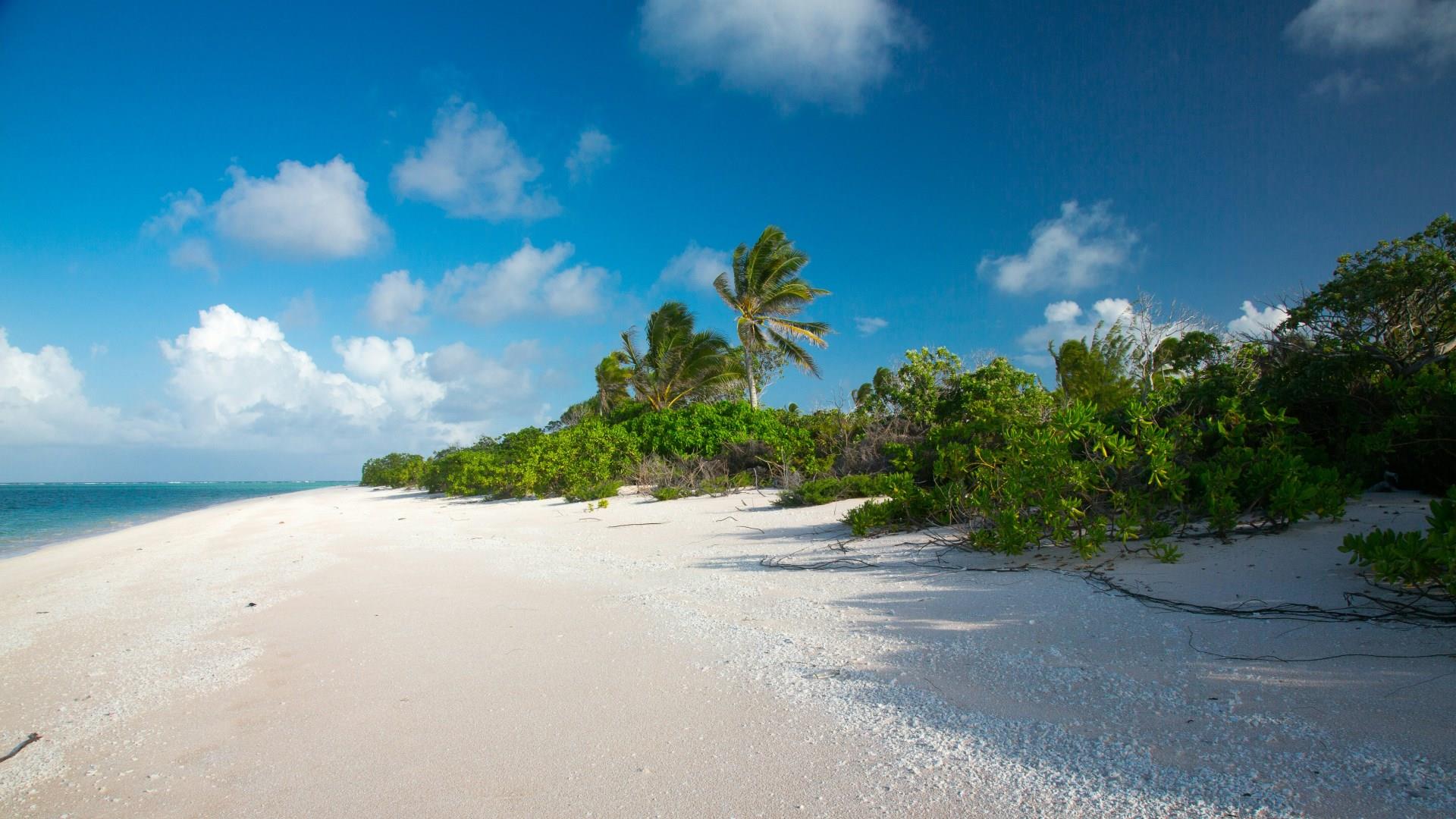
Bikini Atoll
Bikini Atoll, a remote ring of islands in the Marshall Islands, is one of the most sought-after wreck diving locations in the world. These underwater sites are preserved in a time capsule-like state, providing a rare look at history submerged in a silent world of coral and marine life.
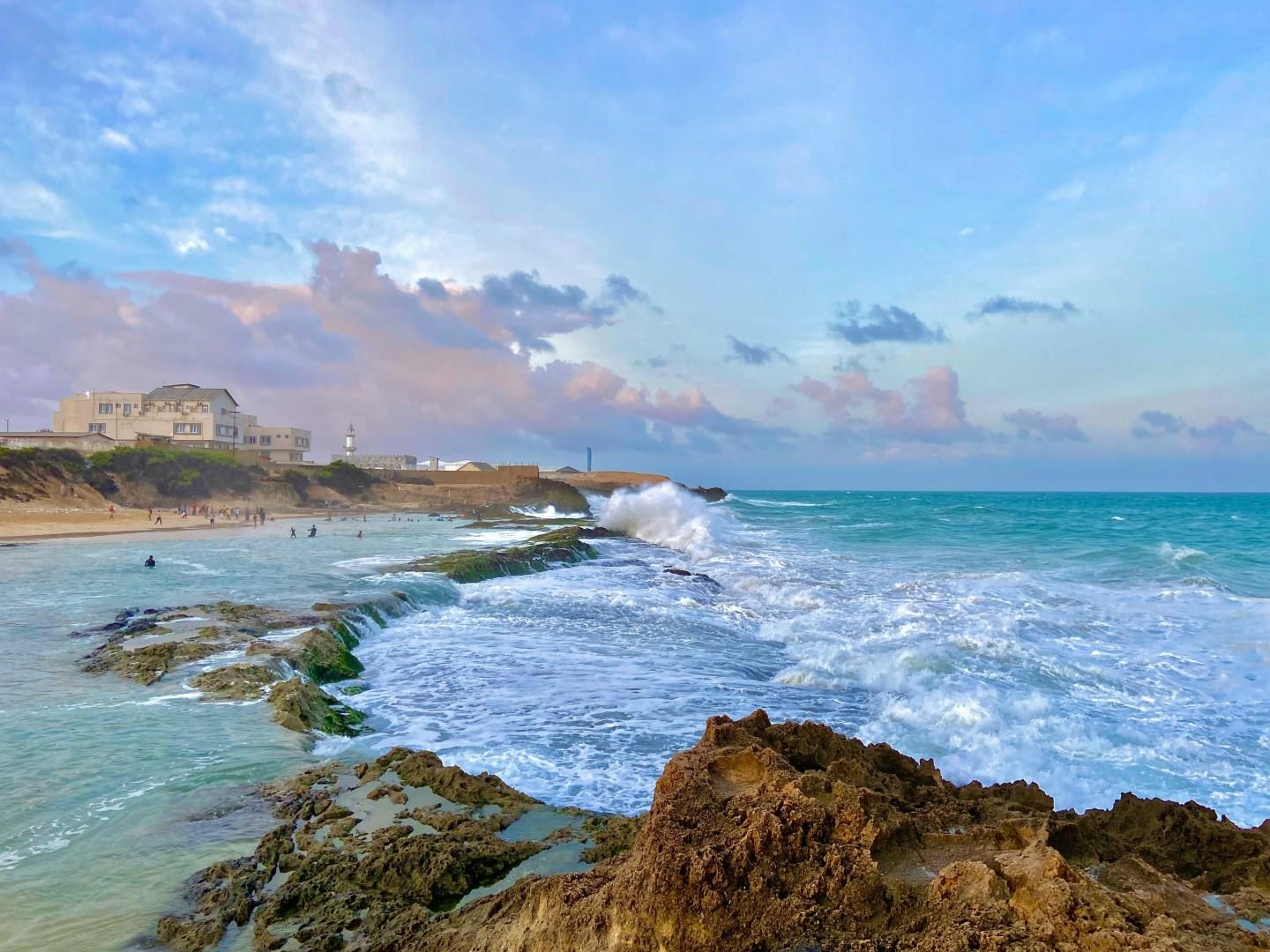
Somalia
Somalia, located on the Horn of Africa, is a land defined by its coastline, culture, and long history as a crossroads of trade. With the Indian Ocean and Gulf of Aden shaping much of its identity, Somalia has one of the longest coastlines in Africa, stretching over 1,800 miles.
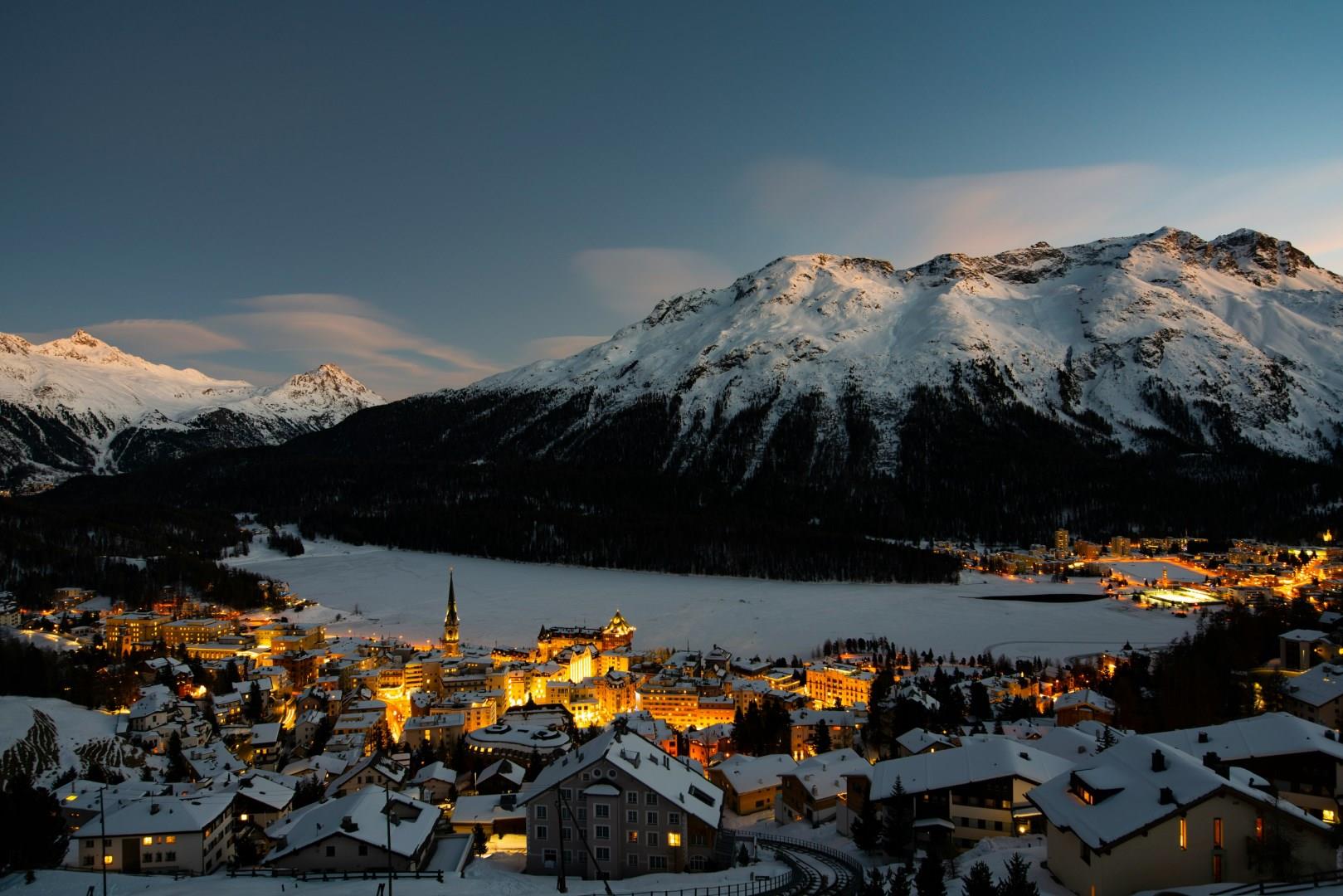
St. Moritz
St. Moritz, located in Switzerland’s Engadin Valley, has been attracting visitors for over 150 years, long before the term "alpine resort" became common. It was here in 1864 that winter tourism was born, when a hotelier made a wager with British guests that they would enjoy the snow just as much as the summer sun. They returned, and the rest is history. The town has since hosted the Winter Olympics twice (in 1928 and 1948) and remains a favorite for skiing, snowboarding, and ice sports.
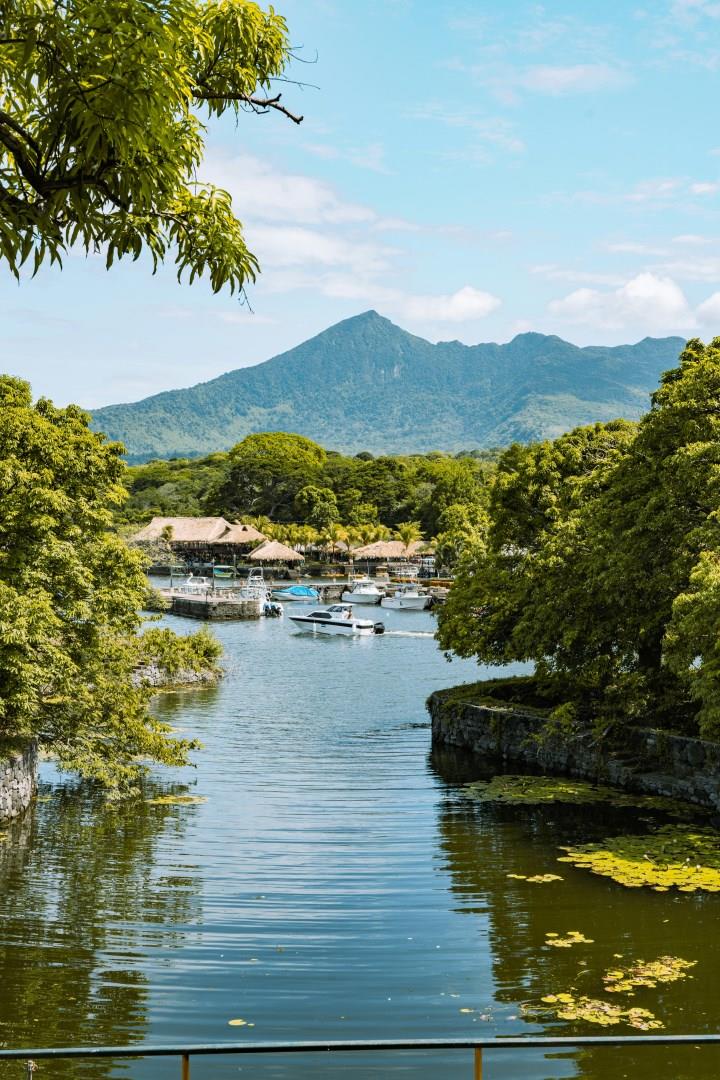
Granada
Granada, Nicaragua, founded in 1524, is one of the oldest European-established cities on the mainland of the Americas where visitors can explore cobblestone streets lined with brightly painted facades. The mustard-yellow Granada Cathedral dominates the central park and provides an easy reference point for those navigating the city on foot or by traditional horse-drawn carriage.
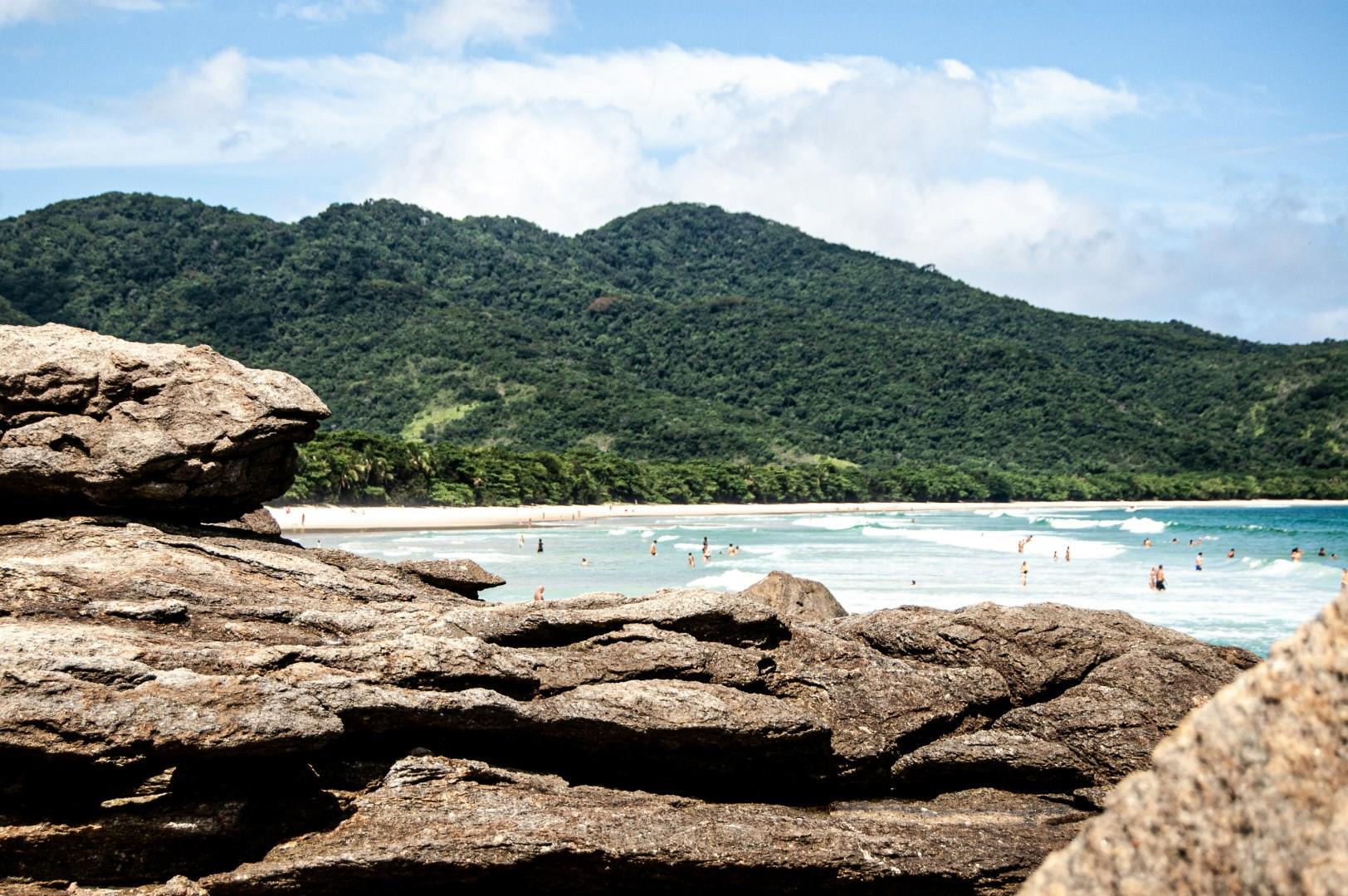
Ilha Grande
Ilha Grande, an island off the coast of Rio de Janeiro state, is a place where tropical forest and coastline meet in striking harmony. Once a pirate hideout and later the site of a penal colony, it has evolved into one of Brazil’s most remarkable island destinations. With no cars allowed and no large resorts, the island moves at a different pace, where footpaths and boats are the main ways to get around.
