
Lourdes
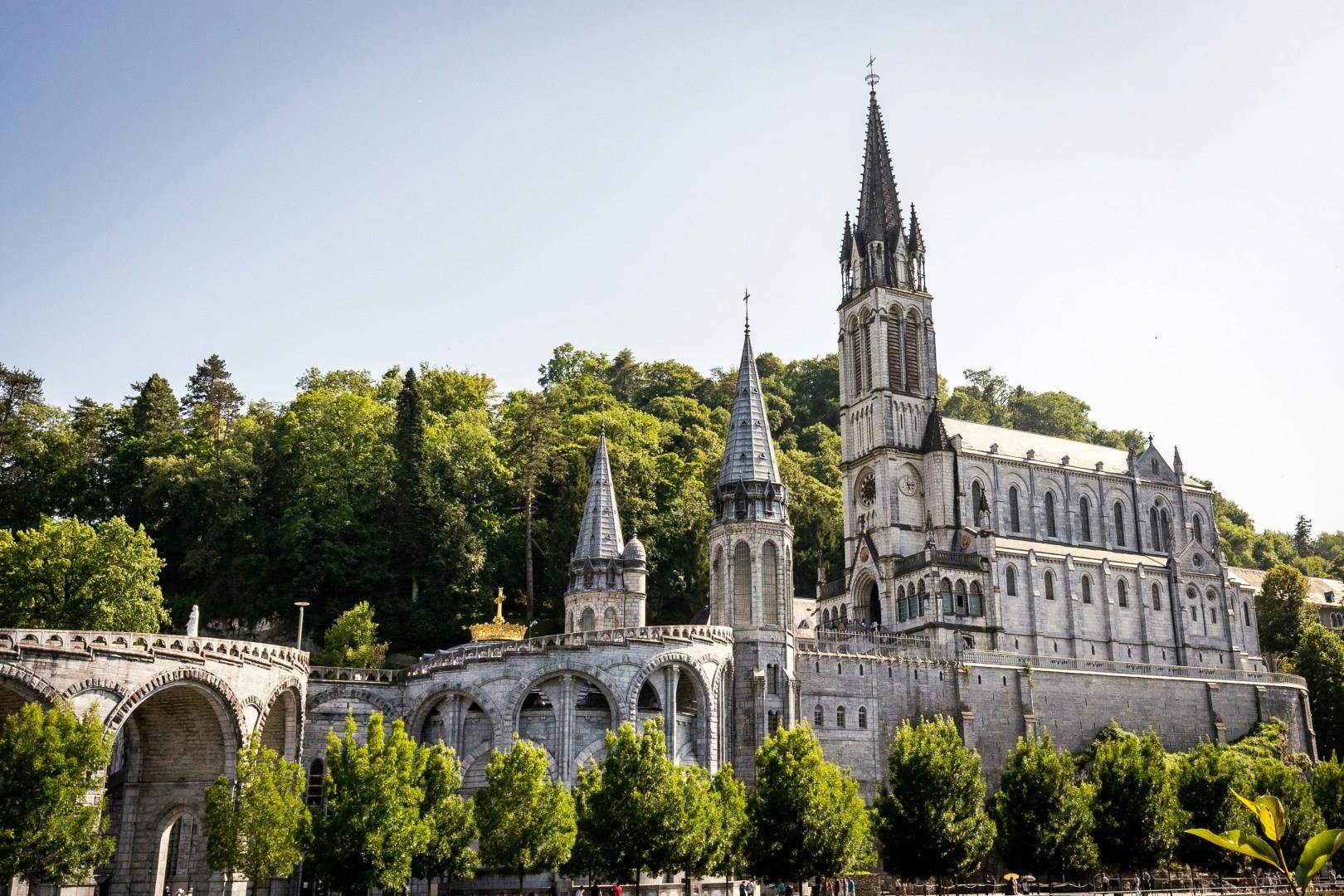
Located at the foot of the Pyrenees in southwestern France, Lourdes is best known for the Marian apparitions reported by 14-year-old Bernadette Soubirous in 1858. These events transformed the small market town into one of the most visited pilgrimage sites in the world. The Sanctuary of Our Lady of Lourdes, which includes the Grotto of Massabielle, the Basilica of the Immaculate Conception, and the underground Basilica of St. Pius X, draws millions each year.

Odense
At the very heart of Denmark lies Odense, birthplace of Hans Christian Andersen and Denmark's third-largest city - the fairy-tale capital of Funen, home to 200,000 people and with a history stretching back over 1000 years.

Dominica
Dominica, known as the “Nature Island of the Caribbean,” is a haven for eco-tourists and adventure seekers. Nestled between the French islands of Guadeloupe and Martinique, this lush island boasts a remarkable landscape of volcanic mountains, dense rainforests, and stunning waterfalls. Dominica’s most iconic natural wonder is the Boiling Lake, the second-largest hot spring in the world.

China
China, the world’s most populous country, stretches across vast landscapes ranging from the towering Himalayas and deserts of the north to fertile river valleys and bustling coastal cities. Its rich history spans thousands of years, marked by dynasties, inventions, and cultural developments that have left a lasting imprint on art, architecture, and philosophy.
Manama
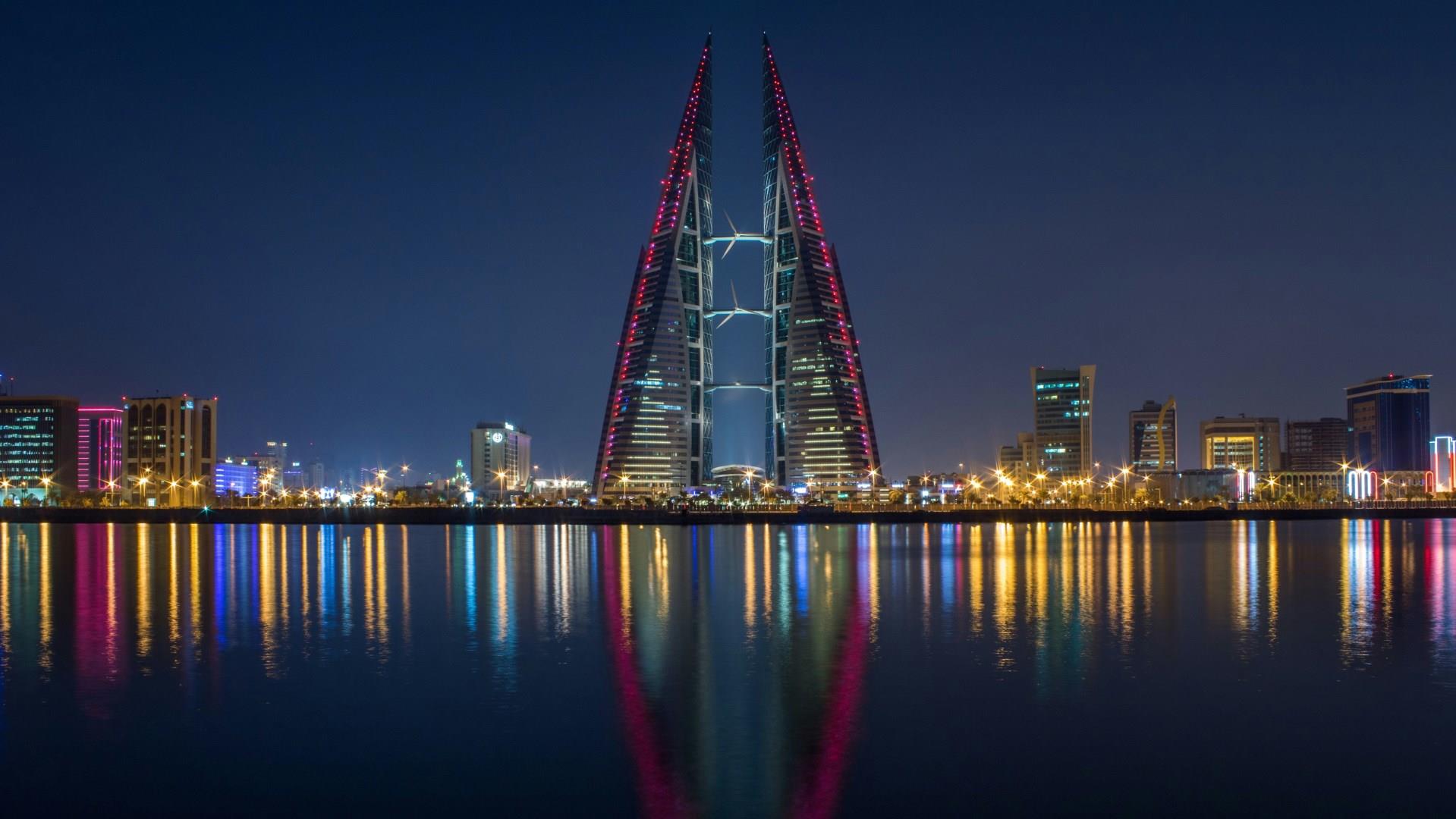
Manama pulses with stories from long ago and today. Just beyond the modern skyline lies Qal’at al‑Bahrain, a layered mound once the capital of Dilmun, used by societies from the Kassites to the Portuguese. Visitors can climb its crumbling stairways and imagine life across centuries there. Nearby, the Bahrain National Museum, opened in 1988 in a stately waterside building, displays archaeological finds from ancient Dilmun to modern-day artifacts and is one of the Gulf's first modern museums.
