

Puno
Situated on the shore of Lake Titicaca, Puno is referred to as the folkloric capital of Peru due to its artistic and cultural expressions, particularly dance. Notable landmarks include the Andean baroque-style Puno Cathedral and the Yavari, a 19th-century steamship. Products created from alpaca, llama, or sheep wool are a signature of the area, as well as musical instruments like the siku.
Zacatecas
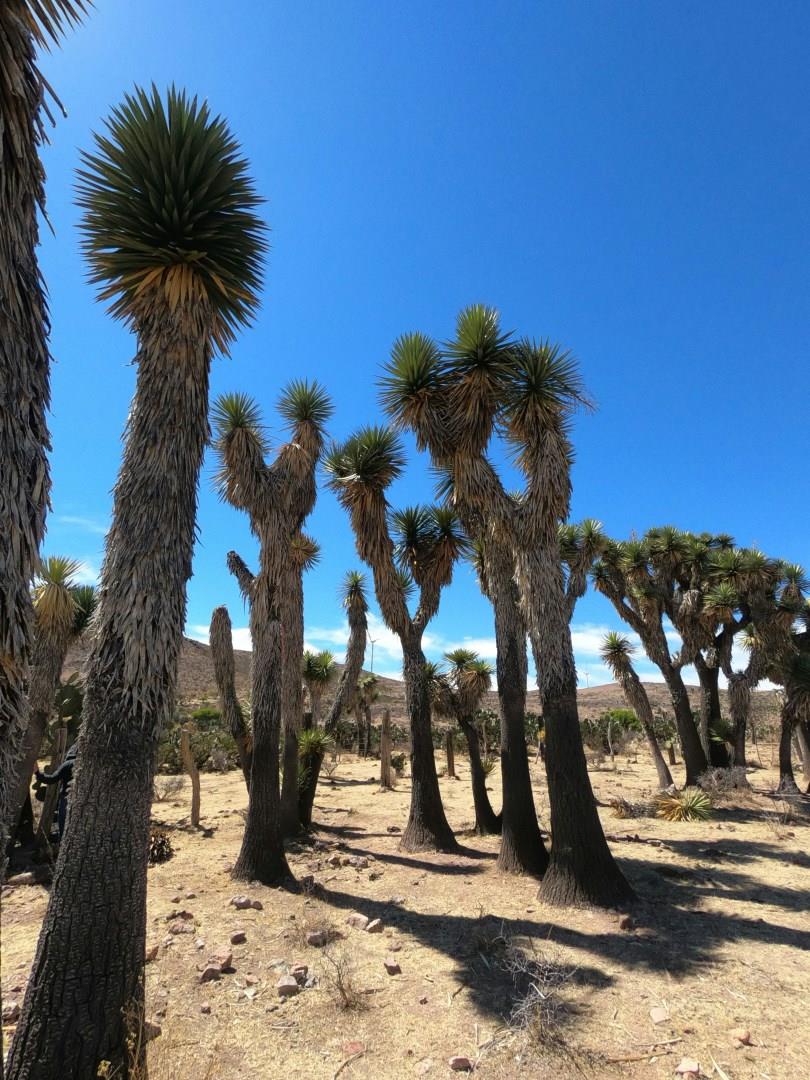
Zacatecas, built into the slopes of a narrow ravine in north-central Mexico, is a city with a deep mining past and a striking skyline. The historic center, a UNESCO World Heritage Site, is known for its pink cantera stone buildings, narrow alleys, and impressive baroque facades. The Cathedral Basilica of Zacatecas, completed in 1752, stands as one of the most detailed examples of Mexican baroque architecture, with hundreds of carved figures covering its sandstone exterior.

Monemvasia
Monemvasia, Greece, is a captivating destination that enchants visitors with its blend of medieval charm and stunning natural beauty. Perched on a small island off the coast of the Peloponnese, this fortified town, often referred to as the "Gibraltar of the East," is renowned for its well-preserved Byzantine architecture and labyrinthine streets.
Thimpu
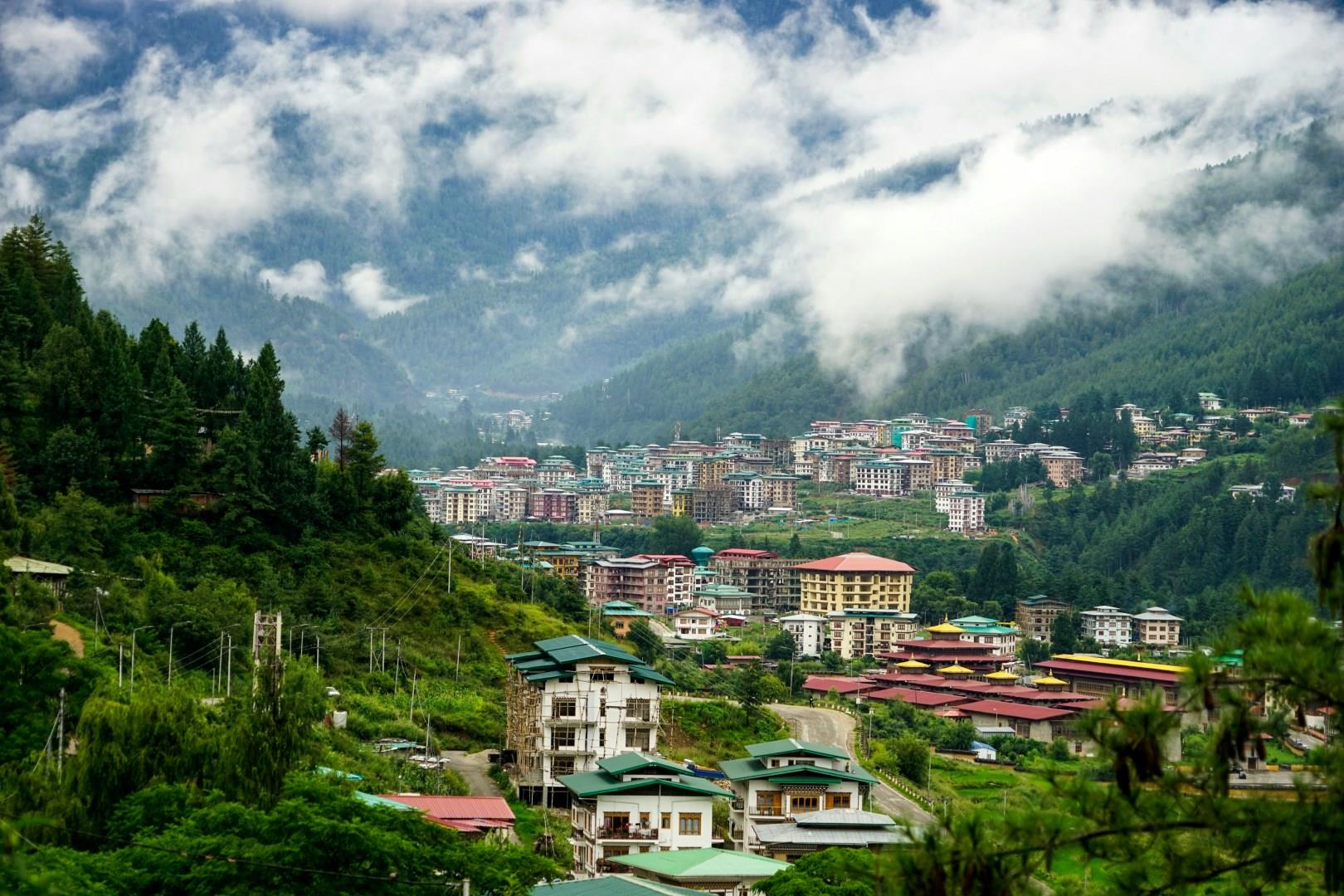
Thimphu, the capital of Bhutan, is a city where tradition and modern life meet in unexpected ways. Streets are lined with traditional Bhutanese architecture, colorful prayer flags, and shops selling handicrafts, while government offices and modern facilities operate alongside centuries-old temples.
Marigot Bay
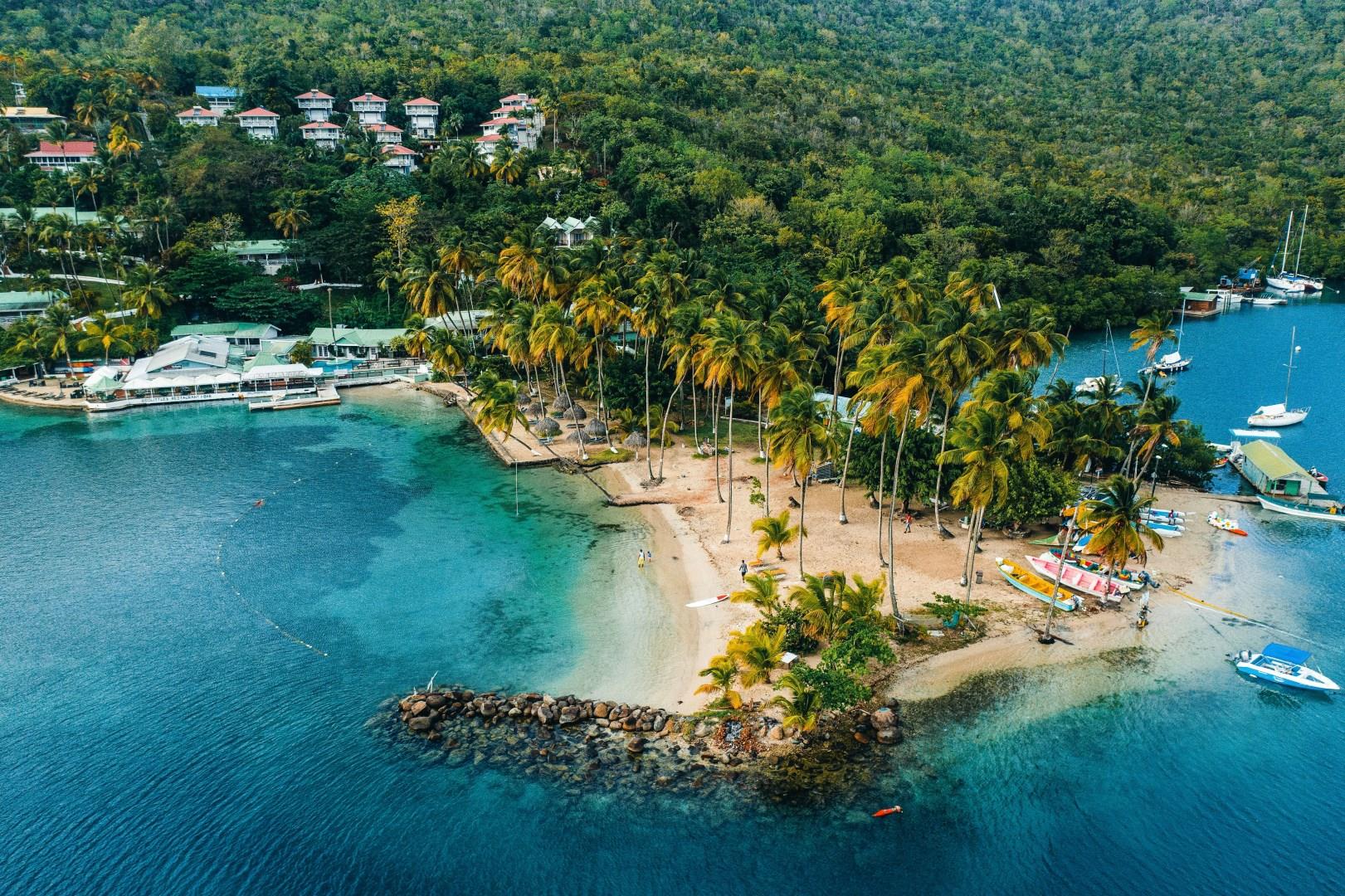
Marigot Bay, located on the western coast of Saint Lucia, is often regarded as one of the Caribbean’s most picturesque natural harbors. Enclosed by lush green hills and swaying palms, the bay has long drawn sailors, writers, and filmmakers.
