
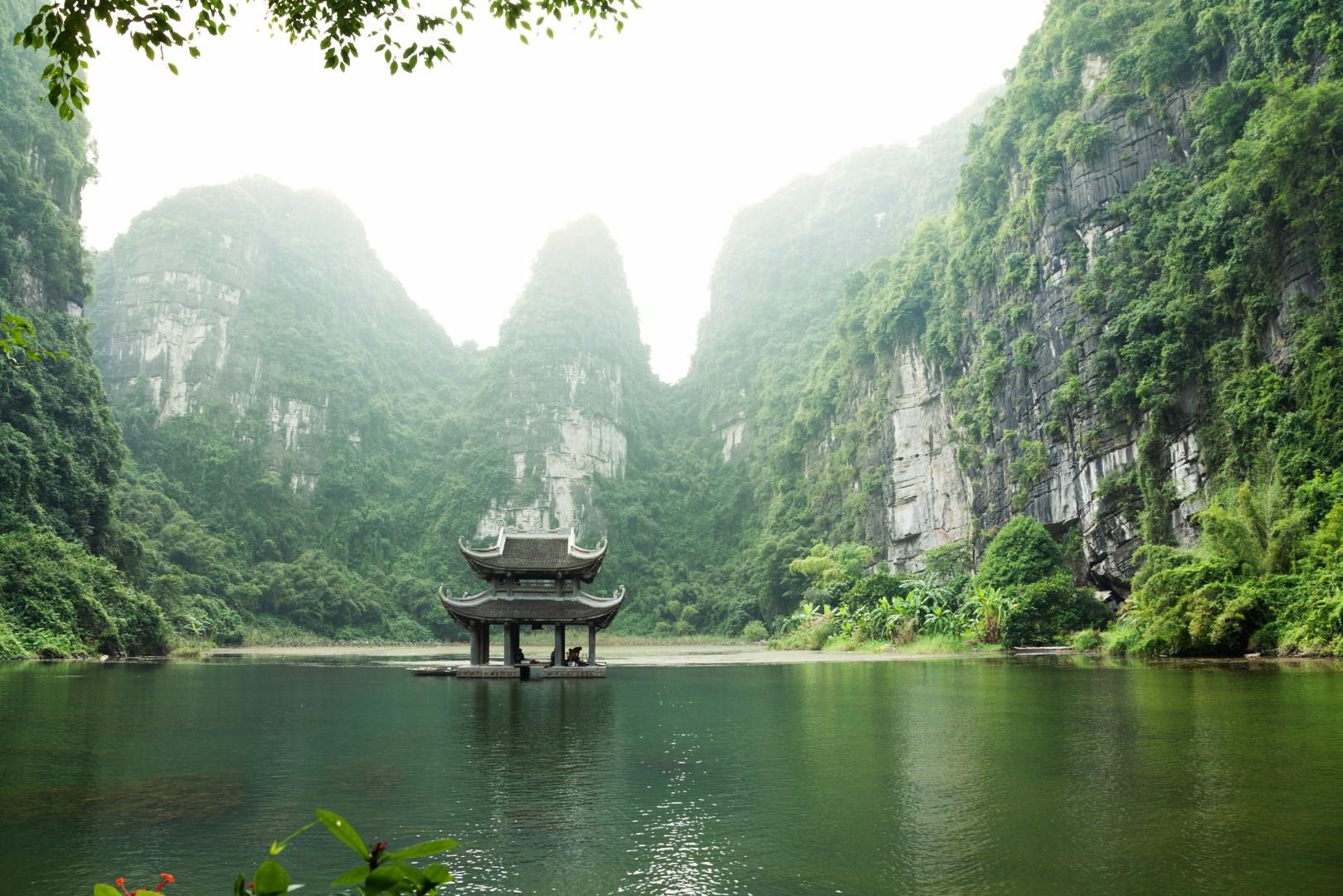
Ninh Binh
Ninh Binh, located about 100 kilometers south of Hanoi, offers a landscape shaped by limestone karsts, winding rivers, and flooded rice paddies. Often referred to as “Ha Long Bay on land,” the area is best explored by rowboat. At Trang An Scenic Landscape Complex, boat routes pass through caves, ancient pagodas, and valleys surrounded by towering cliffs. Local rowers often use their feet to paddle, an unusual technique that surprises many first-time visitors.

Inverness
Inverness, the cultural capital of the Scottish Highlands, is a city where ancient history meets stunning natural beauty. Situated at the mouth of the River Ness, Inverness is often called the "Gateway to the Highlands" and serves as the perfect starting point for exploring Scotland's rugged landscapes and rich heritage. One of the city’s most iconic landmarks is Inverness Castle, perched on a hill overlooking the River Ness.

Jamaica
With its stunning beaches, lively culture, and unforgettable adventures, Jamaica offers an unparalleled Caribbean escape.
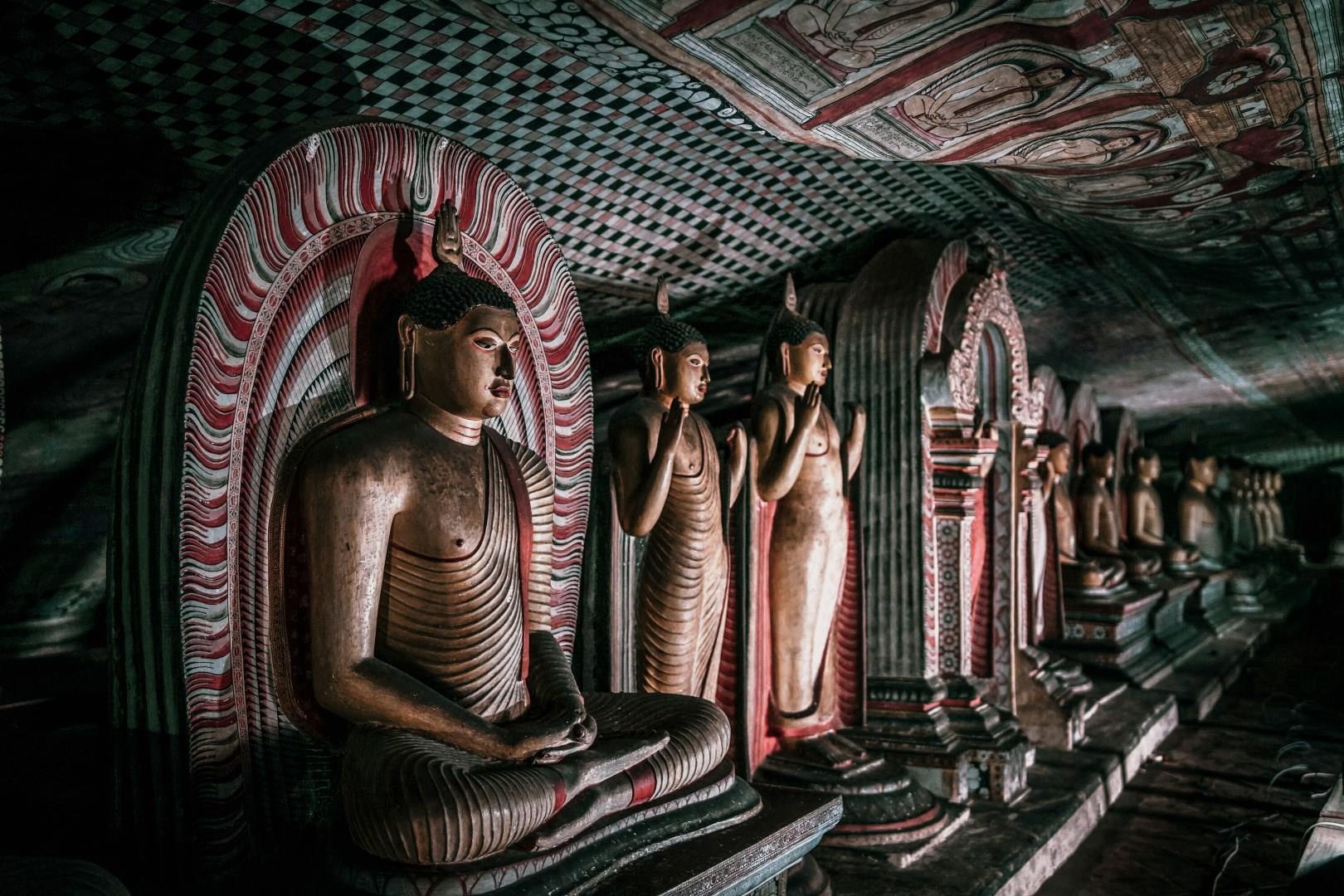
Dambulla
Dambulla, situated in the Central Province of Sri Lanka, is best known for its rock temple complex that has been in use for over two thousand years. The Dambulla Cave Temple, also called the Golden Temple of Dambulla, is made up of five caves carved into a granite outcrop, filled with over 150 Buddha statues and intricate wall paintings. These caves were first used by King Valagamba in the 1st century BCE as a refuge during exile, and later transformed into a sacred site.
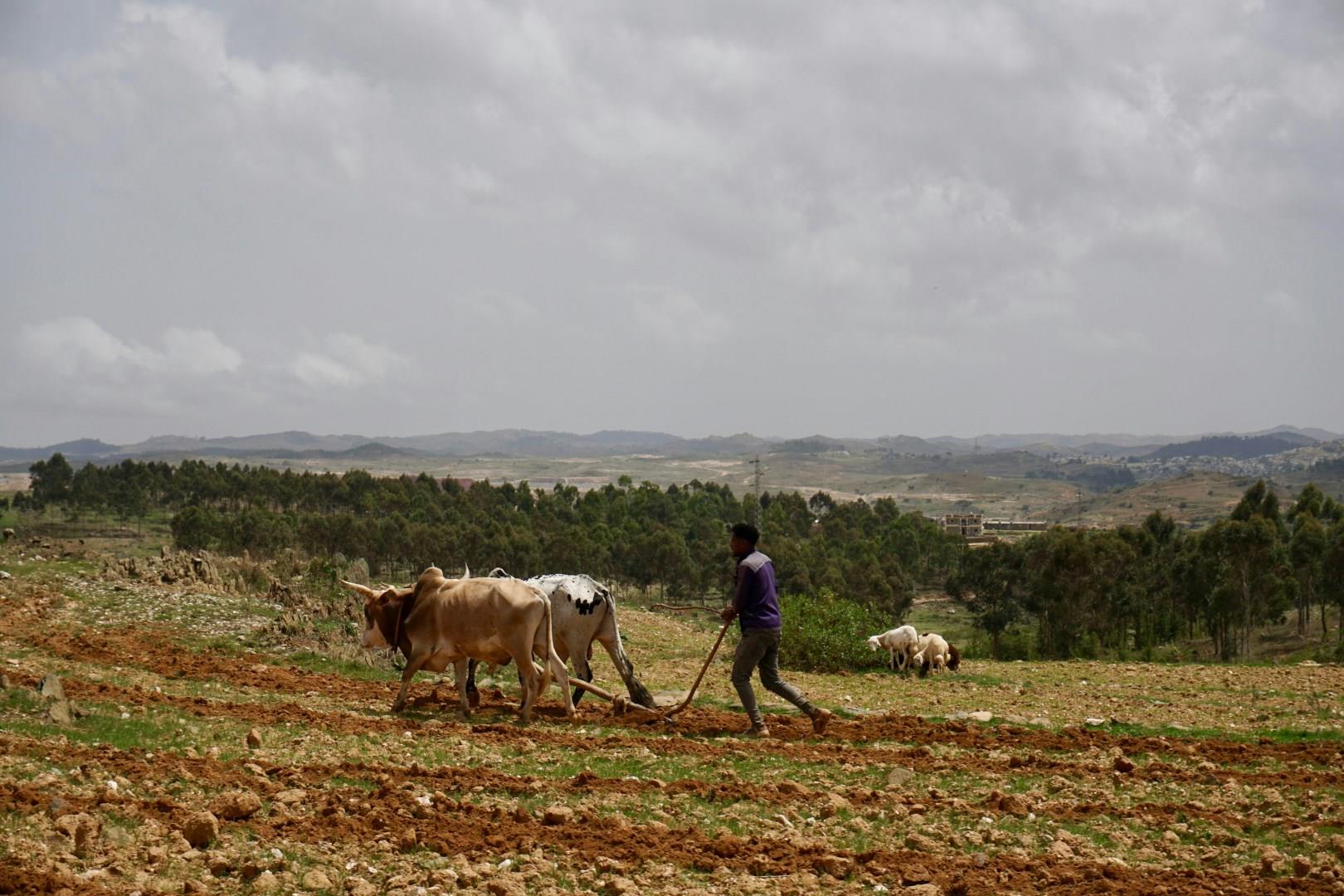
Asmara
Asmara, the capital of Eritrea, is a city where time seems to have paused in the mid-20th century. Known for its remarkably preserved Italian modernist architecture, the city has earned recognition as a UNESCO World Heritage Site.
